Behind the label: The Genie in the Bottle

By: Joanna Lobo
Once upon a time, circa 2017, every month would bring about news of another gin hitting the market. Most of them sported labels like ‘homegrown’, promising obscure Indian handpicked botanicals, with beautifully designed labels. All of them had a story to tell.
Years later, the gin bandwagon keeps on rolling. It’s safe to say, gin is still a thriving market in India. Hendrick’s global brand ambassador, Ally Martin, says India’s market shows the most rapid growth in the world. Market insights put India’s current gin market at USD 1.7mn, expected to grow to USD 2.9mn by 2032. The newest in town, predictably based out of Goa, is Revelry Distillery’s Vanaha Gin sporting 24 botanicals.
A decade back, when every person and their brother started making and selling gin, there were a few gins that made their mark. NÄO Spirits led from the front, being a first mover with Greater Than gin, and then, Hapusa. Seqér counts Goan cashew nuts as an ingredient. Clearly Good was India’s first blue gin, made with blue pea flower. Matinee became India’s first women-founded gin brand. Tamras was the first in Goa to offer tours of their facility. And so on. In such a saturated market – there are easily about 30+ homegrown gin brands in India at the moment – how does one stand out among the crowd?
Content is king
A glimpse at the social media pages and the online branding of many gins reveals much data about the gin-making process, the botanicals, and in today’s DIY world, cocktail recipes. “We realised that we, as a brand, needed to provide information to the consumer as to how to use the product,” says Aparajita Ninan, Co-Founder and Creative Head, NÄO Spirits. During the lockdown, she and co-founder, Anand Virmani, created a lot of “at-home content” – recipe videos, campaigns like Doodle Greater, and online games. “Our consumers see us as the people behind the brand and not some third-party team making content.” Their strategy was to be transparent about the process and talk about the story, us and the passion involved in it. “We didn’t shy away from showing our mistakes. Which in the current scenario means humanising the brand.”
Fullarton Distilleries’ Pumori launched in 2020 after three years of trials and boasting 12 botanicals. The focus from the beginning itself was on storytelling, through social media and intimate tastings and bartender immersions. “We began with a clear focus on storytelling and authenticity. Digital content, especially on Instagram, allowed us to trace the gin’s journey from source to serve with clarity and intent,” says Bikram Basu, Managing Director, Allied Blenders & Distillers (ABD) Maestro (which owns Fullarton).
The ‘Indian’ story
Let’s face it, every gin released in India wants to tell an Indian story: be it of the country’s rich botanical diversity, or geography, or even art. It is why most gins emphasise the hand-picked botanicals, talk about forest to glass, and incorporate Indian elements in the bottle, label and name.
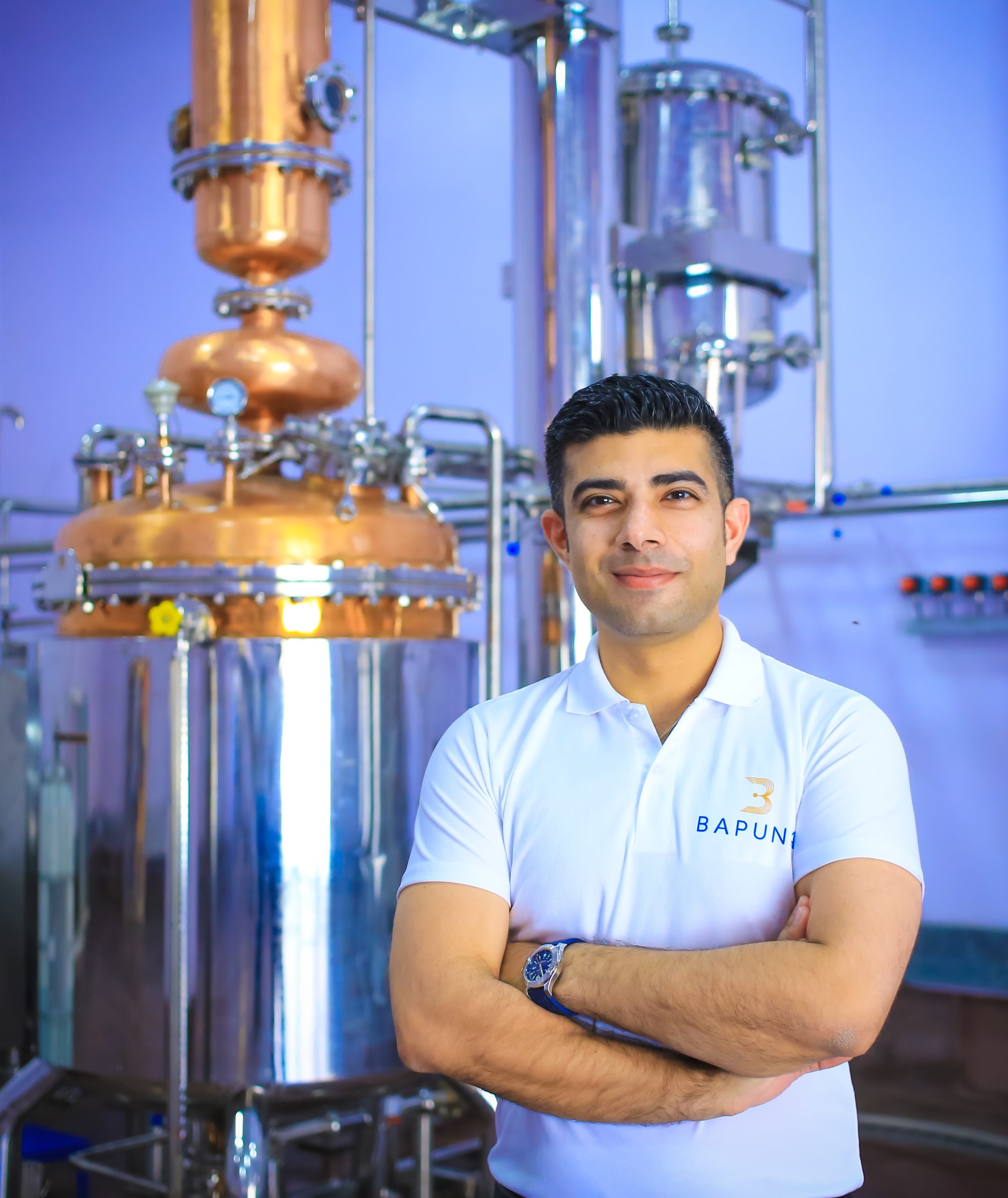
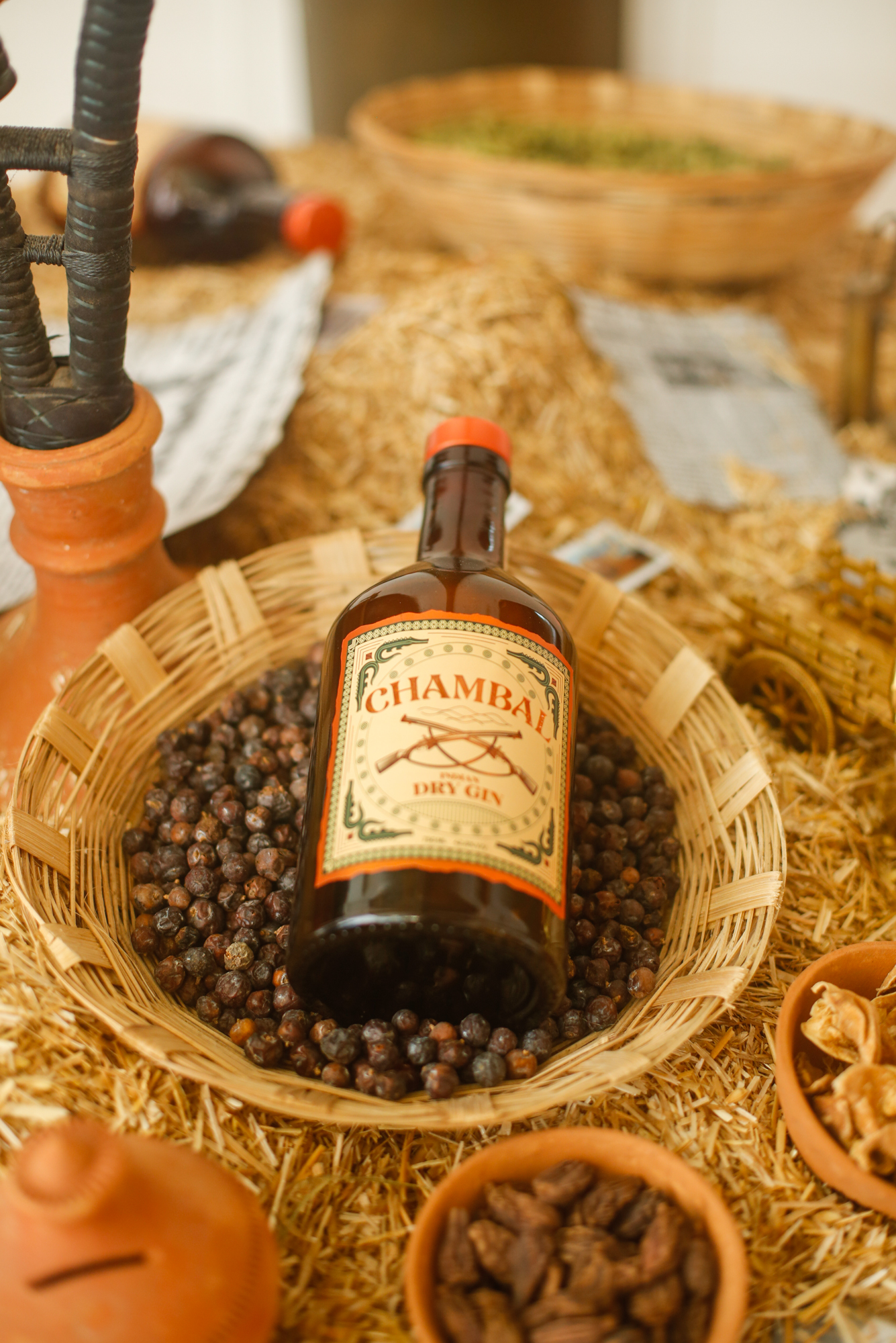
Chambal is a triple-distilled dry gin with cardamom, cinnamon, lemon peel, and almond. “Naming the gin Chambal was my way of showing the world that this region is more than its notorious past. I wanted people to see the region differently, as a place worthy of pride, craft, and recognition,” says Pervez Bapuna, COO, Bapuna Alcobrew, which creates Chambal Gin. The copper top and red cork of the bottle are designed to resemble a shotgun bullet, referencing the weapon of choice for the infamous dacoits; crossed rifles honour the rebels of the region, the gharials and wave patterns reference the river and the border draws from the local art form, Mandana.
Pumori takes its name from a Himalayan peak near Everest. “With Himalayan juniper at its core, the name grounded the brand in its landscape and shaped the tone for what Pumori stands for: bold, evocative, and proudly Indian,” says Basu. Even the label reflects it with topographic lines referencing Himalayan trails, while copper-toned accents nod to distillation.
NÄO Spirits’ Greater Than used a mathematical symbol to honour India’s mathematical contribution to the world but, for Hapusa, they went more literal – hapusa is the Sanskrit word for juniper berry and the label features a mountain (the Himalayas). Globus Spirits’ Terai Gin’s bottle is inspired by temple architecture, and the top is handcrafted, Channapatna-style wooden cap. Cherrapunji gin comes in a steel bottle featuring colourful scenes from Meghalaya.
India’s homegrown gins feature botanicals that range from the known – Gondhoraj limes, Nagpur oranges, Goan cashew nuts to the little-known – hemp, snake saffron, timur pepper, black turmeric and vetiver grass. Himalayan juniper is common across most gins. Oregin works with farmers in Punjab to source their kinnows. Jaisalmer, by Radico Khaitan, uses Darjeeling tea. Satiwa in Goa uses hemp. Mohulo gin has mahua flowers sourced from Madhya Pradesh and Chhattisgarh. Cherrapunji Eastern Craft uses GI-tagged Khasi mandarin, and smoked tea from the Lushai Hills. Going one step ahead in the India story is Broken Bat, the 2022 limited edition gin from NÄO Spirits. The gin is aged with toasted Kashmir Willow, sourced from crowd-sourced cricket bats and off-cuts from a bat-maker in Kashmir.
Collections and collaborations
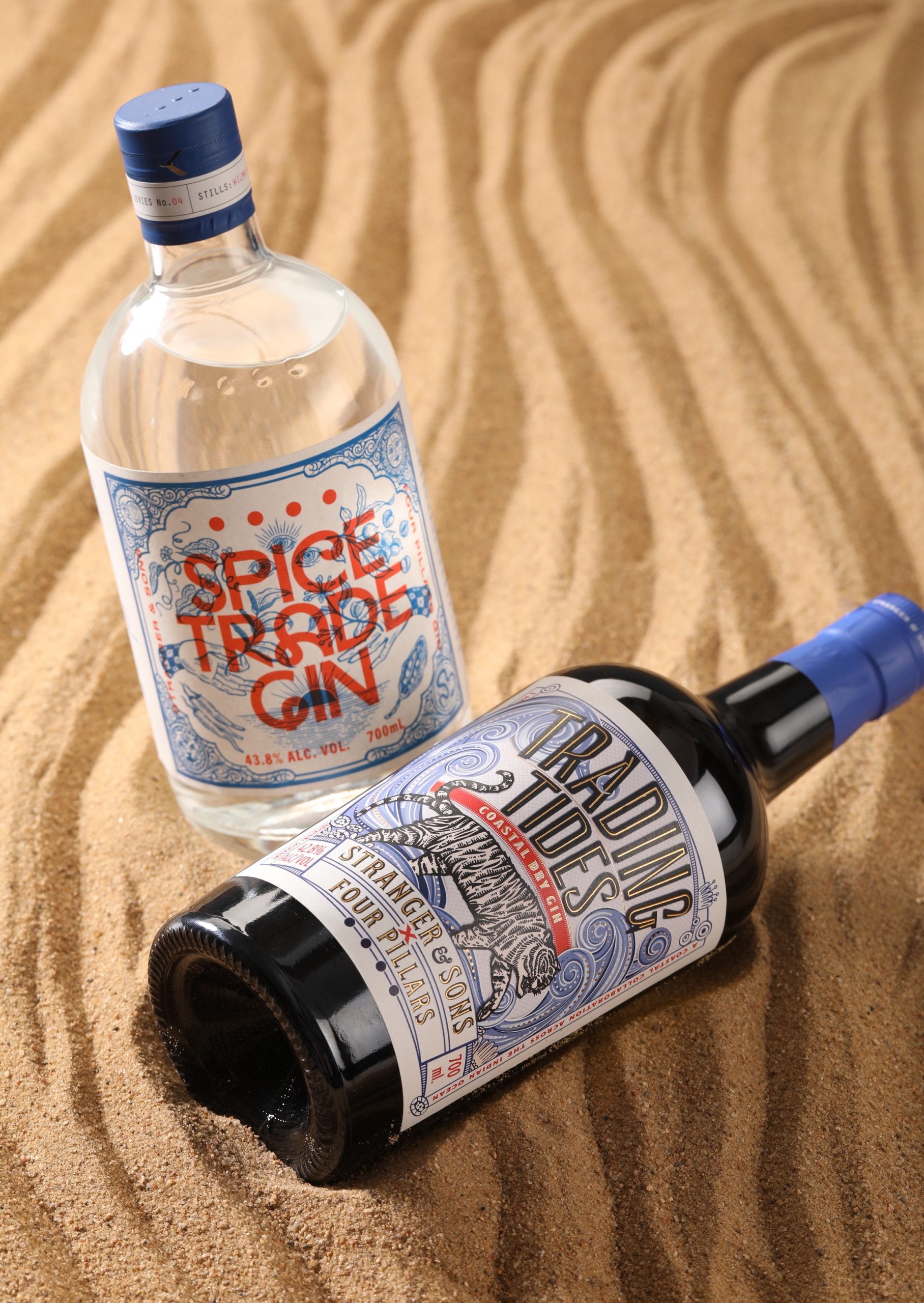
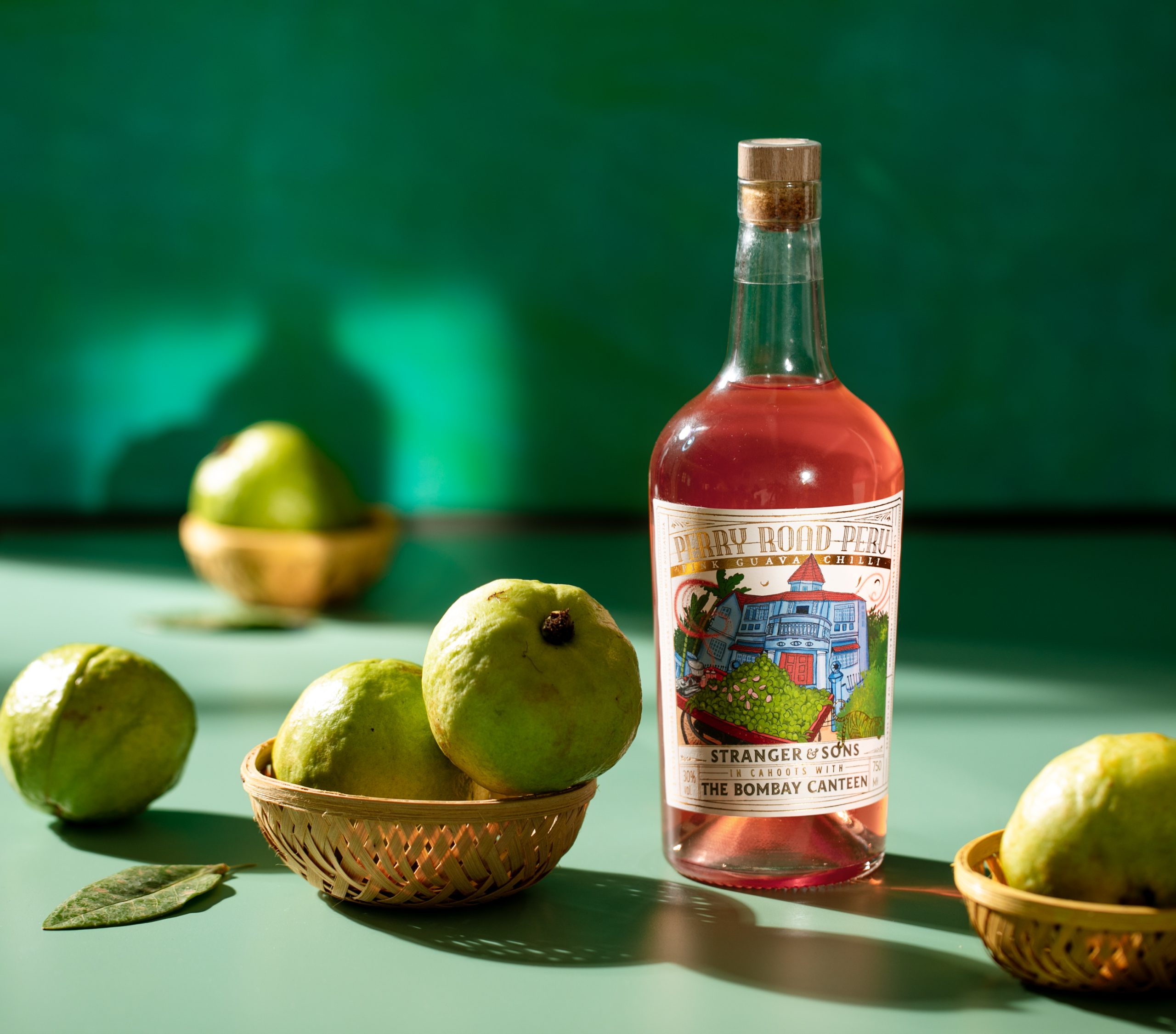
Many gin companies aren’t content with just releasing new variants. Instead, they are collaborating to create special gins that are becoming collector’s editions, rare and occupying pride of place in liquor cabinets. The best example of this is Stranger & Sons who teamed up with The Bombay Canteen to launch Perry Road Peru, a limited edition ‘first-ever distilled cocktail in a bottle’. The gin drink was made with pink guava and chilli and sold exclusively in Mumbai. It proved so successful, they rolled it out across India and has now become a summer favourite. The company also collaborated with Four Pillars Distillery in Australia to release Spice Trade and Trading Tides.
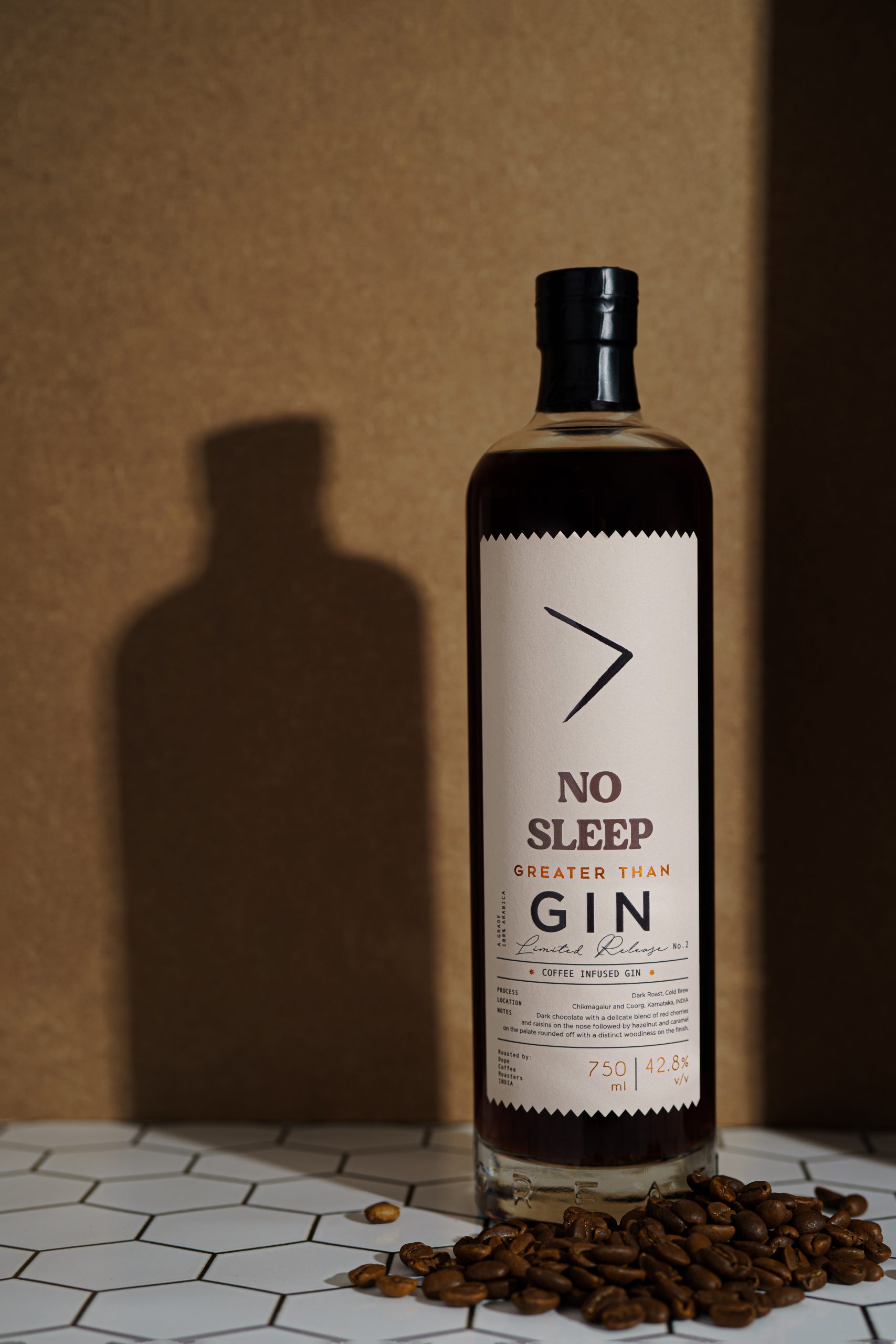
NÄO Spirits’ No Sleep, a 2021’s Limited Edition coffee-infused gin, has been created after partnering with Sleepy Owl Coffee. “We have a lot of fun making them! We really look forward to it [the limited editions] and we have had consumers who have at least one favourite limited edition if not more,” says Ninan. Other limited editions from them include Juniper Bomb (once limited but now available mainline) and Punk Gin (2024) made with Mahabaleshwar strawberries. Samsāra’s New World Experiment series includes Vale of Paradise, with botanicals foraged from the Kashmir Valley; and The City of Pink, a pink gin infused with summer berries.
Collaborations could be the way forward. These days, activations like sponsoring events, bar takeovers, limited edition drinks, bar wars, and bartending competitions are ensuring the gin remains relevant in the eyes of consumers. “We only collaborate when there’s alignment in aesthetic, philosophy and audience. Whether it’s a limited-edition bar menu or an on-ground activation, the setting must allow the gin to shine, not be overshadowed,” says Bapuna. Such collaborations also aid the storytelling process. It comes across through activations on ground and partnerships with other brands, and entities in the hospitality industry.
“We’ve kept strong relationships with bartenders and stayed present at key industry events. Pumori Pink Gin release, curated pop-ups, and continued storytelling across digital platforms have helped us stay visible,” says Basu.
Taking it global
At the recent London Spirits Competition, Jin Jiji won a Gold Medal, marking it as the highest-rated gin in the world in 2025, and was crowned the Spirit of the Year. This is but one feather in the well-decorated cap of Indian gins. In the last few years, Indian gins have been doing well at international spirit competitions, picking up awards and earning global recognition. Greater Than and Hapusa were part of the Indian pavilion at Cannes in 2022. “At international spirit competitions, we earn awards that have given us both industry credibility and a sense of pride. We’ve been recognised by the Gin Guide, Las Vegas Spirits Competition, London Spirits Competition, International Wines & Spirits Competition (IWSC), and more. It’s proof that a gin rooted in India’s heartland can earn its place on the world stage,” says Bapuna.
Many Indian gins are found in bar counters and adorning liquor shelves across Southeast Asia, US, UK and Europe indicating a significant growth in the popularity of Indian-made gins.
In an already crowded market, there’s no sure-fire way to grab attention. Bapuna, though, has some advice: “Cult brands don’t happen overnight. They’re built one pour, one bar, one loyalist at a time. That’s the kind of growth that lasts.”