The Cask Factor: Exploring Distillers’ Experiments in Maturation
- Featured Spirits Trending
 Arushi Sakhuja
- 15 minutes read

Arushi Sakhuja
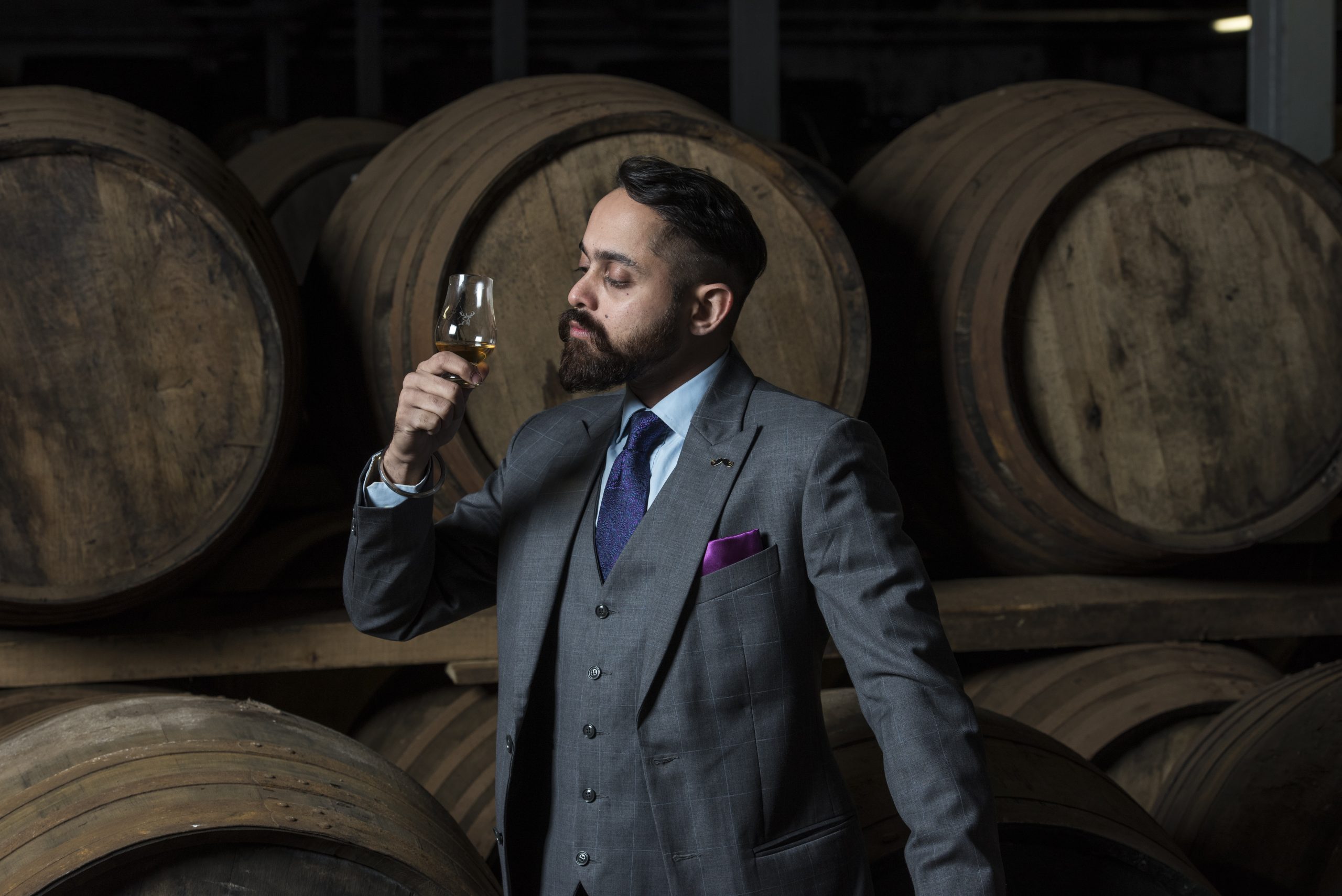
Styles and categories differentiate themselves with the use of different grains, yeast strains and maturation climates. Scotch, bourbon, rye – no matter the classification, one of the most important factors affecting the final flavour of a whisky is the wood cask or barrel it’s aged in. “I would say probably 90-95% of the flavour profile of the whisky comes from the cask. Whatever we get from the cask is pretty much the character and the flavour of the whisky– all the colour, character, notes that you get in whiskey result from the casks you’re ageing them in,” shared Angad Singh Gandhi, Brand Ambassador, Glenfiddich.
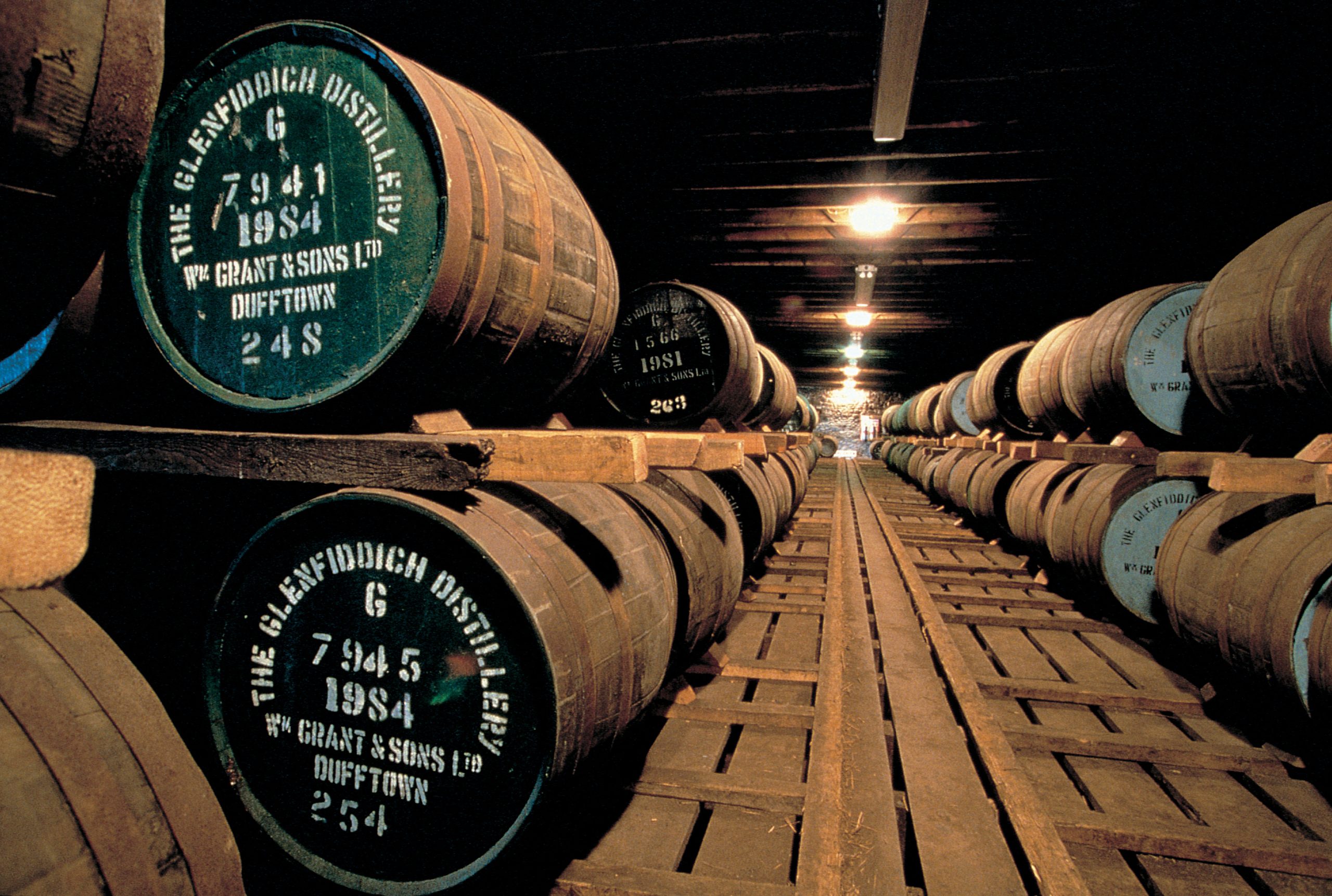
As we can’t judge a book by its cover, the subdued appearance of a cask can belie the beauty within. In the whisky business, a lot of fuss is made over the vessel in which drinks are served and matured – from appropriate tasting glassware to the cask. For some, these are less important than the beverage itself. But for others, the choice of container is a key component of the drinking experience. However, the real presentation vessel for whisky is the humble cask. While there may be something appealing in the vibrancy of a virgin oak barrel, the cask lacks the pleasing aesthetics of other vessels in the whisky experience.
Whisky casks are an apt example of the famous quote, it’s what’s on the inside that counts. Those not-so-visually-appealing casks are the true magic behind a beautiful whisky – one that holds vibrant flavours. What’s more, the presence of casks in the global transportation of alcoholic drinks gives distillers myriad flavours to play with. From these casks, distillers and blenders can pick ingredients and craft a recipe that complements the character of their new make.
Whisky is matured for several years in casks of different origins. What influences the maturation process? Why do Whiskies from one distillery sometimes taste so differently? LuxeBook dives deeper.
* Did you know that 90 per cent of all casks used in the maturation of Scotch whisky are ex-bourbon?
History of the Cask
The history of the wooden cask reaches back more than 3,000 years to the ancient woodlands of north-western Europe. These vessels were skilfully constructed and secured to hold liquid such as beer and mead. Casks were one of humankind’s most robust and versatile containers until the advent of steel drums and moulded plastics in the 20th century. And… nothing can surpass oak containers in flavour maturation for wine and spirits, and there would be no modern whisky without oak containers.
At whisky warehouses worldwide, nearly 60 million oak casks lie in storage, maturing the whisky of the future, and oak, above all species, serves as the ideal wood that produces the most desirable flavour for whisky.
Different types of casks
With increasing maturation time, the whisky takes up flavours from the cask. Initially, it’s a general wood flavour but especially vanilla, toffee and oak. The wood passes over its character to the whisky hence impacting the flavour of the spirit. A wooden cask is a small masterpiece of craftsmanship. Although more and more machines are used by coopers today, the actual manufacturing is still done by hand. Only oak wood is suitable for cask production, softwood contains resin, which prevents the cask from breathing and other types of wood emit unpleasant flavours that make the Whisky unenjoyable. Oak wood from trunks with an age of 70 to 200 years are the ideal ones for whisky maturation.
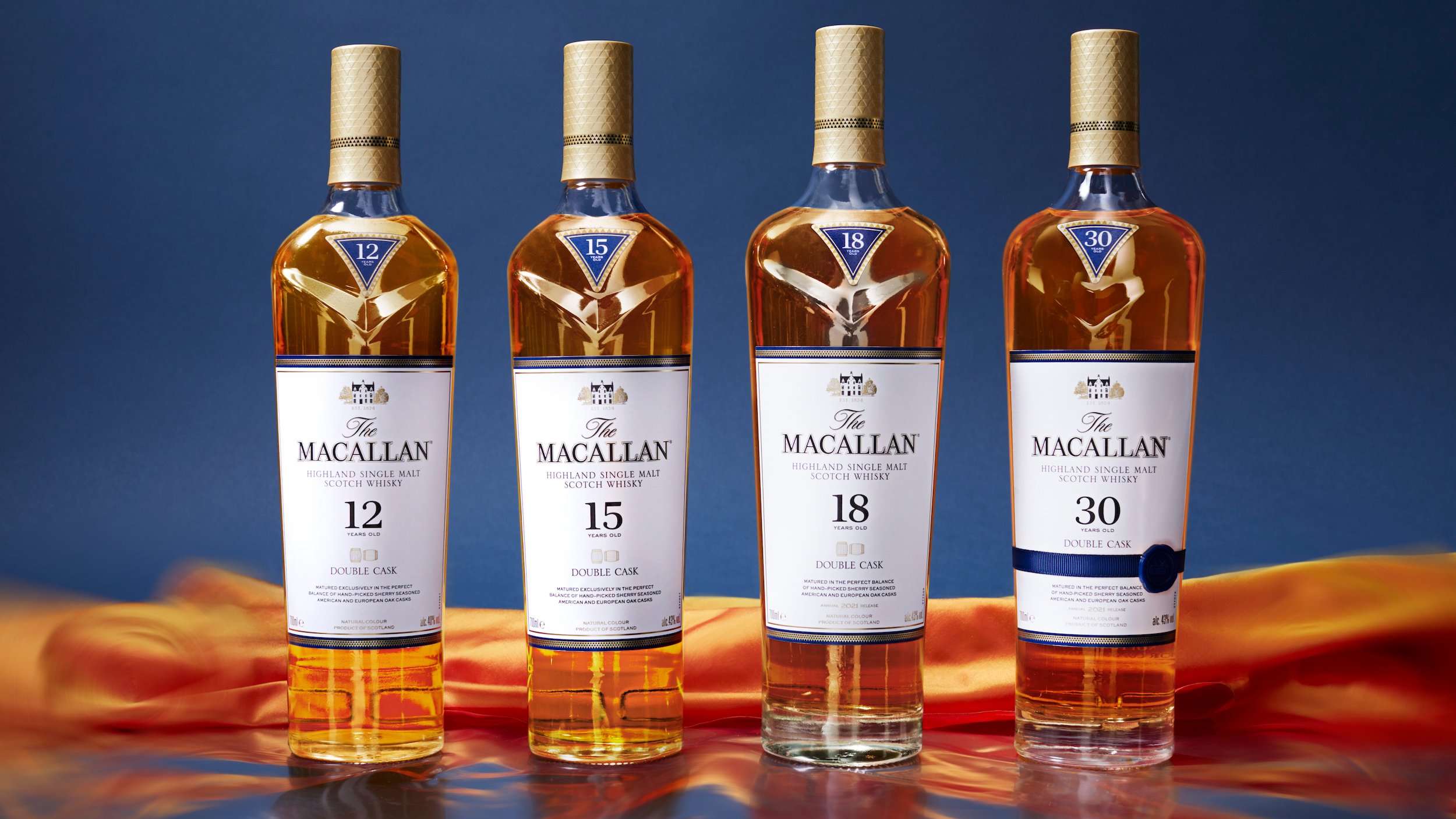
Oak reigns supreme in the whisky industry and, even more so, oak casks previously holding bourbon or sherry. Exceptional Oak Casks are the single greatest contributor to the outstanding quality and distinctive aromas, flavour, and natural colours of whisky shares Jodie Marriott, Brand Education Manager, The Macallan. She continues to say… “at The Macallan Oak the casks are sourced primarily from America & Europe. The American oak is harvested in Ohio, Missouri, and Kentucky when they are approximately 70 years old. As American oak is denser than its European relative, it is perfectly suited for creating sherry casks. In contrast, the European sherry seasoned oak is more porous and contains many more tannins than American oak, which although they take longer to mature, play a pivotal role in the colour and flavour of spirits.” The use of cabernet sauvignon, pinot noir, chardonnay and champagne casks finishes are a recent development in the industry. While a blender can monitor the oak quality after the wine has been removed and the whisky filled in, it all comes down to how the liquid will work with the wood. That part can never be fully controlled. Distiller teams play around with the best maturation period and depth to create the best flavour.
Fortified wine (port or sherry) casks work well with whisky, while many other lower ABV (alcohol by volume) types do not. The acidity is a big component and a hard one to control, while some grape varieties can be too bitter or light to impact the final liquid resting in the cask. Even more so, the finishing period is hard to monitor; being left for too long in the ex-wine cask can add acidic off notes to the whisky, while too short a period means nothing really changes.
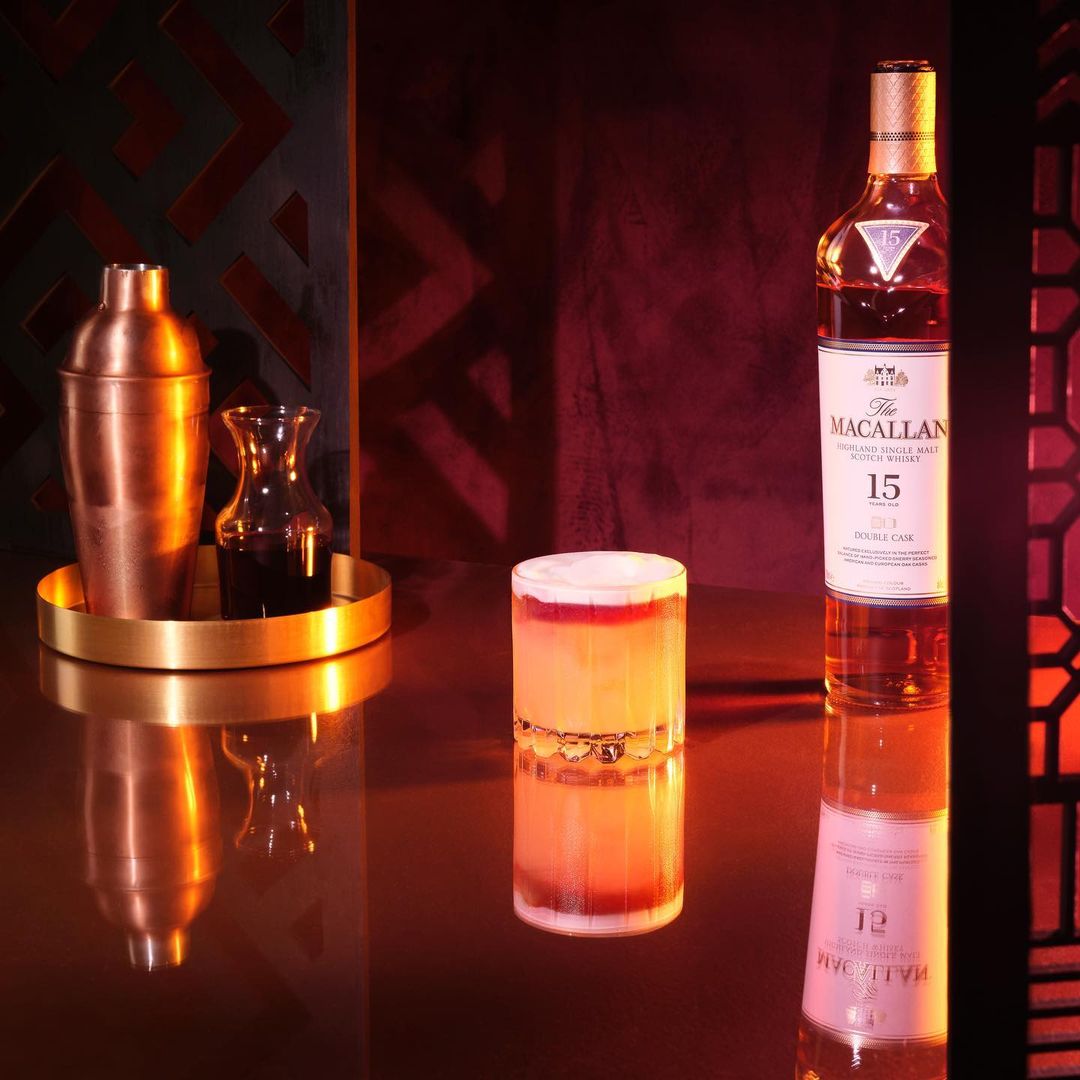
Sherry casks have been used to age whisky for centuries. But sherry-cask finishing – which was once popular in the 1940s and ’50s, is now seeing a resurgence. Sherry-cask-finished whiskies, with their rich, fruity sweetness, are softer and the best renditions are delicious. Adding to this expert Jodie says “Sherry casks can add rich, dried fruit flavors, such as raisins, figs, and spice notes. Mastery of this union and the insistence on only using the finest ingredients results in a perfect partnership of both American and European oak sherry seasoned casks, that combined, create extraordinary tasting notes of toffee and vanilla.” Ageing whisky in barrels that were used to store sherry gives the alcohol a sweet, fruity flavour. The sherry flavours interact strongly with the whisky, adding waves of fruit and sweetness, these are peaty aromas, with full-flavoured raisins and a fruity smokiness on the palate.
Angad Singh Gandhi, Brand Ambassador, Glenfiddich speaks on the different types of casks, “Traditionally the two casks that have been used most widely in the world have been ex-bourbon casks and ex-sherry casks, by ex I mean there were bourbon and sherry in them respectively. Having said that, apart from these two casks today, we are ageing whisky in hundreds of different types of casks. When we talk about casks there are two types of concepts in it, there is a concept of ageing and there is a concept of finishing – for example, Glenfiddich Gran Reserva 21 year old that we recently launched in India is aged in an ex-bourbon and ex-sherry cask for 21 years, however, it’s finished in an ex-rum cask for which we make our rum and season the cask with that then we put the 21-year-old whisky into it to get those notes of rum. Using casks from white wine to red wine to cognac, beer casks, tequila casks, and mezcal casks. Casks can come from any and every spirit, Japanese casks like Mizukawa have been getting a lot of popularity in the past few years.” Gandhi further mentioned that his favourite kind of cask is an ex-sherry cask because of the amazing flavours that are more complex bites, woodiness and spiciness. For me, my favourite cask experiment would actually be Project 20, because it’s extremely different and difficult to marry 20 different types of casks together and I think that is an extremely complex and characterful whisky that I’ve come across.”
How casks impact the flavour of whisky
Besides the type of wood and the thermal treatment also the size of the casks influences the maturation process. Whisky matures faster in small casks since the surface area is bigger in relation to the content – the exchange of substances between wood and whisky happens faster. Increased demand for casks in the Whisky industry has also contributed to the rise of cask prices. That’s why it makes sense to use casks several times, and casks can be used three to four times after which it loses its flavour. First, fill casks are hence interesting to taste – first fill’ doesn’t mean the original filling of the cask with Bourbon, Sherry or Port, but the first Scotch Malt Whisky that’s filled into a cask. This fill extracts the strongest flavours from the wood, and hence the whisky is worth indulging on.
During maturation three fundamentally different effects in the cask play a role. First, subtractive maturation is those new make whiskies that dimmish the unpleasant taste after 5 to 8 years. That’s also the reason why there are only a few Whiskies younger than 8 years. Second is Additive Maturation; with increasing maturation time, the Whisky takes up flavours from the cask. Initially, it’s a general wood flavour but over time it passes its character to the Whisky. Lastly, Interactive Maturation; where in the basic character of a whisky is shaped by the special distillation and the malt that has been used. With increasing age, the cask taste is combined with the distillery character. When distillery character and cask influence join to form a harmonious whole, it is called interactive maturation.
Additionally, there are other factors that influence the flavour of whisky as well told the Brand Education Manager at The Macallan, Jodie. Factors such as the climate of the region where the casks are stored can affect how the whisky interacts with the wood and matures over time. “For example, in warmer climates, such as those found in some regions of the United States or India, whisky tends to mature more quickly due to increased evaporation and greater interaction with the wood. In cooler climates, such as Scotland, maturation is slower, allowing the whisky to develop more subtle and delicate flavours over an extended period. For Example, The Macallan distillery is in Scotland’s Speyside region which is famous for developing lighter and sweeter whisky that tends to exhibit floral, fruity notes owing to its milder climate, therefore we mature our whiskies in Sherry-seasoned oak casks, which produces a deep complexity of flavour notes and range of rich colours.”