Decoding the Art of Mindful Eating with Six Senses Vana
- Featured Travel & Hospitality
 Anushka Manik
- 11 minutes read

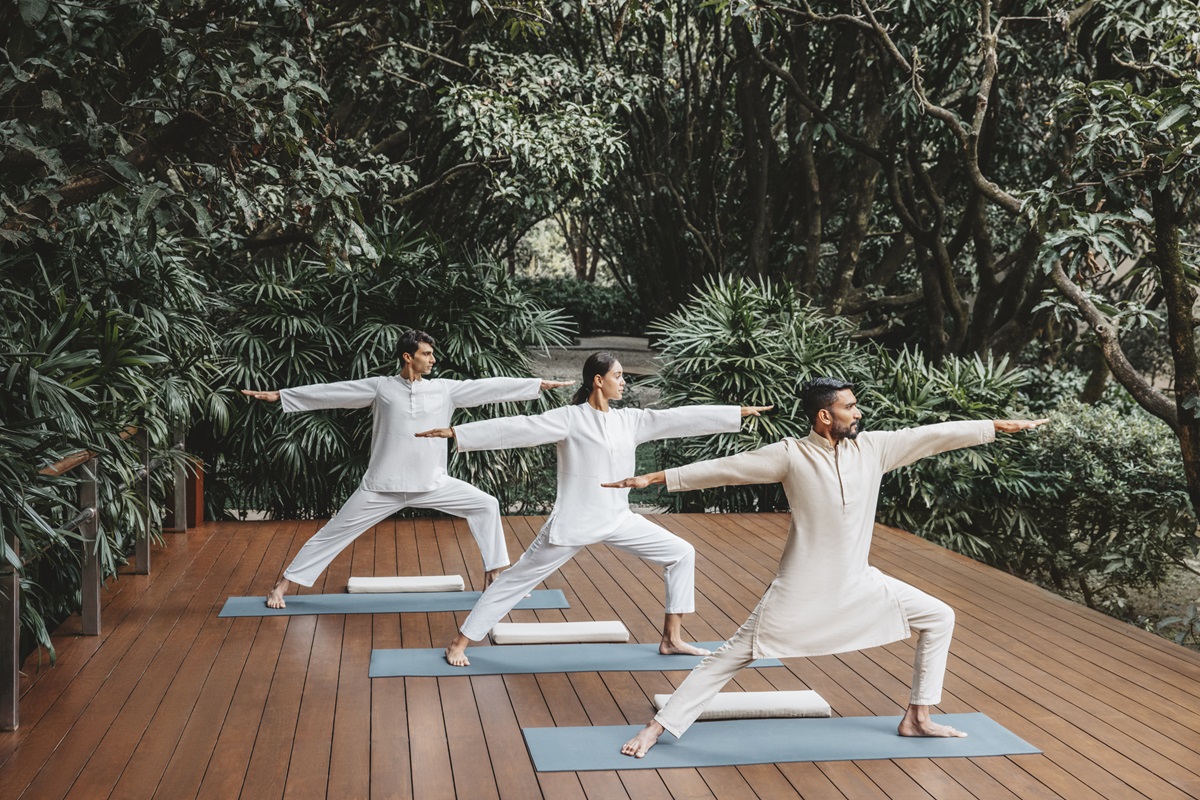
If you’ve ever stayed at a Six Senses property – currently two in India, you already understand their almost instinctive mastery of hospitality. Where Six Senses Fort Barwara indulges your inner royalty and fairy-tale grandeur, Six Senses Vana in Dehradun invites you to dissolve, slow down, and quietly return to yourself.
Tucked into the hushed forests at the foothills of the Himalayas, Vana’s definition of luxury is unlike what we usually get to experience. Mornings unfold without urgency and meals arrive as conversations between body, season and emotion. Here, food is not fuel, trend or detox; it is rhythm, repair and remembrance. At the heart of this philosophy is a deeply thoughtful culinary ecosystem that listens before it leads.
We spoke to Jaspreet Singh, General Manager at Six Senses Vana, to understand how wellness and mindful eating is a core part of their philosophy, so much so that it becomes a lived experience at the retreat. Here, ancient food wisdom finds contemporary relevance. This is what the next chapter of wellness hospitality looks like in 2026.
LuxeBook: How do you define luxury at Vana, and how has that definition evolved over time?
Jaspreet Singh: Luxury at Vana is measured less by what a guest sees and more by how they feel across the day. It’s unhurried, understood, and supported without needing to ask. From the beginning, the idea was never about excess or visual display; it was about ease.
Over time, this definition has become even more precise. Today, luxury shows up in emotional comfort, thoughtful rhythm, and quiet consistency. Care is embedded in small details that remove effort rather than add to it – the way meals are timed to energy levels, how spaces invite rest without instruction, how the environment adapts naturally to each guest. What stays with people isn’t a dramatic moment, but a sustained sense of being gently held.
LuxeBook: Walk us through how a guest’s meal plan is designed. How much of it is science, intuition and listening?
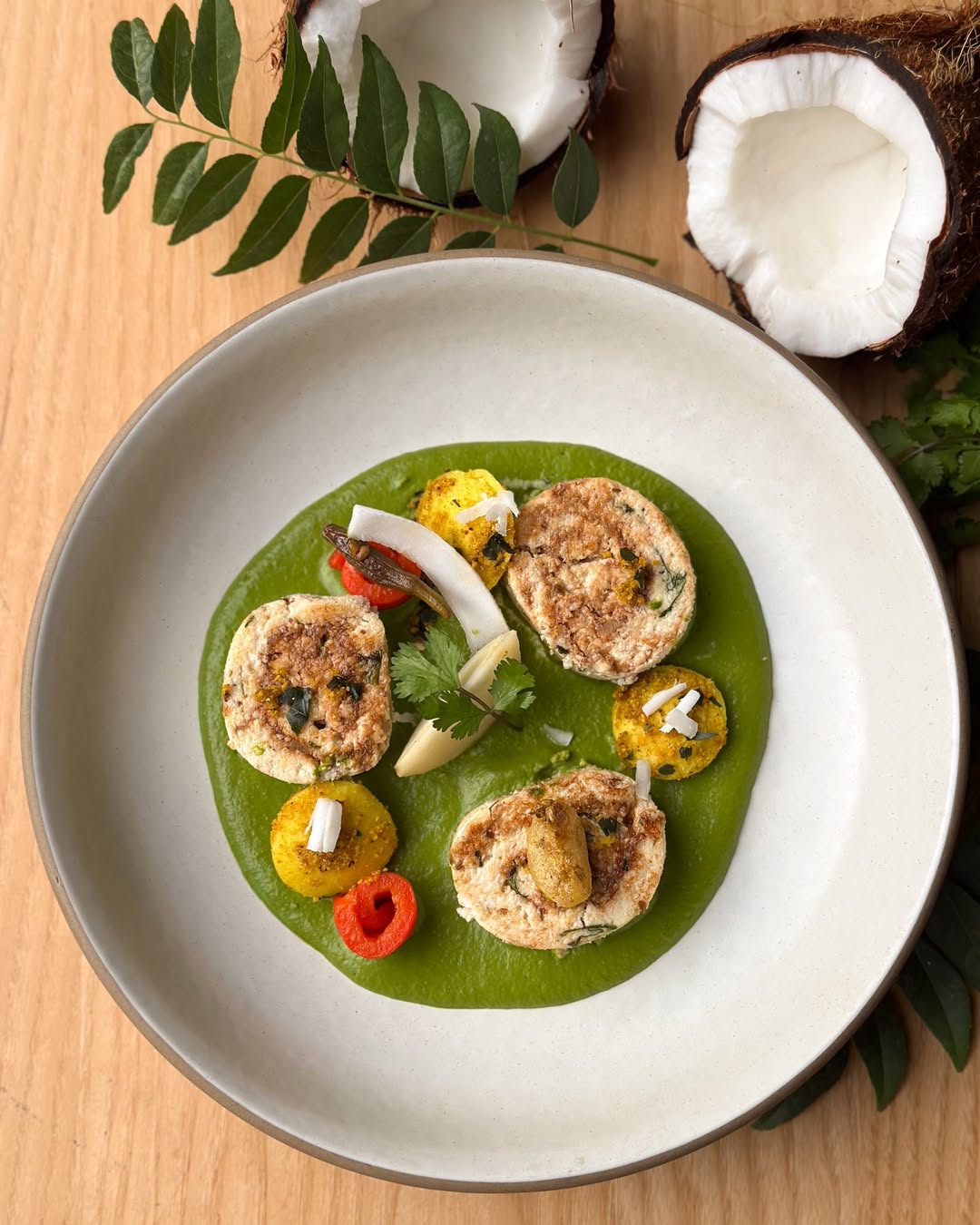
Jaspreet Singh: It always begins with listening. Each plan starts with understanding a guest’s health history, daily habits, sensitivities, preferences, body constitution, and emotional relationship with food. Nutritional science and Ayurvedic principles create a strong foundation, helping us understand how the body responds to ingredients, preparation styles, and timing.
From there, the plan evolves organically. Our culinary team, headed by chef Rajesh Sharma, Director of Food & Beverages, observes digestion, appetite, energy levels and emotional responses to meals. Intuition quietly guides adjustments – maybe a warmer texture, softer spices, lighter portions or grounding flavours. The result isn’t a rigid structure but a living one, constantly responding as the guest changes.
LuxeBook: Ayurveda is often misunderstood as rigid or restrictive. How does Vana reinterpret ancient food wisdom for a modern, global guest?
Jaspreet Singh: At Vana, Ayurveda is treated as a philosophy of balance rather than a rulebook of restrictions. Its principles help us understand individuality, seasonality, and harmony within the body – but the expression remains contemporary, inclusive, and flexible.
Guests aren’t asked to ‘follow’ Ayurveda. Instead, its wisdom quietly informs how food is combined, cooked and served. The language stays accessible, the flavours remain globally familiar, and the experience feels welcoming rather than prescriptive. This allows ancient intelligence to support modern life without becoming intimidating.
LuxeBook: Is there a dish or ingredient that best represents Vana’s philosophy?
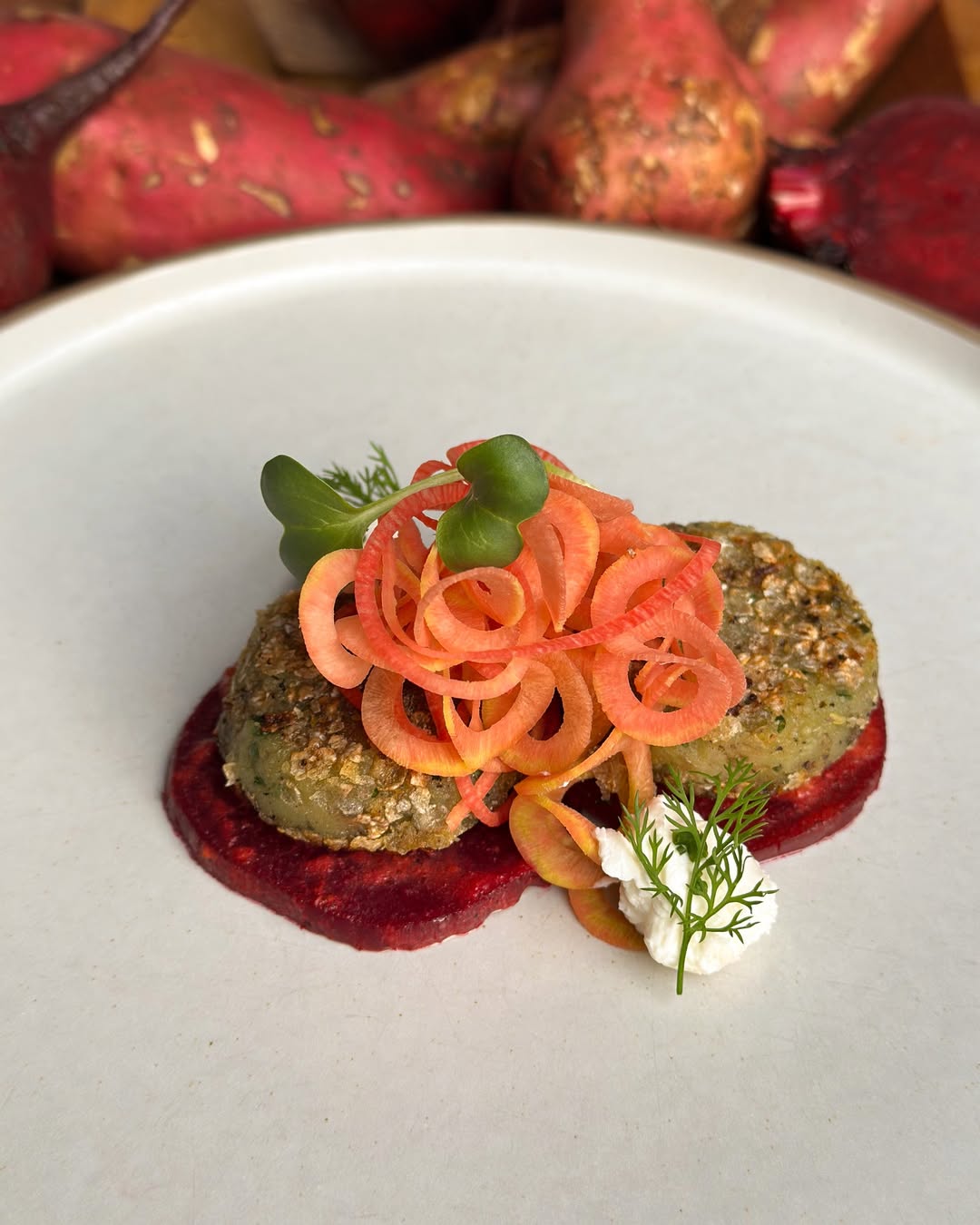
Jaspreet Singh: Rather than a single signature dish, our philosophy lives in the overall approach: seasonal ingredients, gentle cooking, warmth, simplicity, and digestibility. Think nourishing broths, softly cooked vegetables, carefully prepared grains, and living fermented elements.
These foods aren’t designed to impress in isolation. They’re meant to nourish consistently, creating a quiet accumulation of wellbeing over time rather than fleeting indulgence.
LuxeBook: How does Vana’s culinary approach differ from the typical detox-driven wellness retreat many luxury travellers are used to?
Jaspreet Singh: Many wellness retreats centre around restriction, elimination, and short-term cleansing. Vana focuses on nourishment, balance, and sustainability. Our food is emotionally comforting, culturally grounded, and genuinely satisfying – while still supporting physical health.
The experience feels supportive rather than punitive. Guests leave feeling replenished instead of deprived, which makes it far more realistic to integrate into everyday life once they return home.
LuxeBook: Vana is known for foraging, fermentation, and ancient preservation techniques. How do these ancestral practices shape your modern food narrative?
Jaspreet Singh: These practices reconnect the kitchen with time, patience, and natural processes. Fermentation brings life and complexity. Foraging sharpens awareness of seasonality and locality. Preservation honours abundance while reducing waste.
Together, they ground our cuisine in something deeper than trend – respect for nature, cycles, and continuity. It’s a way of cooking that remembers where food truly comes from.
LuxeBook: What food and wellness trends do you see shaping luxury hospitality in 2026, especially in India?
Jaspreet Singh: We’ll see greater focus on regenerative sourcing, biodiversity, functional comfort foods, and emotional nourishment. Wellness cuisine will move beyond what is removed, like sugar, gluten, excess, toward what is added– nutrients, meaning, cultural connection, and care.
In India particularly, there will be renewed respect for indigenous ingredients, regional fermentation traditions, and slow food wisdom interpreted through a contemporary luxury lens.
LuxeBook: Every kitchen has a signature ritual. What embodies the soul of Vana’s food philosophy most clearly?
Jaspreet Singh: It’s the rhythm of the experience itself – gentle beginnings, thoughtful pacing, consistency over spectacle. We believe wellbeing is built through small, intentional choices repeated daily, not dramatic transformations.
LuxeBook: What advice would you give travellers planning a transformative wellness journey in 2026?
Jaspreet Singh: Choose depth over trend. Look for places with clarity of purpose, consistency, and genuine expertise. Give yourself time not just to experience, but to integrate. Arrive with openness rather than expectation; transformation rarely looks the way we imagine it will.
You may also read: Salone del Mobile: Maria Porro on the Power of Physical Design