Salone del Mobile: Maria Porro on the Power of Physical Design
- Design Featured
 Yashita Damani
- 8 minutes read

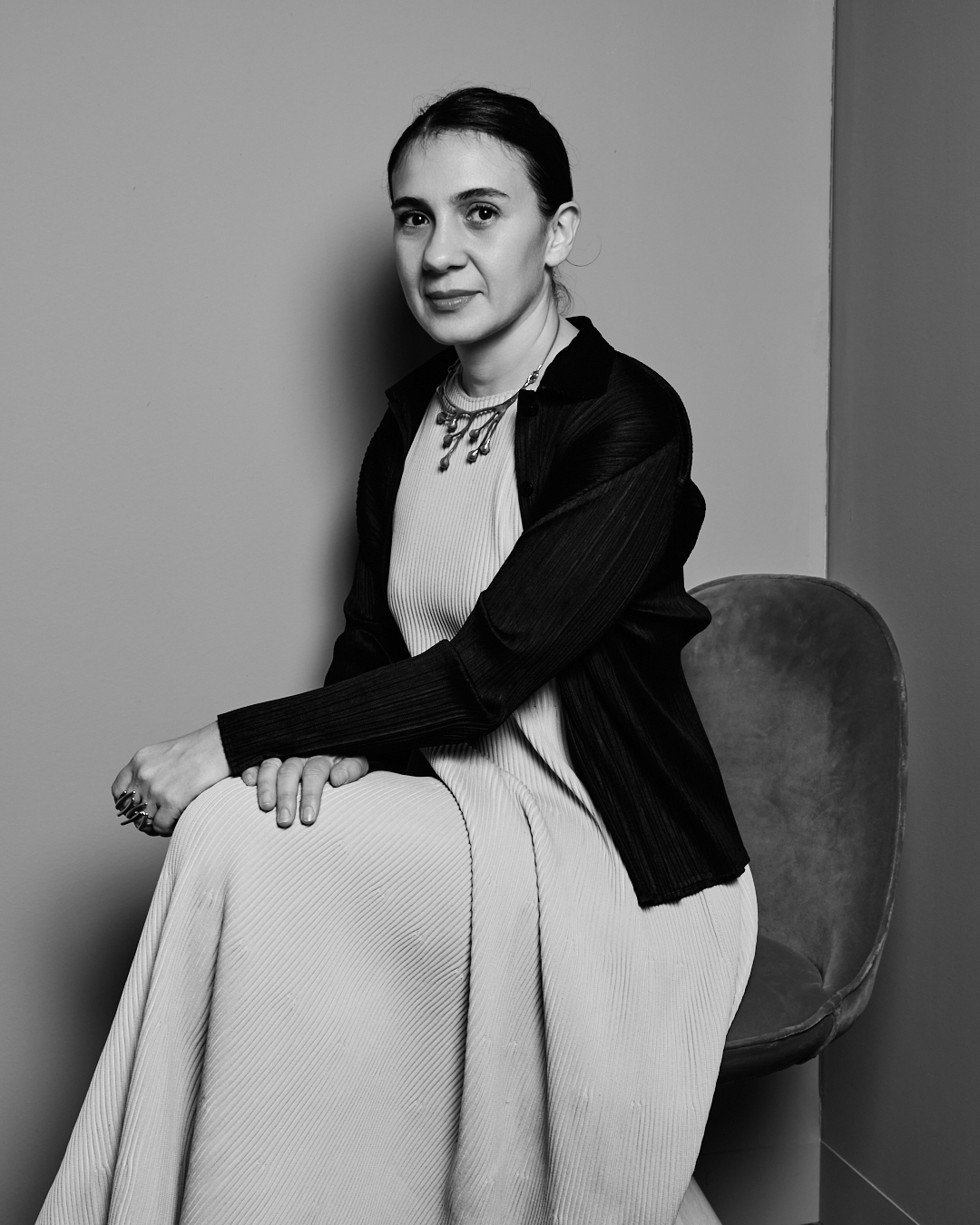
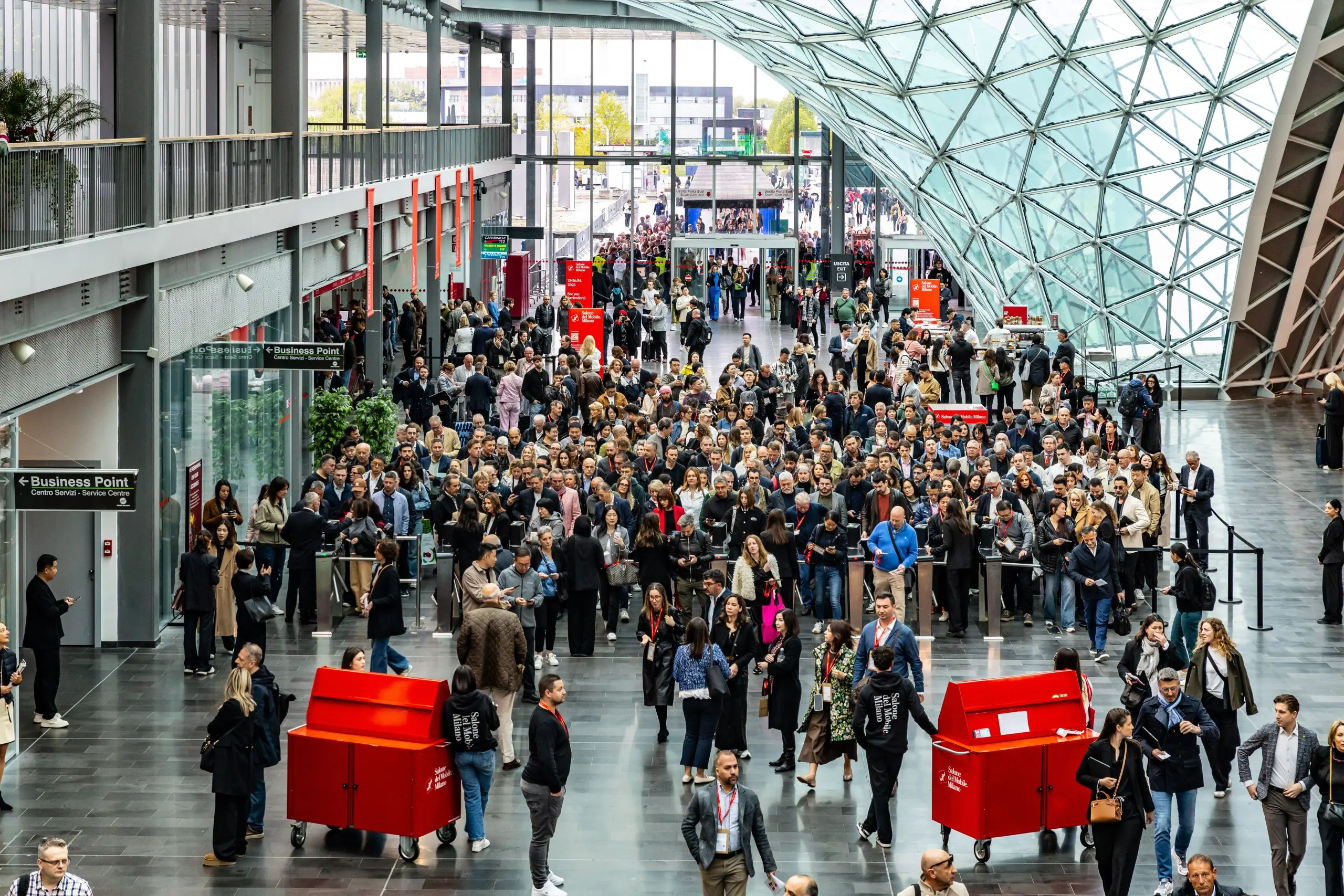
In the global design calendar, few institutions command the cultural gravity of Salone del Mobile Milano. For over six decades, the fair has shaped conversations around design, craftsmanship, and innovation, drawing architects, brands, collectors, and creatives from across continents to Milan each April. At its helm is Ms Maria Porro, President of Salone del Mobile Milano, who is steering the iconic platform through a moment of profound transformation in the design industry. “Design needs to be experienced, not only viewed,” she believes, and in this interview, she reinforces that in a digital first world, physical encounters remain irreplaceable.
From the evolving definition of luxury to the growing significance of India as a market for Made in Italy design, Porro reflects on how the Salone continues to bridge physical experience and digital dialogue while remaining a global observatory for the future of design.
In Conversation With Maria Porro
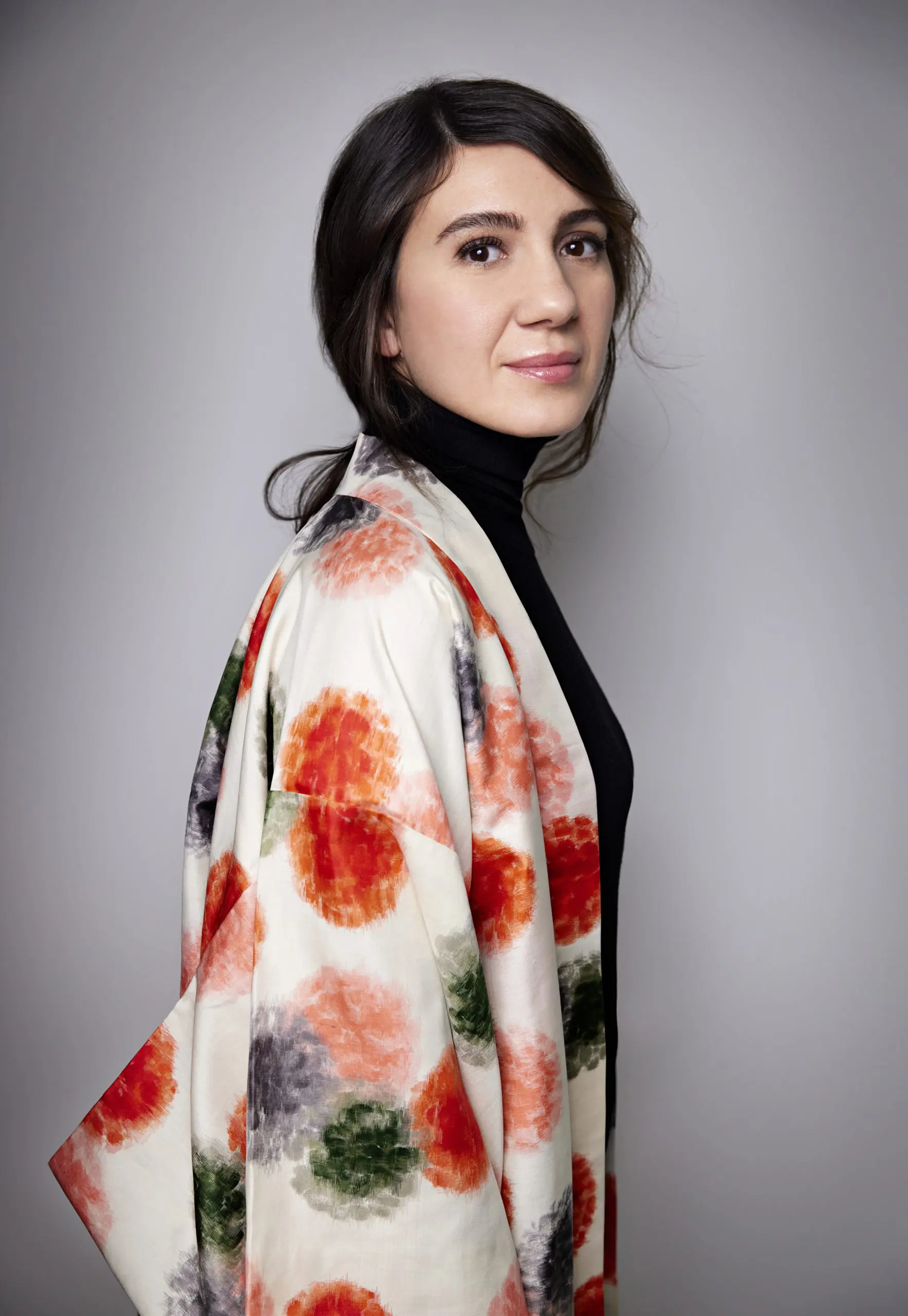
“A screen can tell a story, but it cannot transmit the emotional atmosphere of a space.” In an exclusive chat with LuxeBook, Maria Porro of Salone del Mobile discusses why design fairs remain vital, how the event has evolved, and why India is emerging as a key market for Made in Italy design.
LuxeBook: Why do design fairs like the Salone del Mobile still matter in a digital first world?
Maria Porro: Even in a digital first world, I believe physical encounters are irreplaceable. At Salone del Mobile Milano we see every year that design needs to be experienced, not only viewed. A screen can communicate an image, even a story, but it cannot transmit weight, texture, proportion, or the emotional atmosphere of a space. Design is a physical language. It speaks through materials, light, sound, and human interaction. The Salone is also about concentration. In a few days, Milan becomes a global meeting point where the entire supply chain, from manufacturers to architects to young designers, engages in direct dialogue. Business is conducted, of course, but more importantly, relationships are built and visions are shared. In a fragmented digital landscape, this density of exchange becomes even more valuable. The fair does not compete with digital platforms. It completes them.
LuxeBook: How has Salone’s role changed over the years?
Maria Porro: The Salone was born as a commercial platform to support Italian manufacturing excellence. That remains fundamental. However, over time its role has expanded significantly. Today, it functions as a global observatory of change. We no longer present only products. We address themes such as sustainability, circular economy, supply chain transparency, technological innovation, and social responsibility. The Salone has become a cultural platform as much as a business one. It has also become more inclusive and multidisciplinary. And thanks to digital tools, the dialogue extends far beyond the physical week in April. The Salone today is a system of relationships and content that lives throughout the year.
LuxeBook: What makes India a key market for Made in Italy design today?
Maria Porro: India is strategic not only because of its size, but because of the direction it is taking. It is a young, rapidly transforming country where urban development, hospitality and high end residential projects are reshaping lifestyles and expectations. In this context, design is seen as a tool for identity and value, not simply decoration. There is growing demand for quality, tailor made solutions and strong cultural content, areas where Made in Italy expresses its greatest strength. At the same time, India’s deep artisanal heritage creates a natural dialogue with Italian manufacturing know how. For us, this is not just a commercial opportunity. It is about building long term partnerships, creating structured relationships and accompanying a market that is evolving with ambition and awareness
LuxeBook: With luxury spaces becoming homogenised globally, how can designers reclaim identity and local relevance?
Maria Porro: Globalisation has produced a certain aesthetic uniformity. The same materials, the same palettes, the same visual language repeated across continents. To counter this, designers must begin from context rather than trend. Climate, light, cultural habits, social rituals, local craftsmanship: these elements should guide design decisions from the outset. Identity cannot be applied at the end as decoration. It must be embedded in the structure of the project. I also believe that the concept of luxury itself is changing. Increasingly, luxury is linked to longevity, authenticity, and responsibility. A space that ages well, that reflects its environment, that uses materials thoughtfully and respects local knowledge will always feel more meaningful than a generic statement replicated anywhere.

LuxeBook: What will define the future of design in the next decade?
Maria Porro: Responsibility will be the defining factor. Environmental responsibility, certainly, but also social and cultural responsibility. Designers will think in terms of systems rather than isolated objects. Lifecycle, repairability, reuse, and transparency will become integral to the creative process. Technology will support this transformation, improving efficiency and customization, but without replacing the physical experience that remains central to design. Finally, wellbeing and inclusivity will gain prominence. Design will increasingly address comfort, accessibility, acoustic and visual quality, and emotional balance. The future of design is not about producing more. It is about producing better. And platforms like the Salone will continue to serve as places where industry and culture meet to shape that shared vision.
As design navigates a future shaped by sustainability, cultural awareness, and technological advancement, the role of global platforms like Salone del Mobile Milano becomes even more vital. Under the leadership of Ms Maria Porro, the fair continues to evolve beyond a marketplace into a powerful cultural forum where ideas, industries, and identities intersect. In an era defined by digital connectivity, the enduring value of physical design experiences, dialogue, and craftsmanship remains unmistakably clear.
You may also read: What Does Luxury Marketing Look Like in 2026?