Luxury cars are having a moment in 2026
- Automobile Featured
 Luxebook
- 7 minutes read

The latest wave of luxury car launches is here to give a lesson or two in indentity shift. From silent electric grand tourers to hyper-intelligent sedans that learn your driving habits, brands are rewriting what luxury even means in 2026. You’ll spot cabins that feel like private lounges, design languages that blur the line between automotive and couture, and whatnot. Whether it’s Rolls-Royce leaning deeper into bespoke electric opulence or Audi pushing digital precision to new extremes, the new lineup of luxury cars is too hard to miss.
Mercedes-Benz V-Class facelift

Launched in India in March 2026 at an introductory price of ₹1.40 crore, the Mercedes-Benz V-Class facelift marked the return of the brand’s flagship luxury MPV after a three-year hiatus. Positioned in the ultra-premium people-mover segment, the facelifted model brings subtle exterior updates alongside a significantly upgraded cabin, offered exclusively in an extra-long wheelbase (ELWB) format measuring over 5.3 metres. It’s powered by both a 2.0-litre turbo-petrol mild-hybrid (producing around 231 PS plus an additional electric boost) and a 2.0-litre diesel engine (up to 237 PS and 500 Nm), both paired with a 9-speed automatic transmission. Inside, the six-seater configuration leans heavily into lounge-like luxury with reclining captain seats, ventilation, massage functions, a Burmester sound system, 64-colour ambient lighting, powered sliding doors, and multiple seating layouts including a “conference” setup. On the safety front, it packs seven airbags, ADAS features, a 360-degree camera, and advanced driver assistance tech, reinforcing its positioning as a chauffeur-driven luxury suite on wheels, competing with the likes of the Lexus LM and Toyota Vellfire.
Tesla Model Y
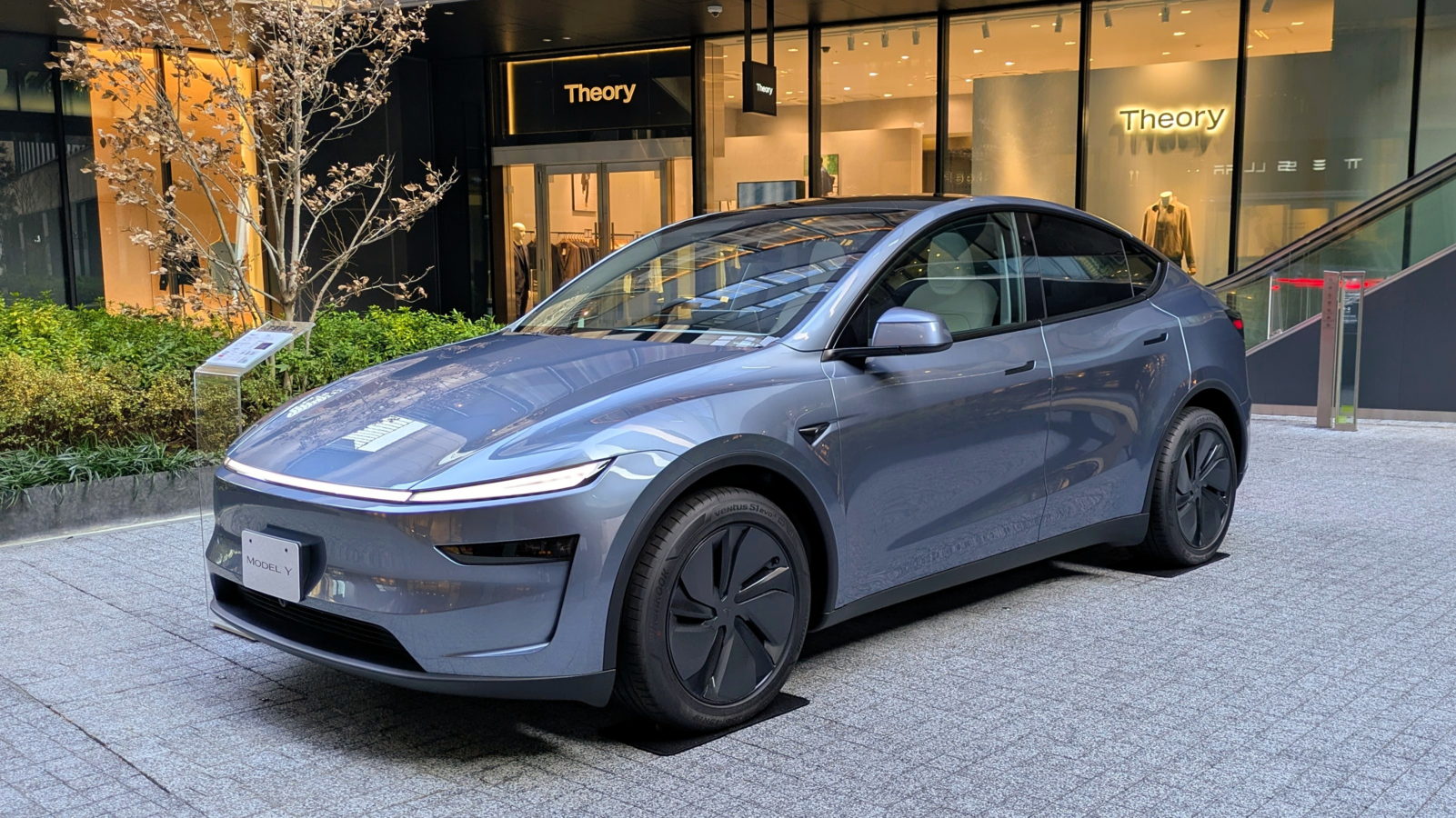
The long-awaited India entry of Tesla finally took shape with the launch of the Tesla Model Y, priced at ₹59.89 lakh. Offered in three variants: Rear-Wheel Drive, Long Range RWD, and the newer Long Wheelbase AWD, the Model Y delivers a claimed range between 500 km and 681 km (WLTP), depending on the configuration. The base version uses a 60 kWh battery, while higher trims get larger packs and dual-motor setups, enabling 0–100 km/h in as quick as 5 seconds and a top speed of around 201 km/h. Built on Tesla’s minimalist design philosophy, it features a clean, tech-forward cabin anchored by a 16-inch central touchscreen (with an additional rear display), over-the-air software updates, and optional Full Self-Driving capability at an added cost. Practicality remains a strong suit, with seating for up to five-six, a large 2,100+ litre cargo capacity, and fast-charging capability that can add nearly 280 km of range in just 15 minutes via Tesla’s Supercharger network.
Mini Cooper S Convertible JCW Pack
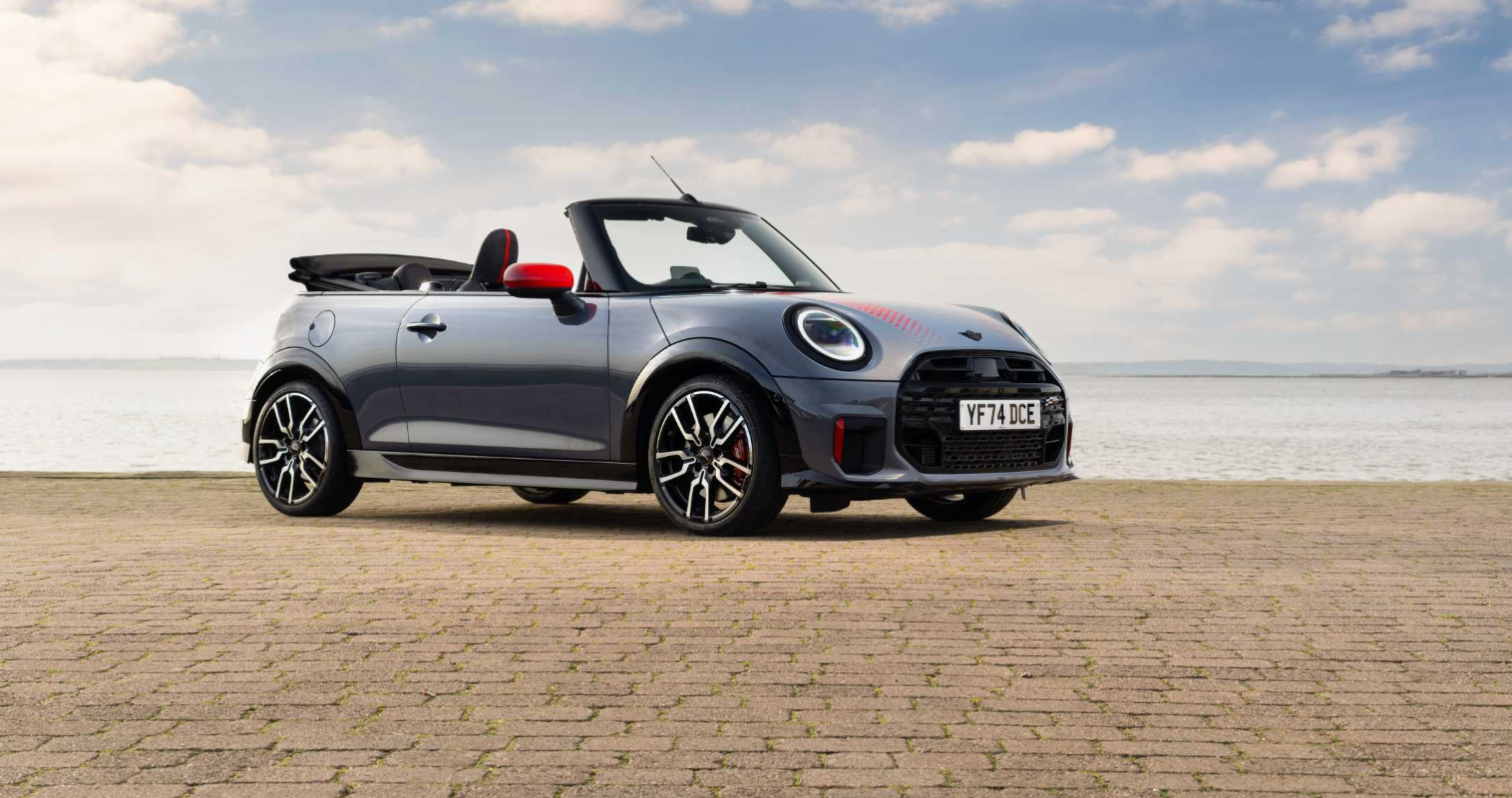
The Mini Cooper S Convertible JCW Pack has been launched in India at ₹61.50 lakh (ex-showroom), positioning itself as a niche, limited-run lifestyle offering that blends open-top motoring with the brand’s signature sporty edge. Brought in as a completely built unit (CBU), the new variant builds on the standard Cooper S Convertible with John Cooper Works-inspired styling upgrades like blacked-out elements, sportier bumpers, JCW sports seats and steering, and a more aggressive visual identity while retaining its mechanical core. Powered by a 2.0-litre turbo-petrol engine producing around 204 hp, the convertible continues to deliver MINI’s trademark “go-kart” handling, sprinting from 0–100 km/h in under 7 seconds. With limited availability and a premium of roughly ₹2.5–3 lakh over the standard model, the JCW Pack is designed for buyers who see driving as an experience.
2026 Audi A6
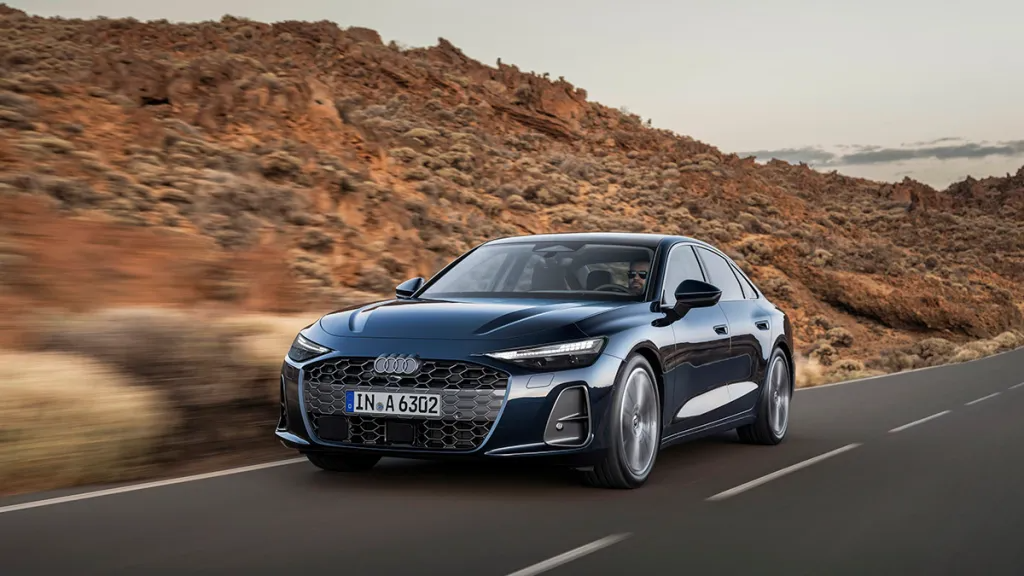
Scheduled to arrive in the Indian market around April to July 2026, the 2026 Audi A6 arrives as a thoroughly re-engineered executive sedan. Built on Audi’s latest Premium Platform Combustion architecture, the new A6 is now V6-only in key markets, powered by a 3.0-litre TFSI turbocharged engine producing around 362 hp and 406 lb-ft of torque, paired with a 7-speed dual-clutch transmission and standard quattro all-wheel drive, enabling a 0–100 km/h sprint in roughly 4.5 seconds. It also introduces mild-hybrid assistance (MHEV Plus) for improved efficiency and smoother driving, along with optional rear-wheel steering, adaptive air suspension, and torque-vectoring differentials for enhanced dynamics. Inside, the sedan leans heavily into digital luxury with a 14.5-inch MMI touchscreen, an 11.9-inch driver display, and optional Bang & Olufsen 3D sound system, while exterior updates bring a sleeker, more sculpted design with Matrix LED lighting. Dimensionally, it remains a full-size executive sedan at nearly 4.9 metres long with a five-seat layout and generous boot space, while India-spec models are expected to retain a 2.0-litre petrol option (approx. 1984 cc) with an estimated starting price of around ₹70 lakh upon launch.
Rolls-Royce Project Nightingale
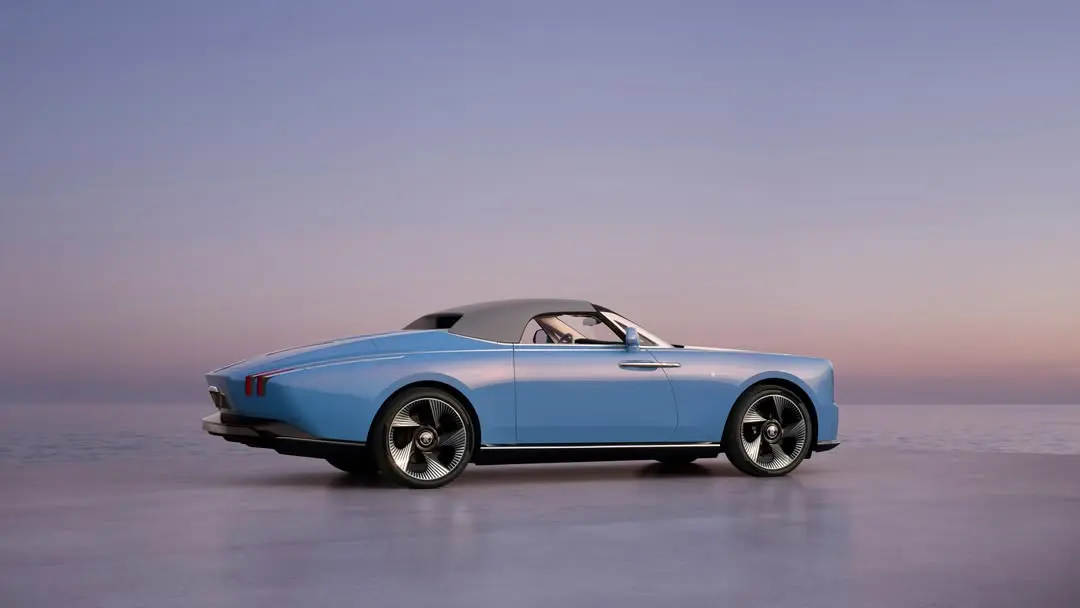
Rolls-Royce Project Nightingale marks the marque’s most indulgent pivot into electrification yet; a limited-edition, open-top two-seater that feels like a moving piece of couture. Unveiled as part of Rolls-Royce’s ultra-exclusive Coachbuild programme, the fully electric convertible stretches an imposing 5.76 metres in length and rides on dramatic 24-inch wheels (the largest ever fitted to a Rolls-Royce) while housing just two seats for an intentionally intimate, design-led experience. Inspired by the brand’s 1920s EX prototypes, the silhouette leans into a sleek, torpedo-like form with a tapered rear, blending heritage cues with futuristic minimalism. Though exact powertrain details remain under wraps, it is expected to share architecture with the Rolls-Royce Spectre which features a dual-motor setup producing up to 650 hp. Inside, the cabin doubles down on spectacle with a bespoke “Starlight Breeze” headliner featuring over 10,000 illuminated fibre-optic stars, alongside fully customisable materials and finishes. With production capped at just 100 units and deliveries expected from 2028, the Nightingale signals that the future of ultra-luxury mobility will be quieter and far more personal.
You may also read: BMW Takes the Lead over Mercedes-Benz in Q4 FY2026