India’s most beautiful palace-turned hotels
- Featured Travel & Hospitality
 Anushka Manik
- 7 minutes read

Who hasn’t dreamt of wandering through grand historic palaces dressed in perfect Cinderella outfits? Cut to two decades later, some of the luxury hotels we end up reviewing are modern day palaces, just how I dreamt about them as a child. (Yes, I give manifestation workshops on the weekends.)
But despite checking into some of the finest properties across India, what still excites me the most are the palaces where royalty once lived, celebrated and shaped history. I think we all can agree there’s something whimsical about walking through corridors that have witnessed generations of kings, queens and royal traditions. Today, many of these magnificent residences have found a new lease of life as heritage hotels, opening their doors to modern travellers who want a glimpse into a bygone era. Read on to know about the most beautiful palace-turned hotels in India.
Rambagh Palace, Jaipur

Long before Rambagh Palace became one of India’s most celebrated palace hotels, the sprawling estate served many lives, from the residence of a royal handmaiden in the 19th century to a hunting lodge and eventually the principal home of Jaipur’s Maharaja Sawai Man Singh II and Maharani Gayatri Devi. Today, its grand Mughal gardens, hand-carved marble latticework, sweeping corridors and opulent suites offer guests a glimpse into a world once reserved for royalty. Indulge in afternoon teas on manicured lawns, heritage walks through storied halls and dinners under the stars for a living encounter with history.
Book here.
Taj Lake Palace, Udaipur

If you’re ever been to Udaipur, I’m sure you’re aware of the romance of the Taj Lake Palace. Floating like a marble mirage on the tranquil waters of Lake Pichola, the 18th-century palace was originally built in 1746 as the pleasure retreat of Maharana Jagat Singh II. Now, it’s accessible only by boat and has since transformed into one of India’s most iconic luxury hotels, yet it has lost none of its cinematic allure. Over the decades, the palace has welcomed everyone from global dignitaries to Hollywood stars, famously serving as a backdrop in the James Bond film Octopussy.
Book here.
Umaid Bhawan Palace, Jodhpur

Perched above Jodhpur like an apparition carved from the desert itself, Umaid Bhawan Palace is often photographed for its sheer scale, but its real significance lies in what it represents. Commissioned by Maharaja Umaid Singh during a period of devastating famine in the 1920s, the palace was conceived as a relief project that provided employment to thousands of local workers, turning architecture into economic intervention long before that language became fashionable. Designed in an Indo-Deco style, the palace remains one of the world’s largest private residences, with part of the complex still occupied by the Jodhpur royal family. As a palace-turned-hotel, it offers a living continuum in which state apartments, royal memorabilia and contemporary hospitality coexist under the same sandstone dome.
Book here.
Taj Falaknuma Palace, Hyderabad
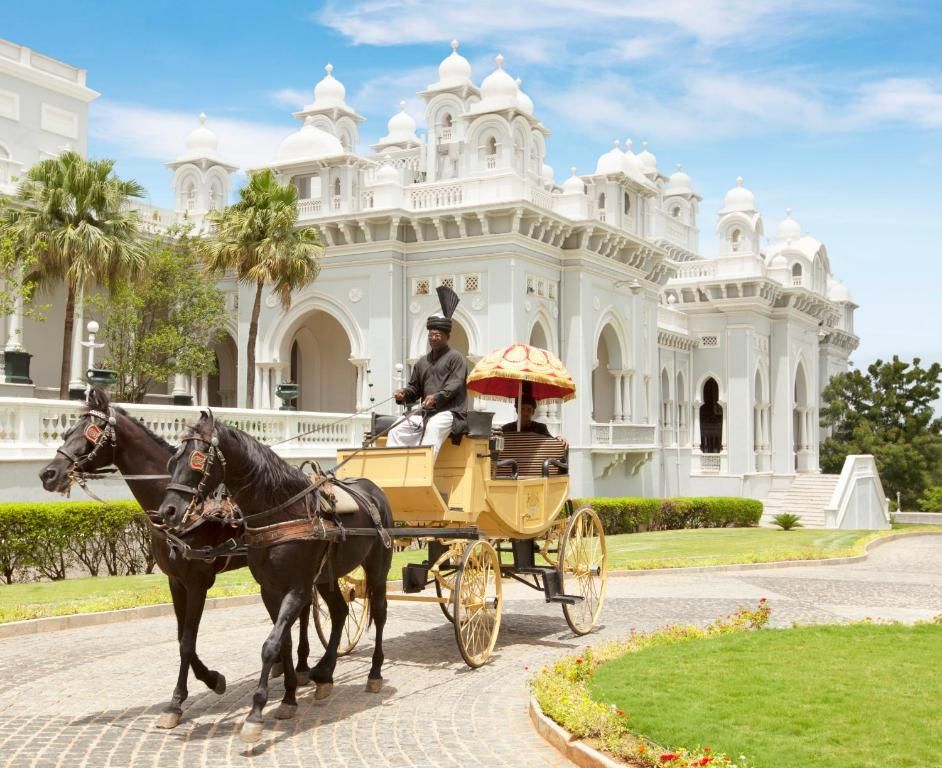
Built in 1894 by Nawab Sir Viqar-ul-Umra, the Prime Minister of the erstwhile Hyderabad State, the palace was designed to mirror the grandeur of European aristocratic residences while remaining deeply rooted in Deccani culture. Its name, Falaknuma, translates to “Mirror of the Sky”, an apt description for a palace that seems to float above the city. Back around the 1890s, it was restored by the Taj Group, offering the best of Hyderabad. From arriving in a horse-drawn carriage and ascending the palace’s sweeping staircase to dining beneath Venetian chandeliers and wandering through halls lined with priceless manuscripts, every experience evokes the opulence of one of the world’s wealthiest royal dynasties.
Book here.
RAN BAAS The Palace, Patiala

Set within the sprawling Qila Mubarak complex in Patiala, RAN BAAS The Palace is a living chapter of Punjab’s royal history. It was once the guest quarters of the erstwhile Patiala royal family, and now has been painstakingly restored to reveal its original grandeur. What makes it compelling is its ability to balance historical authenticity with modern luxury. Guests can wake up within the walls of a 250-year-old fort, dine on recipes inspired by the royal kitchens of Patiala, and experience a side of Punjab that extends far beyond its popular stereotypes.
Book here.
The Belgadia Palace, Odisha
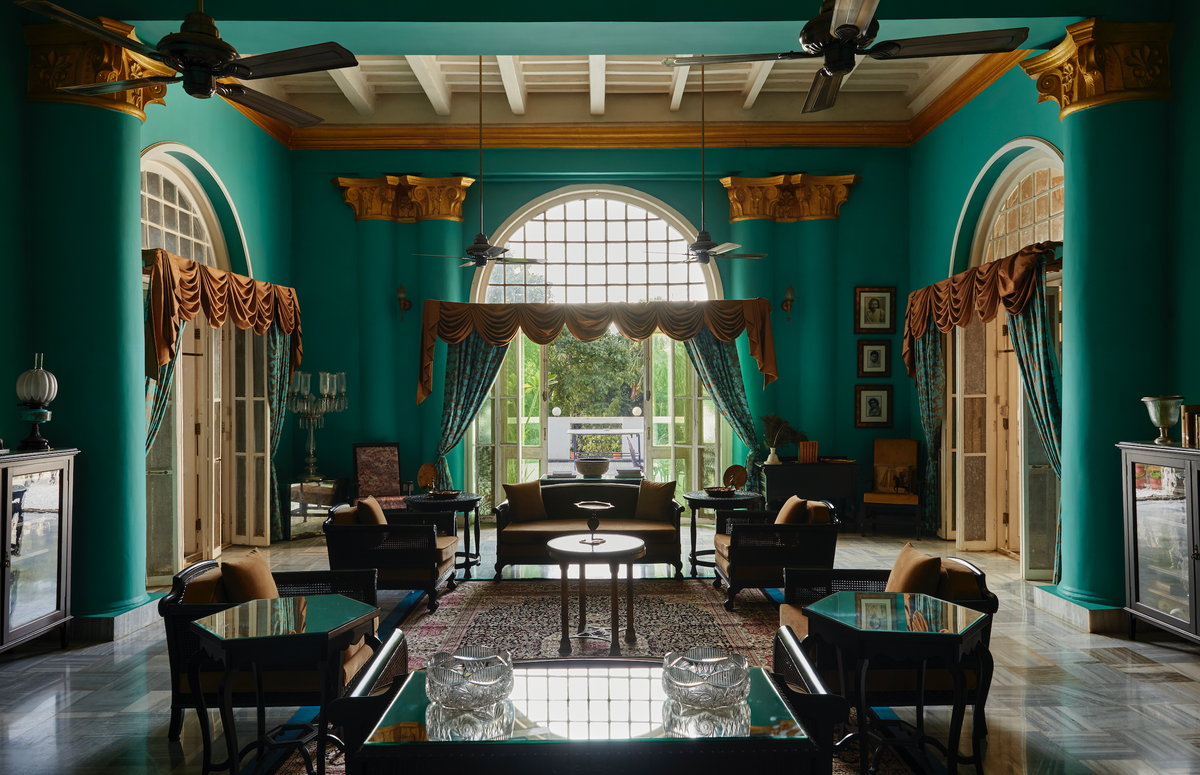
The Belgadia Palace, tucked away in the heritage town of Baripada, is where you find a refreshingly different take on royal hospitality. Built in the early 1800s by the Bhanja dynasty of Mayurbhanj, the Victorian-era mansion with its Georgian flourishes was originally envisioned as a residence for visiting dignitaries and distinguished guests. Today, lovingly restored by Princesses Mrinalika and Akshita Bhanj Deo, it functions as a boutique heritage hotel that’s known for its elegant suites and manicured grounds, being a gateway to Odisha’s rich artistic traditions (from Mayurbhanj Chhau and Dokra craftsmanship).
Book here.
You may also read: A look at Hyderabad’s culinary renaissance