In Conversation: With Henrik Jyrk, When Nordic Cuisine Meets Indian Soul
- Featured Food & Beverage
 Yashita Damani
- 9 minutes read

Henrik Jyrk is an award-winning Chef from Copenhagen, celebrated for his bold and innovative approach to Asian fusion cuisine. Former co-owner and head chef of acclaimed restaurants KUL and Naes, he earned accolades including Denmark’s Best Bistro Award (2014) and Best Restaurant Outside Copenhagen (2018).
As the creator of Restaurant IBU, winner of Best Exotic/Spicy Restaurant in Denmark (2018), Jyrk has become a culinary trendsetter. A familiar face on Danish television, he is a regular chef on “Go’ Morgen Danmark” and a two-time champion of Denmark’s largest national cooking competition, “Sol Over Gudhjem.”

There is a quiet confidence to Henrik Jyrk’s cooking. Rooted in Copenhagen and guided by instinct rather than prescription, his cuisine does not announce itself loudly. It listens first. To the season. To the climate. To the land it finds itself in. When Jyrk arrived in India for a culinary collaboration at the Taj, the brief was not to replicate Nordic food on Indian soil but to translate its philosophy. Seasonal. Intuitive. Honest. The challenge was never about technique but temperament. How does one bring Nordic restraint into a country defined by abundance without diluting either?
Globally, vegetarian dining is no longer a trend. It is a reckoning. For Jyrk, the shift is both ethical and inevitable. In Denmark, meat consumption was once excessive, nearly ritualistic. Over time, that excess revealed its cost on health and environment. Today, even the most serious Nordic kitchens are reorienting themselves around vegetables. India, in many ways, feels ahead of the curve. Here, the balance is almost instinctive.

If this lunch were to become a chapter in Jyrk’s culinary memoir, the memory would not begin on the plate. It would begin with people. The warmth. The generosity. The tolerance. The spirit of Indian hospitality left a deeper impression than any ingredient ever could. It is a kind of luxury that cannot be plated or priced.Then come the spices. Not heat, but depth. Not spectacle, but intelligence.

“It is not easy, but there are more common points than we think. Seasonality is one of them. The temperature here feels like summer to me, so I wanted to create a lighter menu. Tomatoes, summer vegetables, fresh bread: these are very Danish ideas, but they sit naturally within Indian food. We always cook seasonally, so instead of forcing Nordic food onto India, I respond to the climate and the ingredients around me.”Henrik Jyrk
Letting Climate Lead the Menu
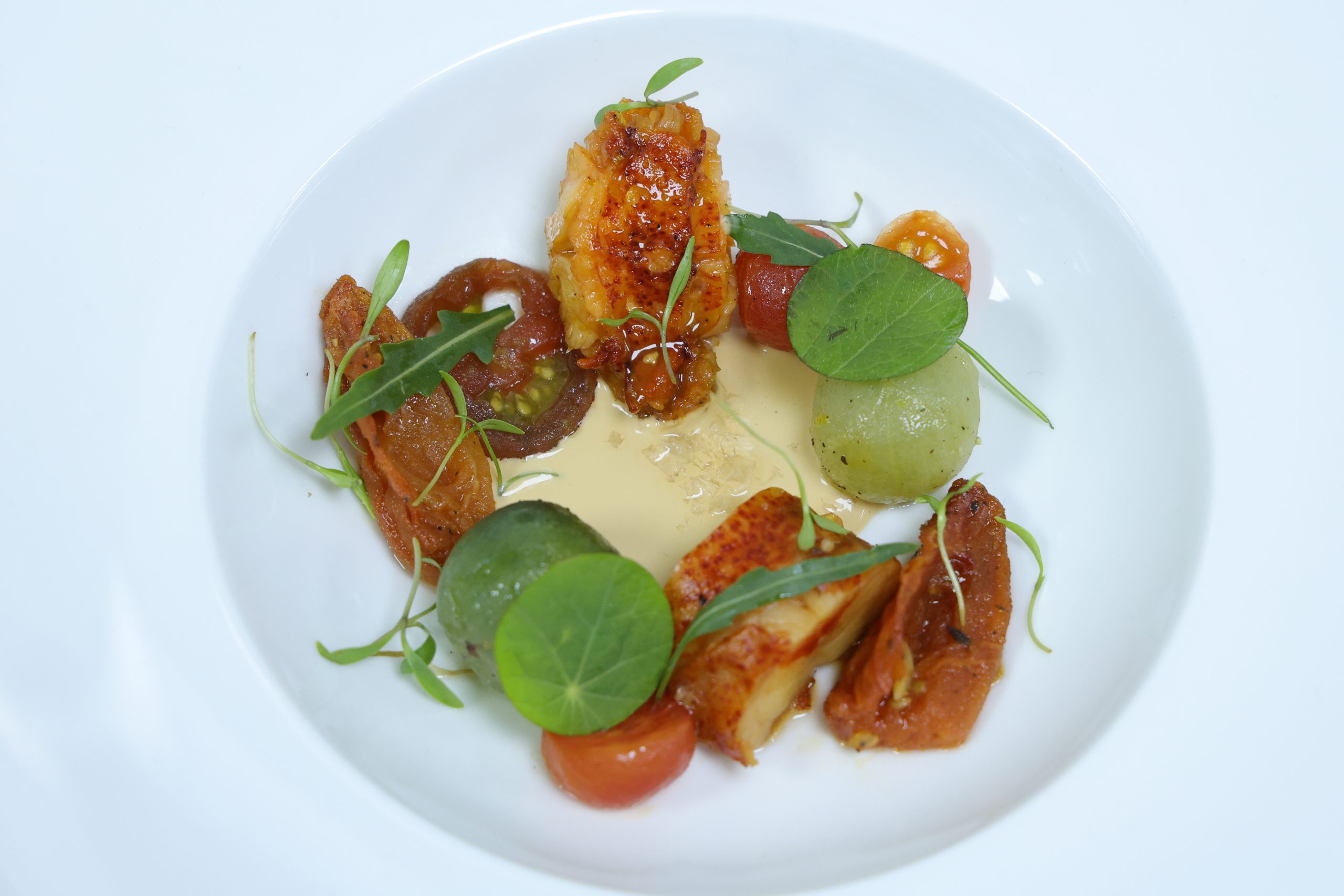
The answer lay in the weather. For Jyrk, India felt like summer. And summer, in Denmark, is light. Tomatoes are at their best. Vegetables are tender. Bread is simple but soulful. Instead of forcing geography onto the plate, he allowed climate to lead. The menu followed naturally.
Why Vegetarian Dining Is No Longer a Choice but a Responsibility

LuxeBook: Nordic cuisine is often associated with seafood and meat, yet vegetarian dining is seeing a global renaissance. How do you approach this shift.
Henrik Jyrk: Today it is a must. In Denmark I always offer two menus, one vegetarian and one non vegetarian. There it might be ninety ten, but here it is almost fifty fifty. And I think that is a very good thing. We need to eat more vegetables. There is nothing wrong with meat, but we used to eat far too much of it. It is not healthy and it is not good for the environment. Even in Denmark, chefs at a high level are now cooking much more with vegetables.
At its core, Nordic cooking is deeply seasonal. That is where its kinship with Indian food quietly reveals itself. Not in flavour profiles, but in philosophy. Cooking what the land offers. Respecting time. Letting ingredients speak. In Jyrk’s kitchen, vegetables are not secondary. They are central. Fish and seafood appear often. Meat, rarely. Even in his 18 course menus, only a single dish might feature meat. Vegetarian and non vegetarian menus exist side by side, equally valued. It is not restriction. It is awareness. Luxury, Jyrk believes, is no longer about indulgence alone. It is about responsibility. Eating well now means eating thoughtfully.
Cooking With What the Land Allows

LuxeBook: How does seasonality affect that approach, especially in a place like Denmark.
Henrik Jyrk: Winter is difficult for vegetables in Denmark because it is freezing. But summer is beautiful. That is when everything grows and that is when we can really cook in a seasonal way. You have to respect what the land gives you.
Seasonality remains the anchor. In Denmark, winter is unforgiving. Vegetables are scarce. The cold dictates restraint. But summer rewards patience. Everything grows. Everything tastes alive. That rhythm is mirrored differently in India, but the principle remains unchanged. You cook what the season allows. Nothing more. Nothing forced.
The Spirit of India Beyond the Plate

LuxeBook: If this lunch were to become a chapter in your culinary memoir, what would you want diners at the Taj to take home with them.
Henrik Jyrk: The first thing is not culinary at all. It is the spirit of the Indian people. They are kind, warm, tolerant and generous. That is something we can learn from. Of course, we will also take back the understanding of spices: how to use them properly so even a carrot tastes incredible. Nobody wants bland food. And yes, we will probably steal a few curry ideas as well. The culture, the mentality, the warmth: that is what will stay with me.
A carrot should taste extraordinary. Bland food has no place in any serious kitchen. Indian cuisine, Jyrk admits with a smile, has much to teach the Nordic palate. And yes, a few curry ideas may quietly find their way back to Denmark.”I only wish I could take the weather back too”, he laughs.
On Originality, Influence and Being True to the Self

LuxeBook: Finally, what advice would you give to young chefs navigating the fine dining and Michelin world today.
Henrik Jyrk: Be true to yourself. Be inspired, but cook the food you believe in. Originality matters. Everyone inspires each other, and that is natural. But the most important thing is honesty: cook what you genuinely think is good.
For chefs navigating the rarefied world of fine dining and Michelin stars, Jyrk’s advice is disarmingly simple. Be true to yourself. Inspiration is inevitable. Influence is natural. But originality lives in honesty. Cook what you believe in. That belief, more than technique or recognition, is what endures. In the end, this conversation is not about Nordic food in India or Indian food through a Nordic lens. It is about respect. For season, and for culture. In a world obsessed with more, that may just be the most luxurious idea of all. And who knew a Michelin star chef would talk about people and their nature before plates.