What the Global Slowdown Means for India
- Fashion Featured Retail
 Yashita Damani
- 14 minutes read

Luxury has always been a game of perception. Expensive, coveted, untouchable. No discounts, compromise, or second-guessing. But the rules and expectations are quietly shifting. After years of steep price hikes, (sometimes faster than inflation), shoppers are finally asking a simple question: Is it really worth it? The global market right now, much like the rest of us is showing signs of fatigue. After years of relentless price hikes, consumers are pushing back. Data from 2025 reveals that up to 40% of designer goods were sold at discounted prices (a level not seen in over a decade).
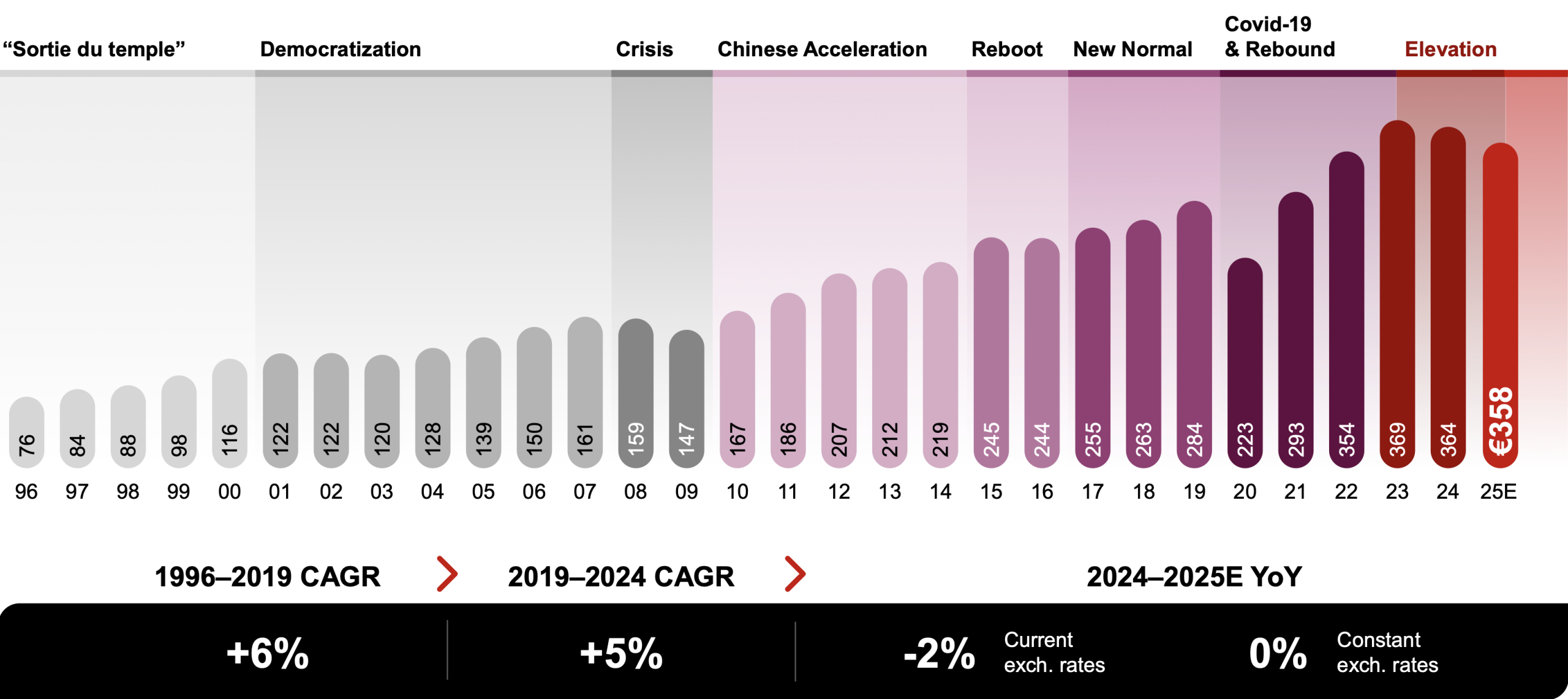
Luxury houses from LVMH to Kering are responding with cost-cutting measures, slower expansion, and portfolio reassessments. Margins are down to 15-16%, near levels last seen in 2009, and shoppers are increasingly questioning the value behind the hefty price tags.
Brands may slow new store openings, prioritise profitability over footprint, and focus on high-rotation categories such as handbags, watches, and jewellery rather than experimental launches.
How Global Price Pressure Travels to India
Luxury brands operate on global pricing logic. When margins tighten in Europe, the US, and China, strategy changes ripple across markets including India. While deep discounting remains limited in Indian flagship stores, the broader reset is likely to influence pricing and product strategy in the country.
Our country is one of the fastest-growing markets for luxury consumption, and is likely to feel the effects of this global recalibration to the maximum. Over the past few years, luxury brands have aggressively expanded in India, opening flagship stores in Mumbai, Delhi, and Bengaluru, while also targeting Tier-II cities with curated experiences.
A slowdown in global demand and rising discount culture could reshape how brands approach the Indian consumer. High-value items (handbags, watches, footwear) may see more promotions or outlet-driven sales. The aspirational middle-class buyer, who has fueled much of India’s luxury growth, may now weigh price more carefully against perceived value.

As global luxury grapples with consumer pushback and visible discounting, Tanushri Biyani, Founder of Anaar, feels the moment calls for a deeper reset rather than louder pricing signals. For her, the Indian luxury consumer is not retreating from spending but reassessing what feels emotionally and materially justified.
“True luxury is not defined by escalation, but by intention,” she says, pointing to a growing disconnect between price inflation and perceived value. Biyani believes desirability today is built through craftsmanship, longevity and relevance rather than aggressive mark-ups.
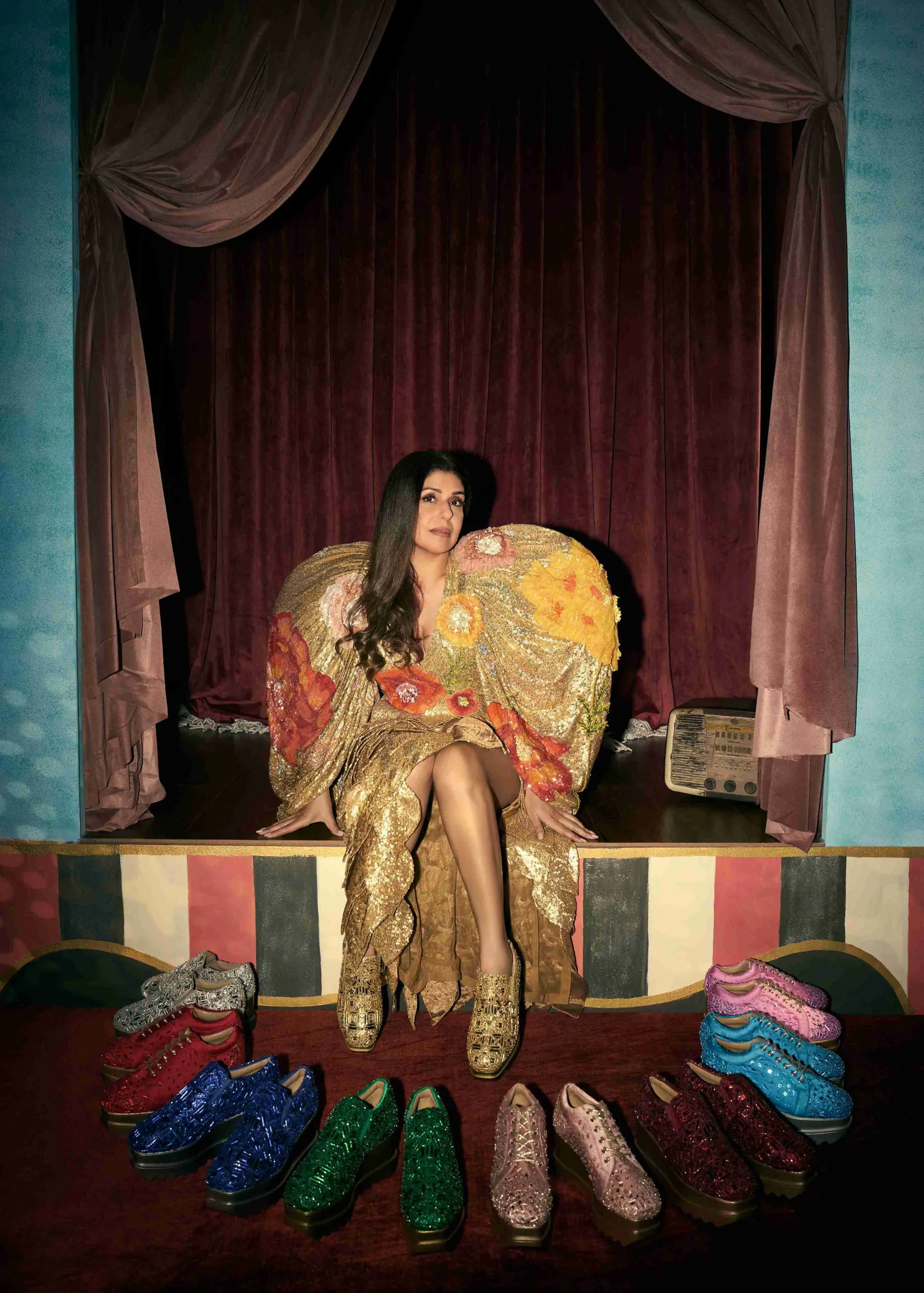
Despite global slowdowns across Europe, the US and China, Biyani feels India operates on an entirely different emotional and cultural rhythm. While margin pressures may shape global strategies, she believes India demands a distinct approach rooted in context, not replication.
Despite outreach to several Indian and international luxury brands for comment, most declined to participate or did not respond by the time of publication.
India’s Luxury Consumer Is Value-Aware

Indian luxury buyers are aspirational but far from passive. Even at the top end, purchase decisions are increasingly driven by perceived value rather than brand name alone. The global slowdown strengthens this mindset.
Buyers are expected to scrutinise craftsmanship, longevity, and emotional relevance more closely. Iconic products may continue to command full price, but discretionary purchases are likely to face greater hesitation.
Shift Towards Experiences Over Products

Globally, luxury growth is moving from goods to experiences: travel, fine dining, wellness, and curated lifestyle events. In India, this trend aligns with a burgeoning high-net-worth cohort seeking more than just logos. Brands may pivot to exclusive events, private previews (most brands already are), and experiential marketing to maintain desirability while keeping margins intact.
As luxury increasingly pivots toward experiences, Biyani feels storytelling has shifted from being an add-on to becoming the core of luxury itself, particularly in India where emotion and celebration are inseparable from consumption.
“Experiential storytelling is no longer an extension of luxury, it is luxury,” she says. From intimate previews to atelier-led moments, Anaar focuses on creating contexts in which products live through personal milestones rather than transactions. Biyani believes that when consumers question price, what they are truly seeking is connection. Experience, she argues, bridges that gap, transforming objects into keepsakes and making luxury feel personal, lived-in and deeply human. For example, the brand name, Anaar, is inspired by the pomegranate symbol of prosperity and love, which reflects the emotional core of celebrations.
What This Means for Multi-Platform Retailers

For multi-brand and digital luxury platforms such as Tata CLiQ Luxury, the shift creates both opportunity and responsibility. As consumers compare prices globally and explore alternatives, platforms that offer curation, trust, and contextual storytelling stand to gain.
Discovery, seasonal edits, and category-led merchandising may become more important than pure brand visibility. Luxury retail in India is moving from aspiration-led browsing to informed selection.
Emerging Designers Could Gain Ground
Another likely outcome: local contemporaries may benefit. As traditional luxury houses grapple with margin pressure, emerging designers are quietly stepping into the spotlight. Indian consumers may increasingly explore brands that offer high-fashion content at lower price points.
The global slowdown might encourage international luxury houses to collaborate with local talent, fostering a market where niche designers can compete with traditional powerhouses, creating a vibrant, diverse luxury ecosystem where niche designers finally get to play in the big leagues.
Dior and Louis Vuitton Hike Bag Prices to Protect Prestige

Luxury is speaking in numbers. Dior and Louis Vuitton have raised flagship bag prices, not merely to offset inflation, but to safeguard margins, maintain scarcity, and control the pace of releases. Within weeks, certain bags jumped from €3,300 to €3,500, a move quickly mirrored by competitors.
Price becomes a strategy. By elevating key models, these houses reinforce desirability, justify boutique investment, and concentrate value around their strongest pieces. Rising material costs, skilled labor, and currency fluctuations further shape pricing, while tight inventories make availability part of the luxury. For buyers, timing and knowledge matter as much as ownership. Savvy clients track lead times, build relationships with advisors, and plan purchases ahead. In today’s luxury economy, price is not just a number, it is a gatekeeper, a measure of access, and a quiet signal of who the brand rewards.
Tariff Cuts and the New Economics of Luxury Mobility
India’s decision to significantly reduce import duties on high end European passenger vehicles under the 2026 India European Union trade agreement adds another layer to this evolving luxury narrative. With tariffs on select European cars falling from the current 70 to 110 percent range to 30 percent initially, and potentially to 10 percent over time, brands such as BMW, Mercedes Benz and Porsche may find greater commercial flexibility in India. While immediate price drops may not be dramatic due to quotas and phased implementation, the policy signals a structural softening in one of the world’s most protected luxury segments. In a market where luxury vehicles account for less than one percent of total passenger vehicle sales, improved access could widen product portfolios and increase availability rather than trigger outright discounting. Much like fashion and accessories, the auto sector reflects the same global tension between margin protection and consumer value sensitivity. Now, India’s policy shift suggests that exclusivity will increasingly be shaped by calibrated access rather than prohibitive taxation.
The Bottom Line
What is quietly emerging alongside these price recalibrations is a more strategic form of luxury discounting, one that no longer signals distress but discernment. Rather than public markdowns, maisons are testing softer levers, private client previews, discreet private sales, regional price arbitrage, and controlled secondary market partnerships. Discounting, once considered taboo, is being rebranded as curation, a way to manage inventory without diluting prestige. In this new luxury economy, value is not reduced, it is redistributed. The full price remains a statement of desire, while access becomes a matter of timing, relationship, and knowledge. Luxury, it seems, is not getting cheaper, it is simply getting smarter about who gets invited in, and when.
In India, the concern is not reduced demand but changing expectations. If value becomes as important as desire, brands will need to communicate worth more clearly than ever. The industry is facing a simple unavoidable truth. Less of a crisis and more a course correction in some regard. Luxury is still coveted, but desire has limits. The emotional pull that once justified eye-watering prices is waning.
Buyers now have the upper hand. Brands will need to work harder to maintain allure while keeping margins intact.
The winners will be brands that justify their price not just through prestige, but through relevance, resonance, and restraint.
You may also read: Karishma Swali on Redefining Craft and Collating the Swali Craft Prize