Dressing the Future: Luxury Fashion Forecast 2026

By: Geetika Sachdev
For most people, the start of a new year comes with a fresh set of resolutions; many of which are abandoned by February. Fashion, too, enters the year with its own promises: new perspectives, revived obsessions, and the occasional nostalgic throwback. Keeping up can feel overwhelming. After all, Pinterest’s annual trend report reveals that trends today are evolving 4.4 times faster than they were just seven years ago.
Between celebrity-approved moments, social-media microtrends, and the cyclical return of Y2K favourites, it’s increasingly difficult to predict what will truly endure and what will fade as quickly as it arrived. To cut through the noise, we turned to a lineup of leading fashion designers and brands to help forecast what 2026 has in store.
From fringes and tassels to a renewed embrace of maximalism and a bolder, more expressive colour palette, here are the key fashion directions set to define the year.
Maximalism, reclaimed
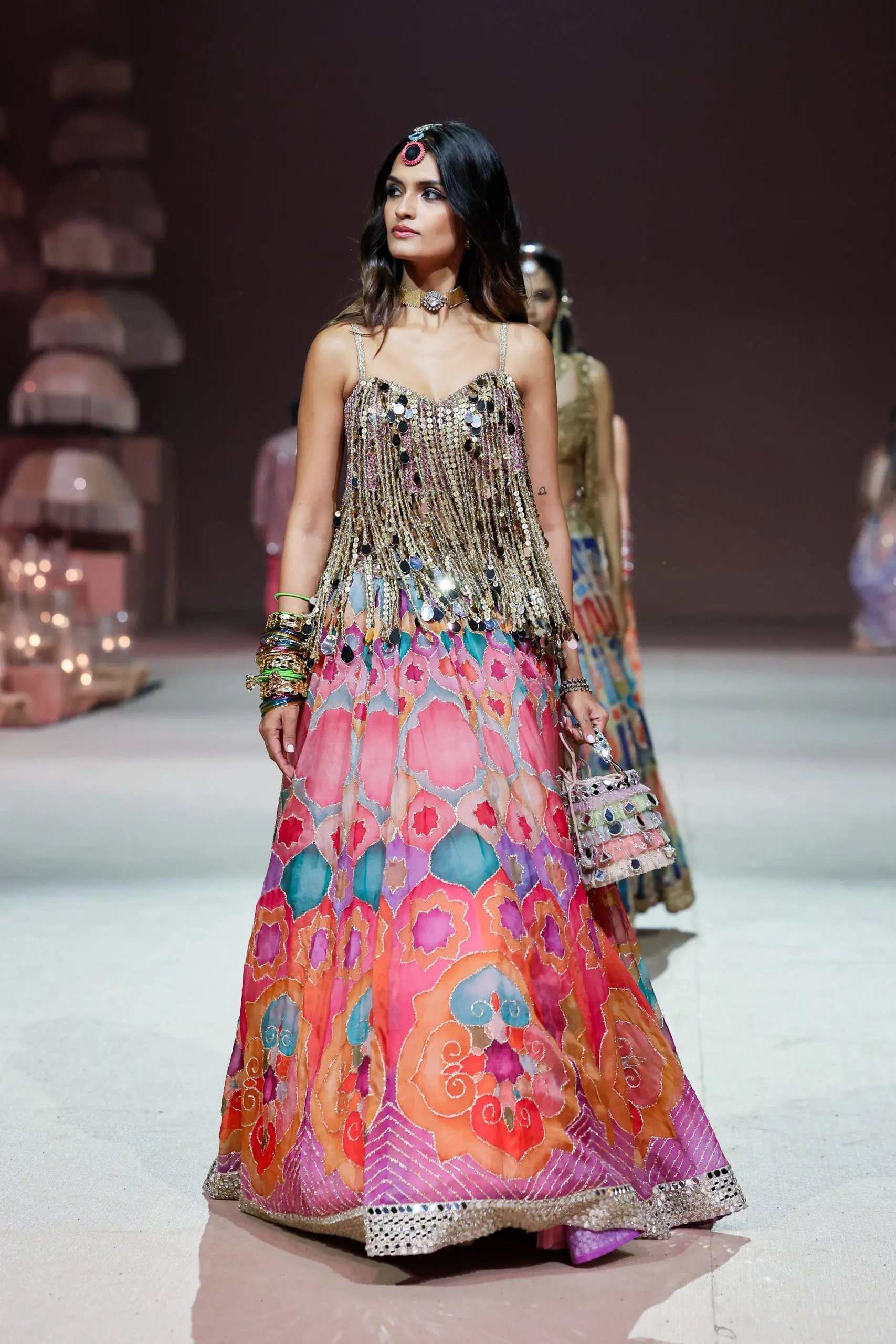
While maximalism never truly left the fashion conversation, designer Varun Bahl believes it was simply waiting for the right cultural moment to reclaim its voice. After years dominated by restraint and pared-back aesthetics, fashion is once again embracing indulgence. “There is a renewed desire for detail, emotion, and expression in clothing,” he says. “Maximalism today is about thoughtful layering, intricate embroideries, rich surfaces, opulent colour palettes, and storytelling through craft.”
Rooted deeply in Indian couture, maximalism’s resurgence feels less like a revival and more like a natural progression. “It reflects confidence, individuality, and a yearning for beauty that feels expressive, celebratory, and deeply personal,” he adds.
Designer Seema Gujral believes the next phase of maximalism will embrace unapologetic glamour. “Designs will become more personal and body-led, where bold choices highlight confidence rather than concealment. Expect form-defining silhouettes, corseted blouses and sculpted fits that celebrate the body, paired with impactful surface detailing,” she shares.
From dramatic necklines and plunging backs to structured bustiers and bold styling, statement-making elements will take precedence over understated detailing. In 2026, maximalism emerges not as excess for excess’ sake, but as a confident, craft-led expression of individuality.
Florals in focus
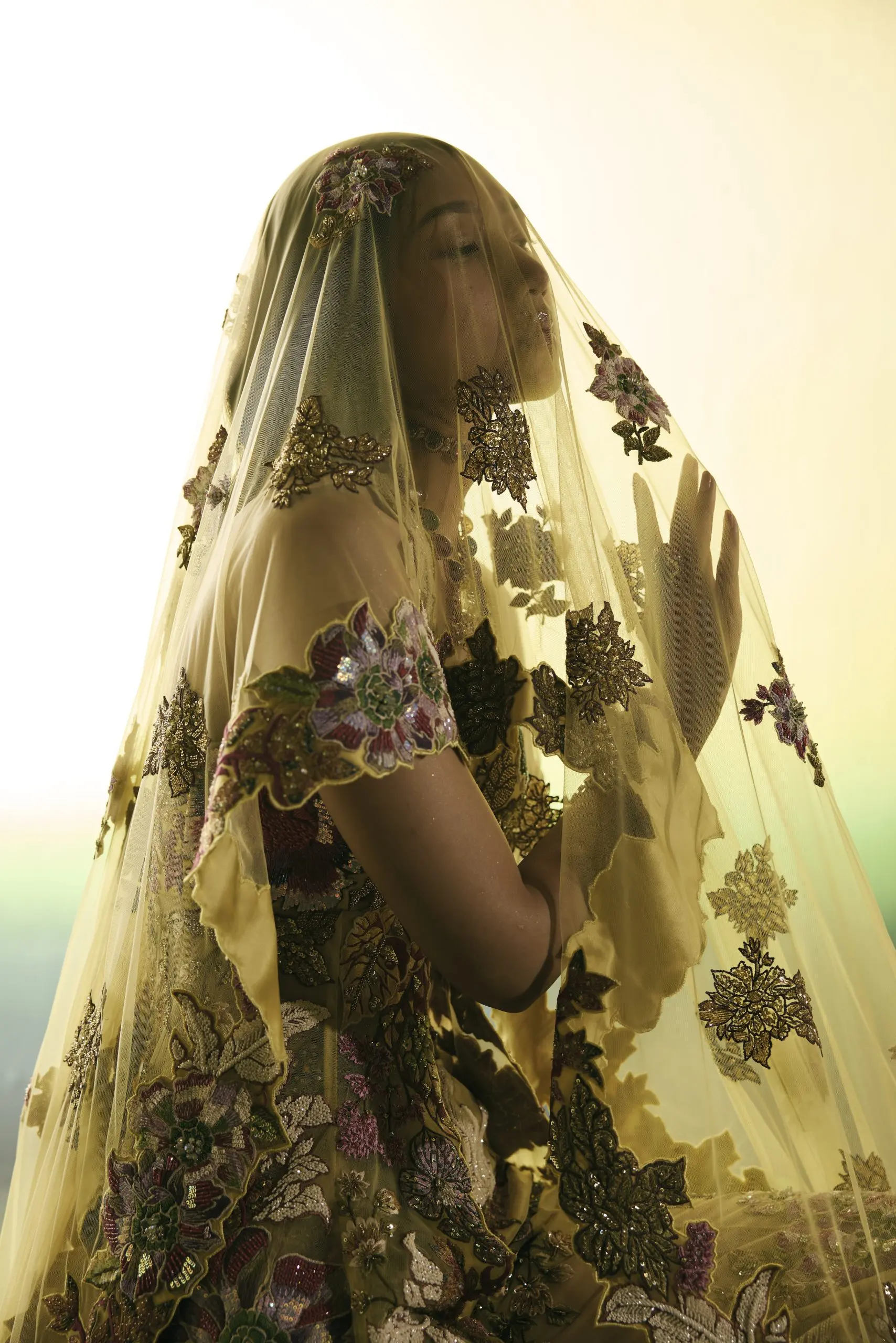
While florals may be timeless, they continue to evolve in form, scale, and emotional expression. For Bahl, florals move beyond surface-level prettiness, carrying a deeper sense of romance layered with quiet strength.
“We are seeing florals move beyond the delicate and dainty into bolder, more graphic, and layered interpretations. They can be oversized, abstract, densely embroidered, or rendered through texture rather than print,” points out Bahl.
No longer confined to seasons or trends, florals today function as a visual language. Whether drawing from Mughal gardens or imagined botanicals, they embody nostalgia, femininity, and power in equal measure. Their appeal lies in their ability to feel both familiar and contemporary, ornamental yet expressive. “Their resurgence speaks to a collective need for softness, beauty, and craftsmanship in an increasingly fast-paced world,” he adds.
In 2026, florals are less about fleeting trends and more about emotion, artistry, and storytelling. They are reimagined not as decorative accents, but as bold, immersive statements woven into the fabric of modern fashion.
Movement takes shape
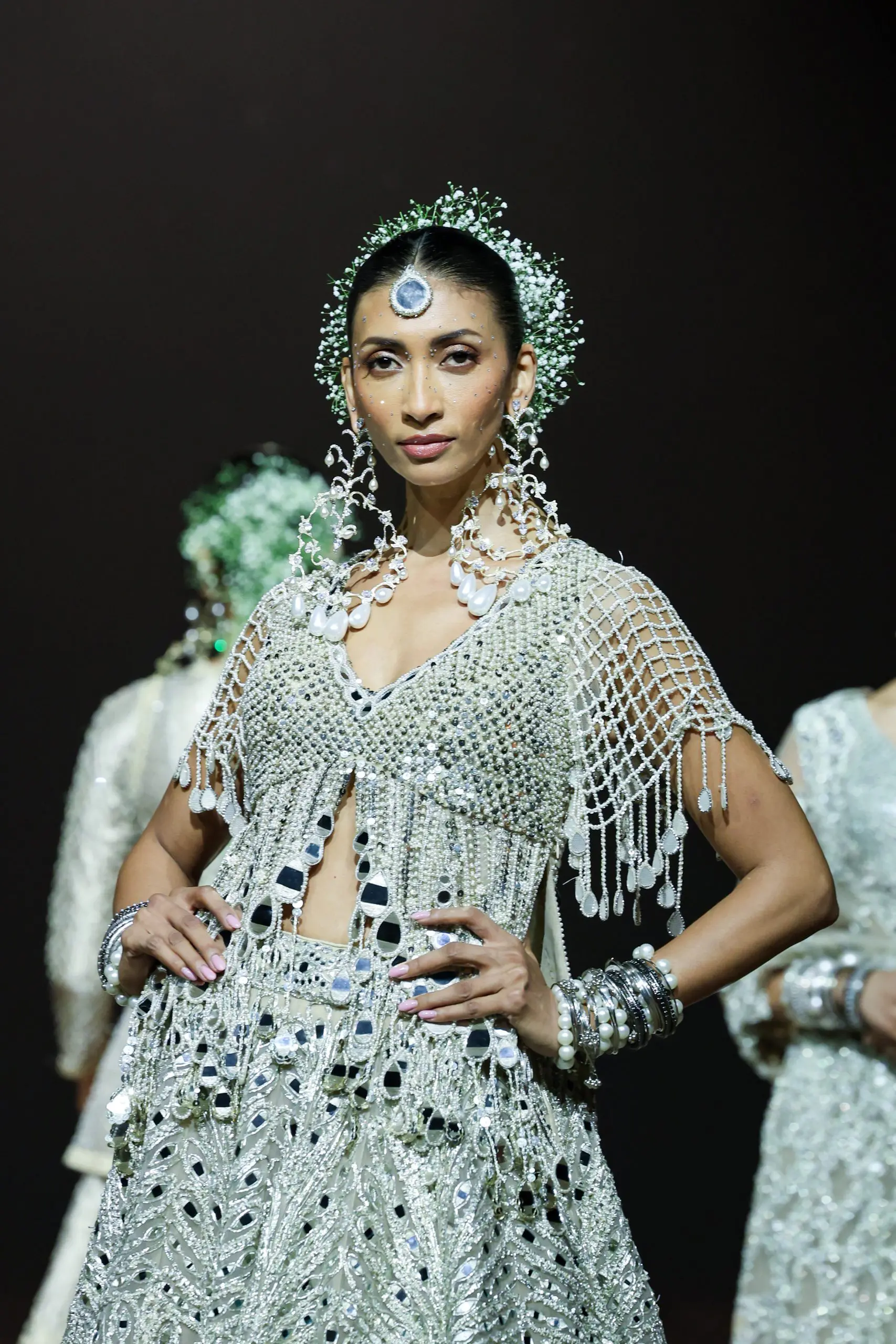
Tassels and fringes are set to emerge as key design accents in 2026, bringing movement, emotion, and visual drama to contemporary silhouettes. Abhinav Mishra’s recent collection, The Shrine, showcased the trend as more than surface embellishment, with tassels and fringes becoming an extension of rhythm and expression. Mirror and metallic fringes cascaded from blouses, creating a dynamic play of light with every step, while pearl tassels softened sari drapes, lending them refined elegance.
“Across lehengas, layered fringes added depth and fluidity, allowing colour, craft and motion to come together seamlessly. They were integrated into the silhouette rather than existing as surface detail alone, reinforcing the idea of ornamentation that breathes and moves with the body,” says Mishra. “This approach allowed tradition and modernity to coexist in a way that felt celebratory yet refined.”
Designer Sameer Madan sees fringes as the defining gesture of summer 2026, blurring the line between clothing and expression. “Maximalism is ruling, and texture has an attitude. Clothes don’t stay still. They shimmer, sway, and react to every step and beat. Long, cascading strands and micro fringe trims along hems move like they’re alive,” he adds. “Satins, beads, and metallic threads turn fringe into liquid energy, and honestly, it feels like exactly the energy we need right now.”
Mishra agrees, predicting a more restrained evolution. “Heritage-led tassels inspired by temple jewellery and heirloom details will be reinterpreted in lighter, contemporary forms. Expect refined scales, softer materials and modern placements that honour tradition while feeling relevant to today’s couture sensibility,” he says.
The return of vintage denim
Denim in 2026 leans into memory and ease, drawing from the kind of pieces that feel sun-faded and well loved. Soft washes, gentle distressing, and relaxed silhouettes take centre stage, replacing anything overly sharp or overstyled. Straight-leg jeans, slouchy jackets, and easy denim skirts define this revival, favouring wearability over polish.
The appeal lies in how natural it feels; denim that looks as though it’s been shaped by time rather than trends. Designed for comfort and movement, these pieces prioritise familiarity and ease, capturing the effortless spirit of summer and reaffirming denim’s role as a timeless, lived-in essential rather than a seasonal statement.
Sensuality by design
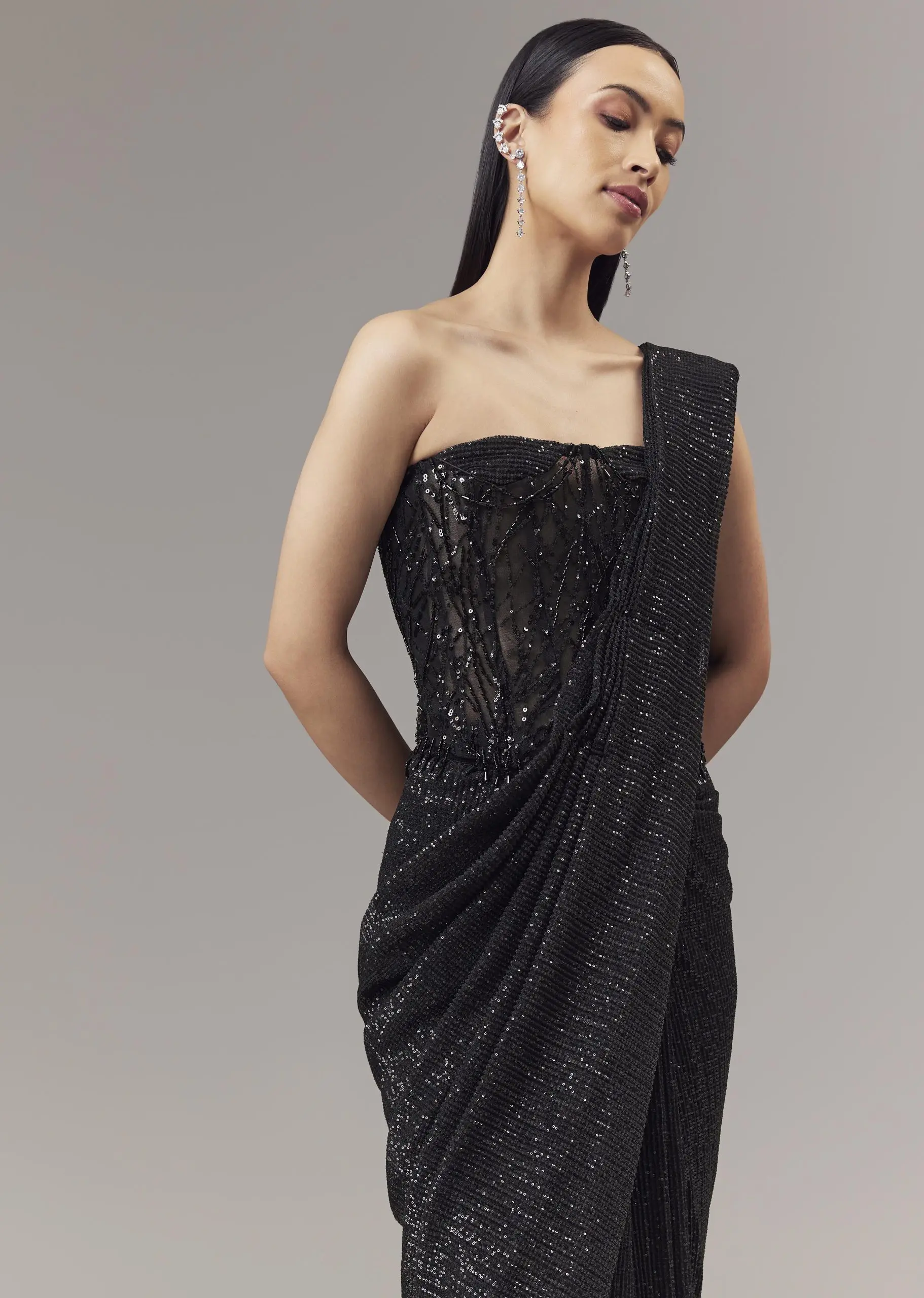
Across Gujral’s collections, glamour has consistently been explored through precision, where sensuality emerges not from excess, but from immaculate structure, refined shimmer, and thoughtful surface detailing. Her design language centres on silhouettes that skim the body with intent, creating an interplay between movement and form.
“Our signature aesthetic lies in balancing fluid, body-skimming silhouettes with meticulously placed embroidery, allowing lehengas, saris and corseted blouses to feel both modern and timeless,” reiterates Gujral.
Sequins, crystals, and tonal threadwork are used thoughtfully to accentuate the body, creating a glamorous effect that remains controlled rather than overwhelming. Instead of heavy ornamentation, sheer fabrics are used strategically, letting embellishment interact naturally with movement and skin.
“This approach has allowed our designs to resonate with a global bride and occasion-wear audience that seeks dressing that feels powerful, sensual and unapologetically celebratory,” she says.
This year, Gujral notes a shift towards high-impact sparkle, with lehengas and saris embracing immersive, all-over embellishment narratives. “Sequins and crystals will be layered to create depth and luminosity, while thoughtful placements ensure the garment enhances form and movement rather than overwhelming it. This approach balances opulence with wearability,” Gujral highlights
Soft power dressing takes the lead
For Ashray Gujral of Dash & Dot, 2026 continues to signal a shift towards a quieter, more intuitive expression of luxury—one rooted in fabric, texture, and proportion rather than overt statement-making. The brand’s philosophy prioritises ease and confidence, allowing clothes to speak through thoughtful design rather than excess.
“The emphasis is on refined surfaces, relaxed structure, and clothing that feels confident without trying too hard. This direction comes alive through outfits built around rich, tactile fabrics and thoughtful detailing,” he says.
This sensibility translates into silhouettes that feel effortless yet considered. A relaxed co-ord in textured cotton demonstrates how easy shapes can still feel grounded through clean lines and precise proportions. Elsewhere, an art-driven printed dress relies on careful placement and restraint, creating visual interest without overpowering the form.
Colour plays a subtle but deliberate role in this approach. Rather than high contrast or heavy embellishment, Dash & Dot leans into nuanced palettes that enhance wearability and longevity. “Softened neutrals, mineral tones, and washed brights add depth, resulting in pieces that feel modern, intuitive, and designed to be lived in,” he predicts.
Power in pastels
Indian occasion wear in 2026 will be defined by a sense of soft strength, where elegance and power exist side by side. At KALKI Fashion, the brand forecasts a palette that balances restraint with drama—refined pastels such as blush pink coexisting with bold, grounding darks like black.
This interplay of colour is mirrored in design choices that blend fluidity with structure. “Fluid silhouettes, tonal embroidery, and lightweight fabrics like georgette bring softness and movement, while structured corsetry, shimmer surfaces, and sculpted drapes introduce confidence and edge,” says Saurabh Gupta, CEO and founder of KALKI Fashion.
The shift reflects a broader change in how occasion wear is being approached today. Modern consumers are embracing femininity without fragility and glamour without going overboard, seeking pieces that feel expressive yet composed.
The future of Indian fashion lies in this balance; where subtle elegance and statement dressing merge seamlessly, creating wardrobes that feel powerful, versatile, and attuned to the evolving sensibilities of contemporary dressing.
Fusion but make it effortless
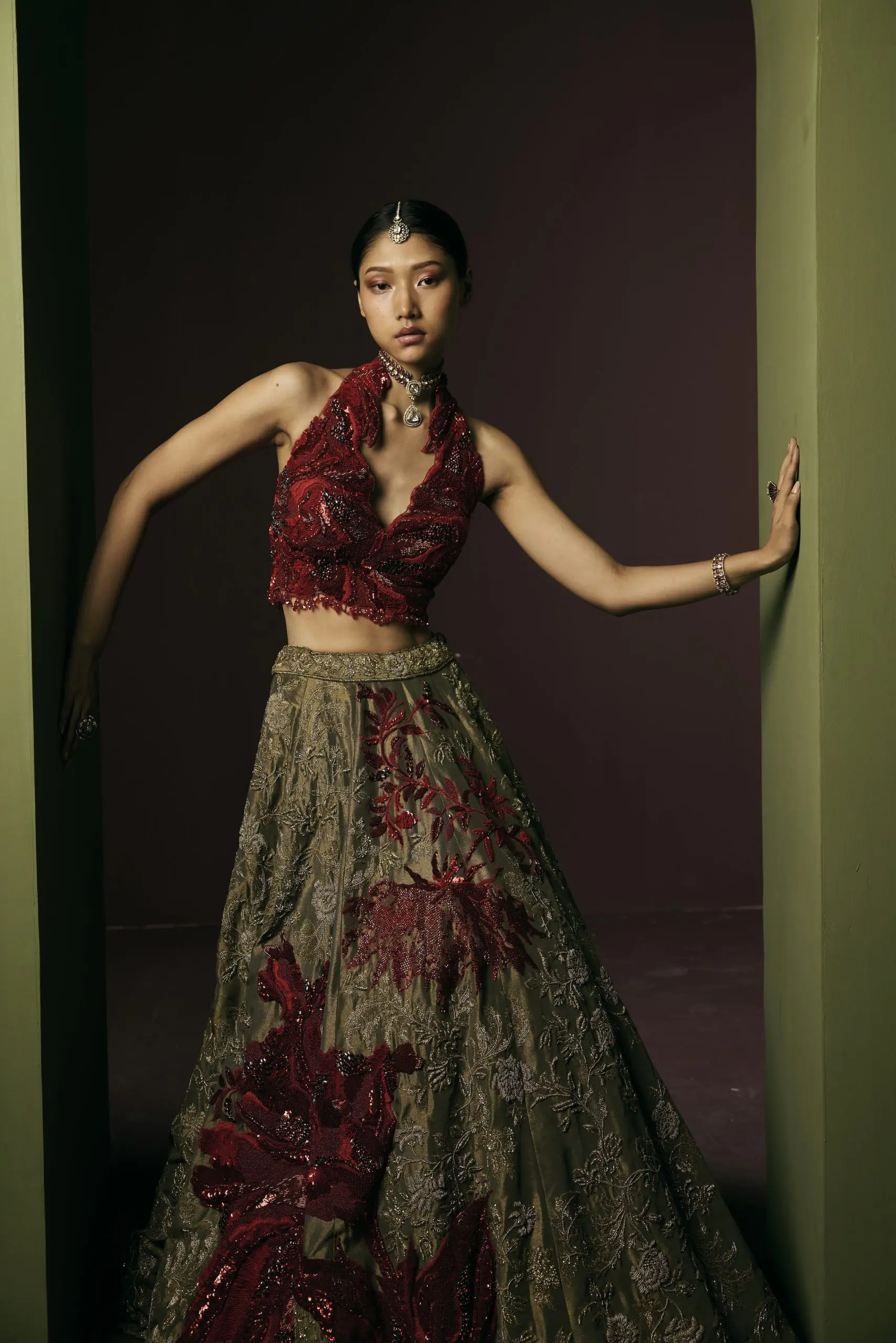
In 2026, fusion dressing moves away from novelty to confidence. The most compelling looks are built through instinctive pairing rather than obvious contrasts. A timeless lehenga finds balance with a sharply tailored shirt, while a kurta is reimagined alongside wide-leg trousers.
Even long embroidered jackets slip seamlessly over fluid dresses, creating outfits that feel intentional yet unforced. This approach isn’t about forcefully adding a twist but allowing heritage and contemporary design to coexist naturally. As seen across modern runways, fusion today is subtle, fluid, and wearable; where craftsmanship meets current sensibilities without trying too hard.