In Conversation with Manoj Mansukhani on AstaGuru’s London Expansion
- Featured Retail
 Yashita Damani
- 11 minutes read

As the global art and collectibles market continues to evolve, Indian auction houses are increasingly stepping onto the international stage with renewed confidence. AstaGuru Auction House, long recognised for its pioneering digital-first model and carefully curated auctions, is now entering a significant new chapter with the launch of its London office.
For the Mumbai founded auction house, the move represents far more than geographic expansion. London remains one of the most influential centres of the global auction ecosystem, bringing together seasoned collectors, cultural institutions and an influential Indian diaspora deeply connected to art and heritage.
In this conversation, Manoj Mansukhani, Director Marketing at AstaGuru Auction House reflects on the timing of the London launch, the growing sophistication of global collectors engaging with Indian art, and why the house’s first UK auction will open with an exceptional selection of fine watches and high complication timepieces.
Luxebook: London is home to some of the world’s most established auction houses. What makes this the right moment for AstaGuru to enter the UK market?
Manoj Mansukhani: London has long been the home of the global auction ecosystem, and we enter this market with deep respect for its legacy and sophistication. Our intent is not to compete in a conventional sense, but to introduce a differentiated, relationship-led approach that is rooted in thoughtful curation and accessibility.
Over the years, we have witnessed a steady growth in participation from international collectors, many of whom are already familiar with AstaGuru through our digital platform. This existing engagement, coupled with the increasing cross-category collecting behaviour of global buyers, makes this a timely and natural progression.
Establishing a physical presence in London allows us to meaningfully strengthen these relationships, while also engaging closely with the significant Indian diaspora in the region. At the same time, it enhances our ability to source rare and important works, positioning AstaGuru as a global gateway connecting international collectors with exceptional Indian art, antiques, and collectibles.

Luxebook: Over the years, international interest in Modern and Contemporary Indian Art has grown significantly. How have you seen this demand evolve among global collectors?
Manoj Mansukhani: The Indian art market has demonstrated remarkable resilience and consistency over time. Even during periods of global uncertainty, including the pandemic, we observed sustained engagement and, in many cases, notable growth.
This strength is driven by a combination of robust domestic demand, an increasingly discerning collector base, and a deep cultural resonance that underpins the category. Internationally, there is a growing recognition of the historical and artistic significance of Indian modern and contemporary practices, with collectors approaching the category with both intellectual curiosity and long-term intent.
What is particularly notable is the shift towards more informed and research-driven collecting. Global collectors today are not only acquiring works of significance but are also engaging more deeply with provenance, narratives, and context. This evolving maturity continues to reinforce confidence in the category’s cultural and enduring value.
LuxeBook: The debut UK auction will focus on fine watches and high complication timepieces. What trends are you currently seeing in the global watch collecting market?
Manoj Mansukhani: Our first auction in the UK will commence with a fine timepieces auction in May 2026. The global watch market today is characterised by a strong preference for rarity, mechanical complexity, and provenance. Collectors are increasingly drawn to limited production models, high complication pieces, and watches with distinctive histories or archival significance.
There is also a noticeable shift towards younger, globally connected collectors who view watches not only as instruments of craftsmanship but as expressions of identity and design. Cross category collecting is becoming more prevalent, with collectors moving fluidly between art, jewellery, and timepieces.
Additionally, condition, originality, and documentation have become critical determinants of value, reflecting a more sophisticated and detail oriented buyer base. This aligns closely with our curatorial approach, where emphasis is placed on quality, significance, and long term relevance. Over time, we aim to present a curated mix that reflects both global excellence and the richness of Indian artistic and cultural heritage.
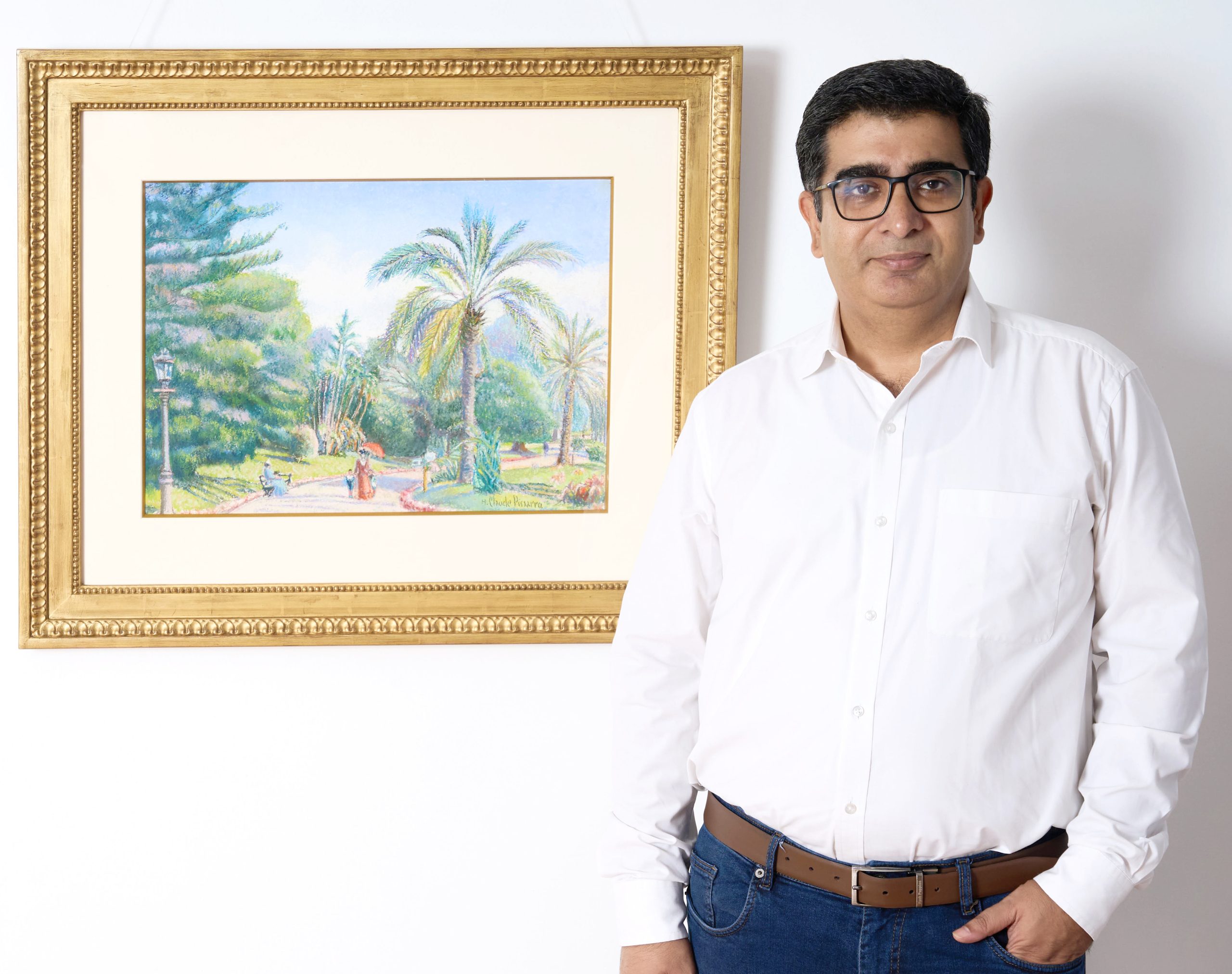
LuxeBook: Can collectors expect the London auctions to reflect any Indian cultural or artistic influence in the lots, whether through design, provenance, or historical connections?
Manoj Mansukhani: Our London journey begins with a focus on fine watches, a category that is inherently global in its appeal. However, Indian cultural and artistic narratives will become increasingly integral to our programming as we introduce Indian art, jewellery, and other significant categories in subsequent auctions.
Over time, collectors can expect to encounter works and objects that reflect the depth and diversity of Indian heritage whether through artistic expression, provenance, or historical context. Our approach remains carefully curated, ensuring that each category is introduced with both relevance and depth for the audience we are engaging with.
LuxeBook: How will the London office strengthen AstaGuru’s engagement with European collectors and the Indian diaspora in the UK?
Manoj Mansukhani: The London office represents an important step in deepening our engagement with both European collectors and the Indian diaspora. While we already have a strong relationship with many of these audiences, a physical presence enables more direct and meaningful interaction.
Our dedicated office and gallery space at Cromwell Place will serve as a hub for auctions, previews, and private engagements, enhancing both visibility and trust. It also allows us to cultivate new relationships, particularly with younger, globally minded collectors who are increasingly participating in cross category collecting.
Beyond immediate participation, our focus is on building sustained relationships and encouraging long term consignments, ensuring a steady and considered growth within the region.
LuxeBook: AstaGuru has built a strong reputation as a digital first auction house. How will technology continue to shape the experience for international bidders and collectors?
Manoj Mansukhani: Technology remains central to our operating philosophy. As a digital first platform, our focus has always been on creating a seamless, transparent, and accessible experience for collectors across geographies.
We continue to invest in platform enhancements that enable real time participation, detailed object viewing, and intuitive navigation, ensuring that distance is no barrier to engagement. At the same time, data driven insights allow us to better understand collector behaviour and preferences, enabling more personalised interactions and recommendations.
Importantly, our digital infrastructure complements rather than replaces the physical experience creating an integrated ecosystem where collectors can engage with us both online and offline with equal ease and confidence.
LuxeBook: With offices planned in Singapore and New York, how do these global expansions fit into AstaGuru’s long term vision as a luxury auction platform?
Manoj Mansukhani: Our expansion into key global cities such as Singapore and New York is a natural extension of our long term vision to build a truly international, yet distinctly Indian, auction platform.
These locations have been carefully identified based on strong collector bases, strategic geographic relevance, and existing engagement with our platform. By establishing a presence in these regions, we are able to strengthen both sourcing and client relationships, while also broadening access to important works across categories.
Each market plays a complementary role enabling us to connect collectors across regions, facilitate cross border participation, and bring greater visibility to Indian art and collectibles on the global stage.Ultimately, this expansion is not just about scale, but about creating a cohesive global network that reflects our core values of curation, trust, and enduring relationships.
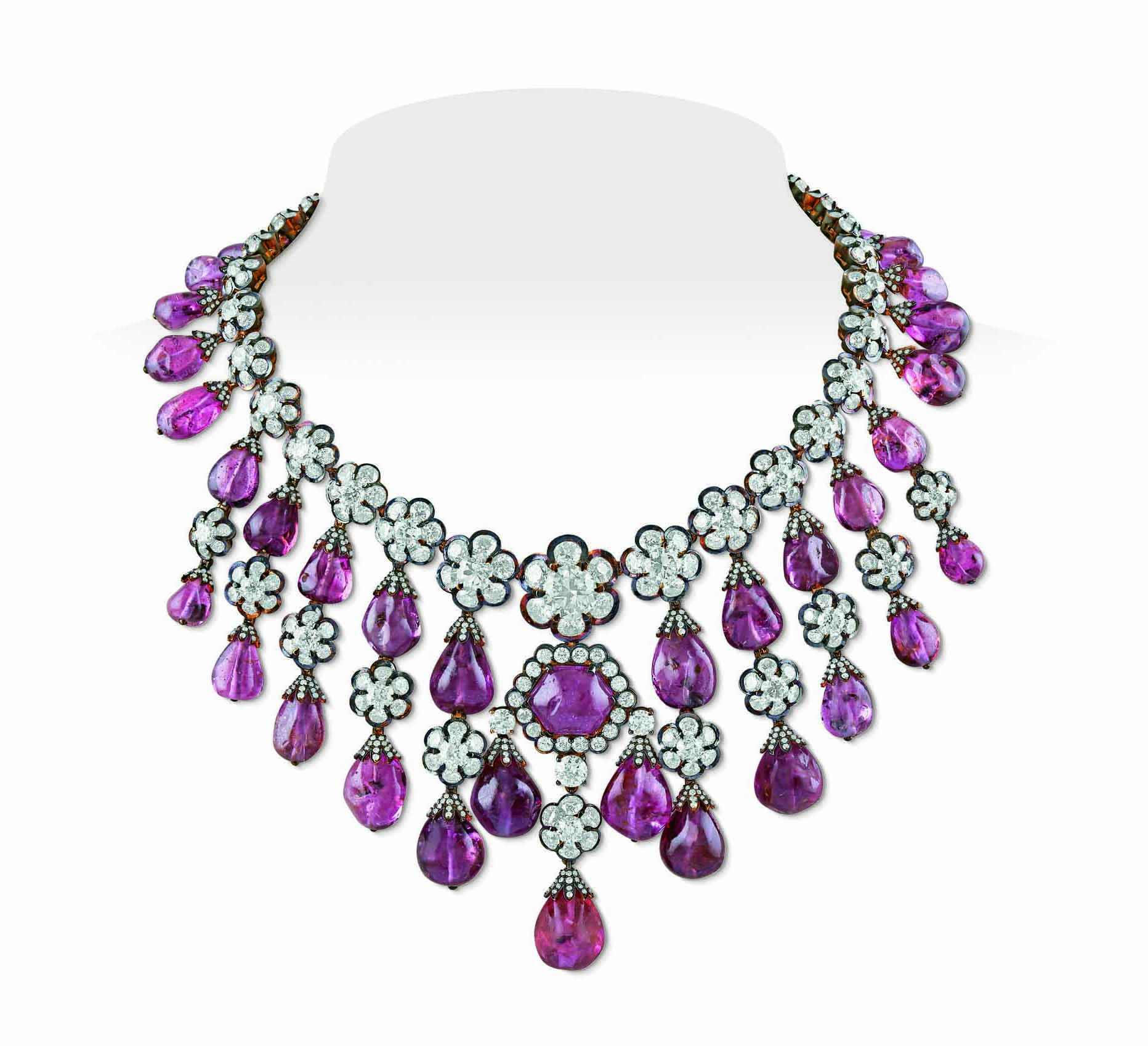
Thus, as AstaGuru establishes its London foothold, the move signals a compelling moment for Indian art and collectibles within the global auction landscape. By pairing a digital first ethos with a carefully cultivated international presence, the auction house is positioning itself as a vital bridge between collectors, cultures and categories.
For global connoisseurs, the London chapter offers not just access to rare timepieces and exceptional works, but a deeper engagement with the narratives, heritage and craftsmanship that continue to shape the evolving world of luxury collecting.
You may also read: Why Short Luxury Escapes Are Replacing Long Holidays