One Weekend in Kyoto where tradition meets beauty

The Japanese have a 24×7 helpline for those who suffer from “Paris Syndrome”, an intense sense of disappointment that sets in once Japanese tourists face the reality of Paris, far away from their dreams.
I conjecture, this is more so, because their own country is a paradise, like no other. And then, if your destination is an 800 year old Samurai castle in Kyoto, that looks right out of a Studio Ghibli production, you don’t blame them for getting disappointed in Parisian streets.
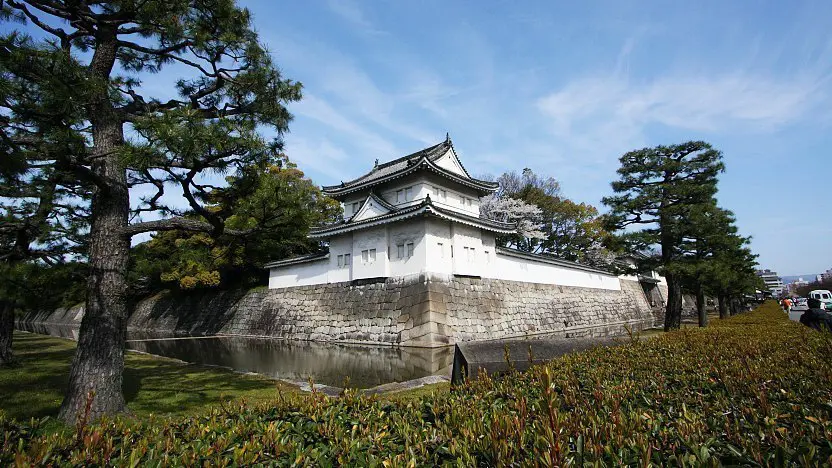
I was excited to travel to Kyoto, the land of many World Heritage sites, known for its art, travel and culture. However, when I checked into the Four Seasons Hotel Kyoto, I was charmed from the first instance. Located in the historic Higashiyama district, which has many of Kyoto’s UNESCO World Heritage temple at walking distance, Four Seasons Hotel Kyoto made perfect sense as a destination to stay for our special Kyoto trip.
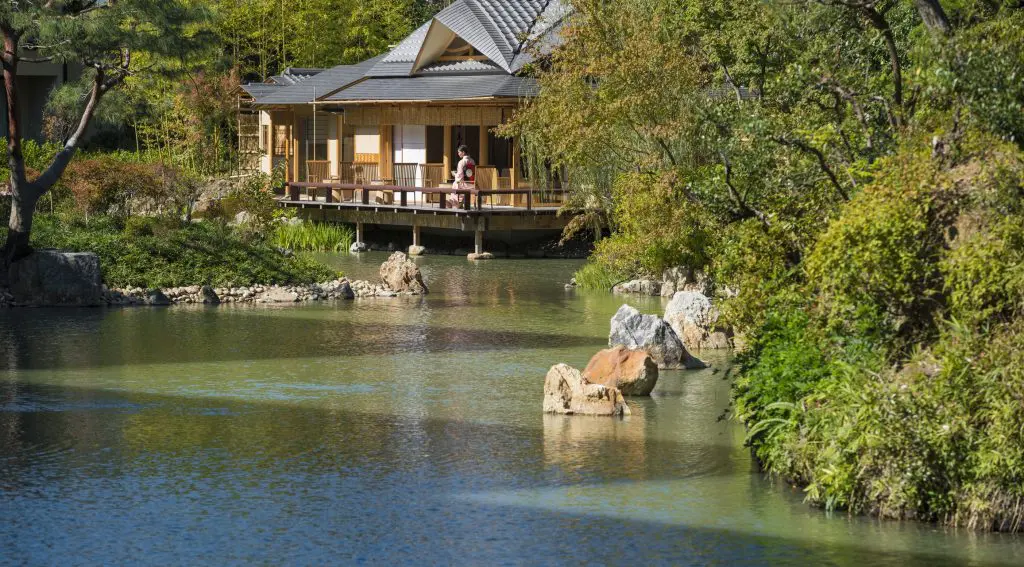
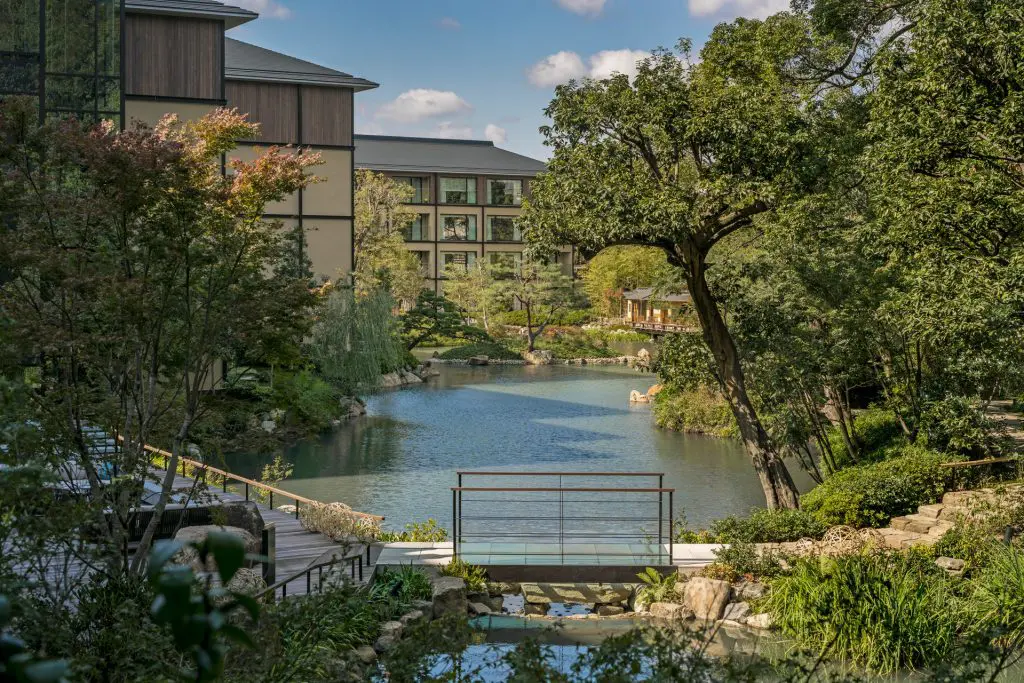
Art and design is a composite part of the elite structure, which was a former Samurai castle, with its original Zen-style garden and koi pond a perfect picture of harmony. While the estate landscape retains some of its original elements, the former castle has been completely modernised to cater to international and domestic travellers. With its Hermes rickshaw charmingly placed at the entrance, its geometric open roof pavilion in front of the porch, and the bamboo avenue which welcomes guests as they drive in, it is quintessential Kyoto, and a great place to get a sense of the ancient city kingdom.
Traditional tea ceremony
Our first experience was to participate in a traditional tea ceremony in the Shakusui-kei tea house within the Four Seasons Hotel Kyoto compound, a historic style structure where artefacts from a traditional tea house still finds its place there. It overlooked the koi pond and the zen garden, and we could spend days just stating out in bliss. The tatami mat covered tea house, the storks sitting on stones in the koi pond, the white cirrus clouds, all looked like the nature’s painting that the Japanese revere.
A tea specialist, in our case, the Japanese tea ambassador led the ceremony. Tea ceremonies can last from one to four hours in Japan, and there are several schools of thought on how tea ceremonies take place. They can differ on the quality of matcha used, the right mochi sweets to be served with tea, and the conversation that can take place. While tea is prepared for each person, the participants are required to observe keenly, as the tea master displays their skill. Tea masters in Japan are highly revered, and some like Sen Genshitsu have been named UNESCO’s goodwill ambassador in the past.
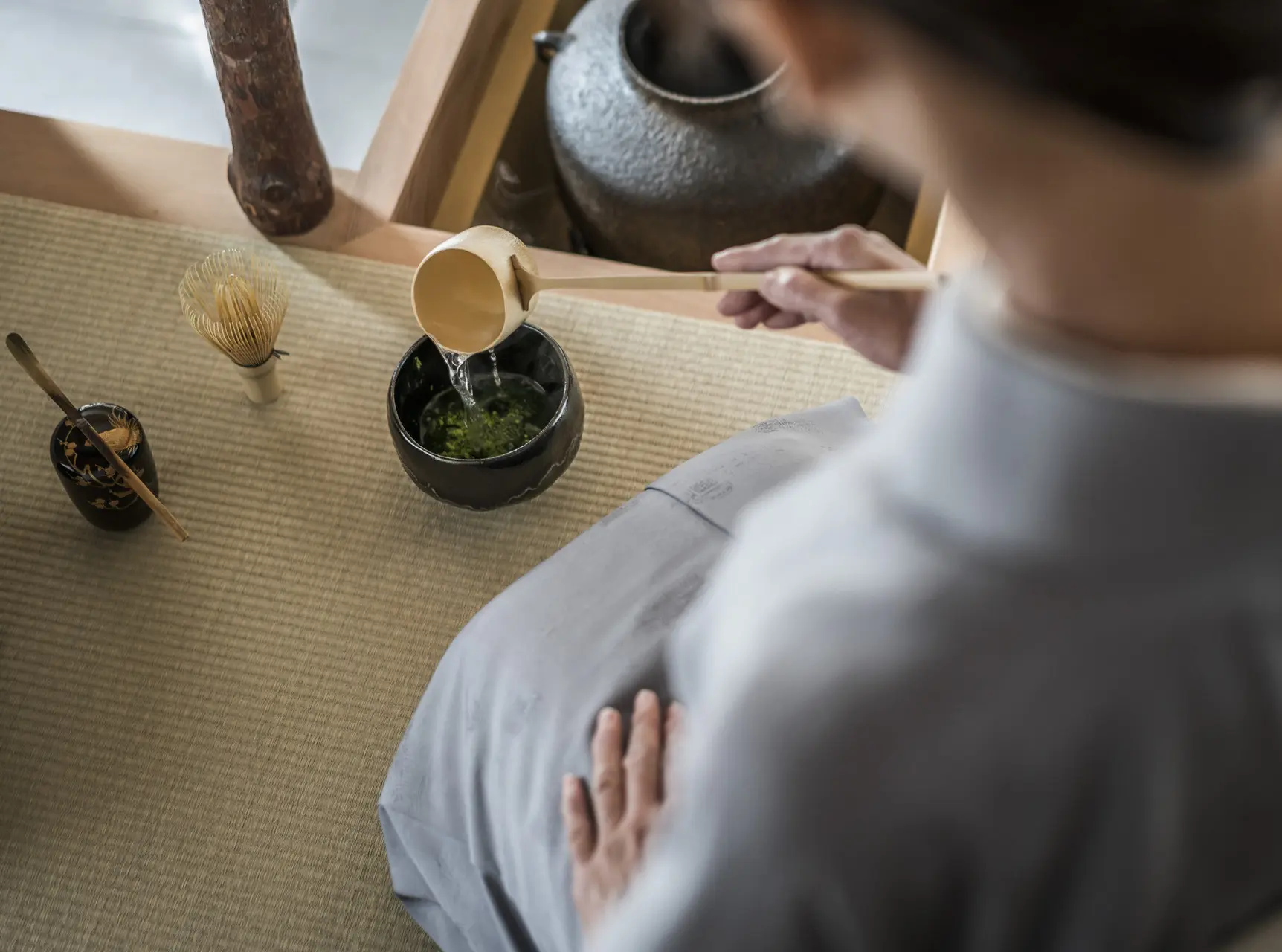
Our tea master showed us an insanely gorgeous handwritten and drawn recipe book, with watercolour pictures of sweets to be served depending on Japan’s 72 seasons. Since it was autumn, she picked a colourful one to go with the mood of the season.
As a mark of respect, your matcha bowl is supposed to be rotated before consumed, so the viewer gets a glimpse of the lovely design on one side of the matcha bowl. Experiences like this is what makes Japan essentially so unique from the rest of the world.
Heritage hopping
It was a lovely day, and we headed out to another World Heritage Site, the Kiyomizu-dera temple. Also nicknamed the Golden Pavillion, this temple was built in 770 AD halfway atop Mount Otowa, and the drive was as scenic as the destination. The view from the top of the temple is worth it, with the main hall declared a national treasure. The fun activity of collecting stamps on each stop till the top to complete the picture postcard makes it so interactive.
Stamp-collecting is quite a passion for many in the area, with tourists and locals alike visiting local temples and heritage sites across Japan to get their postcards stamped. In some temples, calligraphy and live drawings are also available to collect as memorabilia in your stamp book, that can be purchased at any stationery or memoir shop in Japan.
Next it was time for lunch, and we drove down to the Kyoto market area. The meal is one of the healthiest I have eaten in my life. It included poached tofu flavoured with quality soy sauce and sliced spring onions and sesame seeds, grilled tofu and vegetable tempura with a yuzu sauce dip and miso soup. It was served in traditional rooms with seating arrangements on the floor, in a room lined from head to ceiling with tatami floor mats. Just the serene experience of sipping miso soup while staring out into the distance, taking in the greenery and distant sounds of the Kyoto market area is a precious memory that will always be etched in my mind.
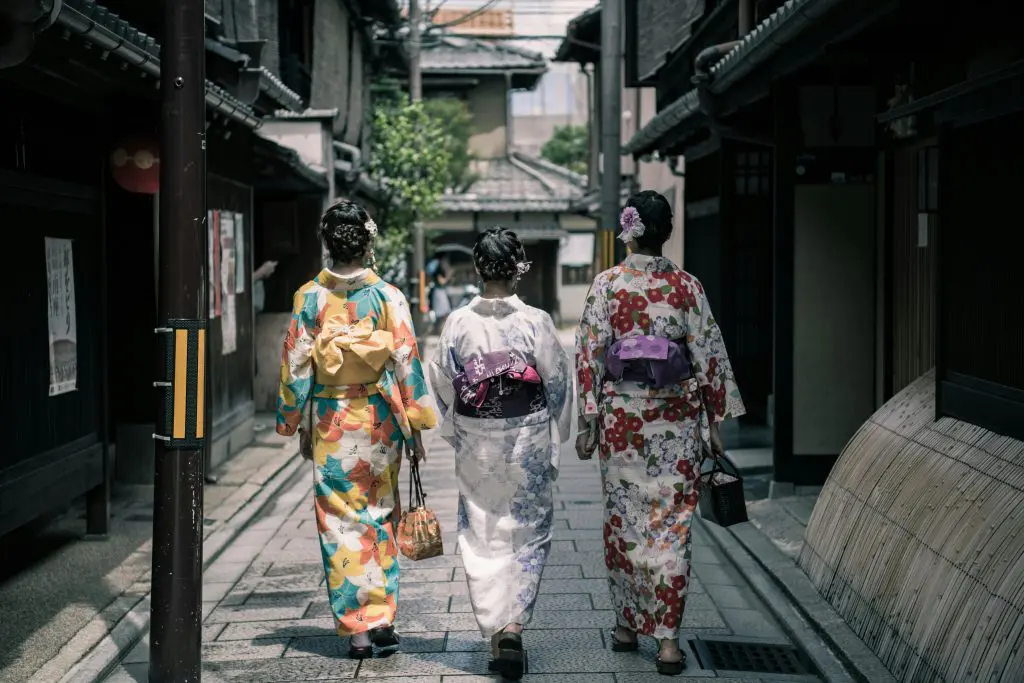
Our second stop was to the Geisha district called Gion in the evening, a cultural hub in today’s time. Geishas are called Geikos in Kyoto, and the ones in training are called Maikos. While you may see them perform the traditional Kyomai dances in the evening, it is possible to see them roam around the historic cobbled streets in traditional attire, complete with hairdo, kimonos and wooden slippers.
You can find several tourists renting kimonos for photo shoots, we even found an adorable dog in a kimono! Gion is full of romantic tea houses and townhouses, with the 5th century Hōkan-ji temple (Yasaka Pagoda) towering over the scenic landscape. We bought ourselves Matcha ice creams made of the famous Japanese cow milk (must-try when you’re in Japan) while we walked around, taking in the sights.
Arashiyama Forest Bathing
Arashiyama is one of those Instagrammable places that come up if you Google Kyoto. Surrounded by lush bamboo trees, it is definitely what you would want to visit if on your first trip there. What makes the experience even more quaint is the single guage train ride that goes through the forests to reach there.
Once you go to Kyoto in Japan, it never leaves you. Call me a romantic, but my life has changed post the tea ritual by the koi pond, the sound of the bamboo trees rustling in the wind, the sun seeping in bits has turned me into a romantic, a forever fan of this country.