Move over mithais, Wedding Cakes are now a fixture at Indian Weddings
- Featured Food & Beverage
 Arushi Sakhuja
- 16 minutes read

Indian weddings are steeped in tradition, but as the country changes, so do the modern bride and groom. With increasing exposure to the West, the norms of Indian weddings are evolving, blending Western influences with Indian customs. From exchanging vows during the pheras to the growing use of white and ivory in wedding couture, the impact is being felt increasingly.
However, one of the most prominent trends is the rise of elaborate wedding cakes for nuptials. Whether it’s on the wedding day or at the reception, the wedding cake—a classic symbol of celebration in the West—has become a showpiece at Indian weddings, transforming the dessert table into a work of culinary art. While the idea originates from the West, Indian weddings have taken it to new heights with innovation and grandeur, introducing what we now call couture cakes. ” Indian weddings have grown more and more elaborate and extravagant in their celebrations, and a flamboyant wedding cake started being seen as a symbol of luxury and modernity, often contributing to the grandeur of the event,” reflects Chef Rakhi Advani, Brand Chef, Fyole Cafe.
The History of Wedding Cakes
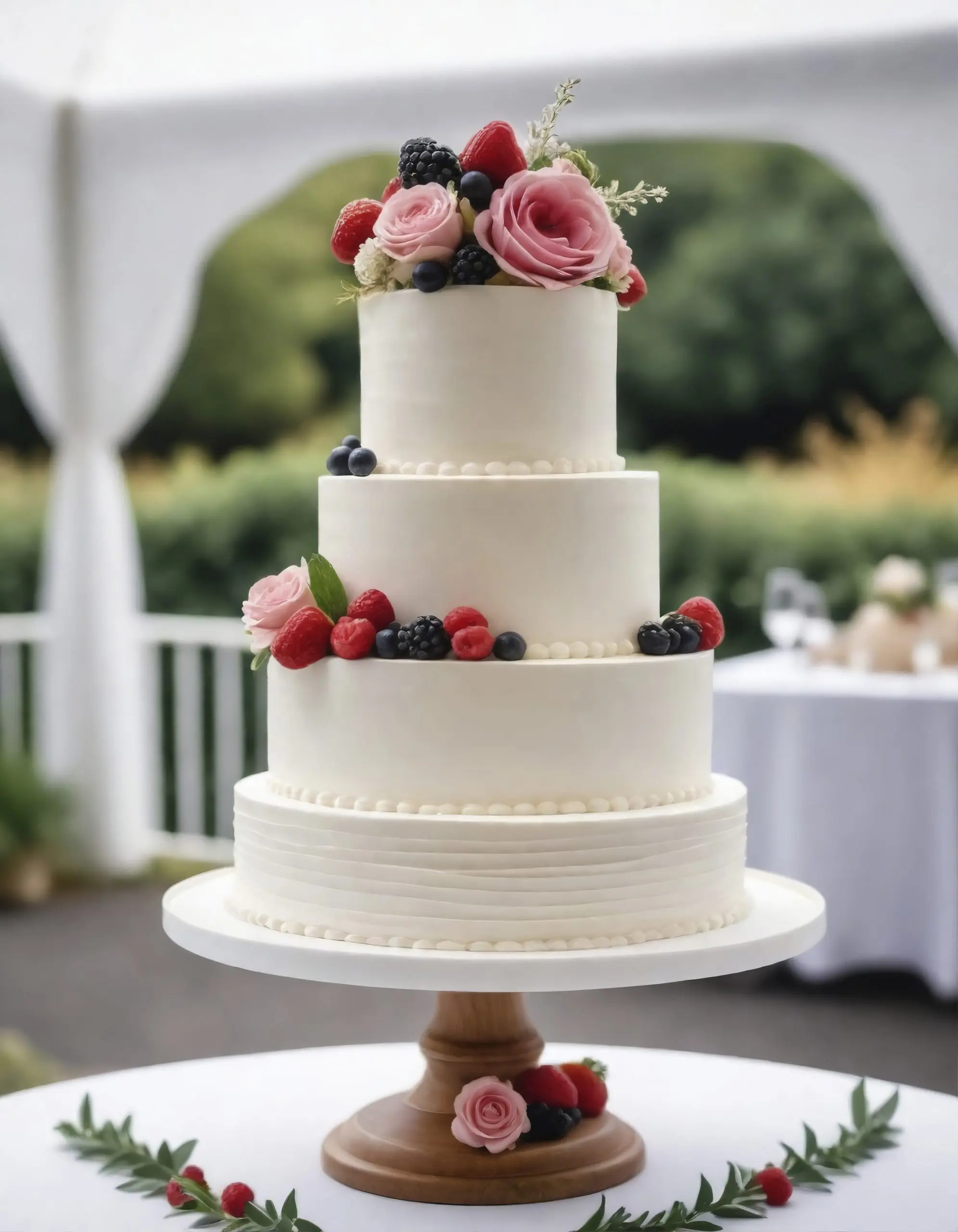
Wedding cakes didn’t start as the grand, multi-tiered creations we see today. Their journey began with simple bread or wheat cakes, evolving into the intricate art form they are now. The iconic tiered cake we associate with weddings owes much to Queen Victoria’s marriage to Prince Albert in 1840. Her wedding cake was a grand, multi-tiered creation, decorated with intricate white icing. This particular icing, now known as Royal Icing, became the gold standard for wedding cakes across Europe. The introduction of white icing also began the tradition of associating white cakes with weddings. It was at this time that cakes became more elaborate, reflecting the wealth and status of the families. The Victorian period also saw the cake being cut and shared with guests, turning it into a ceremonial moment rather than just a culinary treat.
By the 20th century, tiered cakes became a wedding staple in the West. The 1950s and ’60s saw simpler designs, decorated with fresh flowers, while by the ’70s and ’80s, new flavours like chocolate, vanilla, and red velvet began to replace the traditional fruitcake. Couples also started using cake toppers, adding a fun touch. By the end of the century, cakes were more about personal expression than just tradition, with bold designs, unique shapes, and even themed cakes making their way into weddings. The rise of food television and celebrity chefs further popularised the idea of custom-designed cakes.
Rising Popularity In India
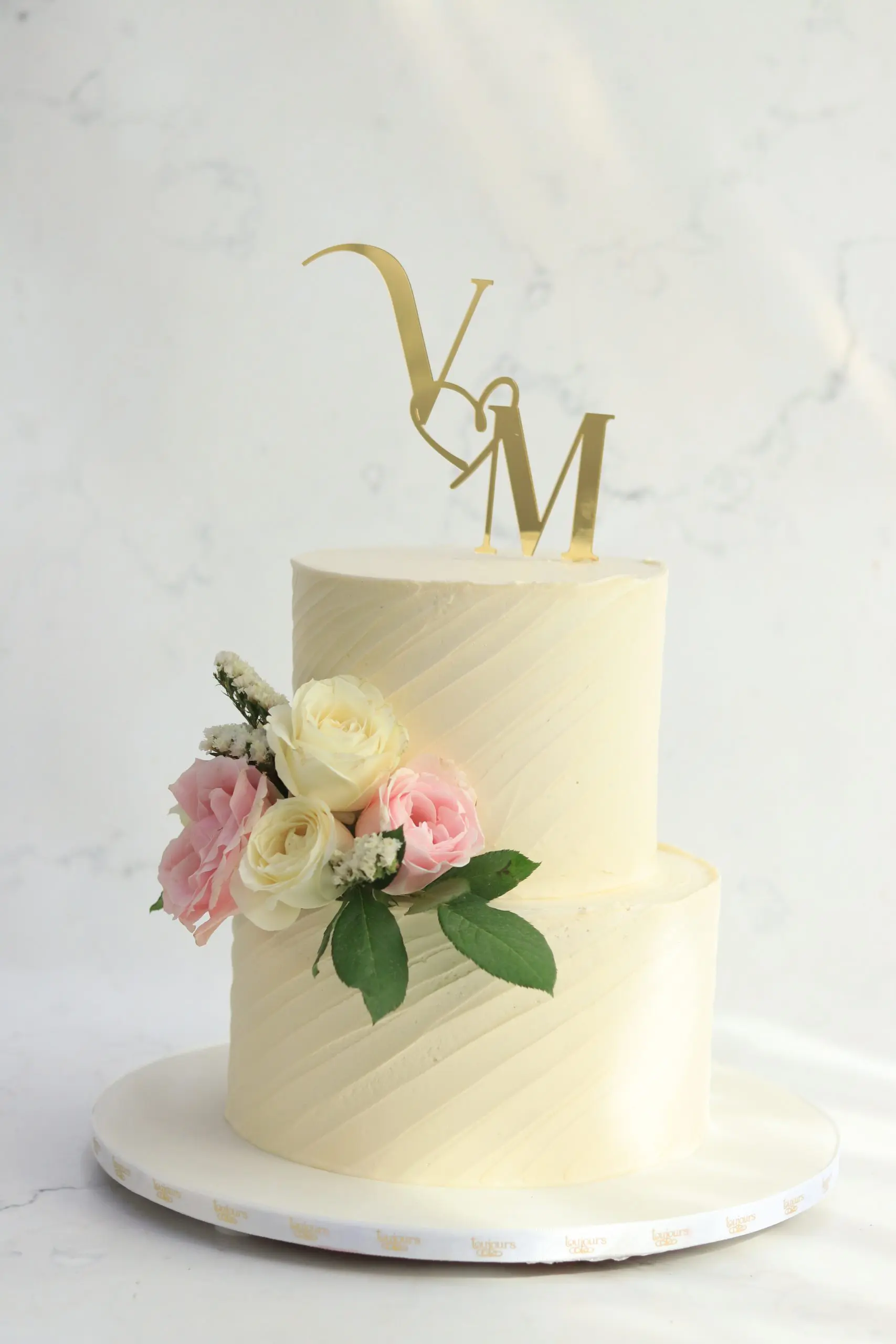
One of the biggest trends of the modern era is the fusion of cultures. In India, where weddings are a multi-day affair, western-style wedding cakes have been embraced. Alpa Pereira, Founder, Toujours, Mumbai’s premium Patisserie and Cake Studio, spots an interesting fusion of cultures and states, “at, “While traditional mithai remains a favourite at weddings, couples tend to lean towards classic Western flavours for their wedding cakes. We often incorporate elements of Indian culture into the visual aesthetics of the cake, blending tradition with contemporary style. “For instance, Indian motifs and colours play a significant role in influencing cake designs such as intricate henna patterns to vibrant pinks, oranges, and golds.”
The introduction of the wedding cake to India can be traced back to British colonial influence. However, it wasn’t until the early 2000s that Indian wedding cakes started gaining traction. “Traditionally, Indian weddings included a variety of sweets, but in the 1980s and 1990s, Western influence and global exposure led to a growing trend towards including cake,” notes Mozzane Karbhari, Sous Chef, ITC Grand Central Mumbai. High-end bakers, like Pooja Dhingra of Le 15 Patisserie, have played a key role in popularising these designer cakes. Chef Chaminda, Head Chef at Magnolia Bakery, Bangalore & Hyderabad adds ” In India, wedding cakes have become more popular over the past decade, blending traditional customs with modern elements. Influences from destination weddings, global culture, and personalized experiences have driven this trend. At Magnolia Bakery, we’ve observed that Indian couples are now opting for customized cakes that reflect their unique love stories, turning them into central, personalised elements as part of their celebrations.”
However, in many cases the western culture is tied to India with the use of fusion flavours. Traditional Indian sweets have inspired a fusion of flavours in modern wedding cakes, Chef Sumeet Lundwani Executive Pastry Chef, St Regis Resort Goa, told LuxeBook. He continued to say, “Ingredients such as saffron, rose water, cardamom, and pistachio are often incorporated into cake recipes to create a blend of traditional and contemporary tastes.”
The real growth chart though comes from social media and celebrities. Following the picturesque wedding of Virat and Anushka that went viral on social media, the interest in wedding cakes inspired couples to incorporate them into their grand wedding celebrations. And what was once reserved for the rich and famous soon trickled down to all sections of society. Chef Chaminda points out, ” Social media accelerates the spread of wedding cake trends and inspires couples to request highly personalized designs that reflect their individual tastes and wedding themes. The emphasis on visually striking cakes has led bakers to create more elaborate and photogenic designs, while social media serves as a crucial platform for marketing and showcasing their work.” Alpa Pereira further adds, “Viral trends and reels have elevated the wedding cake’s status. But as important is also to have the most unique, trendsetting cake.”
From multi-tiered masterpieces to intricate, personalised designs, the wedding cake has evolved into a central symbol of celebration, even in traditional Hindu, Sikh, and Muslim weddings.
Indian Wedding Cake Trends
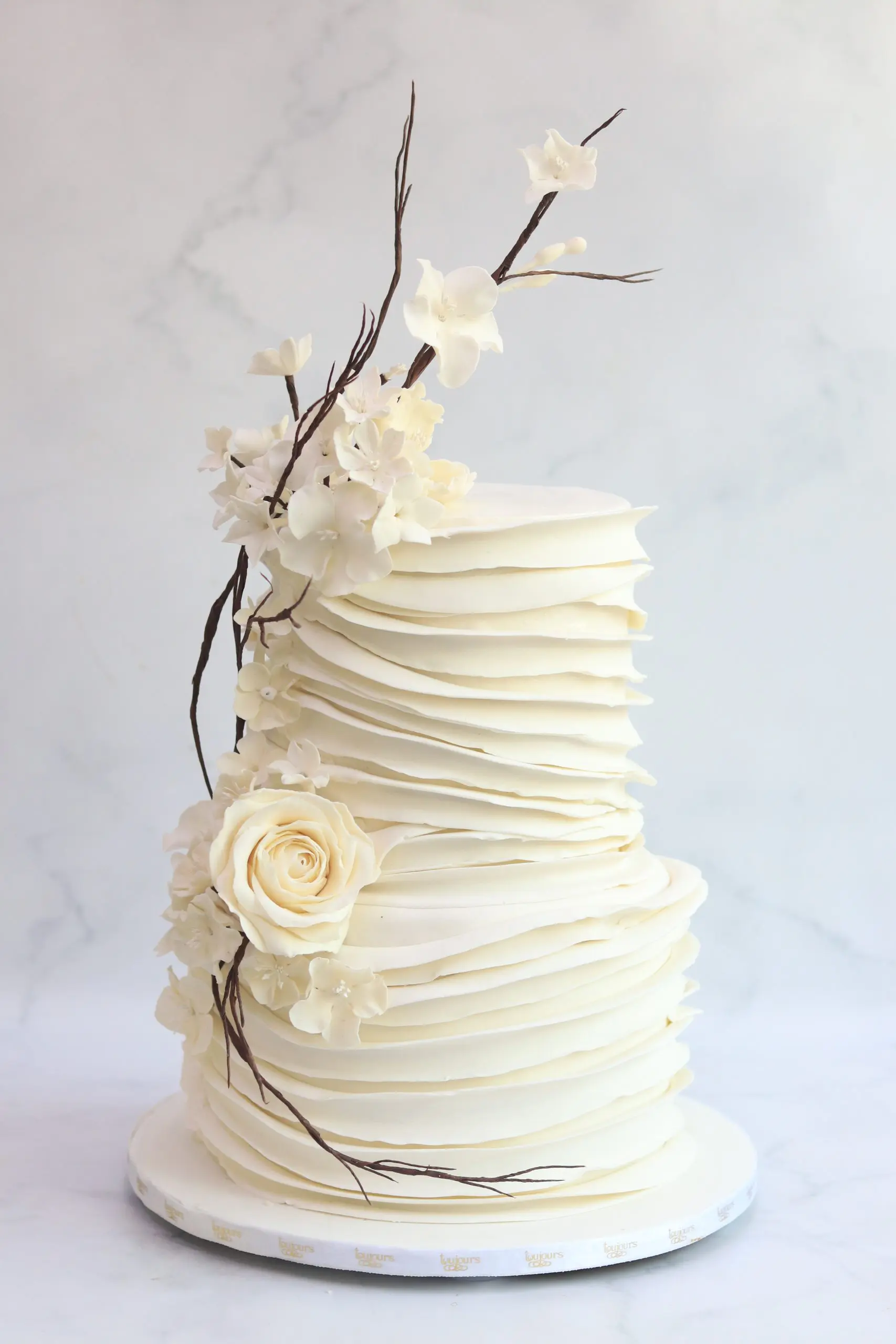
Today, wedding cakes in India are an integral part of the wedding experience. Couples are opting for bespoke cakes that tell a story—whether it’s through unique flavours, colours, or designs that reflect their personalities or relationship journeys. Tiered cakes have become especially popular, with couples choosing designs that reflect themes from their wedding decor, ranging from traditional floral motifs to intricate designs that mirror the bride’s lehenga. According to Mozzane Karbhari, bold colours, metallic accents, and minimalist styles are the top trends this season. Chef Sumeet Lundwani, Executive Pastry Chef at St Regis Resort Goa, agrees, noting that “naked cakes, geode cakes, watercolour effects, and floral decorations are the key trends of the season.” Naked cakes, with their exposed layers and minimal frosting, offer a rustic charm adorned with fresh flowers or berries for a simple yet elegant touch. Geode cakes, on the other hand, mimic stunning crystal formations using edible sugar crystals for a gem-like effect, while watercolour cakes showcase hand-painted or airbrushed designs that blend soft and vibrant hues for an artistic finish. Floral cakes, from delicate blooms to elaborate cascades, add a natural, whimsical flair. However, what stands out for Alpa is that while multi-tiered cakes remain popular, couples opt for bespoke elements that represent something personal.
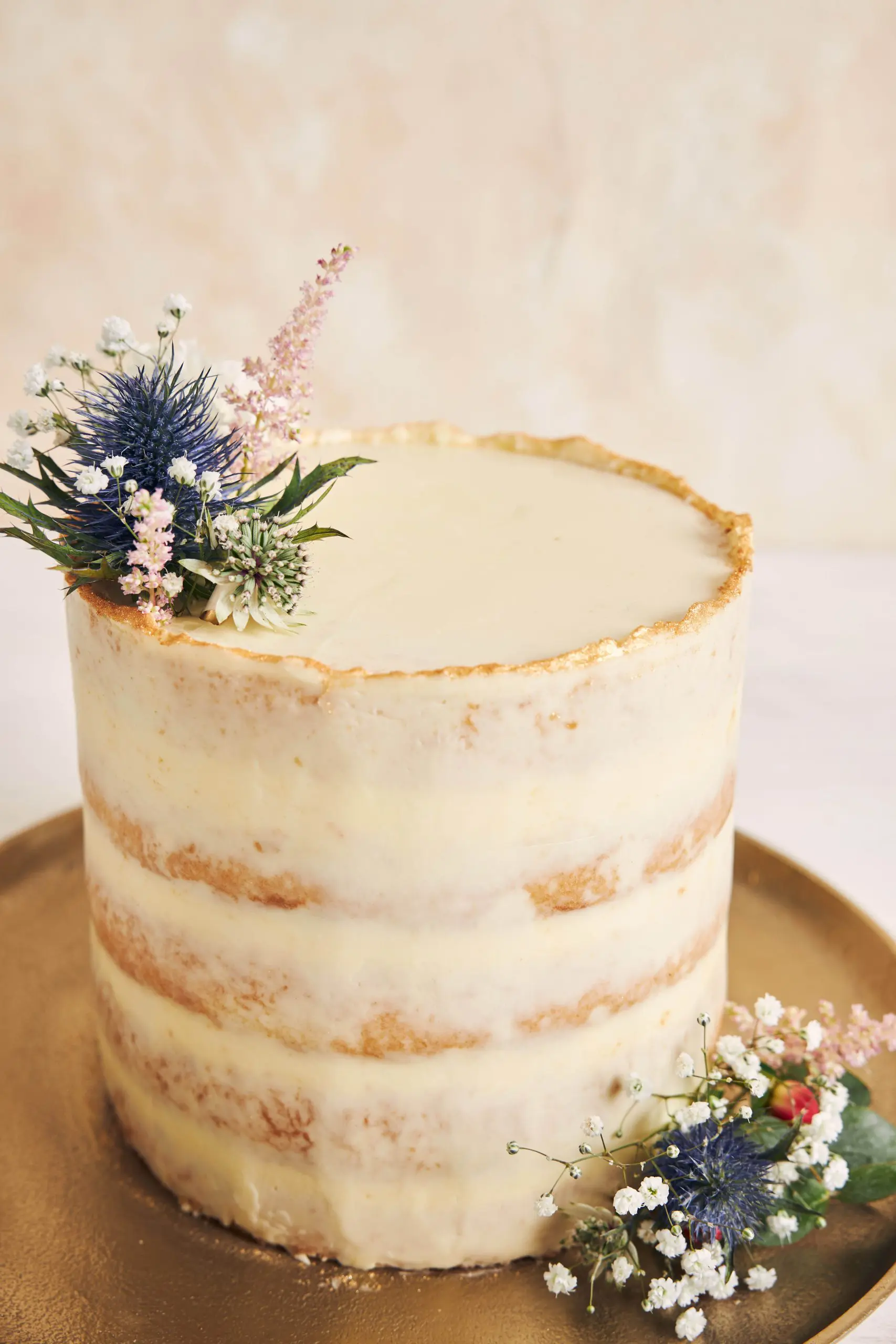
But let’s face it—what’s the point of a beautiful cake if it doesn’t taste as good as it looks? These days, flavour innovation is as important as aesthetics. Chef Lundwani points out that the days of classic vanilla and chocolate are long gone. “We’re seeing exciting flavours like matcha, yuzu, and lavender,” he says, “along with fusion creations that combine traditional Indian flavours, such as cardamom or saffron, with Western elements.” He also highlights decadent combinations like dark chocolate with sea salt, salted caramel, and passion fruit. Mozzane Karbhari, adds his take on trending flavours, spotlighting unique pairings like chocolate and cherry, lemon and blueberry, vanilla with hazelnut and salted caramel, and raspberry with rose. Chef Rakhi say,”couples are increasingly looking for something a bit different—think lavender and honey, matcha and white chocolate, or alcohol infused flavours. Our Whiskey Caramel flavor and Vodka Chilly flavor for example are extremely popular .” These flavour combinations offer a refreshing twist that caters to both local and global palates.
One thing remains consistent across all weddings, though, and that’s the desire for personalisation and customisation. Whether the event is grand or intimate, couples are going beyond the traditional white, three-tiered cake and opting for designs that reflect their personalities, cultural heritage, or wedding theme. Chef Chaminda, Head Chef at Magnolia Bakery in Bangalore and Hyderabad, notes, “Customization is key, with cakes featuring designs that reflect personal stories or wedding themes. We’ve seen an increasing demand for wedding cakes that reflect a couple’s individuality, merging traditional elements with contemporary designs,” agrees Chef Chaminda – Head Chef – Magnolia Bakery, Bangalore & Hyderabad. This trend includes integrating cultural elements and intricate decorations, allowing each cake to be a unique centrepiece at weddings.
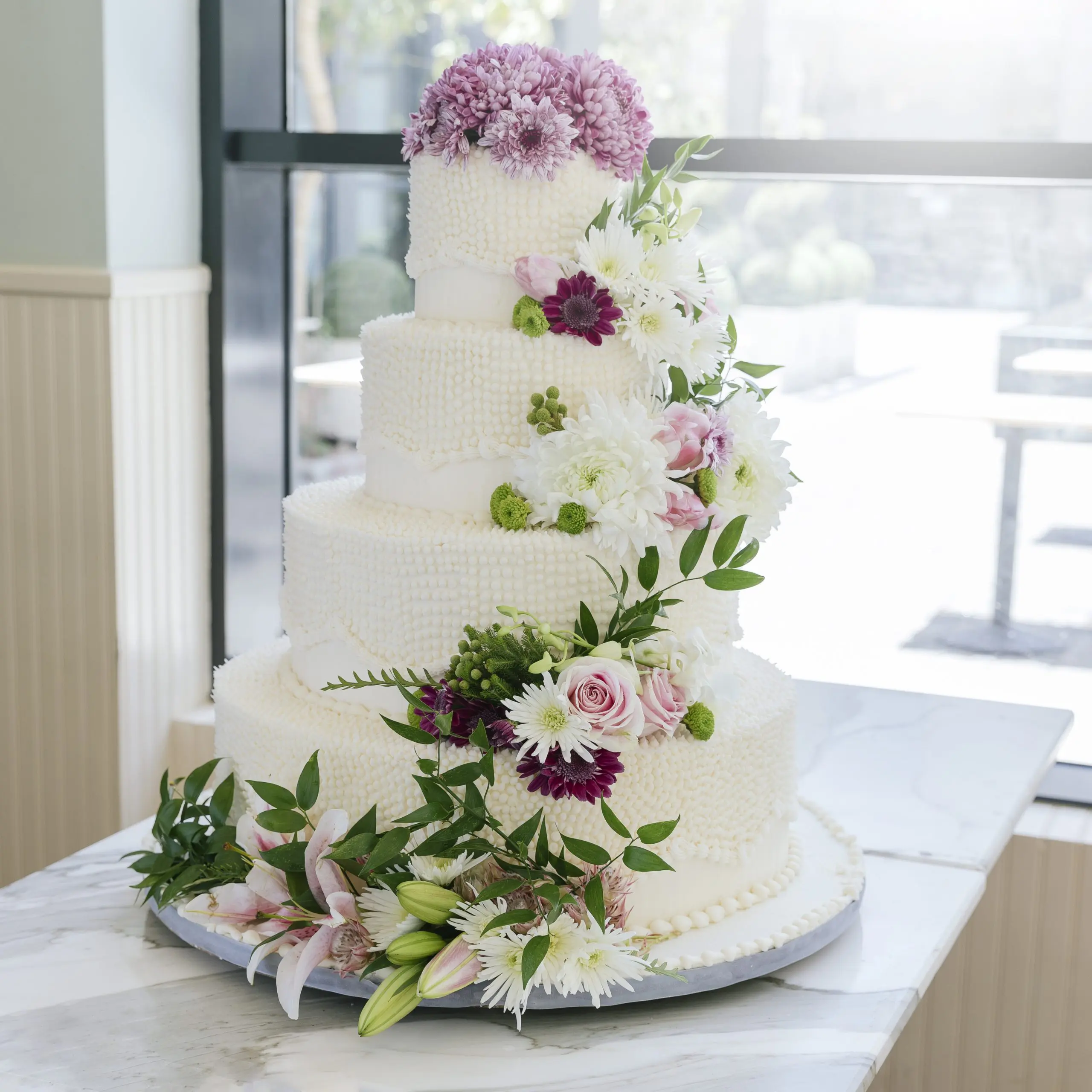
Chef Chaminda continues to sight examples by saying, “Couples are opting for highly bespoke designs that reflect their unique love stories, wedding themes, or cultural backgrounds. This also includes custom colours, designs, or even personalized toppers. Overall, wedding cakes in 2024 are becoming more about personal expression and modern aesthetics, moving away from traditional styles and towards innovative and customized designs.” While grand, towering cakes are still in vogue, we’re seeing an evolution towards more playful options as well, add Alpa. “The cake to cut is on the base and a tower of macarons on top for guests to pick from. As weddings become more intimate in 2024, there’s also a growing demand for dummy tiers—allowing the look of a grand, multi-tiered cake to be maintained while reducing wastage.”
A shift towards Artisanal bakes
The trend of extravagant, towering wedding cakes is now also being complemented by a growing interest in smaller, artisanal cakes. “This was especially pronounced during the pandemic, which saw a rise in intimate weddings. With smaller guest lists, couples are focusing on intricate details rather than size, allowing bakers to experiment with flavours and decorations. Smaller groups call for smaller weddings – often single-tier or small multi-tiered designs – which can be more personalised and intricate cakes. “With fewer guests, couples are more inclined to go for smaller cakes that are high on detail and quality. This focus on craftsmanship allows for more creativity, resulting in unique, bespoke cakes that truly reflect the couple’s style and the intimate feel of their celebration. It’s all about creating something special that accentuates the couple’s vision for their big day,” said Chef Rakhi. Even though the cakes are smaller, couples are embracing custom shapes, geometric patterns, and deconstructed designs, ensuring their cakes remain a show-stopping part of the event. “We’re also seeing more geometric shapes, asymmetric designs, and sculptural elements. There are even requests for life-size cakes of the Bride and Groom these days. It’s all about making a statement and creating a cake that feels unique to the couple’s story and style,” adds Chef Rakhi.
The Future of Wedding Cakes in India
As Indian weddings continue to evolve, the wedding cake trend is likely to remain a popular fixture. The cake-cutting ceremony is slowly becoming a cherished moment. Looking ahead, we can expect wedding cakes to become even more experimental, with bakers exploring local, sustainable ingredients, vegan and gluten-free options, and more diverse flavour profiles to meet the demands of health-conscious couples. In the future, with technology like 3D printing, we can expect even more creative and personalized cake designs. The bottom line is that whether couples choose a towering masterpiece or a small, intimate confection, wedding cakes have officially become a delicious new chapter in the grand Indian wedding story.