Wealthy Indian Travellers Take ‘Wait-and-Watch’ Approach Amid Global Tensions
- Featured Travel & Hospitality
 Yashita Damani
- 9 minutes read

In a world of shifting borders and evolving geopolitical tensions, travel has become a carefully orchestrated art form a synthesis of culture, adventure and discretion designed for those who move through the world with intention and ease. From private yachts navigating sensitive waters to secluded resorts designed for complete privacy, bespoke experiences are redefining the meaning of luxury travel.
We spoke to Akansha Agarwal, Co-founder and CMO of Int2Cruises, who said that ultra-high-net-worth Indian travellers are currently taking a cautious “wait-and-watch” approach to international travel plans. According to her, most clients are not cancelling trips outright but are holding back from confirming long-haul journeys to Western destinations that involve flying through geopolitically sensitive regions.
She noted that Europe remains firmly on the wishlist for summer travel, and the intent to visit the region has not faded. However, since Indian travellers typically transit through the Middle East, many are hesitant to commit immediately and are waiting for more clarity on the geopolitical situation.
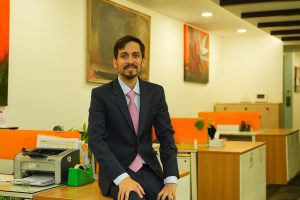
Udit Kumar, Co-founder, Brij hotels believes the opposite, “I don’t think it has reduced the desire to travel, but it has definitely made people more thoughtful about how and where they travel. There’s a visible shift towards destinations that feel safe, familiar, and easy to get to. Because of that, a lot of Indian luxury travellers are rediscovering places closer home instead of always looking outward.”
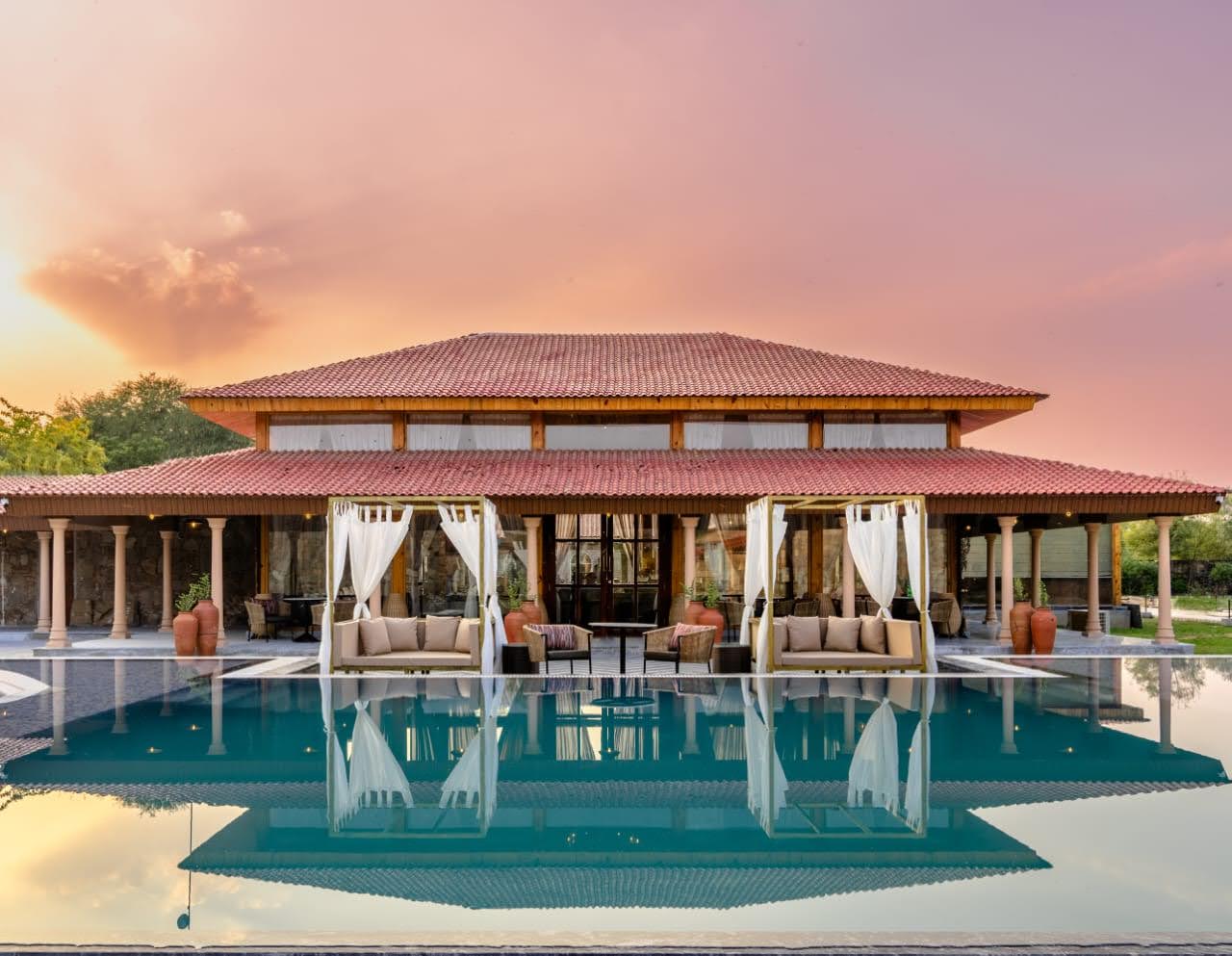
“What’s interesting for us at Brij hotels is that the locations we’ve chosen were never about being “popular”, they were always about being slower, more immersive, andslightly removed from the chaos. And that’s exactly what travellers are seeking today. We’re seeing guests choose spaces where they don’t feel the need to do too much; whether it’s being close to nature, spending time within the property, or just having the luxury of privacy.”
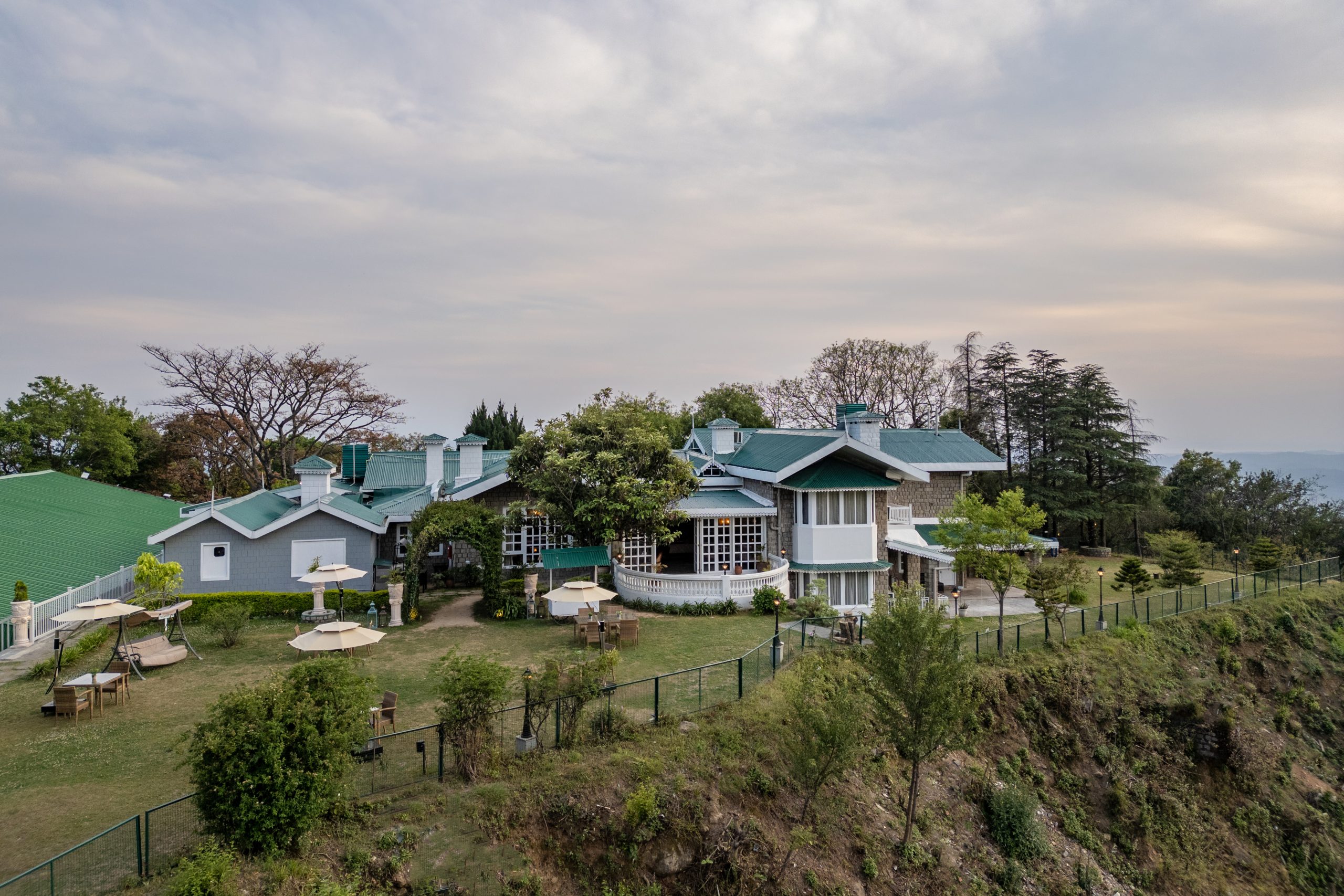
“The destination becomes less about ticking a box and more about how it allows you to feel. At the same time, people are moving away from crowded, checklist-style travel. There’s more interest in smaller, more private stays where they can switch off, spend time with themselves or their families, and not feel rushed. Luxury, in that sense, is changing. It’s becoming less aboutdistance and more about how comfortable and present you feel while you’re there. If anything, global uncertainty has just accelerated this shift. Travel is becoming more personal, more intentional, and a lot more grounded than it used to be.”

Global conflicts may dominate headlines, but for the world’s wealthiest travellers the instinct to explore has not disappeared it has simply evolved. In 2026, the ultra luxury travel landscape is less about conspicuous indulgence and more about calculated movement, where security, privacy and logistical precision shape how and where the affluent travel.
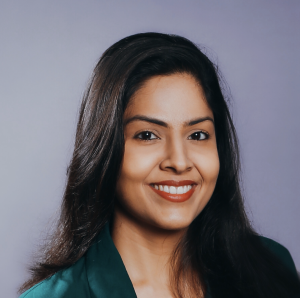
According to Saloni Mahajan Narang, Founder, Paras Corporation India and Middle East, global instability has not slowed UHNI travel demand, but it has fundamentally changed how journeys are planned. “The travel landscape for ultra high net worth individuals is shifting from conspicuous consumption to mitigated risk,” she notes. In practical terms, this means travellers are placing greater emphasis on security protocols, discreet logistics and destinations perceived to offer political stability.
Rather than cancelling trips altogether, affluent travellers are recalibrating their itineraries. Certain regions once synonymous with luxury tourism are being quietly replaced by destinations considered safer or more remote. Parts of Eastern Europe are seeing reduced interest, while travellers are gravitating toward destinations such as Norway and Iceland in the Nordics. Similarly, some traditional Middle Eastern hubs are being swapped for alternatives like Morocco, private Nile cruises in Egypt, or island escapes across the Indian Ocean including the Maldives and Seychelles.
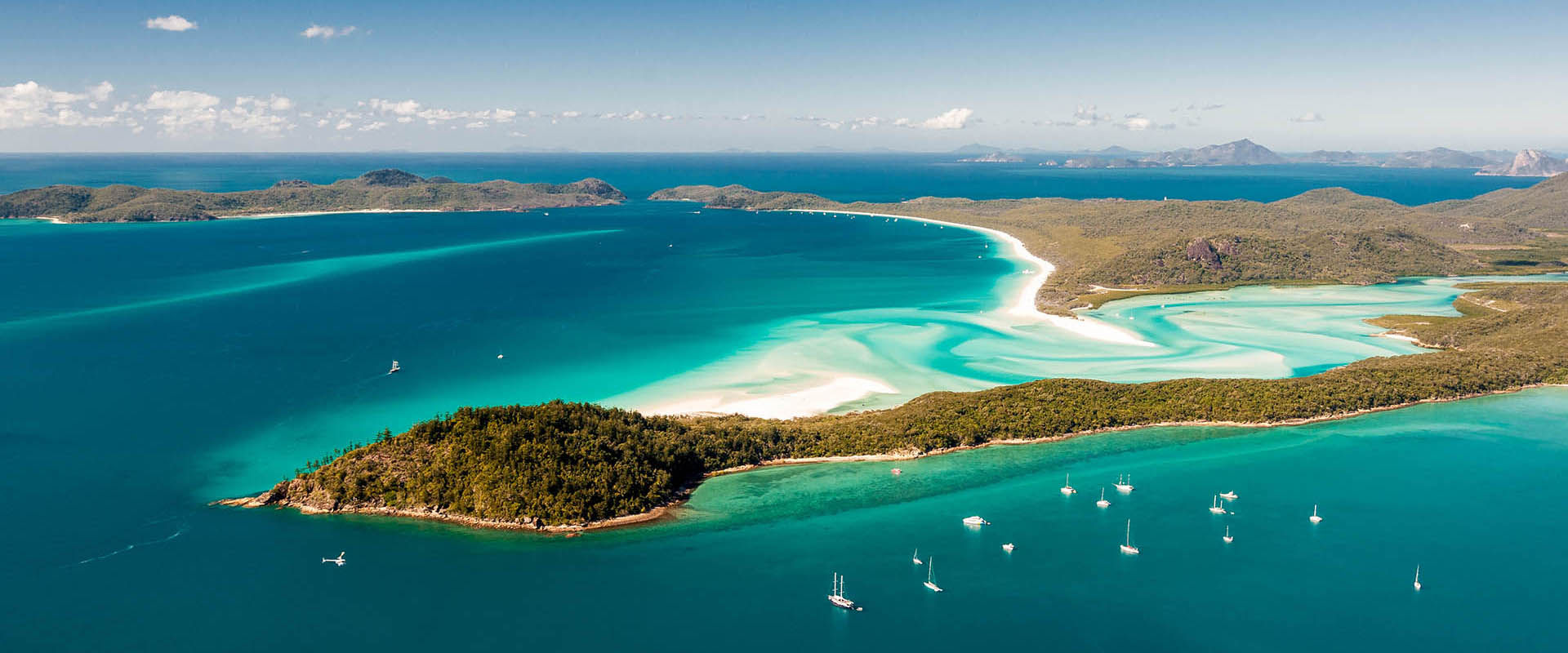
This shift has also given rise to what industry insiders are calling “fortress tourism”, an emerging preference for environments where privacy and control are paramount. Private islands, exclusive use villas and fully staffed estates are increasingly sought after, allowing travellers to experience luxury while limiting exposure to crowds and unpredictable situations.
Agarwal added that some travellers are redirecting their plans to Southeast Asia, which is being viewed as a more predictable alternative at the moment. She pointed out that cruises departing from Singapore are witnessing strong traction, particularly with new launches such as the Disney Adventure attracting significant interest.
She also observed that Indian cruise travellers traditionally book 60–90 days before sailing, which is already shorter than the booking window seen in Western markets. In the current environment, however, the planning cycle has shortened even further, with many travellers choosing to book much closer to departure. Finally, she highlighted that cruises sailing from Singapore are currently seeing strong demand due to ease of access and new ship launches, while Europe continues to remain an aspirational destination, albeit with bookings progressing more cautiously as travellers wait for greater stability.
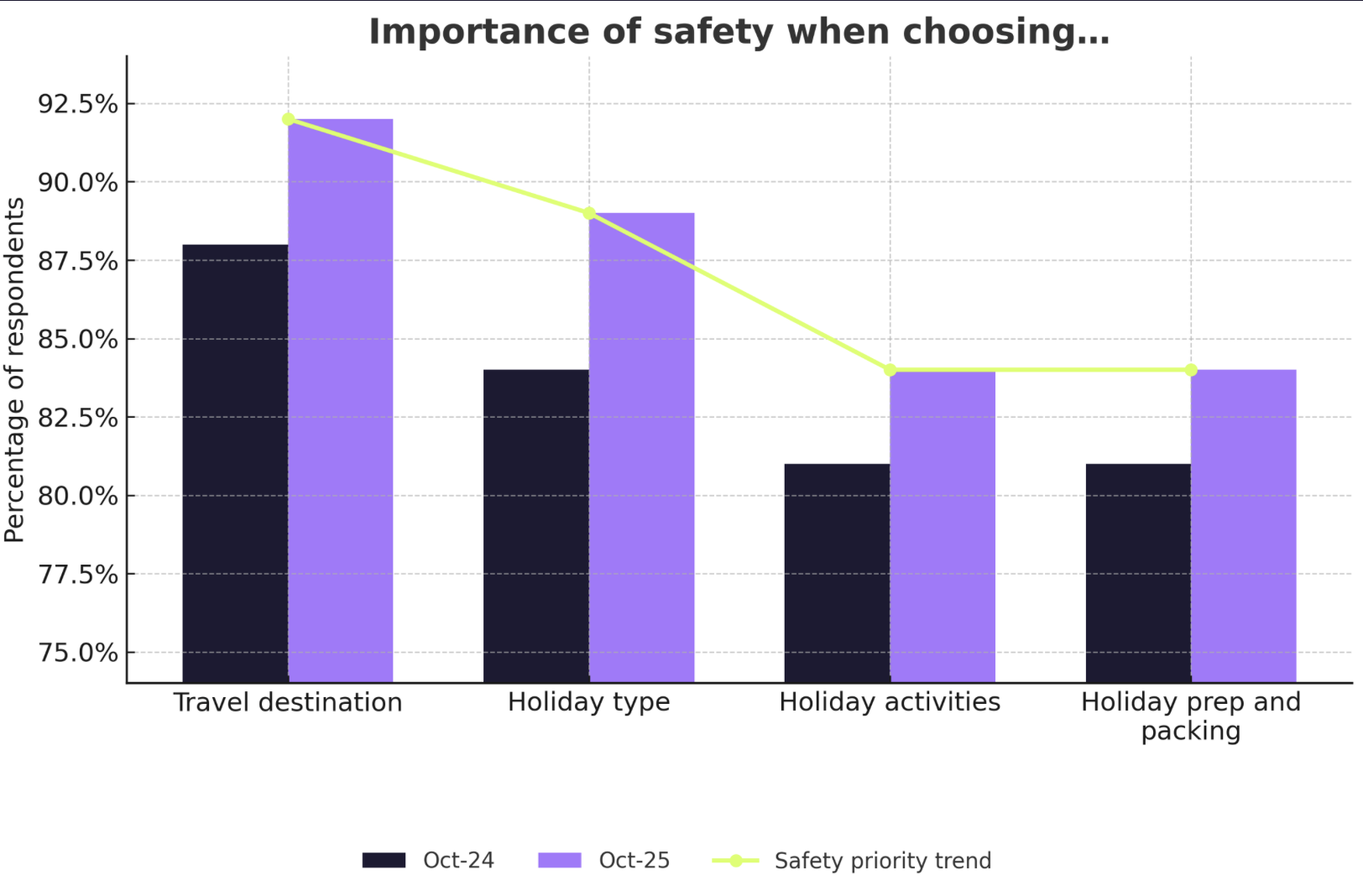
Amid rising geopolitical tensions, Indian travellers are increasingly prioritising destinations perceived as safe, stable and easy to navigate. According to travel platform Cordelia, countries such as Japan, Thailand, Singapore, Switzerland and Vietnam continue to attract interest due to their strong infrastructure, efficient public transport systems and well-established tourism ecosystems. The shift reflects a broader global trend: travel research indicates that safety and security have become a key factor in destination selection, with a majority of travellers saying risk concerns influence where they choose to go. However, experts note that this caution often plays out mainly at the destination-selection stage.
As Katherine Atkinson, CEO of Safer Tourism, observed in earlier research (2025), travellers tend to focus heavily on safety while deciding where to go, but once the destination is chosen, attention gradually shifts to itinerary details and bookings, with safety concerns becoming less central during the later stages of planning.
For the discerning traveller, vacations are no longer just about the destination. It is about the gravity of the situation, the reassurance of safety, and the assurance of absolute discretion. Ultra luxury travel today balances desire with prudence, offering journeys that merge exclusivity, comfort and security in equal measure.
You may also read: Luxury’s flatline year: 2026’s Desire Deficit