Inside the Distillery Driving India’s Whisky Rise
- Featured Spirits
 Yashita Damani
- 11 minutes read

Amrut’s origins stretch back further than most people realise. Long before it became a globally recognised single malt producer, it existed as a pharmaceutical unit over 77 years ago. Its early foray into alcohol came through rum, an inherently Indian product shaped by sugarcane, climate, and fermentation traditions. Whisky arrived later, with pot stills in the 1980s, quietly laying the foundation for what would eventually become a defining chapter in Indian spirits.
With rising affluence, a more informed consumer base and increasing international recognition for Indian single malts, the question is no longer whether India belongs in the global luxury whisky conversation, but how far it can lead it. LuxeBook speaks to Mr. Rakshit N Jagdale, MD, Amrut Distilleries on craftsmanship, consumer evolution and India’s growing confidence on the world stage.
Walking into Amrut Distillery in Bengaluru does not feel like entering an industrial space. It feels like stepping into a living archive of Indian alcohol history, where time, temperature, and patience work as quietly as the people who tend to them. The first thing you notice is the aroma. Even before the tour begins, the air carries the warm, cereal sweet scent of barley. It is comforting and grounding, somewhere between breakfast grain and damp earth after rain. This is where whisky announces itself, not in taste, but in smell.
Amrut and the Making of Modern Indian Whisky
The process begins with barley, treated with almost ritualistic care. Six row barley sourced from India forms the backbone, robust and full bodied, while two row peated barley from Scotland adds balance and smoke. The grains pass through a three level vibrating system and cyclone separator that sifts them with precision before water ever touches them.
Germination is carefully controlled, especially in India’s naturally dry climate. The grains are soaked until three fourths of their body absorbs water, just enough to release fermentable sugars. Stop the process too early or too late and the chemistry collapses. Get it right, and yeast has exactly what it needs to convert sugar into alcohol.
Once milled, the grain becomes grist. Only ten percent can be fine flour. Hot water is added in stages, first at sixty degrees and then at seventy five, extracting sugars without cooking the grain. What emerges is closer to beer than whisky, alive and aromatic, waiting for its next transformation.
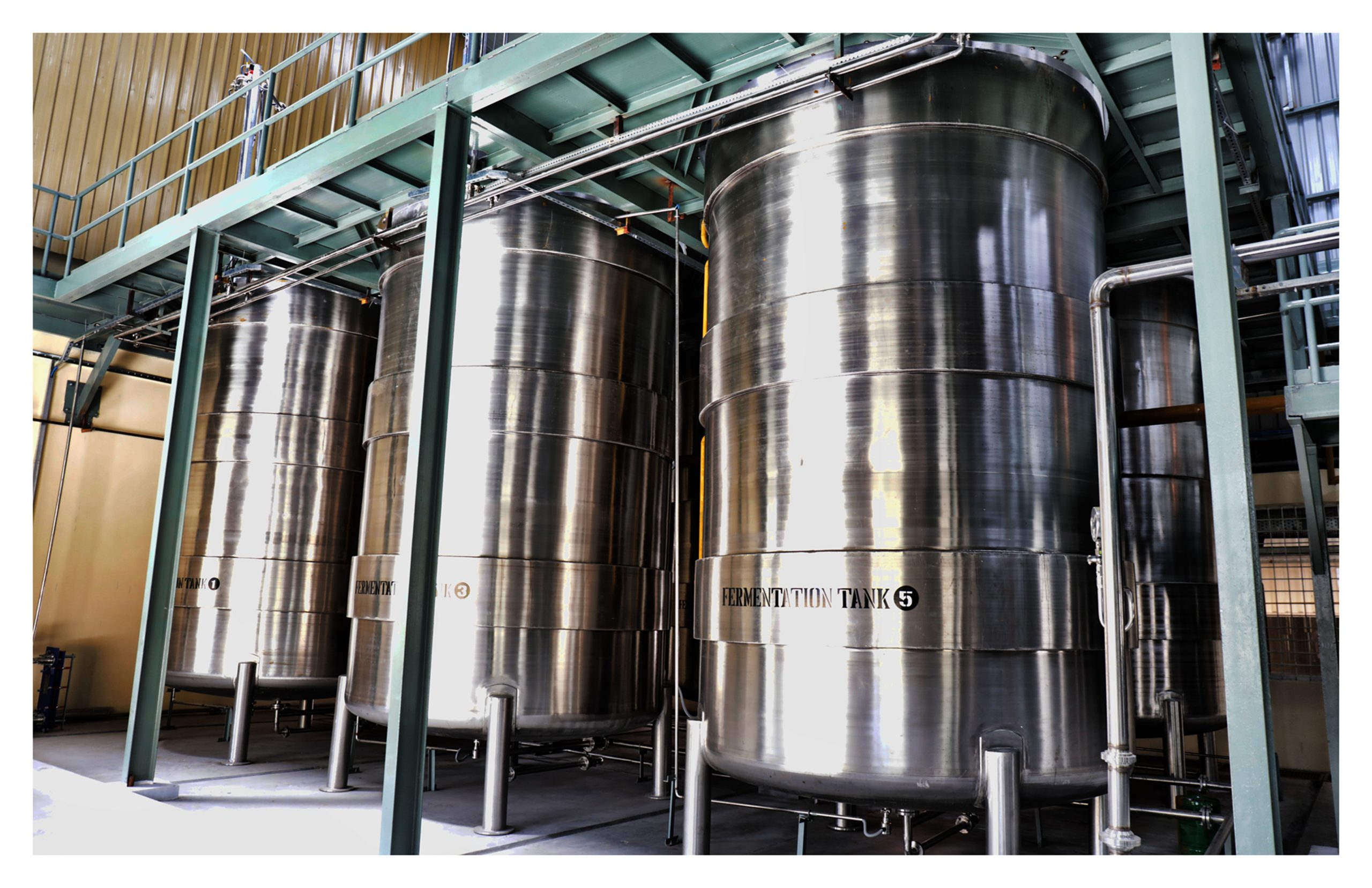
Fermentation here feels both scientific and instinctive. It is explained through a familiar image, bananas or jackfruit breaking down rotten in a closed room. Sugar turns into alcohol on its own terms. Fun fact: the fermentation tanks hold up to twenty one thousand litres, yet the process remains fragile. There is no artificial heating, only chemistry at work.
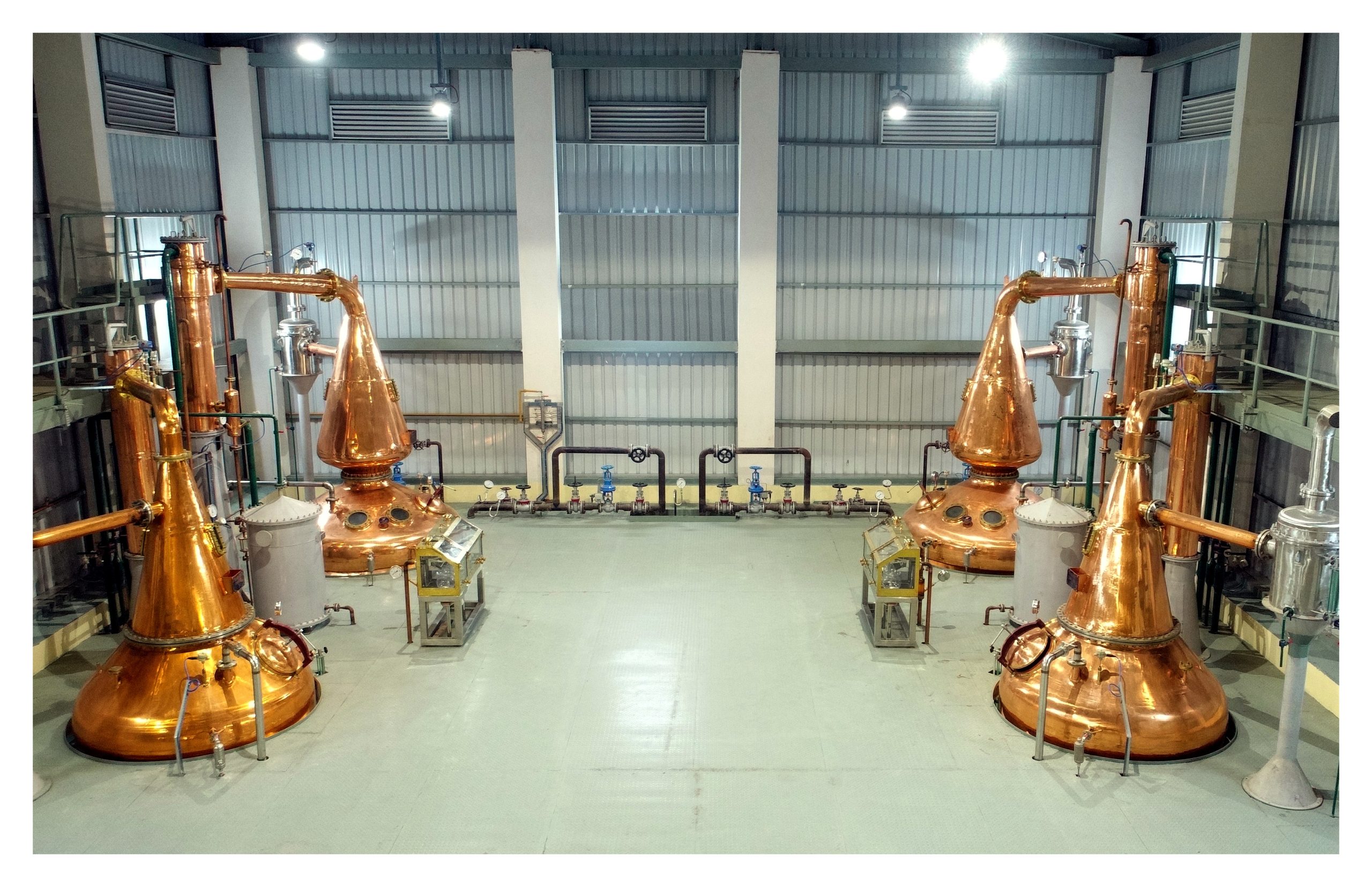
Distillation is where the romance of whisky meets real danger. Alcohol strength rises from eight percent to nearly twenty through evaporation and condensation. The low wines smell harsh and unpleasant, often compared to baby vomit, a reminder that whisky is not born refined (it becomes so with time). Methanol is carefully managed, separated through heads and tails using gravity meters and thermometers. A single misstep can be fatal (literally). Add demineralised water at the wrong stage and the liquid turns milky, instantly unfit for consumption.
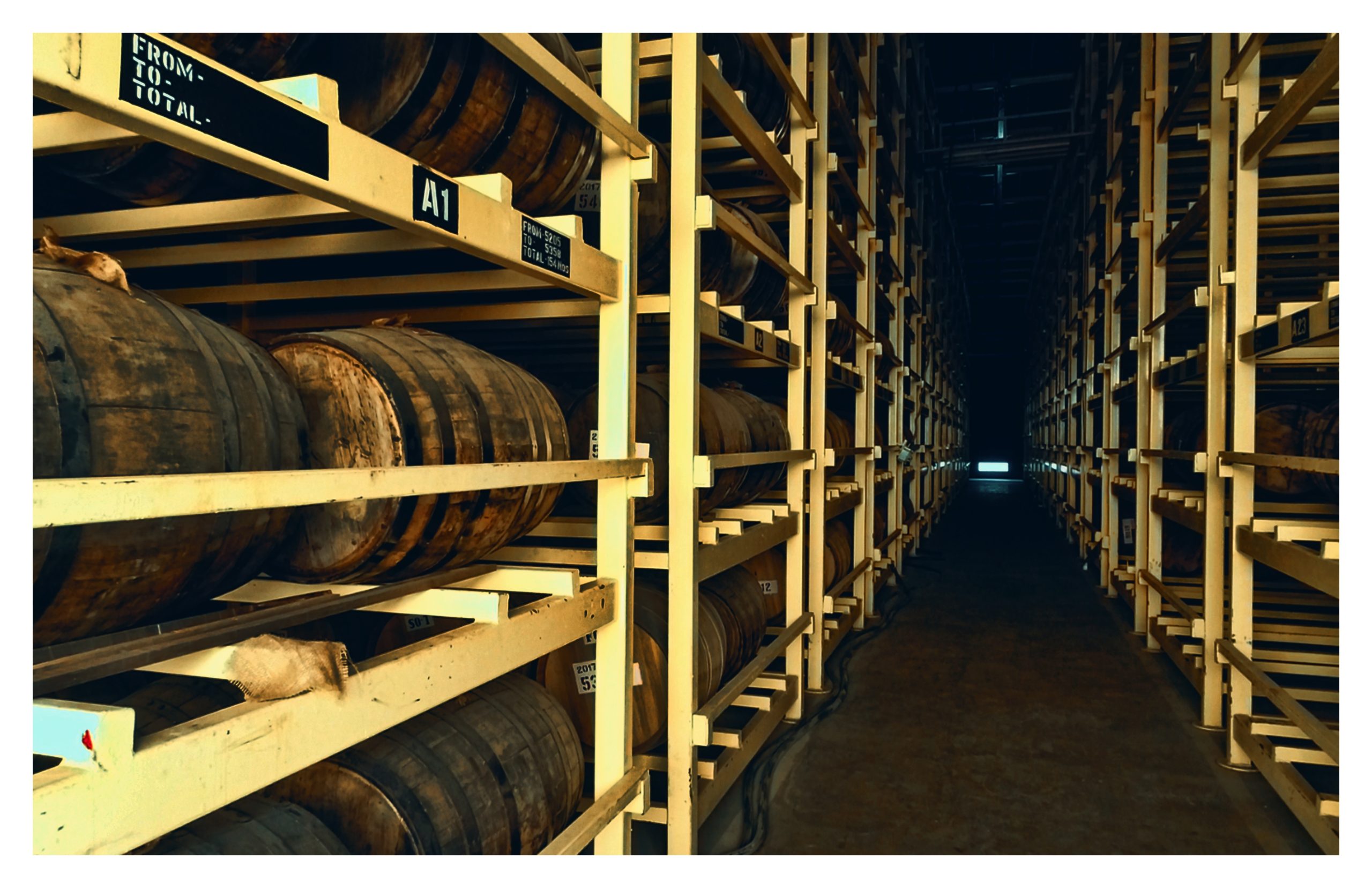
Once distillation ends, control slowly leaves human hands. Maturation is described as whisky going to sleep. Barrels breathe and Oxidation begins. Wood touches spirit, releasing colour and complexity. Each cask can only be used three times before it has nothing left to give.
This is where Indian whisky comes into its own. The climate accelerates interaction between spirit and wood, creating whiskies that are robust, mouthful, fruit forward, and expressive.
Scotland Made the Rules, Amrut Broke Them
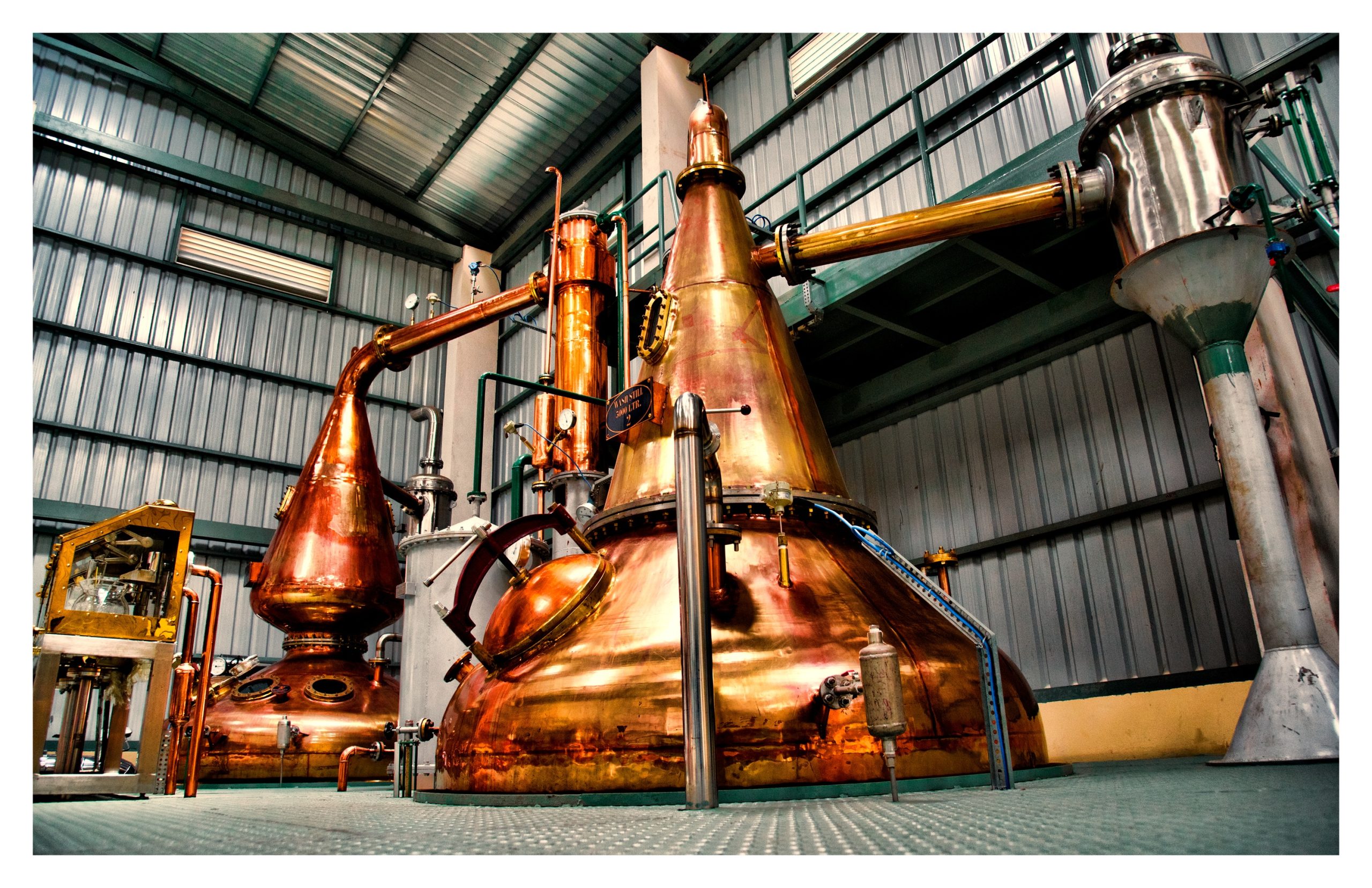
Scottish whiskies feel lighter and more restrained in comparison. Both are beautiful, but they speak different languages. Narangi, Amrut’s orange finished expression, lingers as proof of thoughtful innovation. Aromatic, balanced, and elegant, it feels rooted rather than experimental. At Amrut, distillation is a man made process. Everything after belongs to nature. Time, heat, oxygen, and wood decide the final character. You do not just taste whisky here. You witness its becoming.
In conversation with Amrut Distilleries
India’s luxury spirits landscape is undergoing a quiet but decisive shift. Once viewed primarily as a volume driven market, the country is now emerging as one of the most influential premium spirits destinations globally.
LuxeBook: Can India realistically set global trends in luxury whisky rather than follow them?
MD, Rakshit N Jagdale: India today stands at a point where it can confidently shape the future of luxury whisky. At Amrut, our journey from pioneering Indian single malts to earning top global awards and international recognition reflects that shift. Our unique climate, indigenous barley and bold maturation techniques have created flavour profiles admired worldwide. These achievements demonstrate that Indian whisky is influencing global conversations, setting benchmarks and inspiring new directions in the luxury spirits space.
LuxeBook: Has the Indian luxury spirits consumer matured faster than the industry expected?
MD, Rakshit N Jagdale: Yes, the Indian luxury spirits consumer has evolved far quicker than many anticipated. Today’s consumer is informed, experimental and deeply quality conscious, with a strong appreciation for tradition, craftsmanship and authenticity. Greater global exposure, travel and access to premium products have accelerated this shift. At Amrut, we see this maturity reflected in the growing demand for single malts and more nuanced whisky expressions across Indian markets.
LuxeBook: Is India now the most important growth market for luxury spirits globally?
MD, Rakshit N Jagdale: Factors such as rising affluence, increased global exposure and rapid premiumisation give India a unique edge. These elements make it one of the most influential markets globally and a key focus for luxury spirits players looking to shape future growth rather than simply chase volume.
LuxeBook: Where do you draw the line between scaling up and protecting luxury credibility?
MD, Rakshit N Jagdale: Growth and luxury can coexist, but quality must always come first. We scale carefully, ensuring every bottle reflects the same craftsmanship and care our consumers expect. Meeting demand is important, but every decision we make is guided by preserving the premium character of our whiskies and the experience that has built trust in the Amrut name.
LuxeBook: Which category will define India’s luxury spirits future by 2030?
MD, Rakshit N Jagdale: By 2030, premium and single malt whiskies are likely to lead India’s luxury spirits growth. Consumers are increasingly adventurous, exploring distinctive flavours, cask styles and authentic Indian expressions. While other luxury categories will grow, single malts will define India’s position in the global spirits landscape.
LuxeBook: Does “Made in India” now add prestige in the global whisky conversation?
MD, Rakshit N Jagdale: Absolutely. Indian single malts are now being tasted and celebrated alongside the world’s best, earning awards that have shifted perceptions. They are no longer novelties but serious, world class spirits. India’s climate, craftsmanship and distinctive flavour development are now recognised as strengths, adding both credibility and prestige on the international stage.
LuxeBook: Looking ahead to 2030, which luxury spirits segments will define India’s next growth phase?
MD, Rakshit N Jagdale: Single malt whiskies will continue to lead, alongside premium craft spirits, aged expressions and limited releases. These segments reflect a shift toward quality, storytelling and experience, which will define India’s next chapter in luxury spirits.
LuxeBook: With younger consumers driving discovery, how critical is cultural narrative and Made in India authenticity to global ambition?
MD, Rakshit N Jagdale: Cultural narrative and Made in India authenticity are central to India’s luxury spirits future. Younger consumers care deeply about the story behind what they drink. By highlighting Indian heritage, climate and craftsmanship, whiskies like Amrut offer not just flavour, but an authentic experience that resonates both locally and globally.
India’s ascent in the luxury whisky world is no longer speculative, it is already underway. With producers like Amrut leading through craftsmanship, confidence and cultural authenticity, Indian single malts are redefining how luxury is created, matured and experienced. As global markets evolve, India stands poised not just as a growth engine, but as a tastemaker shaping the future of luxury spirits worldwide.
You May Also Read: Richemont Surpasses Expectations as Cartier Jewellery Drives Holiday Quarter