Chef Radhika Khandelwal on Redefining Dining at JOALI Maldives
- Featured Food & Beverage
 Yashita Damani
- 14 minutes read

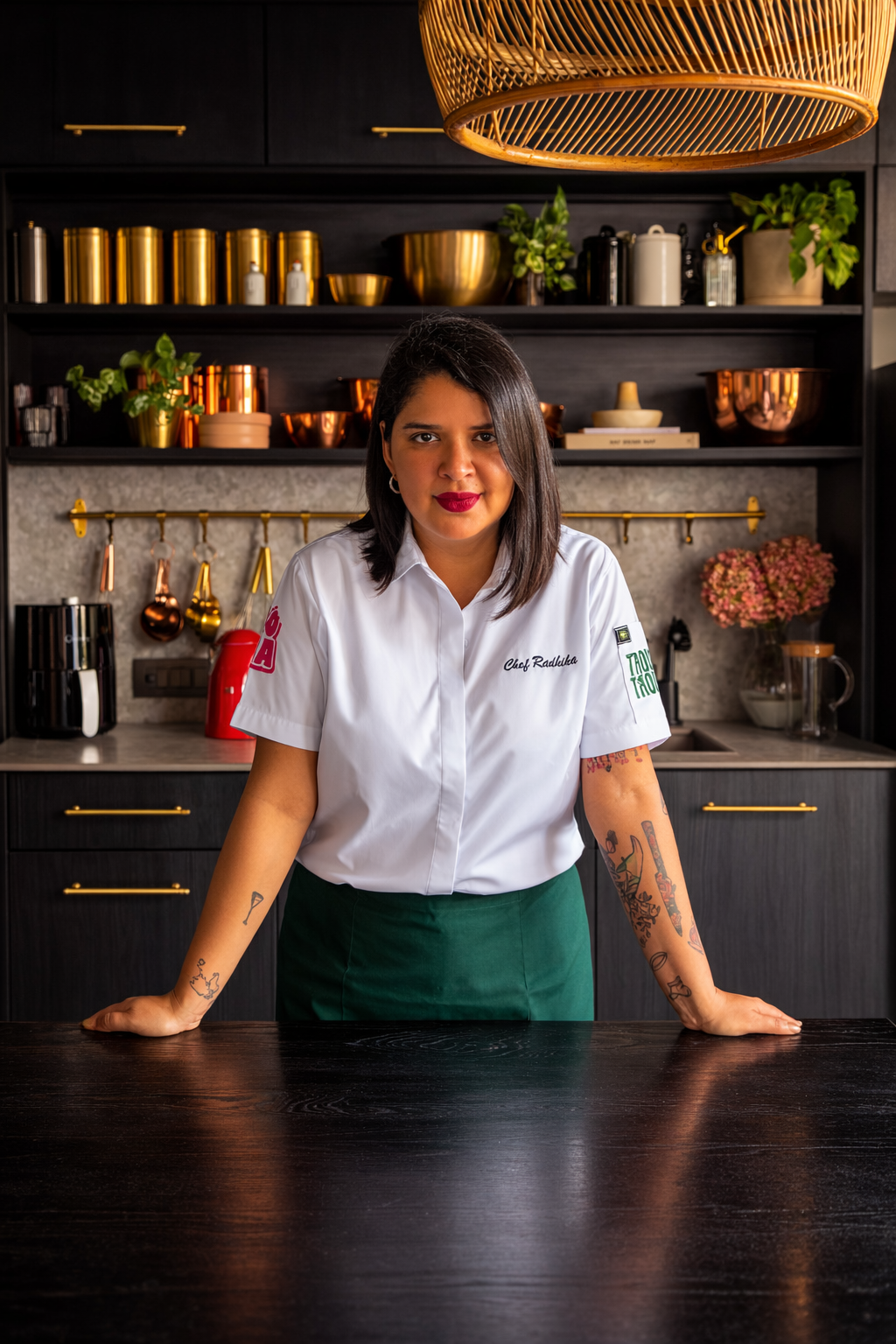
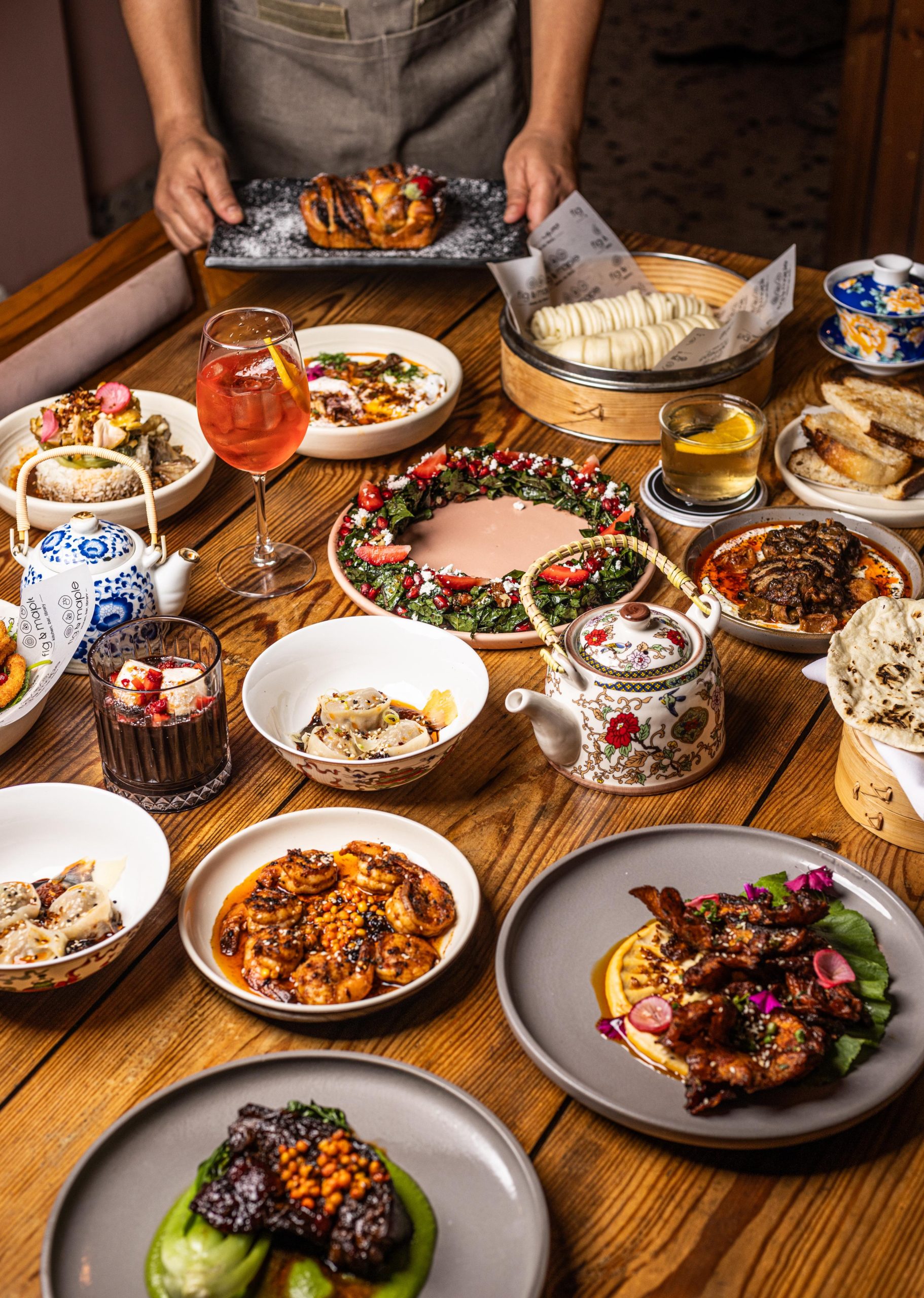
Ultra luxury island retreat JOALI Maldives is set to host acclaimed Indian chef Radhika Khandelwal for an exclusive culinary residency from May 1 to May 4, 2026. Known for her ingredient driven philosophy and commitment to sustainability, the chef is the founder of Delhi’s celebrated restaurants Fig & Maple, Kona and Trouble Trouble, and the creator of the globally recognised Zero Waste Hero movement.
Rooted in the philosophy of conscious cooking and experiential dining, the residency invites guests to explore food as a journey that blends storytelling, technique and sensory discovery. The workshop explores unconventional flavour combinations such as masala chai infused gin, earthy mushroom based spirits and apple cinnamon infusions, blurring the boundary between cocktail craft and culinary artistry. Participants will also gain a practical culinary shorthand a set of intuitive techniques for creating elevated cocktails and complementary small plates with confidence. From interactive workshops and cocktail explorations to an intimate six course dinner, the residency reflects JOALI Maldives’ ethos of mindful luxury and immersive experiences.
At LuxeBook, we spoke to Chef Radhika about the inspiration behind the collaboration, the role of sustainability in fine dining and how the island setting has shaped the menus for this special residency.
LuxeBook: What inspired your collaboration with JOALI Maldives, and what can guests expect from this exclusive culinary residency?
Chef Radhika Khandelwal: Guests can expect an immersive, multi-sensory culinary journey that goes far beyond just dining. This residency is designed as a dialogue between food, place, and people—where every experience is both indulgent and deeply intentional.
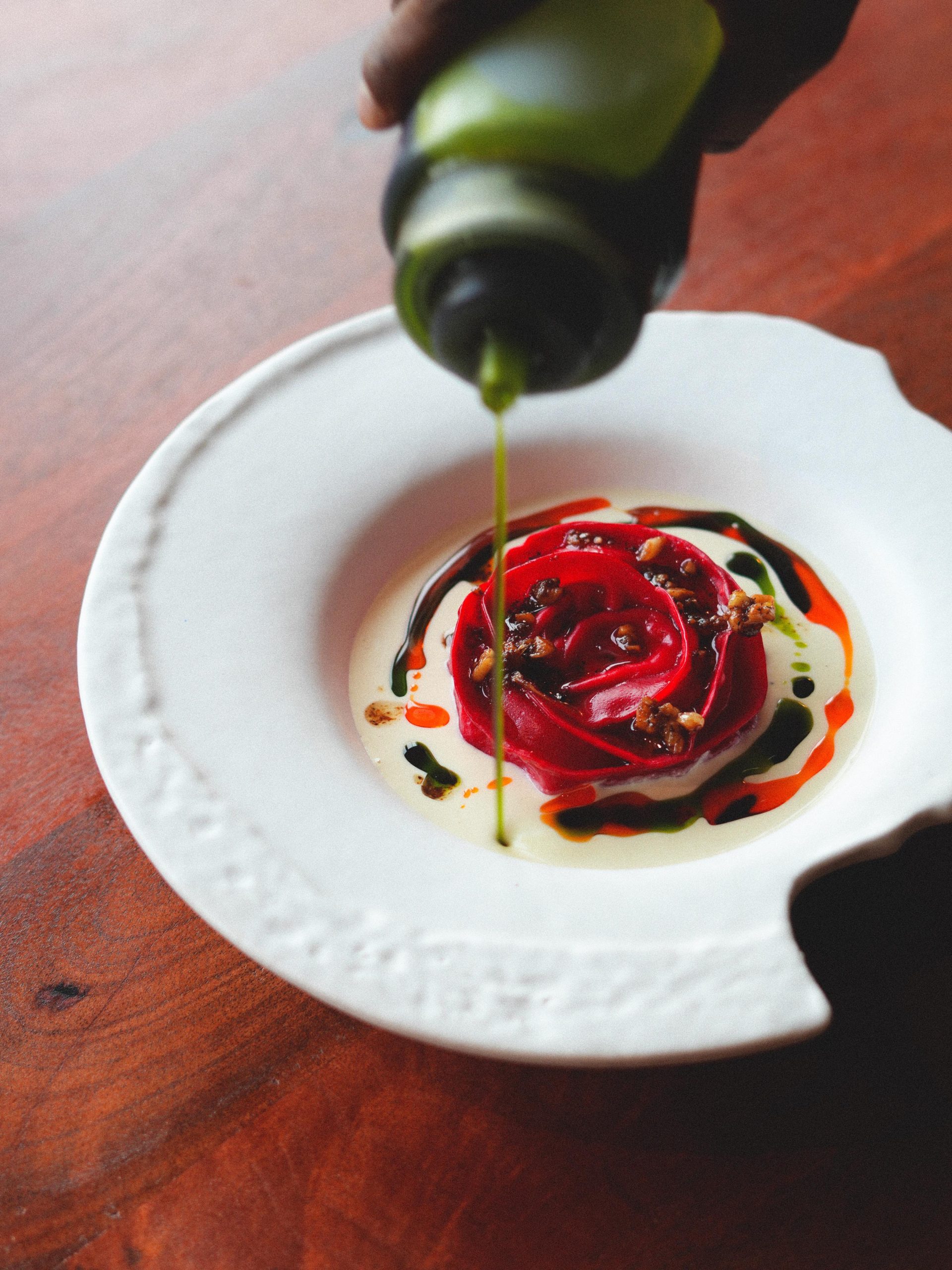
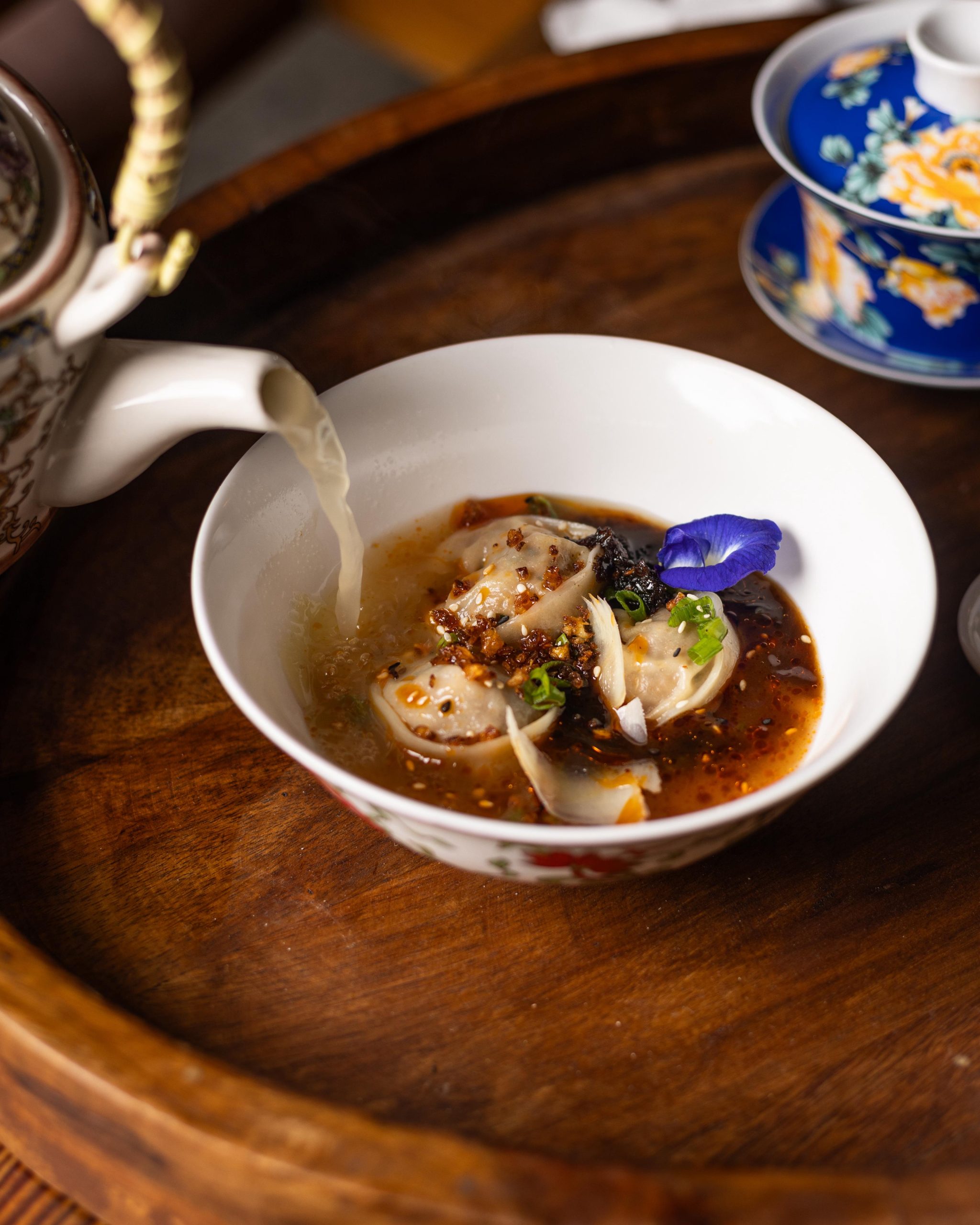
At its core, the residency brings together a series of curated moments: an interactive workshop, flavour-led cocktail explorations, and an intimate multi-course dinner. The menu itself draws from my ingredient-first philosophy—celebrating Indian flavours through a contemporary lens, with a strong focus on seasonality, fermentation, and zero-waste practices. What makes it truly special is the participatory nature of the experience. Guests won’t just consume—they’ll engage. Whether it’s understanding how a masala chai can be translated into a spirit, or discovering how overlooked ingredients can transform into something refined, the idea is to make the process as exciting as the final plate.
Set against the backdrop of JOALI Maldives, the residency also reflects a sense of mindful luxury—where storytelling, technique, and environment come together seamlessly. It’s about slowing down, being present, and experiencing food not just as nourishment, but as memory, craft, and connection.
LuxeBook: Your cooking philosophy centres around conscious and sustainable dining. How will that translate into the menus you’ve created for this residency?
Chef Radhika Khandelwal: For me, conscious and sustainable cooking isn’t a separate philosophy—it’s simply how I’ve always approached food. And in a place like JOALI Maldives, that way of thinking becomes even more intuitive, because you’re surrounded by a fragile, incredibly rich ecosystem.
The menus for this residency are built around a deep respect for ingredients—using them fully, thoughtfully, and without excess. That could mean working with preservation techniques like fermentation, pickling, and curing to extend the life of produce, or designing dishes where what is often considered “waste” becomes the starting point for flavour. Peels, trims, and by-products are not discarded—they’re transformed into broths, condiments, or layered elements within the dish.
At the same time, sustainability here also means restraint. Not overcomplicating food, not over-importing ingredients, and allowing what’s locally available to guide the menu. The idea is to create something that feels luxurious, but is rooted in mindfulness rather than excess. Ultimately, I want guests to experience that sustainability doesn’t have to feel restrictive—it can be abundant, creative, and deeply delicious.
LuxeBook: As the founder of the Zero Waste Hero movement, how do you incorporate zero-waste practices into a luxury dining environment?
Chef Radhika Khandelwal: For me, zero-waste is not about limitation—it’s about intention. And luxury, at its best, is also about intention. So the two actually complement each other beautifully.
In a luxury dining environment like JOALI Maldives, zero-waste translates into a deeper level of thought and refinement. Every element on the plate has a purpose. Ingredients are used in their entirety, but in a way that feels seamless and elevated—whether that’s a broth built from trims, a ferment that adds depth to a sauce, or a garnish that comes from something that would typically be overlooked.
It also reflects in how the menu is designed. I prefer working with a tighter selection of ingredients and exploring them fully, rather than creating excess through variety. Techniques like fermentation, preservation, and curing allow us to build complexity while reducing waste, and often result in flavours that are far more interesting than conventional approaches.
Beyond the plate, it’s also about shifting perception. Guests may not immediately realise they’re experiencing a zero-waste meal—and that’s intentional. The goal is not to highlight the absence of waste, but to showcase abundance, creativity, and care. Because to me, true luxury today is not just about what you consume—it’s about how thoughtfully it has been created.
LuxeBook: How has the island setting of the Maldives influenced your culinary approach for this residency?
Chef Radhika Khandelwal: The Maldives has a very quiet, grounding energy—it naturally makes you slow down, observe more, and cook with a greater sense of restraint. That shift has deeply influenced how I’ve approached this residency.
Being on an island immediately changes your relationship with ingredients. There’s an inherent awareness of what is available, what travels, and what should be left untouched. Instead of imposing ideas, I’ve allowed the environment to guide the menu—leaning into local produce, seafood, and the rhythm of the place. It has also pushed me to simplify. Not in a reductive way, but in a way that allows each ingredient to be fully expressed. The flavours are cleaner, the plates more focused, and the techniques more intentional. There’s less noise, and more clarity.
At the same time, the island has opened up a beautiful dialogue with my own culinary language. You’ll see Indian flavours and techniques woven in, but interpreted through the lens of the Maldives—whether it’s through the use of coconut, acidity, or preservation techniques adapted to the climate. Ultimately, the setting has encouraged me to cook with sensitivity—where the food doesn’t overpower the place, but becomes a part of it.
LuxeBook: Will local Maldivian ingredients or flavours play a role in the dishes you’ll be presenting to guests?
Chef Radhika Khandelwal: Being in the Maldives, you’re surrounded by some of the freshest, most pristine seafood, and it naturally becomes the anchor of the menu. What’s been exciting for me is working with that immediacy—ingredients that don’t need heavy intervention, just thoughtful handling.
You’ll see a lot of clean, flavour-forward preparations that let the seafood speak for itself, while still carrying my signature approach. Techniques like light curing, fermentation, and sharp, acidic pairings come in to enhance rather than mask. There’s also a strong focus on texture—balancing delicate, fresh elements with deeper, more complex components built from stocks, reductions, or preserved elements.
At the same time, I’ve been mindful of using the whole ingredient. Fish bones and shells are used to build broths and sauces, trims find their way into condiments or layered elements—so the menu quietly carries a zero-waste philosophy even within a luxury context.
LuxeBook: Experiential dining is becoming increasingly important in luxury hospitality. How do you design a dining experience that goes beyond just the food?
Chef Radhika Khandelwal: For me, the food is just one part of the experience—it’s the entry point, not the entire story. Designing an experiential meal starts with thinking about how a guest feels from the moment they enter the space to the moment they leave. It’s about rhythm, pacing, interaction, and memory. At JOALI Maldives, that translates into creating moments that unfold rather than just a sequence of courses.
I’ve always believed that people connect more deeply when they understand what they’re experiencing. So storytelling becomes a key element—whether it’s the origin of an ingredient, a technique like fermentation, or the journey of how a dish came together. But it’s never presented as information—it’s woven subtly into the experience, through conversation, presentation, and sometimes even participation.
The interactive element is also important to me. When guests engage—whether through a workshop, a tasting, or even a small moment of assembly or discovery—it shifts them from being passive diners to active participants. That sense of involvement creates a much stronger, more lasting memory. And then there are the quieter details—the way a dish is served, the temperature, the textures, the pacing between courses, how the flavours evolve through the meal. These are the things that elevate dining into something more immersive and personal.
Ultimately, the goal is to create an experience that stays with you—not just because of what you ate, but because of how it made you feel.
LuxeBook: What do you hope guests will take away from this residency: both in terms of flavour and the philosophy behind your cooking?
Chef Radhika Khandelwal: I hope guests leave with a sense of connection—both to the food and to the process behind it.
At JOALI Maldives, the experience is designed to go beyond just dining. It’s about understanding how an ingredient can evolve, how something simple can become layered and complex, and how thoughtful cooking can change the way we experience flavour.
If guests walk away a little more curious—about what they’re eating, where it comes from, and how it can be used more consciously—that, for me, is meaningful. But equally, I want it to feel indulgent and memorable. That balance is important. You can enjoy something deeply while also being aware of it.
So the takeaway I hope for is simple: a moment of pause, a deeper appreciation for ingredients, and an experience at JOALI Maldives that stays with them long after the meal is over.
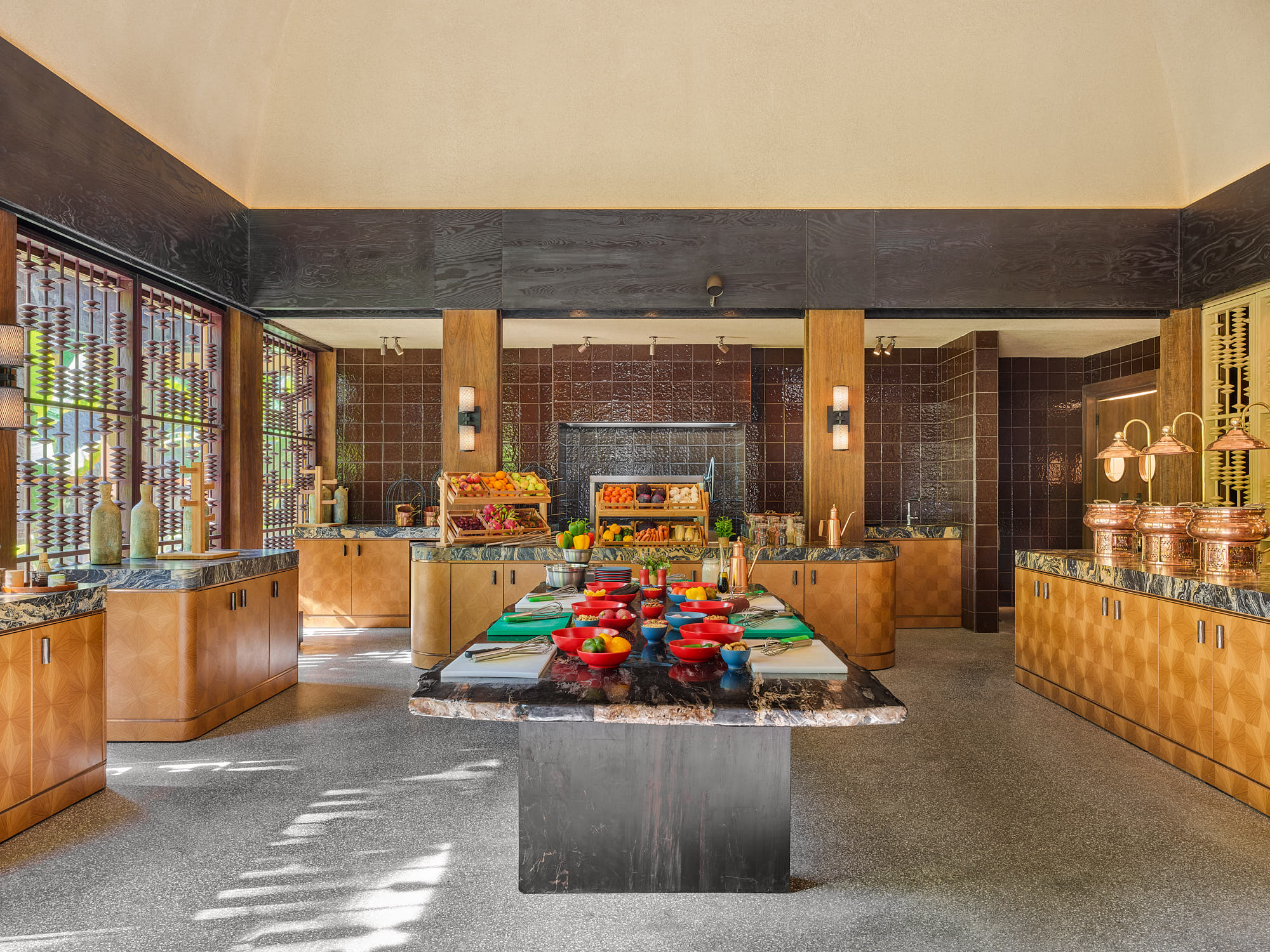
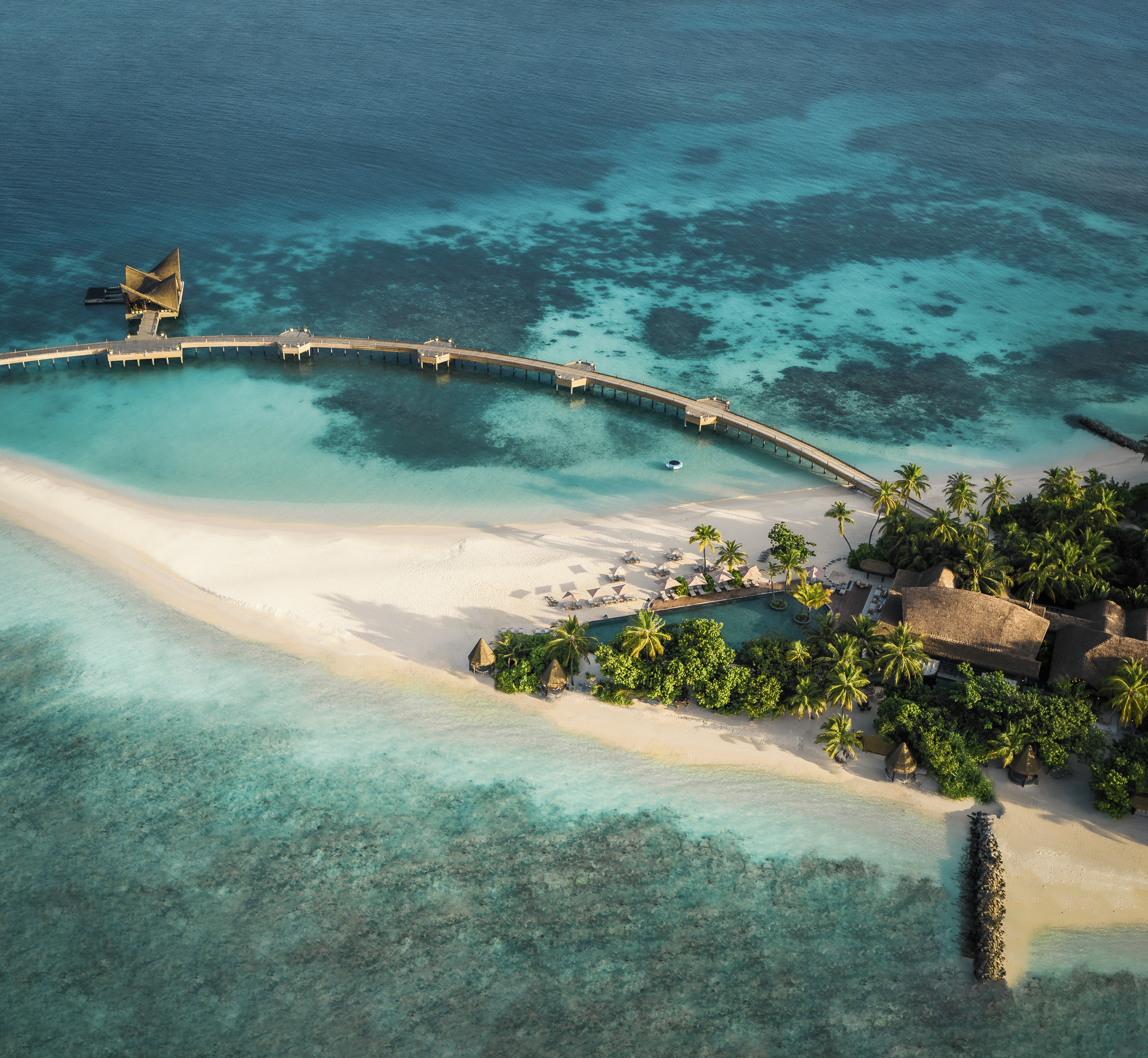
With its blend of storytelling, technique and conscious luxury, the residency by Radhika Khandelwal perfectly complements the artistic and nature immersed ethos of JOALI Maldives. Set against pristine white sand beaches and crystalline waters, the experience reflects the resort’s commitment to design led, globally inspired culinary programming.
You may also read: In Conversation with Manoj Mansukhani on AstaGuru’s London Expansion