Tim Cook Steps Down as Apple CEO after Building a $4 Trillion Empire
- Featured Technology
 Anushka Manik
- 4 minutes read

Contrary to the kind of theatrical disruption that defined the Steve Jobs era, the end of Tim Cook’s tenure at Apple Inc. arrives as a masterclass in scale, discipline, and quiet dominance. After 15 years at the helm, Cook will step down as CEO in September 2026, transitioning into an executive chairman role, handing over the reins to insider John Ternus.
When Cook took over in 2011, Apple was already iconic. But it was also precariously tied to Jobs’ singular vision. What followed was an expansion at a scale Silicon Valley had never seen. Under Cook, Apple’s market capitalisation grew from roughly $350 billion to over $4 trillion, making it the first to cross the trillion-dollar milestone back in 2018, a psychological and financial benchmark for Big Tech. The company’s stock surged by over 1,900% during his tenure, while annual profits crossed $100 billion and revenues scaled to nearly $400 billion at their peak.
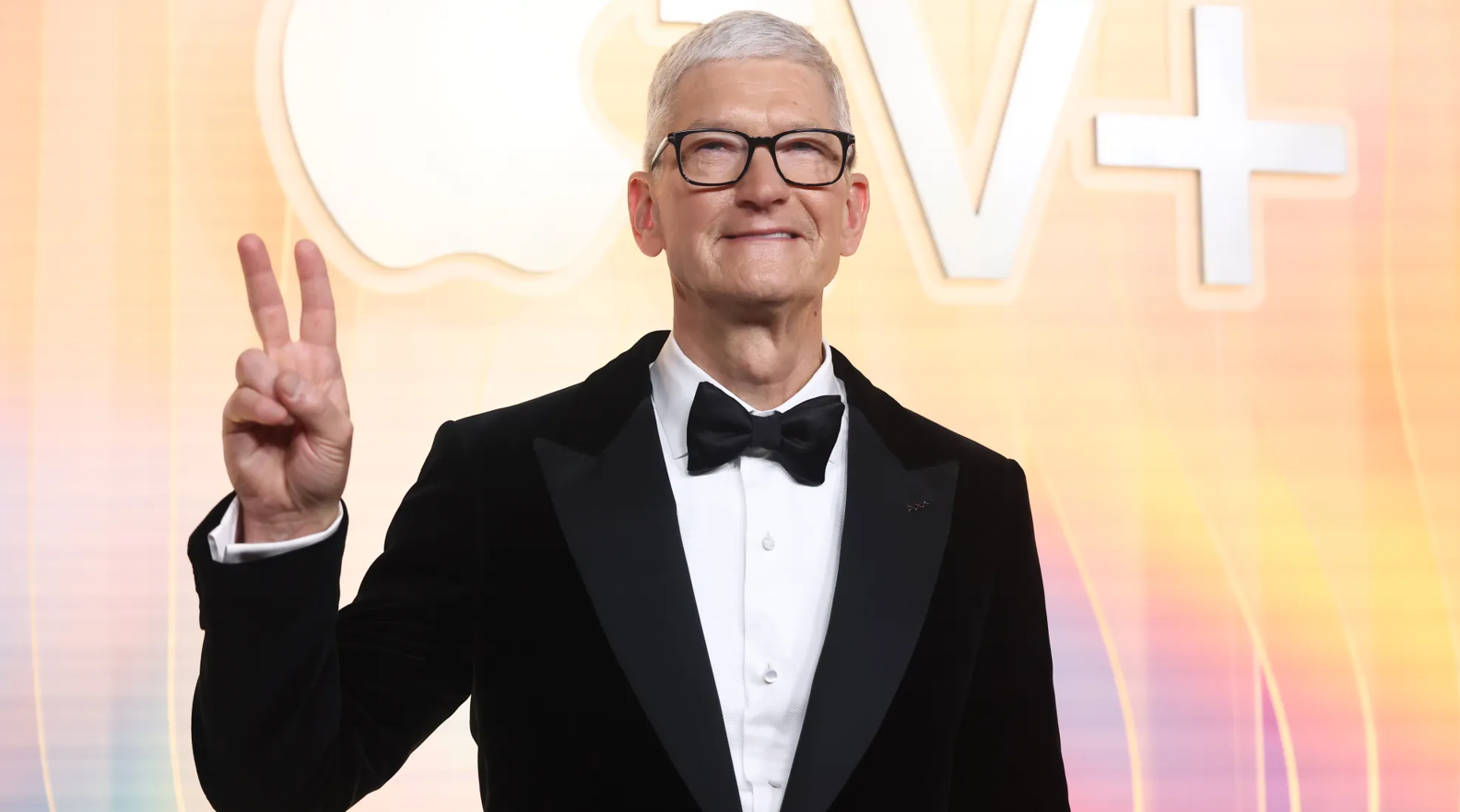
Cook’s Apple was a business story. Where Jobs built category-defining products, Cook built an ecosystem that monetised them relentlessly. He expanded Apple beyond hardware into a services powerhouse (Apple Music, iCloud, TV+), turning recurring revenue into one of the company’s most reliable growth engines, now contributing over $100 billion annually. At the same time, he doubled down on operational efficiency, while aggressively scaling its presence in markets like China.
Financially, the transformation is staggering. When Cook stepped in, Apple’s annual revenue hovered around $100 billion; over time, that figure more than doubled, with sustained growth driven by iPhone dominance, wearables like the Apple Watch and AirPods, and a rapidly expanding services vertical. Net income hit record highs in recent years, touching over $112 billion in 2025 alone.
And then there is Cook himself, the reluctant billionaire. Unlike many of his Silicon Valley peers, the bulk of his estimated $2.5–3 billion net worth is tied to shares in Apple Inc., accumulated through performance-based compensation that vested as the company hit aggressive growth targets. Cook is known for a relatively understated asset profile, and his most notable purchase is a luxury home in Palo Alto, while consistently liquidating portions of his stock to fund philanthropy. In fact, he has publicly committed to giving away the majority of his fortune.
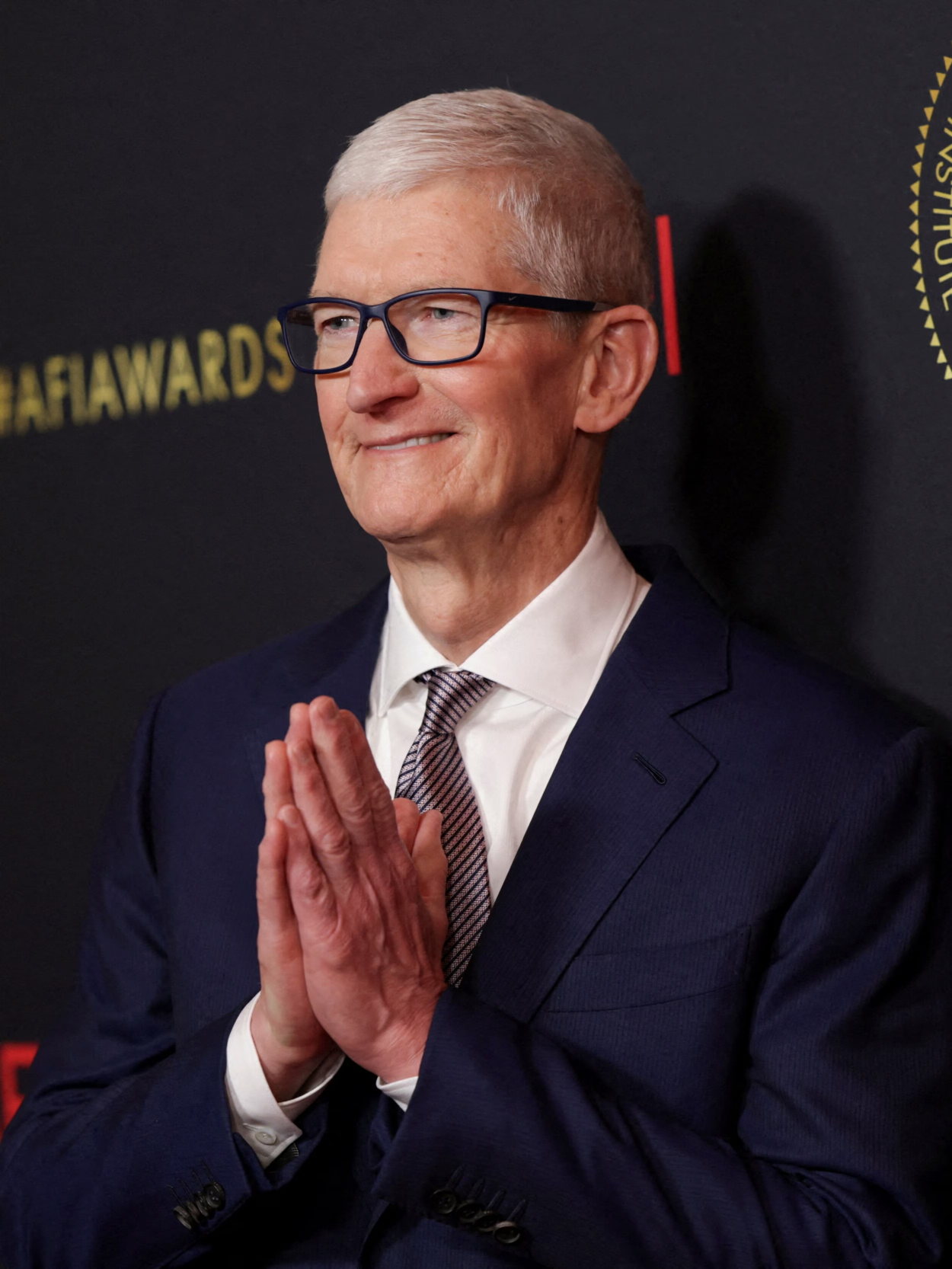
But legacy, especially in tech, is never uncomplicated. Cook’s era also leaves behind questions about Apple’s pace in artificial intelligence, the mixed reception of products like the Vision Pro, and whether operational brilliance can continue to substitute for breakthrough innovation. His successor inherits arguably the most valuable business in history, one that now needs its next defining act.
What Tim Cook did was something far more difficult than disruption. He took a company built on intuition and turned it into one powered by precision, scaling Apple into a $4 trillion empire without ever losing its grip on desirability. In the world of luxury business, that might be the rarest feat of all.
You may also read: In Conversation with Smriti Mandhana & CEO Adrian Bosshard