Tarun Tahiliani on OTT & the Art of Modern Indian Dressing
- Fashion Featured
 Anushka Manik
- 7 minutes read

Three decades ago, when Tarun Tahiliani first stepped into the world of Indian fashion, luxury looked very different. It was opulent, yes, but also very occasion-bound and kind of disconnected from the way people actually lived. Tahiliani’s early years were spent gently disrupting that idea, weaving together Indian craftsmanship with a more fluid sensibility. Over time, he was crowned as the ‘maximalist’ of Indian fashion, and rightly so. But as India and its consumers evolved at breakneck speed, so did the need for something in between.
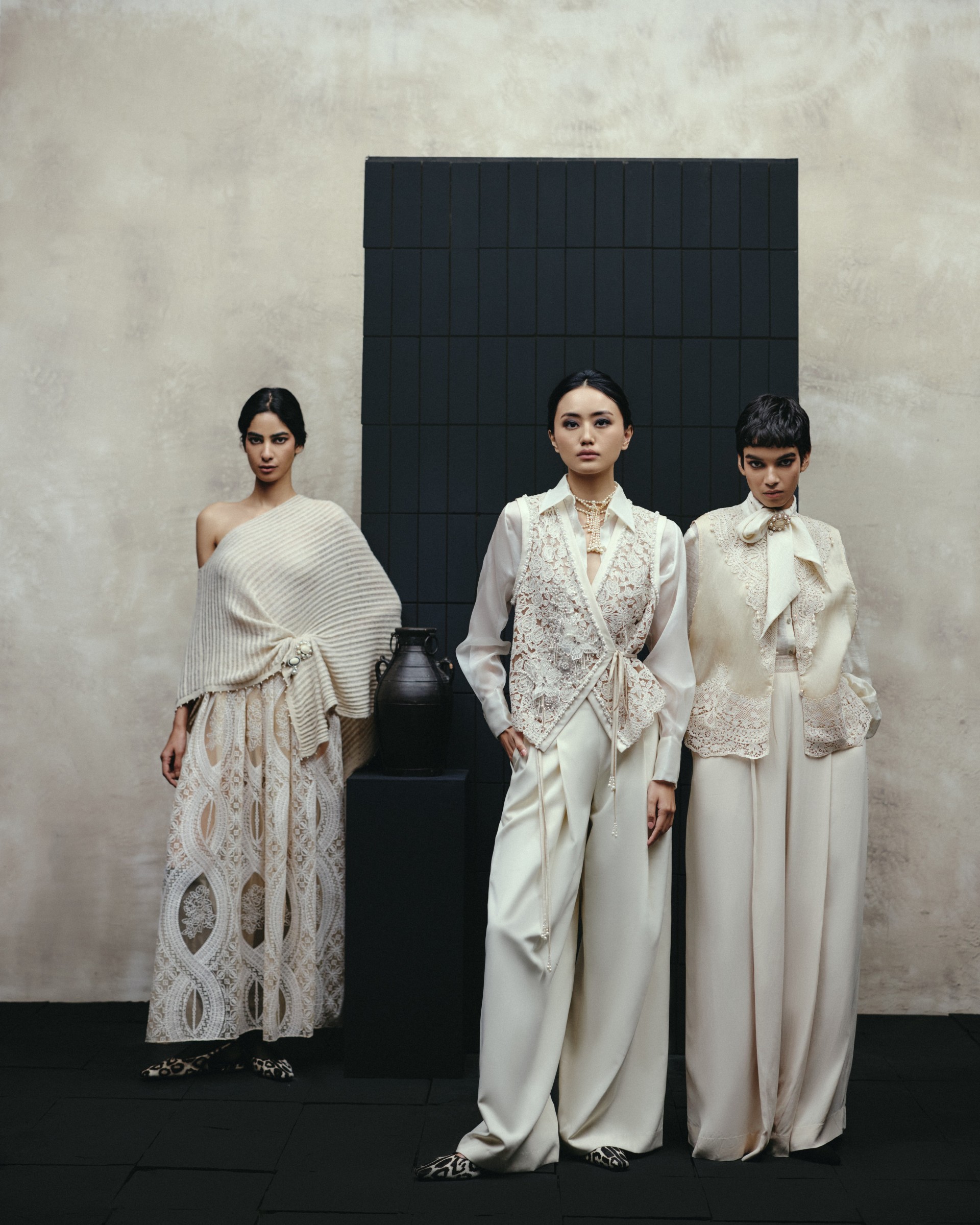
OTT, Tahiliani’s pret label entered as what feels like a return to instinct. It strips away the excess without losing the essence, translating decades of couture thinking into clothes that move with real life. In this conversation with LuxeBook, Tahiliani reflects on building a brand across 30 years, and why, sometimes, the most radical move is knowing what to leave out.
LuxeBook: You’ve always mastered maximalist couture. How was it stripping it back for OTT?
Tarun Tahiliani: Yes, I like to say we mastered maximalist Couture, but with modern movement. Stripping it back to for OTT actually has been very fantastic fun, and really, it’s a place where my heart belongs. I think we’re one of the people who coined and really believe in the philosophy of India Modern. And it’s something that grew out of seeing our lifestyle change so completely in two generations and the way we dress that I think it’s wonderful to keep our roots and our identity, but to do this in a pareddown way, which happens to be, in my case, OTT. Everyone keeps looking at it and saying, Oh, my God, how does India look so modern? That’s the whole point that I don’t want to see people in Western clothing and then on occasion at weddings and weddings over the top Indian clothing, Indian style clothing. Why not just have a wonderful via media that you can dress up and down? Because as society progresses and lifestyles become more frenetic, clothing will become simpler and simpler and simpler and easier and be fashioned from multiple separate set coordinates. This is exactly where OTT falls.
LuxeBook: How would you decode the difference between Mumbai and Delhi when it comes to fashion sensibility today?
Tarun Tahiliani: I moved to Delhi in ’95 because I felt it was in the Craft Belt and was much more Indian in the way people dressed. It was a simpler city. It was a Babu culture, and business was not what it was today. But definitely, it had a much more Indian, North Indian vibe. Today, fashion has become much more homogenous, of course, but in some ways, Delhi is a very new society, bristling with new found wealth. And the South Bombay, at least, has become much more relaxed because it’s a generational wealth. But they’re also much, much, much more Western. And so it’s very different to the way Delhi dresses. It’s much more relaxed. Of note are Delhi’s weddings and festivals which are celebrated at a scale that’s hard to imagine sitting anywhere else in the country. Maybe it’s a North Indian thing, but I would say these are the principal differences. Delhi also affords a much more elegant lifestyle because of space, and therefore, the lifestyle associated with dressing is much greater.
LuxeBook: How has the Indian luxury consumer evolved over the years?
Tarun Tahiliani: The Indian luxury consumer has evolved so fast. We were the home of luxury. We were stripped down. We were emasculated. We were then socialist. And post-1990, have slowly inched back into a capitalist, luxury-loving nation with a big heart and lots of generosity, which manifest itself in the way people live and dress. OTT sits at an interesting intersection of aspiration and accessibility.
LuxeBook: How critical do you think is this ‘bridge luxury’ space in India right now?
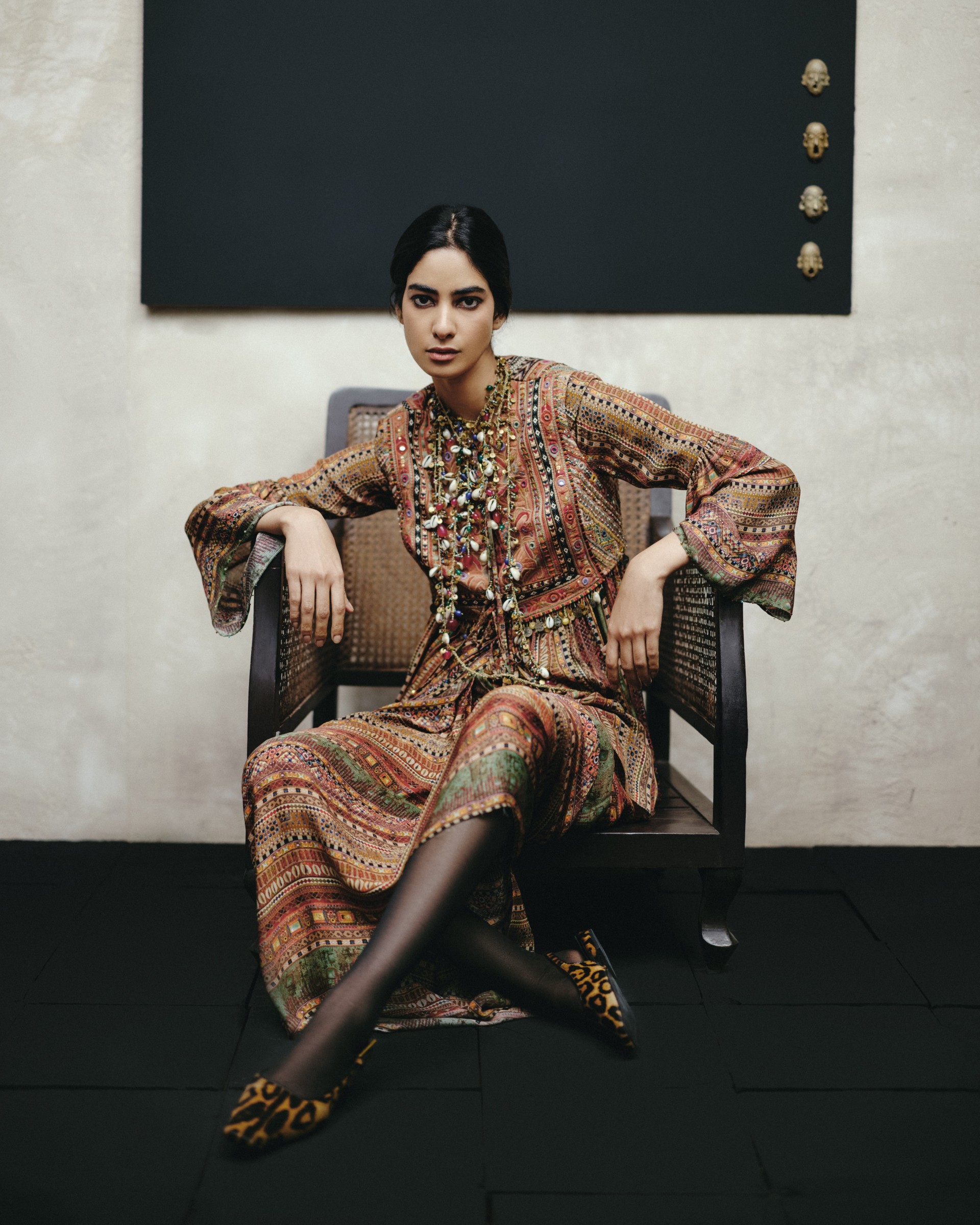
Tarun Tahiliani: I think the bridge luxury space is super important because it forces some restraint. And therefore, it allows a much greater degree of Accessibility. I mean that these clothes can be styled up or down much like a normal handloom saare. Normally, Indian couture and bridal is really something that the families whose brides are getting married can wear for those very particular occasions. But OTT is for the everyday reality of the modern Indian woman. She’s travelling, she’s working globally, and she wants our ‘India Modern’ aesthetic without the literal, physical weight of heavy embellishments. It’s about offering our signature drape, tailoring, and fit, but in separates that actually move with her fast-paced life.
LuxeBook: How are you rethinking the luxury retail experience for a prêt customer vs a couture client?
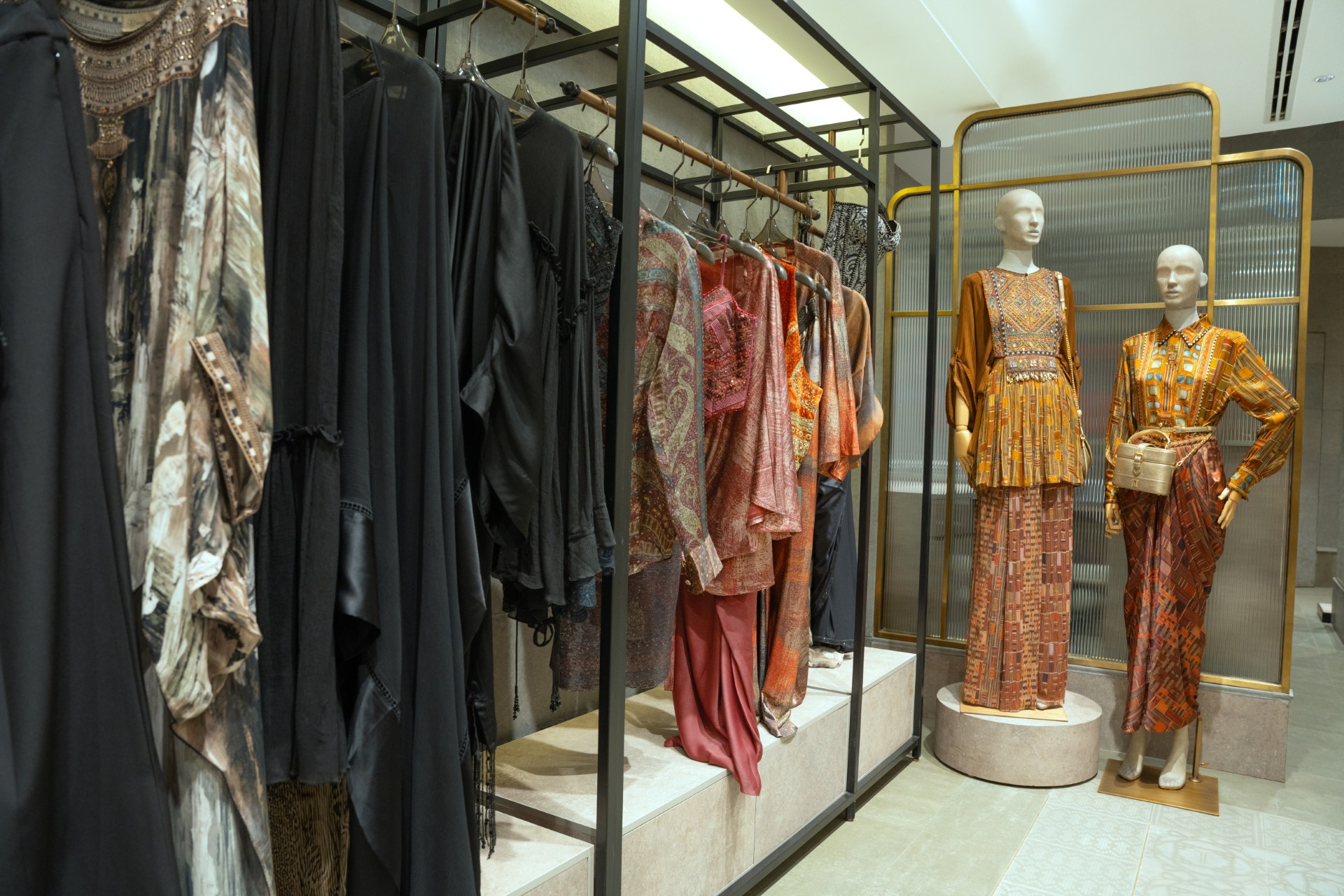
Tarun Tahiliani: For our couture clients, the experience is deeply intimate and steeped in time—it’s about fittings, family, and crafting a legacy piece. But the prêt and OTT consumer is making much quicker, instinctive decisions. Because of this, we are rethinking our prêt retail spaces to be incredibly clean and minimal. Think editorial brutalism—textured walls, sculptural lighting, almost like a modern museum. The prêt consumer doesn’t want to be overwhelmed. They want to walk in, instantly understand the visual story, feel the textiles, and walk out with something that integrates effortlessly into their wardrobe. It’s about frictionless luxury.
LuxeBook: What’s next for the brand?
Tarun Tahiliani: We are intensely focused on taking this ‘India Modern’ philosophy to the world in a much more structured way. We have spent decades perfecting the synthesis of traditional Indian draping with contemporary, tailored silhouettes, and I believe the global audience is finally ready to embrace this beyond just ethnic occasion wear. You’ll see us focusing heavily on strategic expansion. The next chapter is really about proving that Indian luxury isn’t just about our magnificent history—it is a highly relevant, forward-looking lifestyle for the future.
You may also read: The Best of Watches & Wonders 2026