An Obituary for Valentino Garavani, the Man Who Taught Fashion How to Feel
- Fashion Featured
 Yashita Damani
- 6 minutes read

Trained in Paris and rooted in Rome, Valentino Garavani built a couture empire that treated beauty as discipline, and dressing women as sovereigns rather than spectacle trends. From imperial red carpet gowns to the birth of the ‘Valentino red’, his work spoke in ceremony and conviction, rejecting irony long before fashion learned to hide behind it. In an industry now addicted to speed and noise, Valentino’s legacy feels almost defiant, a reminder of a time when luxury had the courage and the nerve to be serious, a personification of something one holds so dear.
His greatest contribution was not a silhouette or a colour, but an attitude. He believed that fashion should aspire upward, and clothes should demand something of the wearer. Maison Valentino did not simply evolve into something ‘trend friendly or algorithm approved’. It met a far more operatic fate. The kind that deserves an obituary written in silk and blood red. Today, when fashion often mistakes restraint for intelligence and neutrality for taste, Valentino’s work reads almost radical of them all.

When Valentino emerged in Rome in 1960, fashion was already crowded with talent, but it lacked reverence. What he offered was not novelty, but certainty. A belief that beauty, when executed with discipline, could still feel overwhelming. That elegance could be grand without being cold. That glamour could be essential like his trademark razor edged spiky bags.
From the beginning, his work was unmistakable. There was Valentino red, yes, but more importantly there was Valentino control.


A mastery of line so precise it bordered on architectural. Necklines that revealed just enough. Waists that understood the power of restraint. Skirts that imposed order. Valentino’s women were never accidental. From Jacqueline Kennedy Onassis to Elizabeth Taylor and Princess Diana, the muses were not chosen for youth or novelty, but for presence. He dressed women who understood visibility, women who knew what it meant to be watched. Valentino gave them armour made of silk.
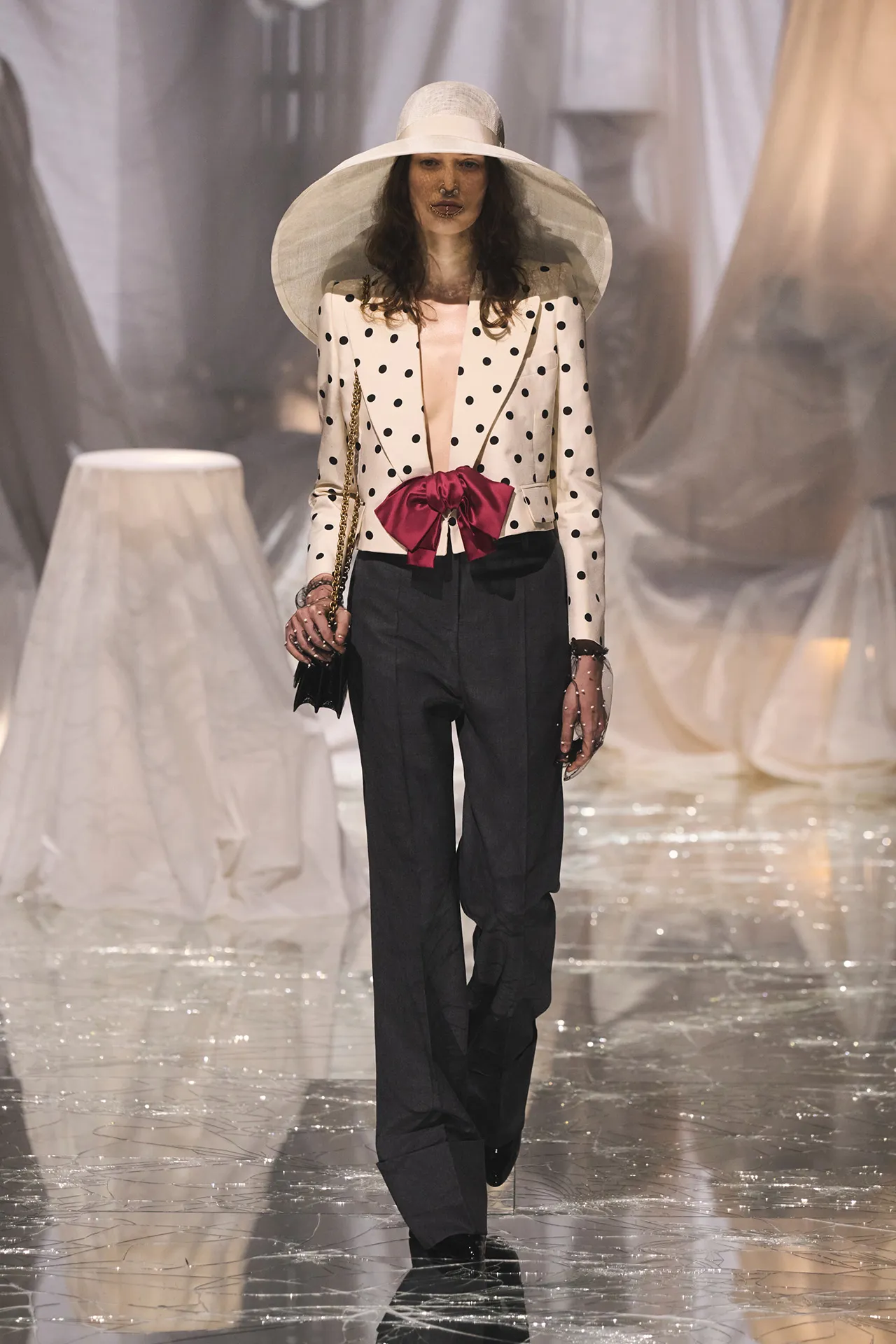
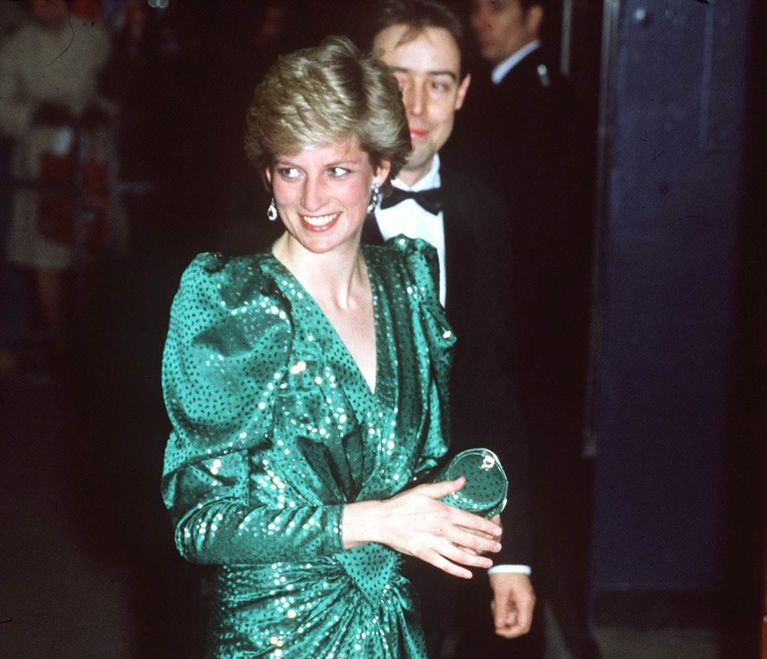
Throughout the 70s and 80s, as fashion flirted with rebellion and excess, Valentino remained loyal to refinement. While others experimented with chaos, he refined precision. Couture in his hands was not spectacle for its own sake. It was ritual. He believed that discipline was the highest form of luxury. What made his work extraordinary was not just beauty, but clarity. Valentino knew exactly what he stood for. Romance without sentimentality, femininity without fragility and opulence without vulgarity. Even his minimal moments carried authority and even his softness had a backbone (structural nuances in all his work are proof).


As fashion accelerated in the 90s and early 2000s, Valentino became a pillar rather than a provocateur. He represented permanence in an industry addicted to change. His final couture show in 2008 was not a farewell in the dramatic sense, but a conclusion. A life’s work presented without irony. Models in ivory and red. The applause lasted minutes. Few designers have ever been so clearly understood at the moment of departure. After Valentino Garavani stepped away, the house continued. The name remained. The archives remained. But what slowly dissipated was the conviction that could not be outsourced.
Valentino Garavani leaves behind an archive that will outlive cycles, algorithms and aesthetics. His work belongs in museums not because it is old, but because it is complete.

Fashion will continue to change, as it always does. But it rarely pauses to acknowledge the architects who built its emotional language. Valentino was one of them. And long after the noise fades, the red and movie references will remain.
You may also read: In Conversation With Designer Payal Jain on Sustainability and the Future of Fashion