How Nostalgia is Shaping a New Era of Travel
- Featured Travel & Hospitality
 Yashita Damani
- 15 minutes read

Nostalgia-driven travel has moved from niche to mainstream. Whether through film photography or meticulously styled, Wes Anderson–inspired shots, travellers are choosing retro aesthetics as an antidote to hyper-modern life. We closely examine why people are drawn to the slow and familiar: seeking experiences that replicate a fond, remembered feeling rather than a new locale. The result: travel that prioritises time and texture over novelty, a deliberate rewind through curated decades. Everyone’s out here manufacturing the childhood album they missed. The goal isn’t the next destination anymore, it’s the perfect throwback.
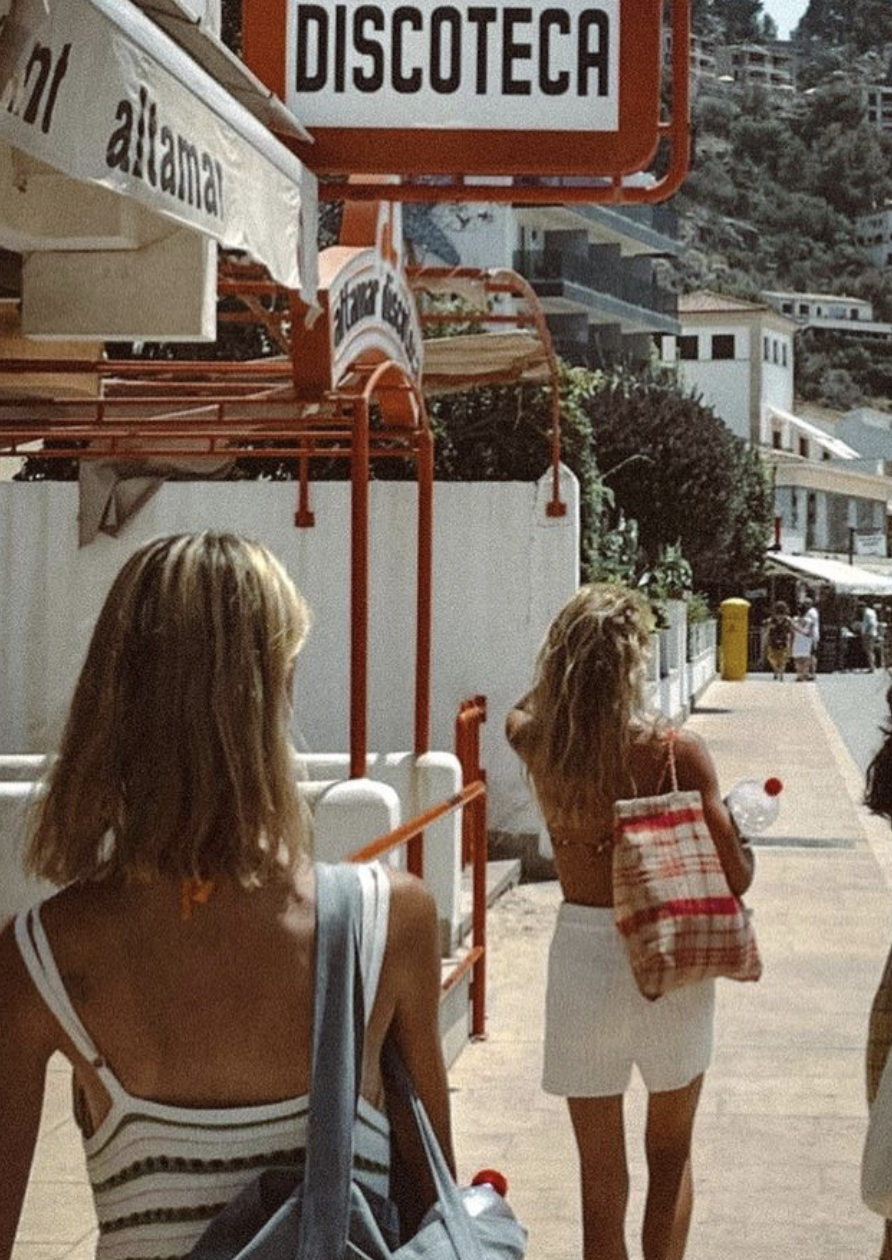
In a world obsessed with immediacy (same-day deliveries and selfies snapped faster than we can smile), retro travel is emerging as the slow-burning, analog antidote to algorithm fatigue. Across the globe, a growing number of travellers are intentionally rewinding time- choosing digicams or Polaroid cameras over smartphone selfies, Airstream trailers over luxe resorts, and jukebox diners over artisanal brunch spots.
It’s a deliberate return to romanticised eras, not the sought-after fatwa but one where road trips were planned with folded maps, crosses and the hotels featuring rotary phones.
Whether it’s the ’70s psychedelia of Palm Springs’ motels, the ‘90s sleepover energy of themed Airbnbs, or travel experiences that mimic the golden age of aviation, ‘retro’ isn’t just a look, it’s a lifestyle movement wrapped in kitsch, comfort, and collective memory (colour graded and faded of course).

The origin and psychological underpinning of this trend remains in the chaos of our post-pandemic life- digital burnout and global uncertainty which has left people craving the soft glow of the bygone decades. Why vintage travel holds such emotional currency, especially with Gen Z and millennials, who never lived through the eras but still romanticise- one shall never understand.
“Subjects who thought of nostalgic memories showed greater accessibility of positive characteristics than those who thought of exciting future experiences.” This finding comes from Vess, Arndt, Routledge, Sedikides & Wildschut’s 2012 paper titled “Nostalgia as a resource for the self,” proving that nostalgia isn’t just wistful, it’s a measurable positive psychological resource.

But there’s also a content-driven angle: Instagram and TikTok are flooded with creators shooting their travels on film cameras, editing their reels with VHS filters, and curating ‘retro road trip’ moodboards/ flash cams. Apps like Huji Cam and Dazz Cam simulate the digicam experience, but the truly committed are carrying old-school Canons and Fujifilms in crossbody pouches, shooting from the hip like it’s 1999. Hostels across Lisbon, Porto, Goa, and Berlin now offer film photography workshops, disposable cam rentals, and even developing stations on site.

But there’s also critique: Are we chasing illusions? Are we editing the past the way we edit our feeds: romanticising a time that was simpler mostly because it was limited, not better? Travel doesn’t come with solutions. It doesn’t erase the NOW. But it allows a pause. A breather. A moment to remember, or imagine- what it felt like when the world wasn’t so fast.
In an age where technology anticipates your every need, where Google Maps removes the joy (and chaos) of getting lost, there’s something liberating about a trip guided by instinct and roadside diners. Even the slowness becomes part of the pleasure.
A movement reshaping the travel industry.
Entrepreneurs are tapping into nostalgia as a ‘design philosophy’ and a business strategy- vintage furniture, old tech, and salvaged signage into immersive stays.
A 2014 study published in the Journal of Consumer Research by Lasaleta, Sedikides, and Vohs found that inducing nostalgia weakens people’s desire for money and increases willingness to pay in consumer experiments.
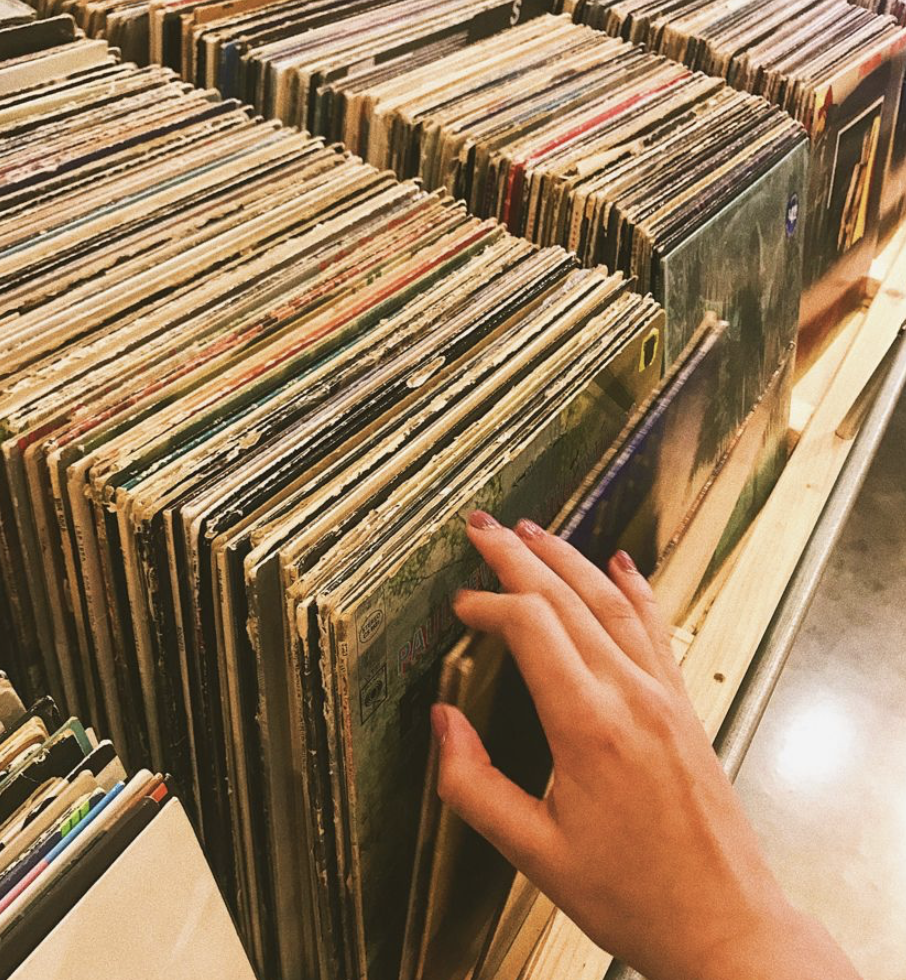
Even wellness spaces are jumping on the trend. Some hotels (and now even restaurants like Bombay) now offer vinyl-listening lounges, vintage record swaps, and film photography classes.
At Baroke in Mumbai (stands out as the city’s first dedicated vinyl-only listening bar), nostalgia hums not just through the speakers but in every intentional pause. The brainchild of Saurabh Krishna Shetty- an IHM Goa and S.P. Jain alumnus who drove solo across the US chasing dive bars and sonic havens- the space isn’t just a bar, it’s a shrine to music in its purest form.
“We didn’t just want to play music, we wanted people to really listen. A true listening bar isn’t about how loud the music is, it’s about how present you are with it. Every track, every vinyl crackle, every quiet moment is part of the experience. It’s about creating a space where music isn’t in the background, it’s the reason you’re there,” says Shetty.
The space offers an immersive analogue experience with a meticulously curated collection of over 220 vinyl records, spanning iconic artists from the 1960s through the 1990s.
Designed by Rohit Bohite, Baroke’s intimate interiors accommodate 84 guests, featuring a dedicated headphone zone that invites deep, undistracted listening. Complementing the sonic journey is a signature cocktail program by celebrated mixologist Jishnu Some and a globally inspired menu thoughtfully crafted to pair with the music’s mood and tempo.
From jazz and rock to soul and funk, Baroke invites patrons to savor every crackle and note: offering a rare blend of nostalgia, luxury, and mindful indulgence that resonates perfectly with the retro travel ethos.
Vintage luggage sets, perfectly symmetrical hotel exteriors, saturated pink skies, striped bathing suits, or yellow-tinted road trip footage that mimics old-school Super 8 film.. Cafés across Tokyo, Berlin, and Bangalore are now sporting American diner aesthetics: black-and-white checkered floors, cherry red booths, syrupy milkshakes, and vinyl jukeboxes playing Elvis and ABBA.
Global Glimmers: Where the Past is Still Present
These destinations embody the rising trend of nostalgia-driven travel, offering experiences that let guests step into carefully curated, retro-infused worlds. Vignettes that exemplify this trend:
- Palm Springs, California
Perhaps the most obvious poster child for this trend, Palm Springs is a riot of mid-century modern design. From the rainbow-hued Saguaro Hotel to vintage neon signs and psychedelic motels, the entire city feels like a Wes Anderson storyboard left out in the desert sun. Reflects a city intentionally preserving the charm of 1950s–60s Americana.
- Florence & Tuscany, Italy
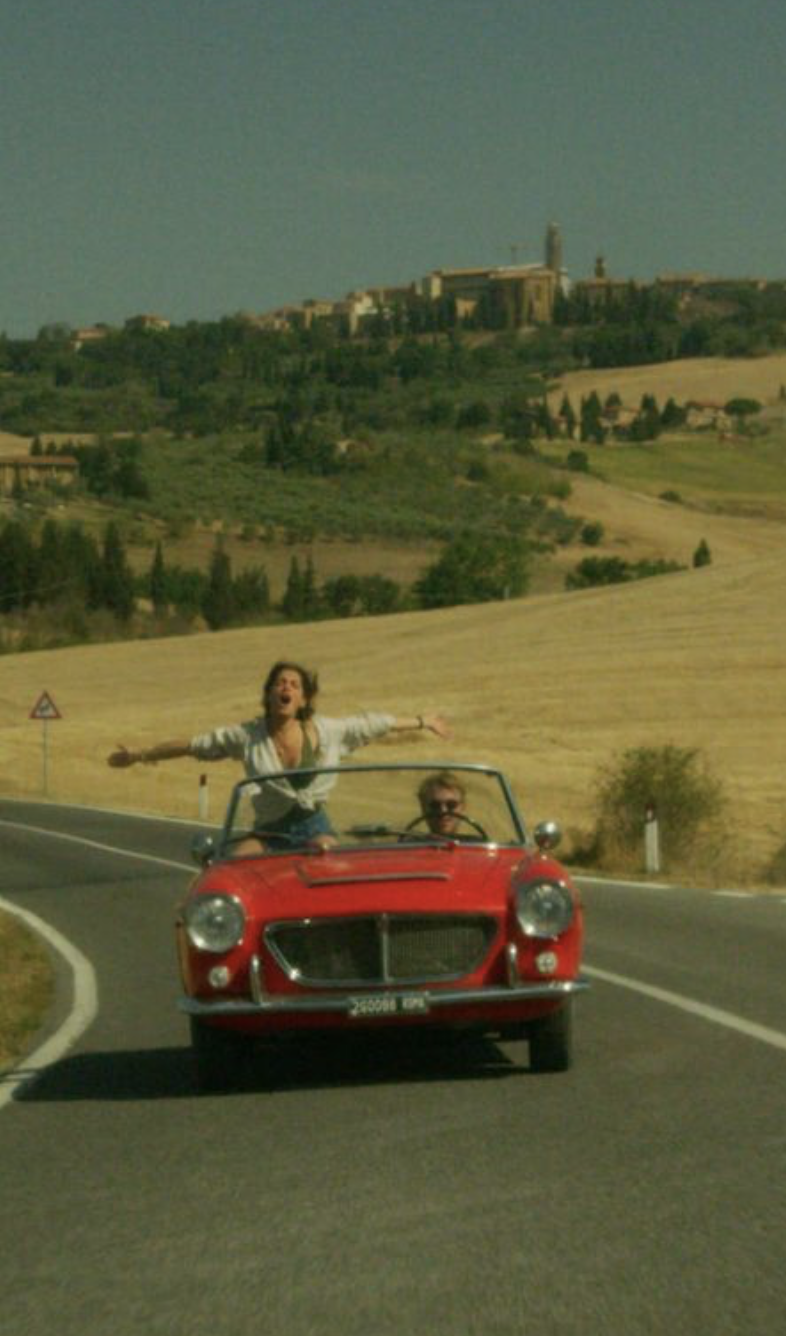
Certain boutique stays outside Florence (or even student inns) are now designed to mirror and channel the aesthetics of 60s European cinema- muted pastels, curved furniture- yes them arches, and old movie posters in every room offer more than decoration — they invite guests to inhabit a romanticised, cinematic past. Special experiences like vintage-themed picnics deepen this narrative, giving travellers a participatory, time-travel-like escape.
- Rajasthan, India
Beyond the palaces, Rajasthan is home to several secret homestays that play into fragmented historically rich homes filled with grainy portraits, embroidered linens, and swing sets in mango courtyards. Jagat Niwas Palace in Udaipur is a heritage haveli-turned-hotel that evokes old-world Rajasthani charm with vintage interiors, jharokha windows, and panoramic views of Lake Pichola.
- Tokyo & Berlin
Certain diners and cafés in these cities resurrect mid-20th-century counterculture through décor and music — Formica counters, soda fountains, and doo-wop playlists. The appeal lies in the playful juxtaposition of kitsch and nostalgia, creating spaces where locals and visitors alike engage with a retro aesthetic as a form of cultural rebellion.
- Goa & Mumbai, India
Airbnbs in cities like Mumbai and Goa are now heavily leaning into themed nostalgia. From lava lamps and cassette players in Bandra to analog-only beach bungalows in Goa, these stays cater to travellers seeking digital detox and tactile, memory-rich environments. They transform ordinary vacations into curated journeys through a retro lens.
For all its velvet-upholstered charm, retro- travel also prompts a deeper question: is this merely a passing aesthetic indulgence, or a reflection of our fractured relationship with time, place, and memory?
On one hand, nostalgia can serve as a grounding force- a way to make sense of a disoriented present. Psychologists describe it as a coping mechanism that fosters emotional resilience.
When the future feels uncertain and the present- overwhelming.
The past (even a past we never lived through)- offers a comforting narrative. The click of a disposable camera, the crackle of vinyl, the rustle of a paper map… all tiny rituals that slow us down and remind us that time doesn’t always have to move at breakneck speed. Especially curling up with your favourite A-Z Mysteries book collection to lose track of well, travel.
But there’s another perspective, in a dappled lens- one that sees nostalgia as a beautiful distortion: selectively remembering only the charm while ignoring the limitations or injustices embedded in that past. Are we glamorising decades that (while visually striking), were also historically imperfect? Are we sanitising the past to make it digestible? In chasing an idealised version of ‘simpler times’, do we risk ignoring the complexities embedded in that simplicity?
There’s also the question of sustainability-
If every trend is a time capsule, how long before this, too, becomes algorithmic fodder? Can retro truly be wrathful and futile -if it’s being curated, monetised, and hashtagged into mainstream popularity?
It might not be a movement against modernity, but a poetic response within it- fuelling a desire to re-enchant the everyday (just like we find ourselves unfurling through old pictures in an unkept folder to timely reach us when it hits and hurts the most). Its power lies in its emotional authenticity, not deceived by the moment. And perhaps, in a world addicted to the new, there’s quiet defiance in choosing the old.And perhaps, we’re not just tired of being online. We’re tired of feeling temporally displaced. Retro travel gives us a sense of rootedness, even if the roots are imagined.
Whether you’re road-tripping in a mint-green Beetle through old Portuguese towns in Goa, flipping through vinyls in a Brooklyn hotel lobby, or filming sunsets on your grandfather’s Yashica- you’re part of a growing tribe choosing memory over metrics.
So next time you plan a trip, maybe pack a polaroid, a playlist, and a little patience in your duffel. Who knows- the best way forward might just be through a side street from the past.
After all, sometimes the most meaningful souvenir isn’t something you bring back- it’s something you remember that never was or someone you were.
You may also read: A Holistic Sojourn at Timbertales Luxury Resort, Coorg