London Gin is Not Falling Down
- Featured Food & Beverage Spirits
 Staff Writer
- 14 minutes read

by Joanna Lobo
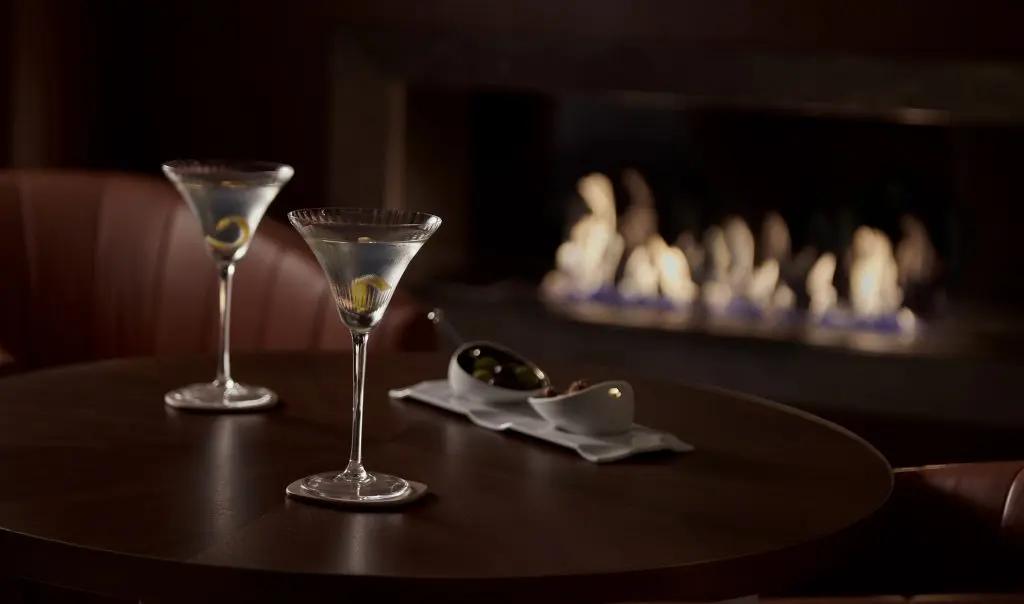
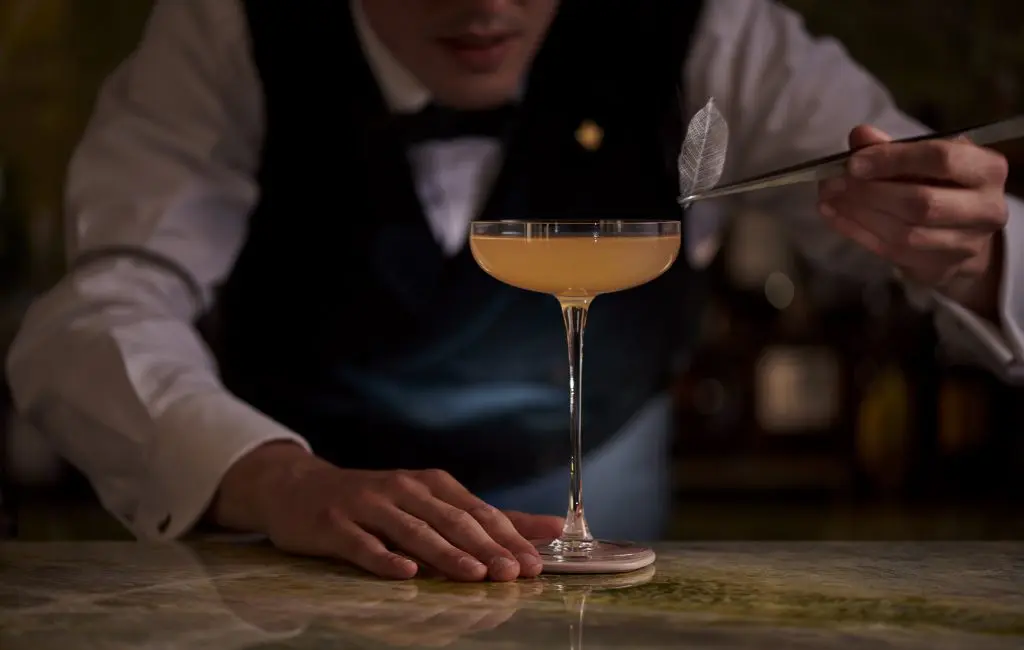
It’s a drink that would make James Bond proud. The martini I have at The Library Bar in The Lanesborough London leaves me shaken. It’s strong on the nose, with mellow floral notes that sit gently on the palate, leaving behind a smooth aftertaste. It’s not the most sought after cocktail at the hotel’s The Library Bar, but it is certainly the most unique. The star of this martini is the hotel’s very own signature gin, the Lanesborough London Dry Gin, a smooth floral spirit with rosemary. It’s a gin only found at the hotel. “It is a mark of difference to be able to say, “This is our gin, and exclusive to us,” says Angelos Niakas, Deputy Bar Manager, The Library Bar. “It is handcrafted and offers guests something unique.”
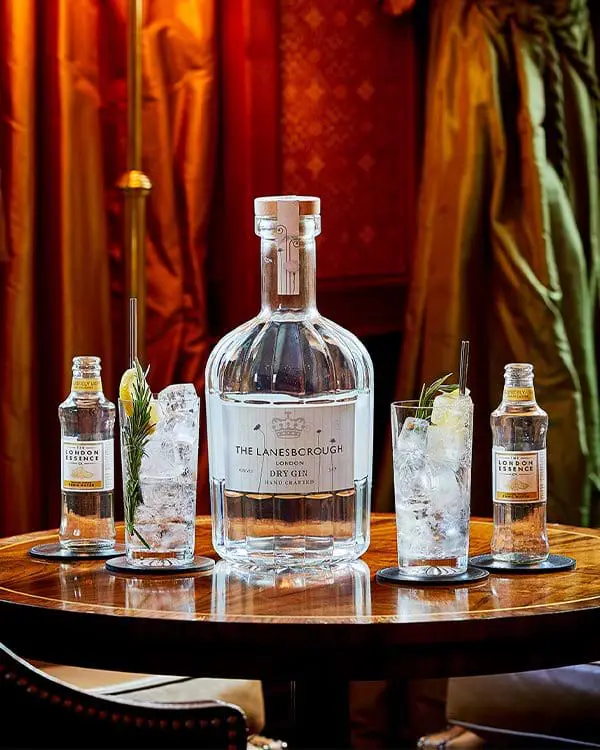
The gin is just another example of how seriously London takes the clear spirit.
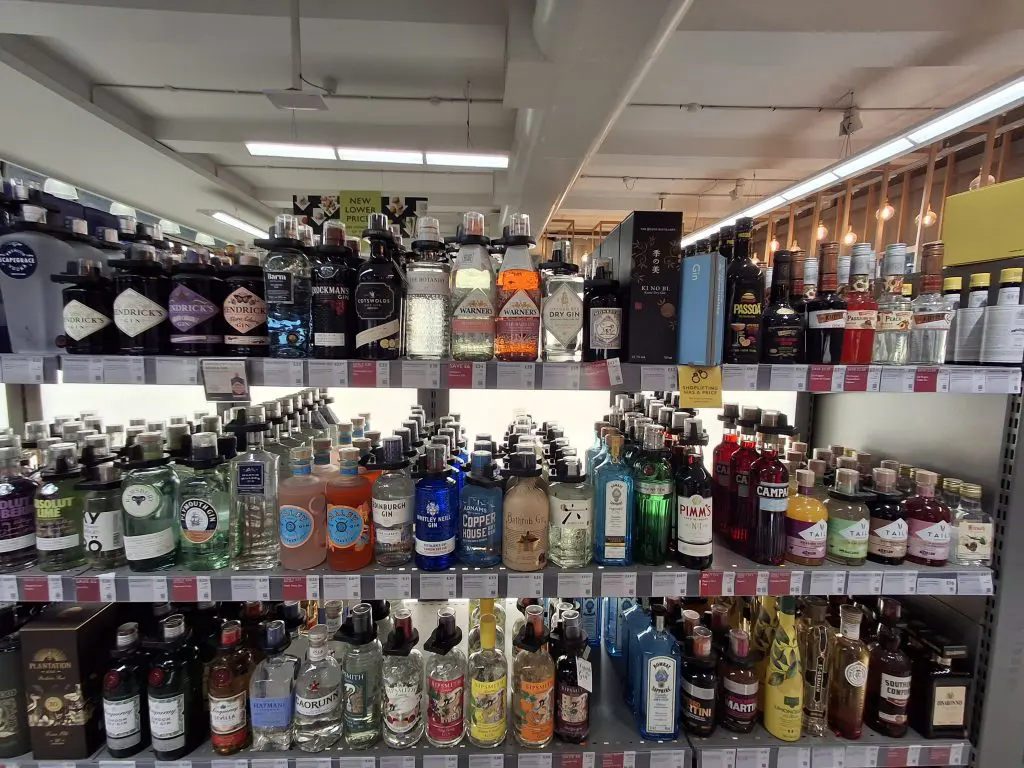
There’s no denying that gin is popular in London, which could well be called the gin-drinking capital of the world. On my two visits to the colonial capital, I am impressed by the sheer volume and variety of gin I see, in exciting cocktails (including classics like the negroni), and occupying shelves in supermarkets, department stores and liquor shops.
There are tours and tastings to be savoured at distilleries like Beefeater, Hayman’s, Sipsmith, Jensen’s at Bermondsey, and East London Liquor Company. Companies like Gin Journey conduct exclusive gin tours, in Soho and Shoreditch. There are masterclasses and make-your-own-gin sessions at Half Hitch, and 58 and Co Gin School. At the Portobello Road Distillery is UK’s second smallest museum, Ginstitute, dedicated to gin — they do tours, tastings and masterclasses too. Many celebrities, too, have launched their own gin (hello Emma Watson and Renais gin).
As actor Stanley Tucci said in a recent interview, gin is ‘London’s drink’.
Gin and the city
It’s been a long journey for a spirit that once caused an alcoholic epidemic in the city.
Once upon a time, in the eighteenth-century gin, the popularity of gin was at its peak. It was cheap, widespread and soon became the drink of the poor, leading to mass-scale alcoholism and a public health crisis. “Gin has been popular in London since the 18th century with ‘London’s deadly gin craze’ of 1720 – 1751,” says James Tamang, Head Barman, The Carlton Tower Jumeirah. “It was nicknamed ‘Mother’s Ruin’ as public houses allowed men and women to drink alongside each other for the first time, meaning women were out drinking instead of looking after their children at home.” This sorry state of affairs was famously depicted by artist William Hogarth in his piece, Gin Lane, in 1751.
Centuries later, gin has revamped itself, becoming a celebrated drink. Today, drinking gin isn’t a vice, and looking at prices on the bottles, it is clearly being marketed as a symbol of luxury. “Gin has seen a huge increase in popularity especially among the millennial generation given the drink’s vast diversity and adaptability in flavour,” adds Tamang. “It’s always wonderful to see more options of gin available being a bartender, it allows us to experiment with cocktails more and create new adaptations.”
Gin is relatively easy to make, and easily customisable — you do not need to make the base spirit but can create different versions by changing botanicals and to create something unique and distinctive. Each of the gins in the market are pushing to stand out from the rest, either through branding and bottling, the distillation process, the botanicals or something that marks it as ‘exclusive’.
The most unique gin Tamang tried recently is Seventy One Gin, created by London-based fashion photographer Mert Alas, which is matured in three different oak casks for 71 nights giving it an amber hue. The gin, bottled so it looks like a perfume, contains a rare flower from the queen of the night cactus. The Lanesborough London are possibly the only people selling jeroboam (three litre bottle) of gin. The award-winning Isle of Harris is infused with sugar sea kelp, hand-harvested from the Scottish shoreline. Cambridge Distillery’s Watenshi Gin, one of the most expensive (at £3,000) in the world, captures angel’s share — the small amount of spirit lost to evaporation.
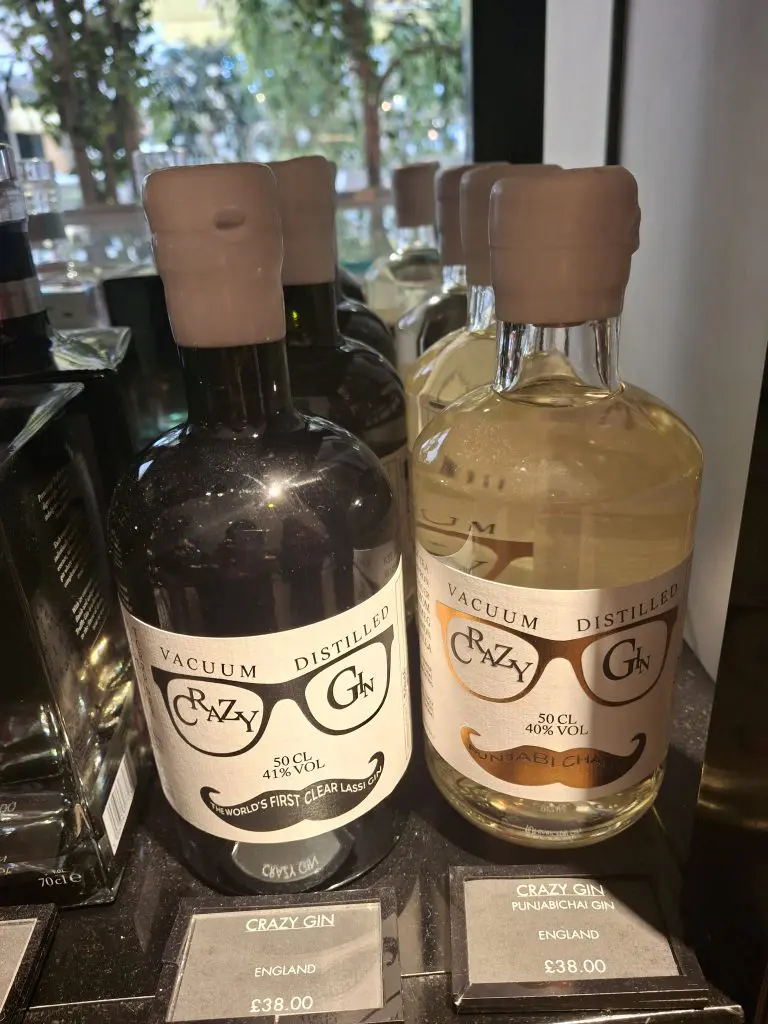
British luxury department store, Harvey Nichols, also makes their own gin, teaming up with a distillery in Southwold. “In London, each spirit enters like a wave, it peaks in popularity and then goes down. In the past, vodka had its moment, then gin and then tequila. Gin, though, is still enjoying popularity,” says Stepan Zraly, assistant manager at the wine shop. One whole glass section in the shop is dedicated to gin, and the colourful and differently-shaped bottles certainly stand out. “We have about 40 gins here, many of which are from the United Kingdom, Scotland and Wales. A lot of them are unique,” says Zraly, pointing out the current favourite gin with customers, Manchester’s Forest gin, made using berries, mosses and ferns foraged from the forest. Meanwhile, my eyes are drawn to Crazy Gin, a British Indian collaboration that has birthed the ‘World’s First Clear Lassi’ — a gin made with yoghurt, turmeric, coriander and even ghee.
At the Lyceum Theatre, where the Lion King musical has been entertaining theatre-goers for 25 years, I find myself acquainted with a local favourite, Whitley Neill, who boasts of being the ‘UK’s No. 1 premium selling gin’. A relatively new entrant (they started in 2005), this gin catches my fancy for its coloured bottles, and the different flavours: rhubarb and ginger (a popular pairing here), black cherry, banana and guava, and pink grapefruit. It’s a gin that looks like fun. The server behind the bar tells me, ‘if you love flavoured gins, you should give this a try’. I take her advice and pick up a rhubarb and ginger to carry home.
Seeking to expand my knowledge of the gins available in the London market, I head to the cult liquor store chain, Whiskey Exchange. At the Covent Garden store, liquors of all kinds are spread over two floors, stacked on floor to ceiling shelves. The shop assistant hands me a selection to peruse, which include some British and some international gins. The standout gins are Fallen Angel, a gin in the shape of the devil’s face; the marmalade infused Chase; Elephant gin with African botanicals; and Pollination gin, with botanicals sourced from a biosphere reserve in Wales. Interestingly, Whiskey Exchange also sells some discontinued gins (some bottled in the 1950s).
A cocktail story
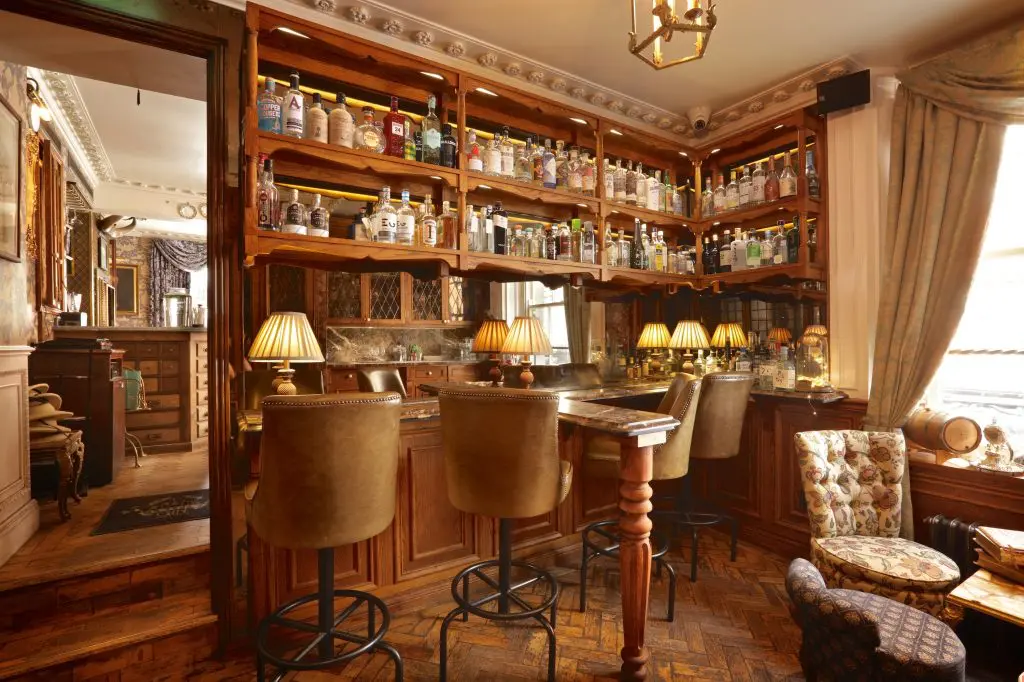
To me, the beauty of gin lies in its versatility in cocktails. On my visit to London, I sipped my way through many gin cocktails, each more exciting than the last. At The Lanesborough London, besides the martini, I try a sweet Queen Charlotte cocktail with Fords gin, vanilla and lychee. Niakas tells me that the best way to ‘understand the true essence of the gin’ is via a martini. He uses frozen Lanesborough gin for the cocktail, which he says maintains its quality and allows all the essence to slowly unfold on the palate; at room temperature, Niakas says, it is like a “mini grenade on the palate”. Beyond the martini, the gin cocktails found here include a highball, The Lanesborough Spritz, a lighter version of the negroni, and the famous Lilibet cocktail — named after the Queen’s pet-name, and containing Earl Grey infused gin.
“It’s incredibly interesting to see an array of generations drinking gin, meaning it pleases the majority of palettes. From the classic Gin & Tonic, where Winston Churchill once declared: ‘Gin & Tonic has saved more Englishmen’s lives, and minds, than all the doctors in the Empire’, to a Tom Collins, which was the height of sophistication in the 1960’s and 70’s, and finally to today’s floral trends,” says Tamang.
At Amazónico in Mayfair, I am welcomed into the rainforest-inspired restaurant with smooth salsa beats. Over dinner, while feasting on aguachile, arroz chaufa and other South American dishes, my table discusses gin’s popularity. The common consensus is that gin is popular but tequila is having its moment. I try both spirits but am impressed with the subtle fruity notes of Amazonegroni, which has the Venezuelan gin, Canaima, infused with pineapple, paired with vermouth and Campari.
At the French restaurant, Balthazar, in Covent Garden is another unique cocktail: Truffle Royal, which uses Beefeater gin and that aromatic trendy fungi to create a rich, fragrant and earthy drink.
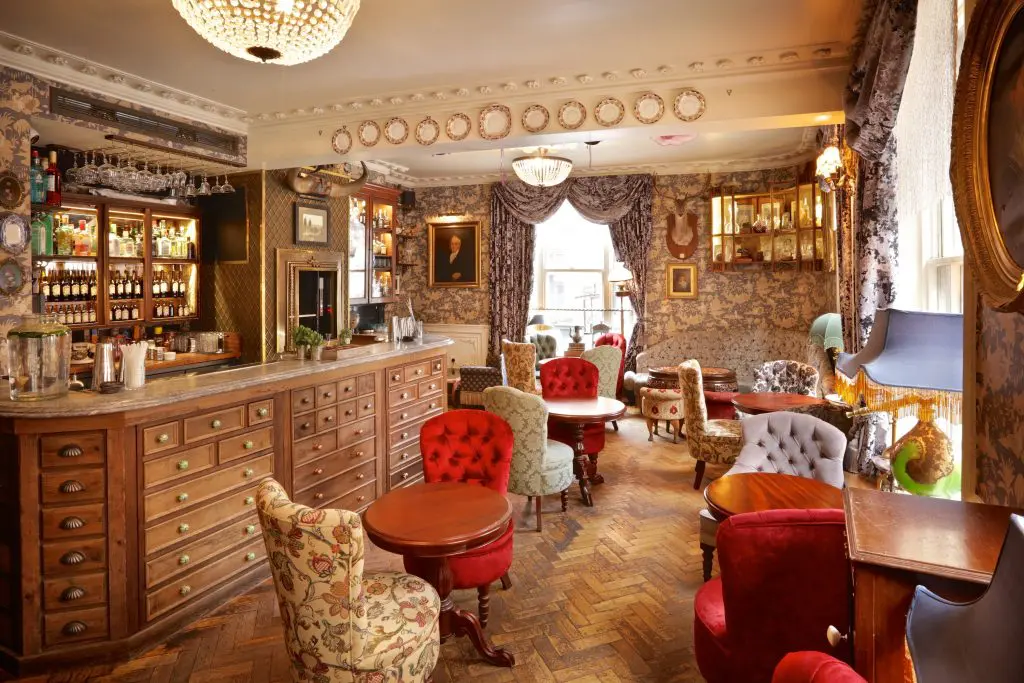
Perhaps the most exciting place to try a gin cocktail in London, is at Mr Fogg’s, which is ‘a collection of adventurous and immersive bars’. At Covent Garden’s Mr Fogg’s Gin Parlour, the cocktails are named after different cities: Singapore (Secret Garden Apothecary Rose gin, Szechwan pepper infused-vanilla syrup); Shanghai (coconut oil-washed Ki No Bi gin, clementine sorbet, ginger); and Calcutta (Bombay Sapphire gin, yoghurt, banana purée, caraway seeds syrup). Those seeking an in-depth glimpse into their gins can avail a Victorian gin tasting and masterclass.
On the subject of cocktails making the news, Stanley Tucci teamed up with Ago Perrone from The Connaught Bar to create a cocktail, TENacious. This negroni-martini hybrid is made with Tanqueray No. TEN, chilli and sundried tomato, and green mandarin essential oil.
It’s clear that gin in London isn’t going anywhere.
Much like Tucci, I do believe gin is London’s drink. It reminds me of the city — it has history, it is complex, exciting, rich, and busy. And, it leaves a mark.