What does India’s luxury housing market look like in 2026

A column by Dr. Sheetal Jain
A decade ago, luxury homes were often defined by visible opulence, grand chandeliers, imported marble, and expansive layouts. In 2026, that narrative feels outdated. Today’s luxury is quieter, more intentional, and deeply personal.
The modern Indian luxury homeowner is no longer buying just a residence, they are investing in a holistic living experience. Homes are now expected to support physical well-being, mental health, productivity, privacy, and sustainability. This evolution has been accelerated by the post-pandemic world, where hybrid work and global exposure have redefined expectations.
Buyers are benchmarking their homes against the best global experiences: luxury hotels, wellness retreats, co-working environments, and branded residences abroad. The result is a new definition of luxury: one that blends functionality with emotional and experiential value.
The numbers reflect a deeper shift. According to Knight Frank’s study, ‘The Wealth Report 2024’, India’s ultra-rich population is expected to grow by nearly 50% from 13,263 individuals in 2023 to 19,908 by 2028. At the same time, aspirational momentum is strong: as per Sotheby’s International Realty’s Luxury Outlook 2024, 71% of affluent Indians intend to purchase a luxury home within the next 12 to 24 months, driven by both capital appreciation and lifestyle aspirations.
India’s luxury housing market is entering a decisive decade of transformation. Valued at USD 44.11 billion in 2025, it is projected to surge to USD 275.40 billion by 2035, growing at an impressive CAGR of 20% between 2026 and 2035. This remarkable expansion is underpinned by multiple structural tailwinds including IPO-led wealth creation, a sharp rise in ultra-high-net-worth individuals (UHNWIs), rapid urbanisation, and the acceleration of smart city initiatives.
Yet, beyond the growth story lies a more profound evolution, what defines “luxury” in Indian housing has fundamentally changed.
Sustainability Moves from Feature to Foundation
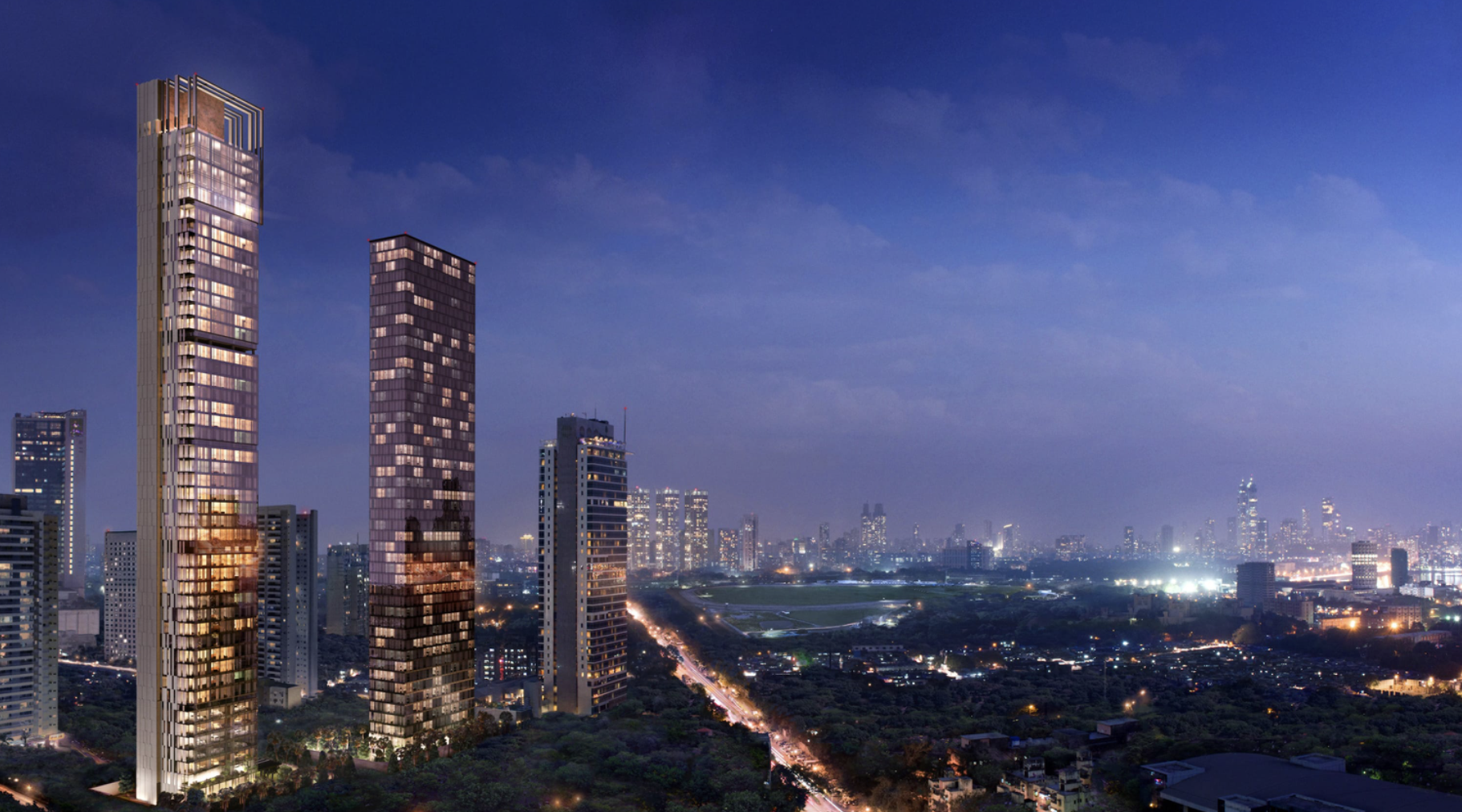
Green living is no longer a differentiator; it is becoming a baseline expectation. The real estate sector is witnessing a growing dominance of eco-conscious developments that go beyond token sustainability.
Luxury homes in 2026 increasingly incorporate energy-efficient systems, water conservation technologies, and environmentally responsible materials. But more importantly, sustainability is being approached holistically integrating architecture, landscape, and community planning.
For affluent buyers, sustainability is not just about reducing environmental impact; it is also about long-term value, healthier living environments, and alignment with global standards of responsible luxury.
Smart Homes Become Standard
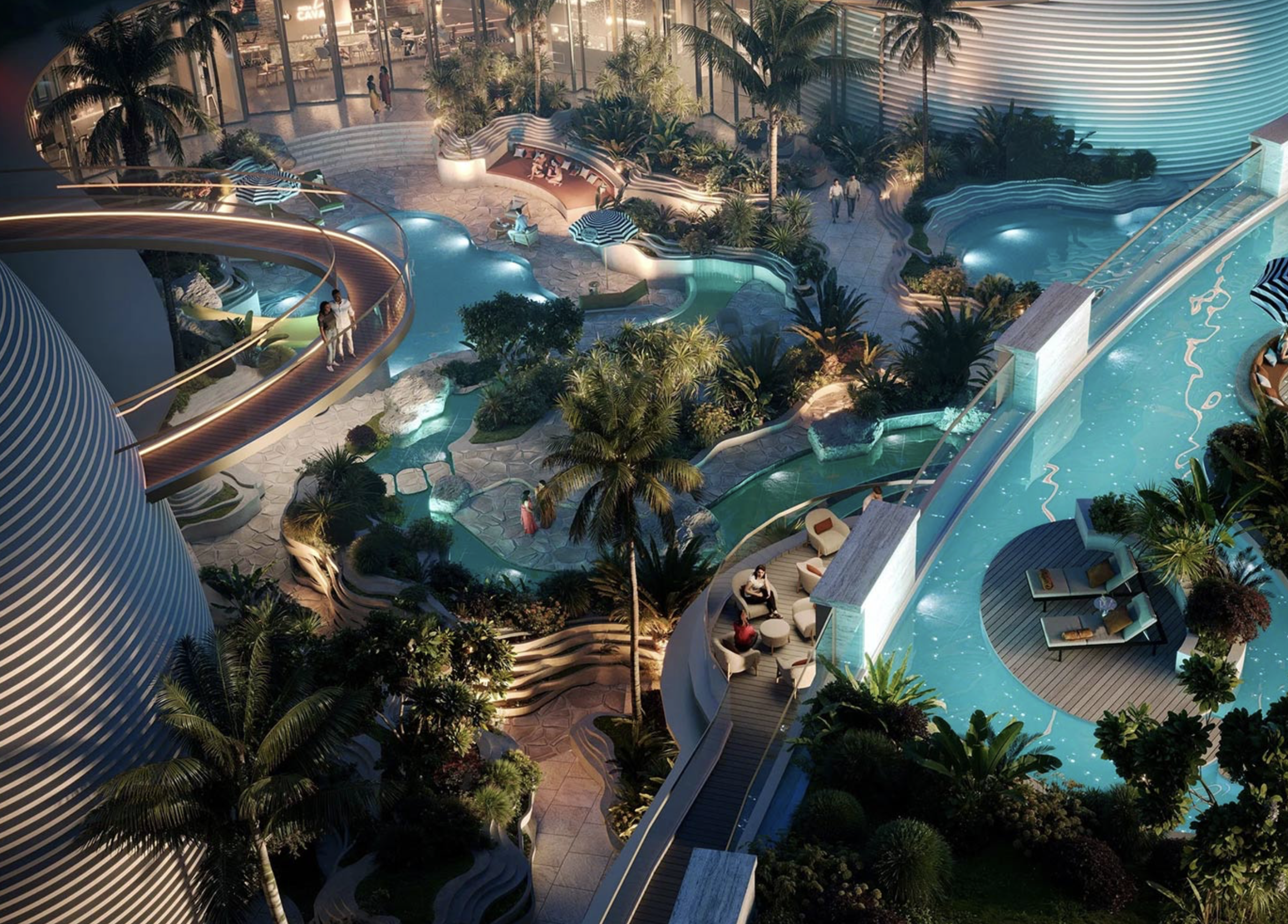
Technology is now central to the luxury living experience. Nearly 75% of luxury homebuyers expect advanced smart home features as a given.
From AI-powered security systems to app-controlled lighting, climate, and entertainment, homes are becoming intuitive ecosystems. Voice-activated systems and seamless automation are no longer futuristic, they are essential.
However, the real shift lies in how technology is being perceived. It is no longer about showcasing innovation but about enhancing convenience and eliminating friction. The best luxury homes today integrate technology so seamlessly that it becomes almost invisible yet indispensable.
Wellness as a Non-Negotiable
Perhaps the most defining shift in luxury housing is the elevation of wellness from an amenity to a core design principle.
Wellness is no longer limited to a gym or spa mentioned in marketing brochures. It is embedded into the very architecture and planning of homes and communities. Buyers are actively seeking for thoughtful design elements such as natural ventilation, abundant daylight, and acoustic insulation that reduce stress and enhance well-being. This shift reflects a deeper understanding: true luxury is not about indulgence, but about living well: physically, mentally, and emotionally.
Rise of Branded Residences
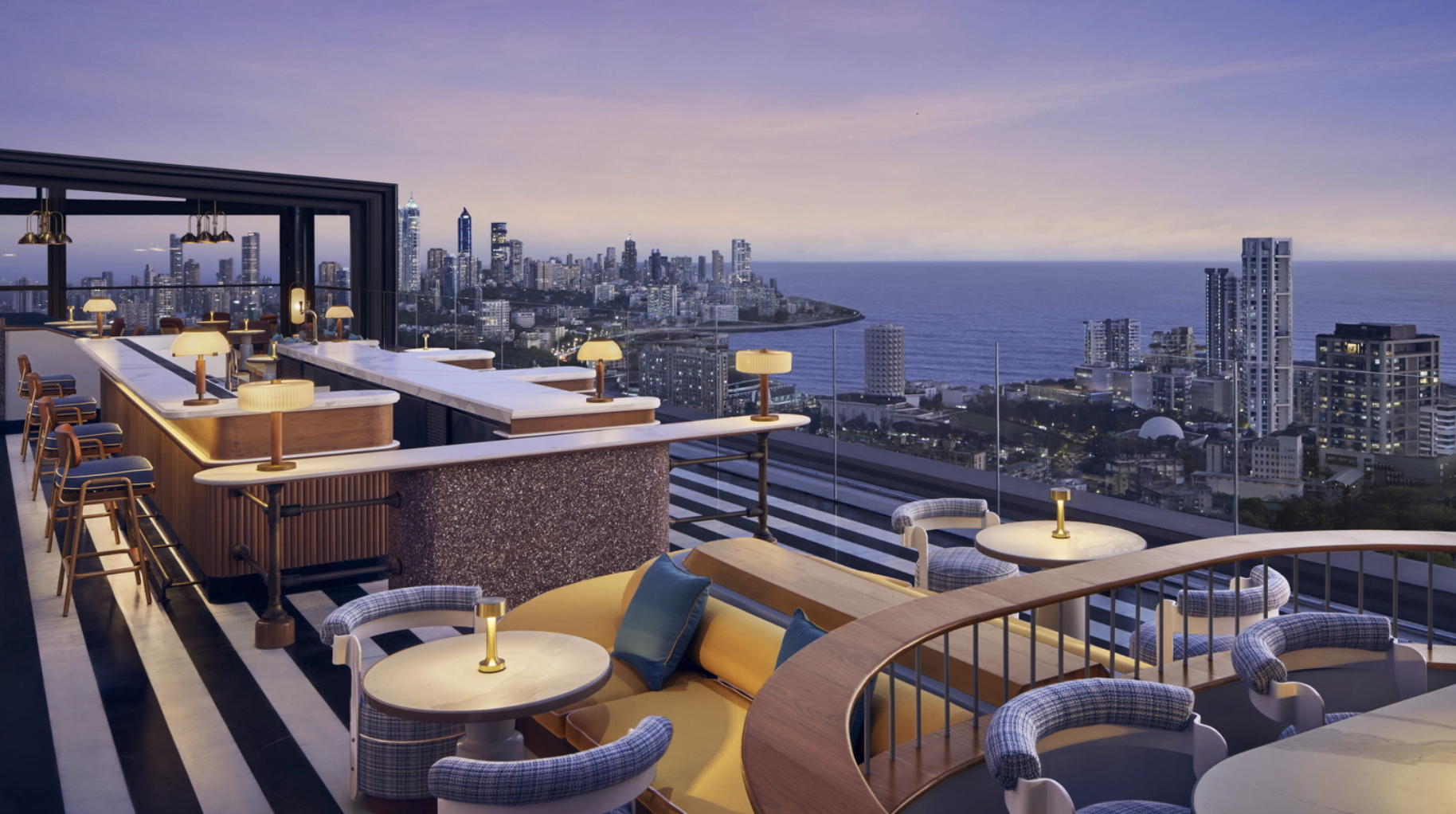
India’s branded residences segment has rapidly evolved into one of the most dynamic and influential categories within the luxury real estate landscape. With an estimated market valuation of $5 billion in 2025, India now stands as the sixth-largest branded residence market globally a remarkable rise for a category that was virtually nascent a decade ago.
Over the last ten years, the ultra-luxury housing segment has recorded an extraordinary 160% growth, propelled by affluent domestic buyers, global investors, and NRIs seeking more than just a home. What they desire is a distinctive blend of brand prestige, curated services, global aesthetics, and lifestyle elevation.
This momentum is visible across India’s latest marquee launches from Elie Saab–branded residences in Gurugram and Noida, Jacob & Co’s architectural statement in Noida, and Westin Residences in Gurugram, to Four Seasons Private Residences and the Armani/Casa-designed Lodha World Towers in Mumbai.
It is no surprise, then, that branded residences consistently command a 30–40% premium over traditional luxury properties. Beyond the architectural and service excellence, buyers place immense value on trust, legacy, and long-term asset appreciation that establishedglobal brands bring.
Design with a Longevity Lens
Buyers today are far more informed and selective. They can easily distinguish between superficial luxury and genuine quality. As a result, there is a growing emphasis on “design that lasts.” This includes the use of high-quality, durable materials, timeless aesthetics, and layouts that remain relevant over time. Luxury is no longer about trends, it is about permanence. Buyers are prioritising homes that age gracefully, both in terms of design and functionality.
The Future of Luxury Living
The Indian luxury home of 2026 is no longer defined by how much it showcases, but by how well it understands its resident. Today’s affluent buyers are looking for homes that adapt to their routines, spaces that seamlessly transition between work and leisure, technology that simplifies daily life, and communities that foster well-being and connection.
Luxury, in its truest sense, is evolving into something far more meaningful: a balance of comfort, consciousness, and customization.
As India’s wealth landscape expands and consumer expectations mature, luxury housing will continue to move beyond aesthetics toward experiences that are deeply personal, purposeful, and enduring.
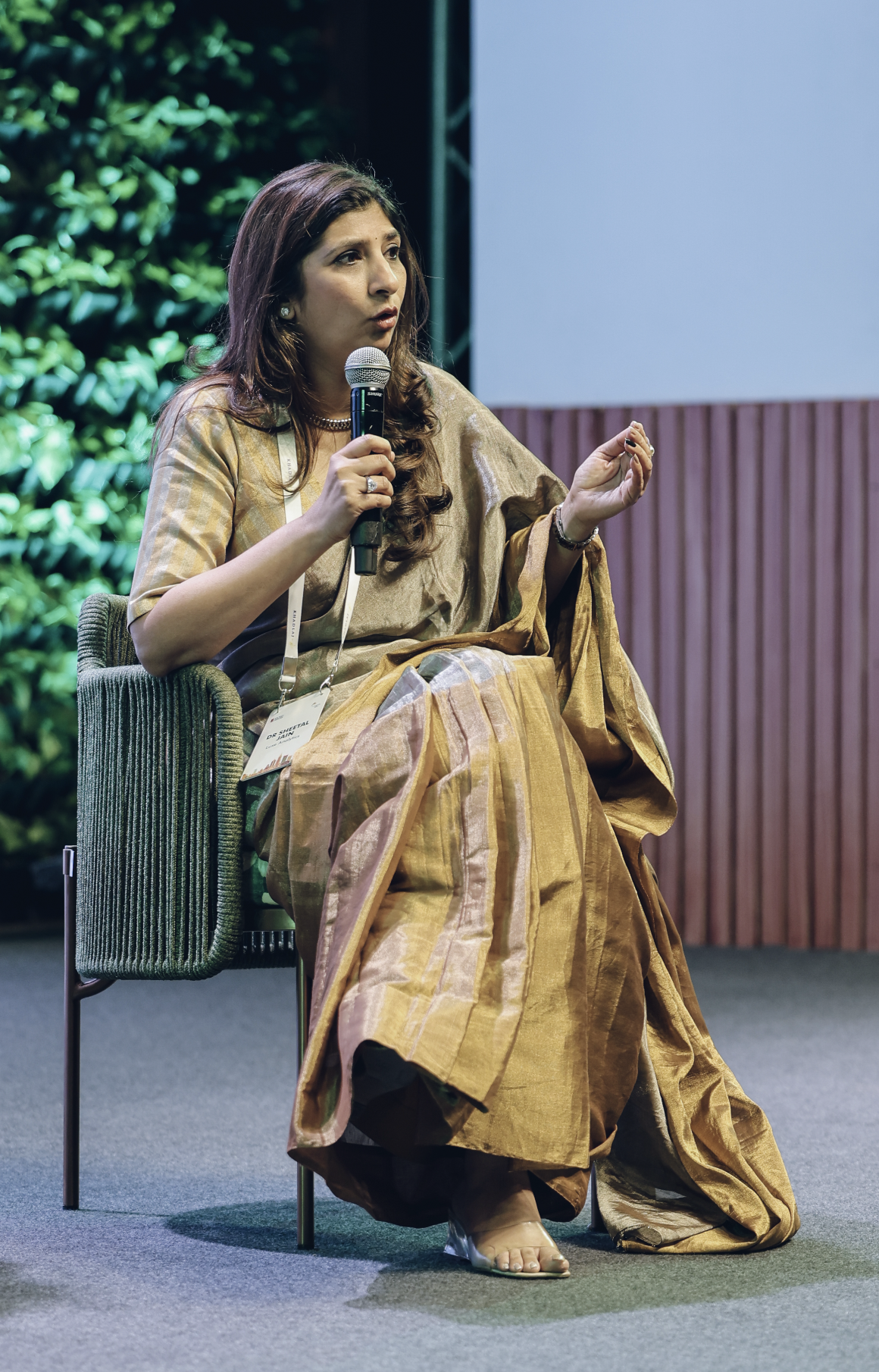 Dr. Sheetal Jain is Founder and CEO of Luxe Analytics, a luxury market intelligence firm based in New Delhi. With over 20 years of experience, Dr.Jain is among the top global voices in luxury research.
You May Also Read: The FTA Shake Up and Its Impact on India’s Luxury Sector