How Gen Z Is Changing the Way India Drinks

Not too long ago, walking into a bar meant asking the same familiar question: “Which alcohol do you use in this cocktail?” And almost without thinking, most of us would instinctively choose the imported option – gin from London, whisky from Scotland. Indian spirits were rarely chosen; in fact, they weren’t even part of the conversation.
Walk into a bar anywhere in India today and that instinct is gone. Bartenders name Indian brands with confidence, guests choose them without hesitation, and more often than not, menus highlight them with pride. The ease with which these names are spoken, and the curiosity with which they’re received, signal something unmistakable: India is finally learning to trust its own spirits.
A slow but definitive shift is taking place across the country’s drinking culture, driven by a combination of curious consumers and mindful creators. This swing has less to do with novelty and more with sensibility. Today’s younger drinkers, from mid-twenties to early thirties, aren’t approaching alcohol with the all-or-nothing instinct of the generations before them. They’re drinking with intention. They ask where something comes from, why it tastes the way it does, and what sets one spirit apart from another. They want cleaner flavours, craft-driven stories, and a taste that feels authentic.

You see the effects of this shift everywhere. From The Second House in Goa to Shad Skye in Shillong; from neighbourhood speakeasies tucked behind kitchen doors to the award-winning bars of Mumbai, Delhi and Bengaluru, menus are anchored in provenance rather than spectacle. And home bar carts, once practical and predictable, now hold bottles with distinct Indian identities: agave distilled in the Deccan plateau, meads from Pune, gins shaped by Himalayan botanicals or the Mahua flower, modern whiskies from the Northeast and the South, and beers brewed to suit India’s climate.
It is, in many ways, the beginning of a cultural realignment defined by curiosity.
How Young India Drinks Today
Spend an evening at any of India’s thoughtfully designed bars and you’ll notice it immediately: the atmosphere has changed. Guests aren’t ordering to get drunk. Most conversations begin with, “What’s in this?” and end with a deeper understanding of the spirit.
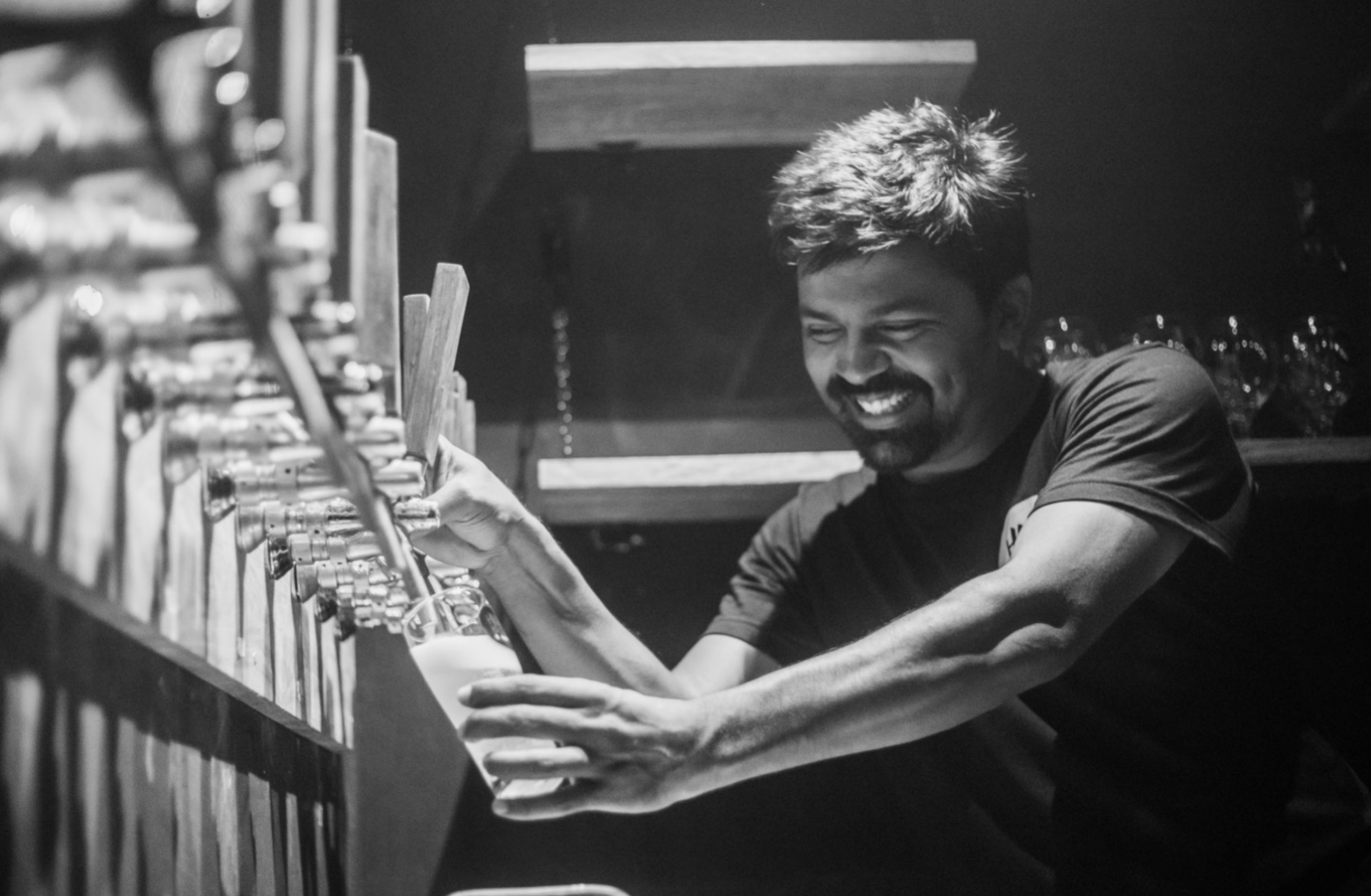
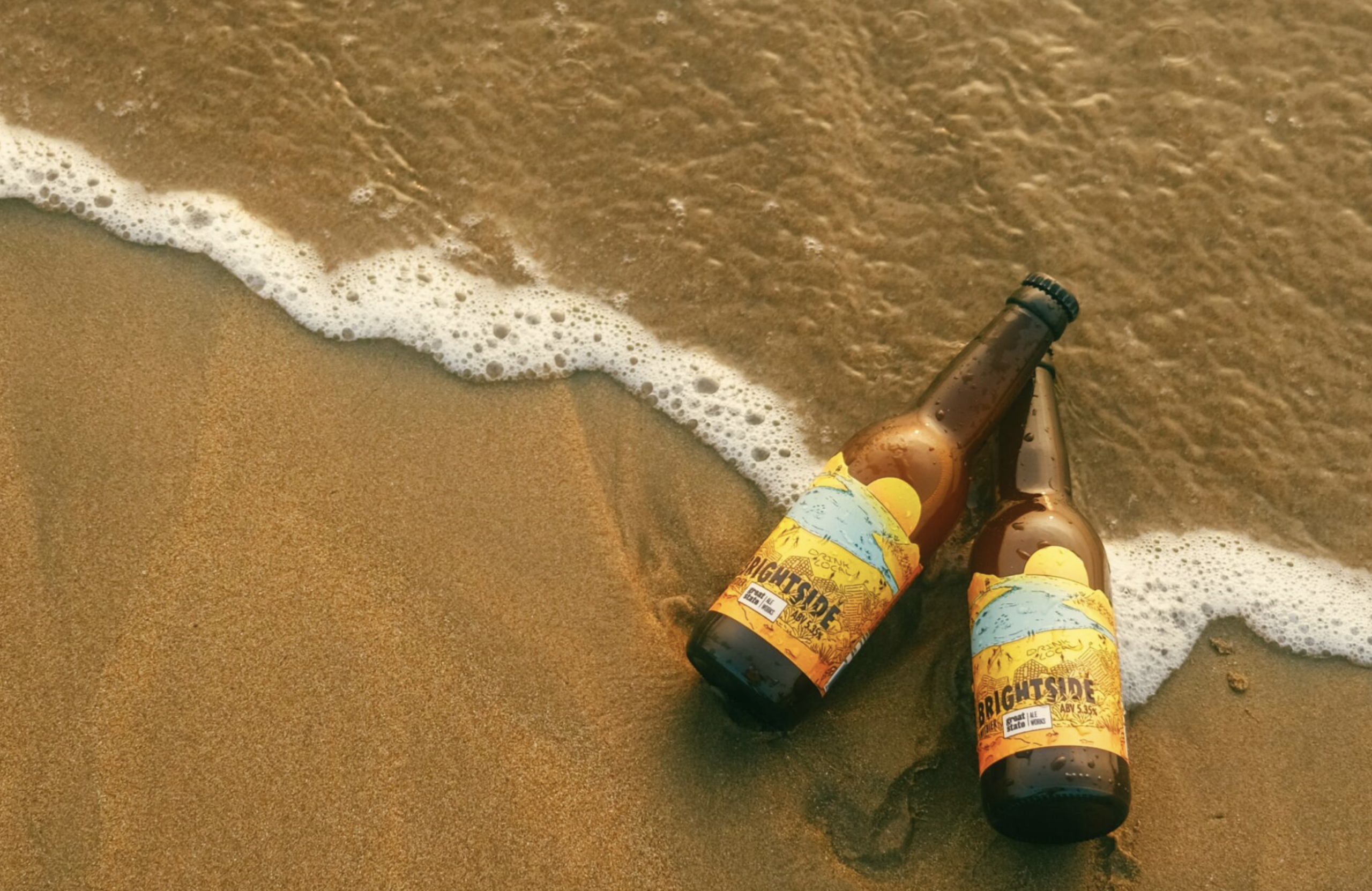
“Young people are drinking less, but they’re drinking better,” says Nakul Bhonsle of Great State Aleworks. For craft beer, this shift translates into a growing preference for lighter, more sessionable styles including wheat beers, lagers, and IPAs softened for India’s warm, social drinking culture.
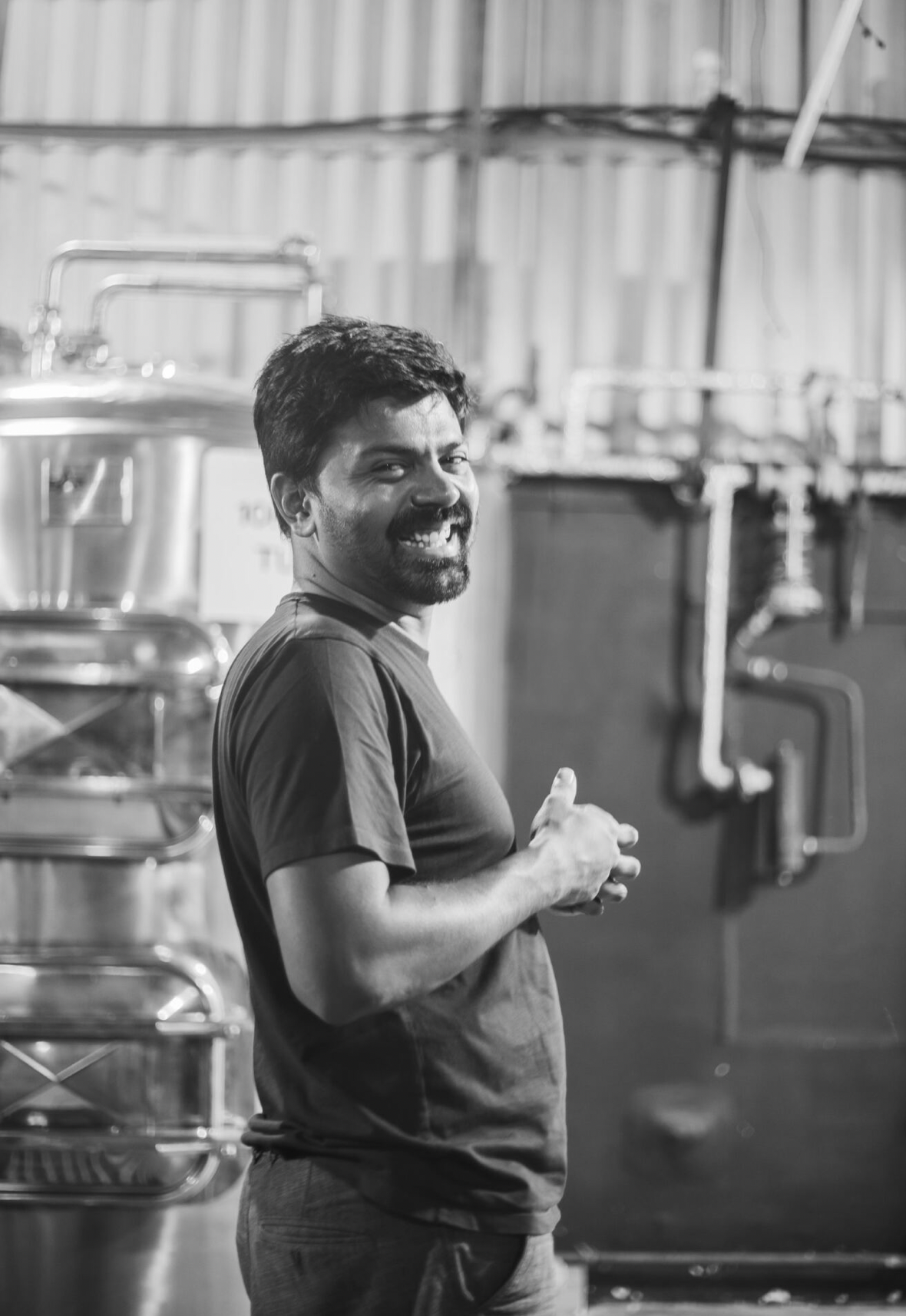
At The Second House, where the drinks mirror the space’s considered design, Dishant Pritamani has seen a similar evolution. “A drink should taste exceptional first. Then it should have a story. Technique should support flavour, not overshadow it.” His coconut milk-washed Feni is a prime example — an indigenous spirit made smooth and approachable without losing its identity.
Across bars in Mumbai, Pune, Bengaluru, Goa, and Delhi, bartenders echo the same observation: people want to taste, not chase. And that shift is changing what gets made, stocked, and celebrated.
Curiosity On the Rise
If young India has one defining characteristic, it’s an appetite for discovery. No category is out of bounds. Everything, from gin, beer, agave, whisky, rum, to mead, all are being re-examined with fresh eyes.
“Tequila is no longer something to shoot,” says Harsha Vadlamudi of Loca Loka. “People are sipping it with intention. They want cleaner spirits, better spirits; spirits that feel thoughtful.”
Gin distillers are witnessing a similar awakening. As the team at Mohulo observes: “Younger consumers aren’t treating gin as just a cocktail base anymore. They’re engaging with botanicals, culture, provenance.” Their own gin, shaped around the Mahua flower, sits comfortably within this new lens, where spirits must mean something. For craft beer, Nakul notes that experimentation, seasonal fruit ales, sours, and lighter IPAs resonates strongly.
On the whisky front, the landscape is shifting even more noticeably. Varun Gupta of 55°NORTH describes a younger audience that reads tasting notes like dialogue, favouring whiskies with character and complexity. “They’re actively seeking authenticity and bold personality,” he says.
In the Northeast, Dark Knight and Infamous whiskies tell a similar story. Vicky Chand has watched drinkers embrace regional expressions: “There’s a sense of discovery and identity attached to whiskies made closer to home.”
Together, these observations point to a future where drinkers aren’t loyal to categories, they’re loyal to flavour and craft.
Growing Taste for Homegrown
Among the most significant shifts in India’s drinking culture is openness towards local spirits. Not as curiosities or gimmicks, but as serious, expressive liquids that deserve attention.
Few stories capture this shift as intimately as Feni’s evolution. Pankaj Balachandran, who has championed Feni for years, credits bartenders for lighting the spark. He adds, “Bartenders believed in our own spirits long before consumers did. They changed perceptions one drink at a time.”
At Quinta Cantina and other bars he’s helped shape, the intention is clear: present Feni in its truest form, elevated but not disguised. Elsewhere, local pride is flourishing: gins like Hapusa and Cherrapunji Gin spotlight botanicals from the Himalayas and Meghalaya’s forests; whisky houses like GianChand are gathering international acclaim; rums from Maka Zai and Short Story are reimagining coastal terroir; and Indian agave producers such as Maya Pistola are carving out a brand-new category.
A Shift In Sensibility
Mindful drinking sits quietly behind much of this transition. It shows up in the cocktails people order. It shows up in how they drink at home, too: fewer bottles, better bottles. “It’s choosing drinks where every ingredient has a purpose,” says Harsha, a sentiment echoed across the industry.
And the demand for clarity and intention has shaped how modern bars operate. Overwrought, technique-heavy cocktails have given way to flavour-first simplicity. Nostalgia has returned, not as a gimmick but as an emotional link. “Technique should elevate flavour, not exist for its own sake,” says Dishant. That ethos is influencing menus across the country.
As palates expand, the range of spirits embraced in India is expanding with it. Indian agave is now a serious category. Mead has earned its own space. Breweries are leaning into styles designed for India’s climate. Whisky drinkers are drifting toward nuance rather than uniform smoothness. And gin continues to evolve as India’s most expressive canvas for regional identity.
What to Expect Next
If the present is defined by exploration and intention, the future is already being shaped by the people building it.
“Consumers want drinks that feel honest,” says Nakul. “That’s exactly why lighter, climate-appropriate beers will keep growing.” For craft beer, he believes the next chapter belongs to flavourful session lagers, wheat beers and clean IPAs built for conversation rather than kick.
In Goa, Pankaj sees heritage spirits taking on a new life. “Once you bring provenance and culture forward, the spirit becomes more than what’s in the glass,” he says. Adding, “Feni, Mahua, we’ve barely scratched the surface of what they can be.”
For agave, the trajectory is equally promising. “People aren’t looking for the biggest buzz anymore,” says Harsha. “They’re looking for spirits they can sip – cleaner, lighter, more intentional.”
Gin distillers believe the landscape will get even more precise. As the team at Mohulo observes, “Indian botanicals are only going to get more specific not just regional, but hyper-local.” Something that Vicky agrees with but he sees regional whiskies becoming part of the mainstream: “There’s genuine pride in drinking something made closer to home. That identity will only grow.” In whisky, Varun predicts a move toward character-driven blends: “People want to know the origin, the water, the cask. They want whisky with personality.”
Behind the bar, the shift is already visible. “Flavour is the centre again,” says Dishant. “The next chapter belongs to cocktails where the intention is clear and the ingredients actually matter.”
Together, these voices suggest a future guided not by imitation but by confidence. Homegrown spirits are no longer alternatives or novelties, they’rebecoming part of the country’s flavour vocabulary.
You May Also Read: Holland House: A Quiet French Interlude in Nashik’s Wine Country