On 1 February 2026, Finance Minister Nirmala Sitharaman presented India’s Union Budget 2026–27 in Parliament, outlining the government’s fiscal roadmap for the year ahead. While the Budget focused strongly on macro-economic stability, infrastructure spending and support for domestic manufacturing, it also introduced several tax and duty changes that are poised to reshape the luxury consumption landscape in India.
A key change with direct implications for luxury buyers is the reduction in customs duty on personal goods imported for individual use, with the rate cut from 20% to 10%. In real terms, this means an Indian traveller bringing back a ₹2 lakh designer handbag, luxury sneakers or a high-end watch from overseas will now pay roughly half the customs duty compared to earlier, translating into savings of around ₹20,000. However, the exact benefit will still vary based on the product category, declared value and applicable duty slabs.
At the same time, several luxury segments face higher levies. According to post-Budget lists of changes, luxury watches, high-end imported goods and premium alcoholic beverages are set to attract elevated taxes or duties, which could push retail prices higher. This move is interpreted as part of a broader effort to balance revenue needs with targeted reforms, even as it dampens the price appeal of certain imported indulgences.
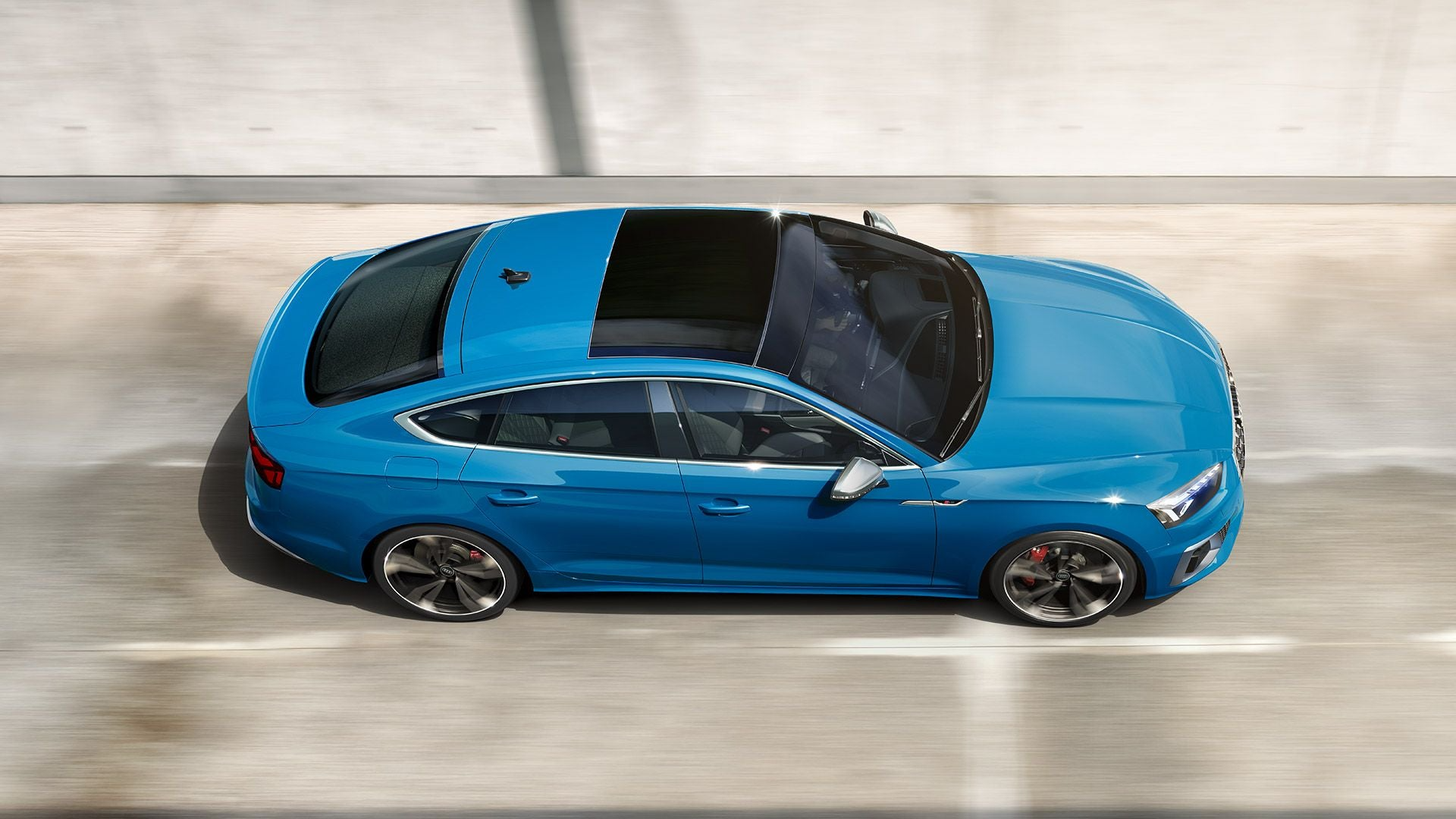
The automotive luxury category, especially high-end cars remains a complex story. Under India’s recently rationalised GST structure, which most recently shifted to a flat 40% rate on sin and ultra-luxury goods, premium vehicles and large SUVs see a predictable and simplified tax regime. This replaced the previous system where GST (28%) plus multiple cesses could push total levies closer to 50% or more. While the new GST alone makes pricing more transparent, it does not automatically make luxury cars much cheaper. Instead, it stabilises costs and removes onerous cess layers, which industry players welcomed as creating a more predictable purchasing environment.
Image Courtesy: Audi
Beyond the Budget itself, trade policy shifts such as the India–EU Free Trade Agreement, which is expected to be phased in over time, are likely to complement Budget changes by cutting import tariffs on European luxury cars from historically steep levels down to significantly lower duties. This longer-term trend could boost availability and affordability of brands like Mercedes-Benz, BMW and Audi in India, even if immediate pricing pressure remains modest.
For lifestyle goods beyond autos, there are mixed signals. While personal imports benefit from duty cuts, certain categories of high-end fashion, imported cosmetics and premium accessories may see cost pressure, as the Budget’s reworked duty structure and customs duties adjust to support domestic manufacturing and discouraging excessive import reliance.
Nevertheless, there are silver linings for parts of the luxury ecosystem. The Budget’s broader emphasis on strengthening domestic manufacturing, including exemptions and duty rationalisations for inputs and components can indirectly benefit premium segments that rely on local production or assembly. For example, reduced duties on materials used in high-tech manufacturing create operational savings for companies pushing into premium and aspirational products.
In the fashion, accessories and lifestyle space, the Budget’s measures signal a policy shift toward domestic value creation and export competitiveness, which could help Indian premium brands grow globally. Industry experts argue that fine-tuning of duty and compliance support is still needed to truly position Indian luxury makers on par with global peers.
Overall, Budget 2026 does not mark a dramatic overhaul for luxury spending in India, but it does recalibrate the playing field. Coupled with macro-economic priorities and long-term trade pacts, the Budget sets the stage for a luxury market that’s simultaneously price-sensitive, domestically aspirational and increasingly integrated with global value chains.