What Does Luxury Marketing Look Like in 2026?
- Business Featured
 Anushka Manik
- 9 minutes read

As a journalist who’s spent the last four years attending luxury events, it’s safe to say that the modern launch party is no longer just about unveiling a product. It’s a curated sensory experience. You might wander through a tactile installation inspired by heritage craft, sample a tasting menu built around provenance and seasonality, or settle into a hushed film screening that unpacks the philosophy behind a global maison’s newest chapter in India. The product is present, but it isn’t the hero. The narrative is.
And that, in essence, is what luxury marketing looks like in 2026. It’s about less spectacle, more substance; less visibility for visibility’s sake, and far more emotional imprint. Across fashion, jewellery, automobiles, hospitality and beauty, brands are shifting away from chasing attention and crafting worlds consumers don’t just admire, but want to belong to.
Globally, this pivot is backed by numbers. Bain & Company’s latest luxury outlook indicates that while the global luxury market has stabilised after post-pandemic volatility, growth in emerging luxury markets like India continues to outpace mature regions, driven not only by wealth creation but by aspiration-led consumption and younger, culturally curious buyers. McKinsey’s 2025 State of Fashion report similarly notes that Gen Z and millennial luxury consumers now prioritise brand values, storytelling and community over overt status signalling.
In India, this evolution is particularly pronounced. Once dominated by logo-driven aspiration and marquee celebrity visibility, luxury marketing is now entering a more nuanced, emotionally intelligent phase.
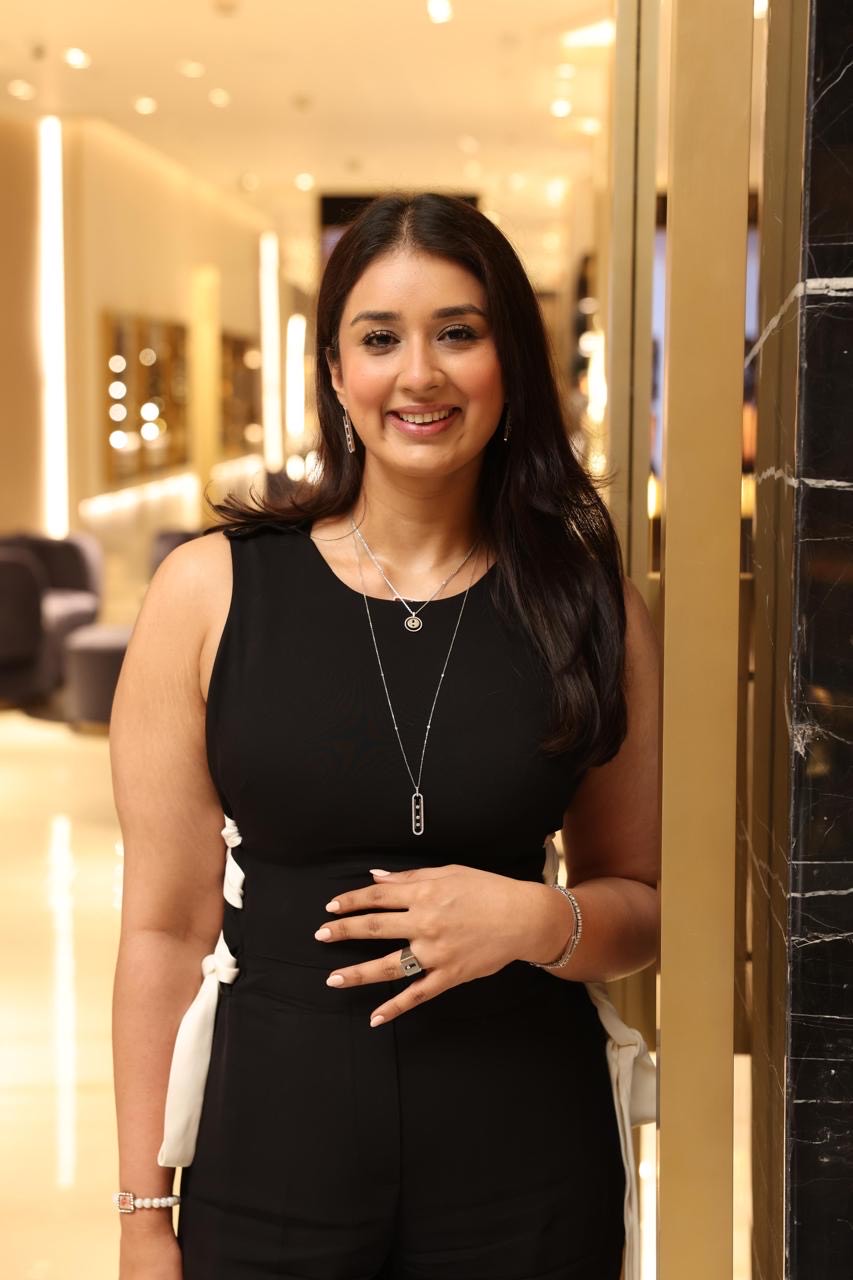
“What many people still misunderstand about marketing luxury in India is that it’s not just about showing wealth or creating visibility,” says Jessica Singh, Founder of Stanley Communications, who has led Indian market entries and brand narratives for global labels including Aquazzura, Versace, Maje Paris, Bvlgari and Vivienne Westwood. “The audience is savvy – they value authenticity, storytelling and cultural resonance over flashiness. Luxury here isn’t just bought, it’s experienced. Brands that succeed are the ones who connect emotionally while maintaining their global DNA.”

From Adaptation to Translation
One of the biggest shifts shaping luxury marketing in 2026 is how global brands interpret India; not as a market to be adapted for, but a culture to be translated into.
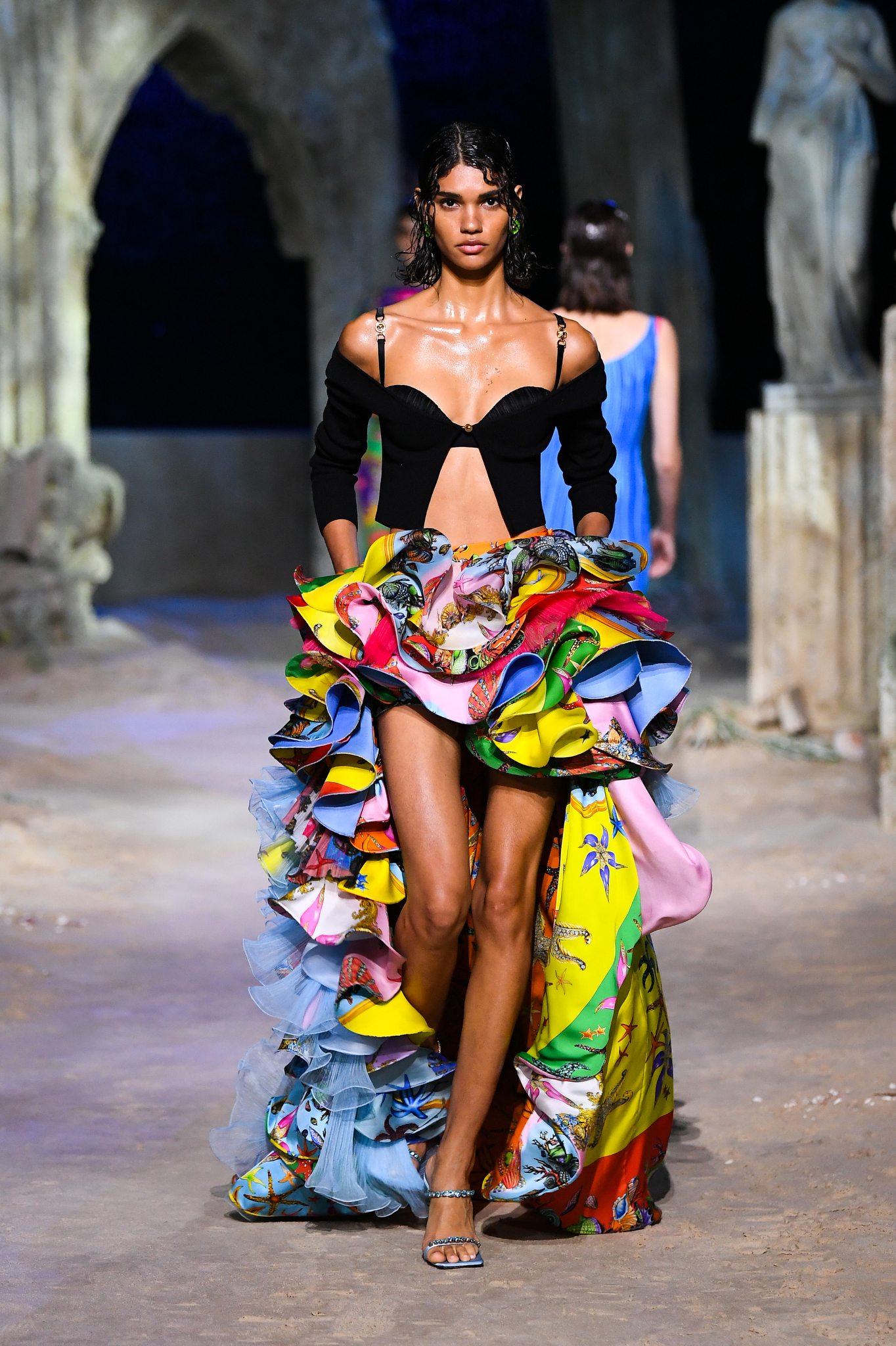
“The key is translation, not adaptation,” Singh explains. “With a brand like Versace, we didn’t reinvent their codes. We layered in what mattered to the Indian audience – timing of launches, celebrity collaborations, editorial storytelling aligned with local aspirations. The brand remained unmistakably Versace, but it spoke fluently to India.”
This approach mirrors how automotive luxury brands are recalibrating their strategies.
For BMW India, whose portfolio now spans from high-performance sedans to ultra-luxury electric flagships, the challenge lies in maintaining a consistent global brand emotion while expressing it meaningfully within Indian cultural behaviour.
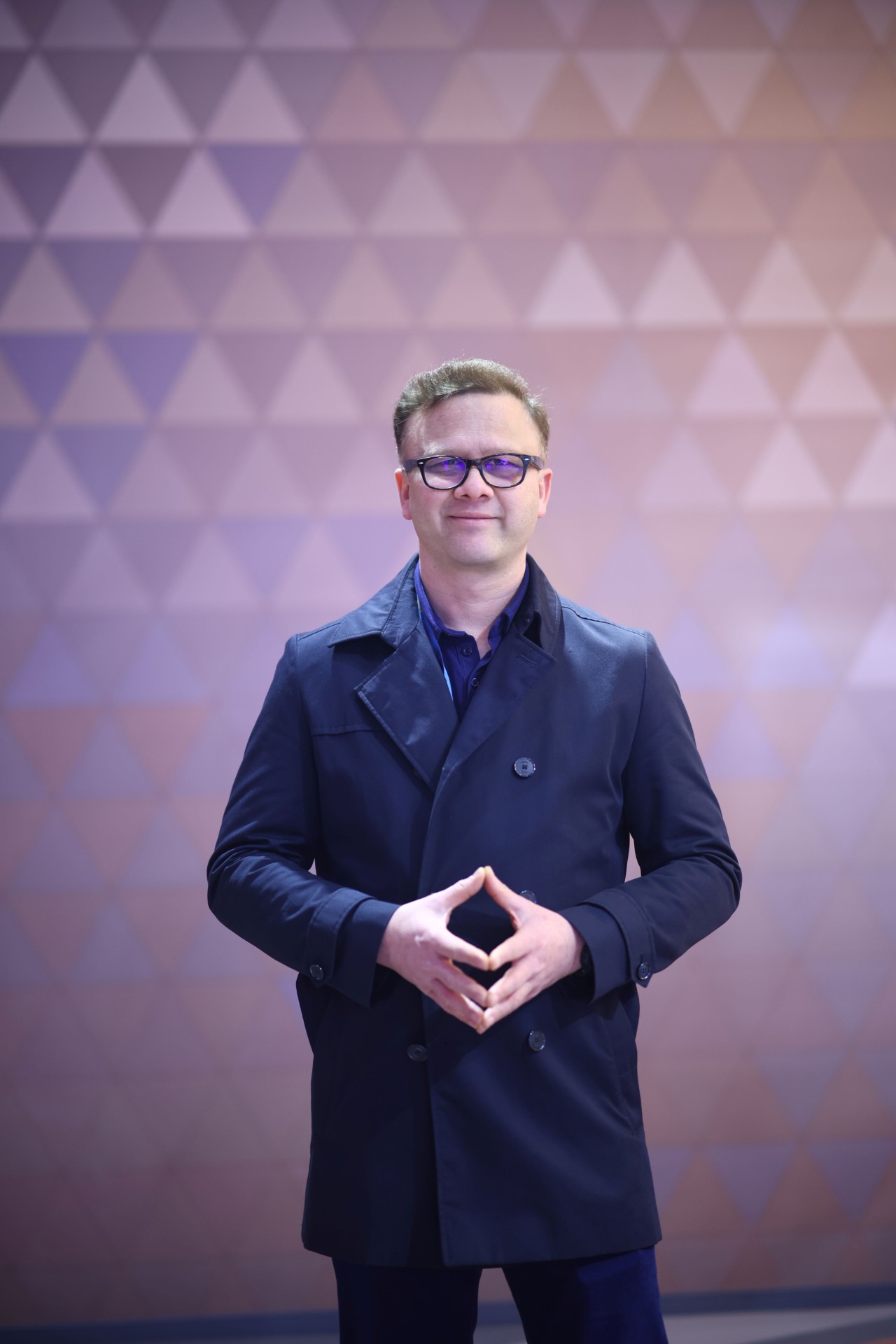
“Balancing global brand codes with India-specific storytelling starts with keeping the core unchanged,” says Mr. Vitesh Barar, Director – Marketing, BMW India. “For BMW, that core is JOY – a universal emotion. What differs is how it manifests. In India, joy often comes from exceptional comfort, convenience and seamless ownership, whereas in other markets it may be more about driving dynamics. The emotion stays constant, the expression evolves.”
This localisation extends beyond communication into experience design. In India, in-home product demonstrations, curated drives, concierge services and immersive lifestyle touchpoints are becoming just as important as dealership environments, reflecting a consumer who values convenience, intimacy and personalised engagement.
The Rise of the Relationship Economy
Perhaps the most defining characteristic of luxury marketing in 2026 is its pivot from transaction to relationship. Indian luxury consumers today are more informed, more confident and significantly more emotionally driven than even five years ago. According to a recent Deloitte India consumer study, discretionary spending among affluent urban Indians has shifted towards experiences, wellness, travel and personalised services rather than purely asset-driven purchases.
“One insight that fundamentally changed how we approach luxury storytelling is that Indian consumers are highly relational and community-driven”, Singh notes. They want to feel part of a story rather than just own a product. This insight shaped campaigns like Maje Paris’s India launch, which prioritised participatory experiences over transactional visibility. It’s a philosophy that increasingly defines what exclusivity means today.

“Exclusivity in India is less about hiding a brand and more about curating experiences that feel personal and differentiated,” Singh says. “Visibility is inevitable. Intentionality is what creates privilege.”
In the automotive space, BMW’s Excellence Club reflects this shift at scale – an invitation-only ecosystem that curates bespoke travel, lifestyle access, fine dining, sporting events and concierge support for its most discerning customers.
You may also read: Luxury Fashion Forecast 2026