Deepak Chhabra on why Formula One is the new language of watch culture
- Featured Retail
 Yashita Damani
- 7 minutes read

India’s luxury market is no longer being driven only by the ultra rich. As premium consumption expands rapidly across the country, brands are increasingly targeting a growing class of aspirational consumers willing to spend on luxury experiences, fashion and identity driven products. Industry estimates suggest India’s luxury goods market could grow from USD 10.6 billion in 2025 to nearly USD 18.8 billion by 2034, with watches and jewellery contributing a major share of that growth.
Speaking with LuxeBook, Deepak Chhabra, Managing Director at Timex Group India Limited says that the company’s latest push with Aston Martin watches reflects not only changing buying patterns but also the growing influence of motorsport culture, global fashion consumption and younger affluent consumers redefining luxury on their own terms.
Chhabra shares that India has added nearly 200 million discretionary consumers over the last several years. “Earlier, India had nearly 300 million people spending meaningfully beyond essentials such as food and housing. Today, that number has crossed half a billion,” he adds.
According to him, this expansion is driving growth across every level of the market, from first-time purchases to luxury upgrades. “It is not just premiumization driving growth anymore. Aspirational first-time purchases are equally important, especially in categories like watches where emotional value and identity increasingly shape buying decisions”.

The group’s portfolio strategy reflects this shift. Its accessible brands including Timex, TMX and Helix cater to younger and first-time buyers, while fashion-driven labels such as Guess, Nautica, Ted Baker and Furla occupy the mid-premium space. “Aston Martin sits in that ₹50,000 to ₹1 lakh category and acts as an aspirational bridge into luxury,” he says.

Formula One fandom is becoming a luxury signal

One of the biggest cultural shifts influencing the market, according to Chhabra, is the rise of Formula One in India. “The number of Indians paying to follow Formula One races has grown from nearly 30 million in 2022 to around 61 million in 2024,” he shares, adding that the fandom could soon cross 70 million if current growth trends continue.
“Cricket remains unmatched in scale, but Formula One is becoming an influential affluent sport with strong aspirational value,” Chhabra notes. He also points out that India currently lacks a true motorsport-focused watch brand despite racing culture gaining momentum.
Aston Martin’s association with one of Formula One’s top-performing teams has strengthened the brand’s positioning among younger premium consumers. “Motorsport today is not just about sport itself, it represents lifestyle, aspiration and a global identity,” Chhabra says.

Speaking about the Timex x Aston Martin launch, Chhabra recalls the core idea was to “democratize luxury a bit” without diluting exclusivity. “Aston Martin cars are extremely exclusive in India, with prices starting upwards of ₹5 crore and only around 200 owners in the country. Through the watches, consumers can own a piece of that luxury and performance heritage at a far more accessible level.” The watches are designed to give consumers “a piece of the luxury” associated with the automotive marque while retaining the precision and exclusivity attached to the Aston Martin name.
According to Chhabra, consumer response has exceeded expectations. “In India, we sold nearly 10,000 Aston Martin watches within the first three months of launch, and the country has emerged as one of the strongest markets”. He admits that demand could have been significantly higher, but supply shortages and early sellouts affected availability during the initial phase.

Are watches becoming identity markers?
Chhabra believes younger affluent consumers are fundamentally redefining the premium watch category. “Watches are no longer just functional accessories. They have become fashion statements and identity markers”. Younger buyers are increasingly willing to stretch financially through EMI options and flexible payment methods to acquire aspirational brands. “Luxury buying today is more emotional and culturally influenced than ever before”.
According to him, exposure to international media, sports culture and luxury-focused digital content has accelerated aspiration cycles. “Consumers today want bigger, bolder products with globally recognizable luxury associations”.
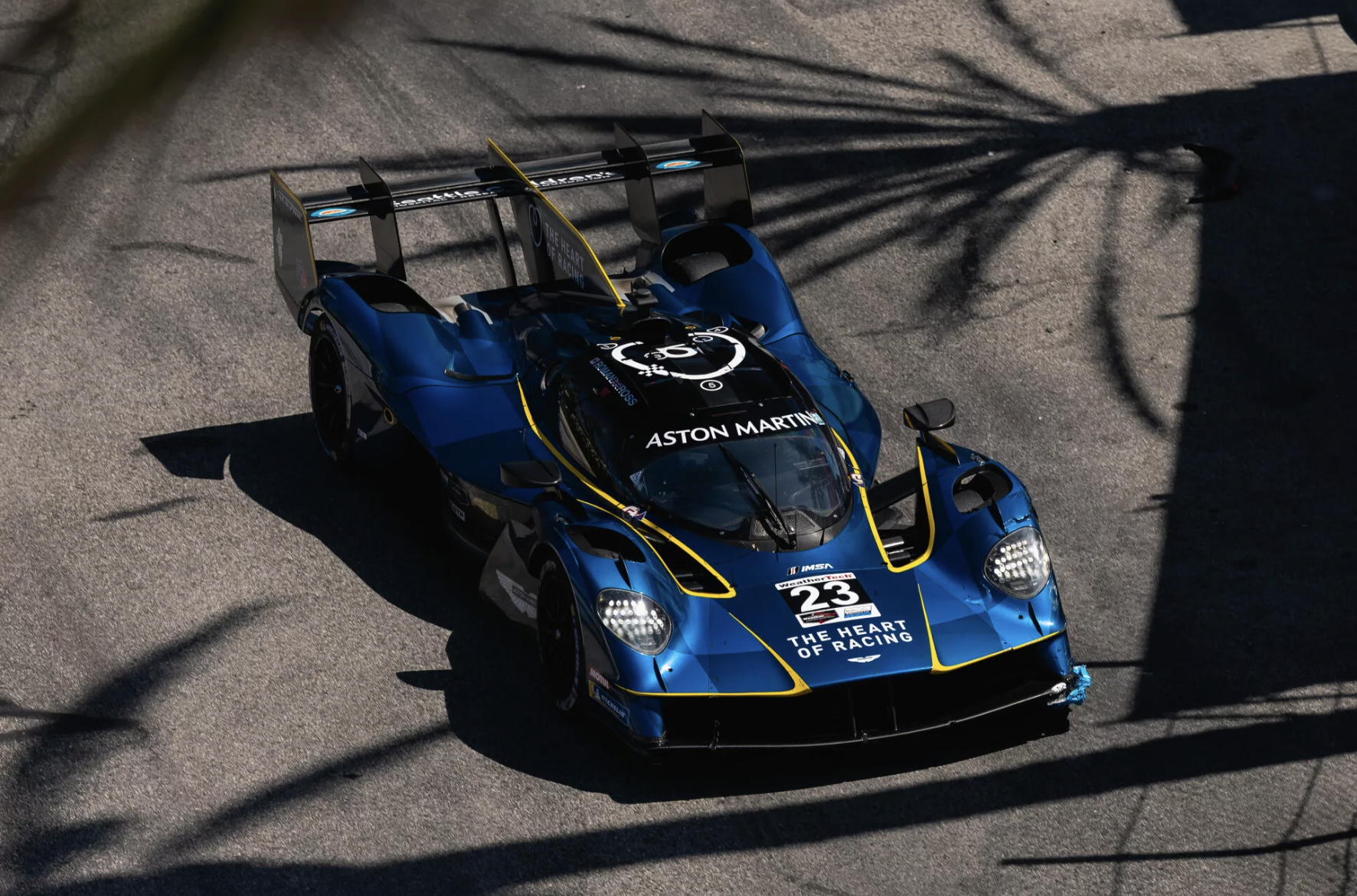
The design language of the Aston Martin collection draws heavily from automotive inspiration. “Every watch incorporates elements inspired by the cars themselves—speedometers, dashboards, wheel rims, tires and performance instrumentation,” he explains. Features such as chronograph movements and automatic mechanisms were intentionally designed to echo the engineering precision of luxury sports cars. “The idea was that the moment you look at the watch, it should instantly remind you of the Aston Martin driving experience”.
Luxury buyers no longer want to shop abroad

Chhabra explains that luxury collections are typically positioned around 10 to 12 percent more competitively to make them more accessible for Indian consumers. On pricing strategy, Timex Group benchmarks pricing closely against the core category of the licensed brand.
He acknowledged that price sensitivity remains stronger at the lower end of the consumer pyramid, while luxury buyers are less affected by marginal price differences beyond certain thresholds. At the same time, he noted that India’s historically high customs duties encouraged overseas luxury shopping.
“The Timex Group has consciously worked toward ensuring that its luxury watches are priced at par with or sometimes even slightly cheaper than international markets so that purchases increasingly happen within India rather than abroad.”
Check the collection here!
You may also read: In Conversation with Pranav Saboo on Jacob & Co.’s flagship debut in Delhi