India’s luxury travel economy is being driven by domestic desire
- Featured Travel & Hospitality
 Yashita Damani
- 14 minutes read

India’s luxury hospitality story is no longer being written around international arrivals alone. A quieter but increasingly influential shift is reshaping the market as affluent Indian travellers fuel demand for experiential stays, lifestyle hotels, boutique escapes and high end travel experiences across the country.
From luxury resorts and urban staycations to heritage rail journeys and immersive hospitality formats, domestic consumption is emerging as the defining force behind India’s next phase of luxury travel growth. The recent decision to extend Palace on Wheels operations into May for the first time in decades reflects the strength of this rising appetite for premium travel experiences within India itself.
Global hospitality groups are now actively recalibrating their India strategies around this evolution. Accor recently highlighted domestic travellers as a primary growth engine for luxury hospitality in the country as rising disposable incomes, changing travel behaviour and demand for curated experiences continue to transform the sector.

Industry leaders say this is no longer simply a post pandemic travel rebound, but the rise of a more evolved Indian luxury consumer. “Domestic demand has fundamentally transformed the luxury hospitality landscape in India. Indian travellers today are more confident, discerning and experience led in their choices, and they are driving demand across both leisure and urban destinations,” says Robert Dallimore, VP & General Manager, Grand Hyatt Mumbai. “What we are witnessing is not simply a recovery in domestic travel, but the emergence of a highly evolved luxury consumer who is willing to invest in quality experiences, wellness, culinary journeys and personalised stays within the country.”
The shift is increasingly visible across the wider hospitality landscape as luxury brands expand lifestyle led offerings, experiential properties and destination driven escapes to cater to a new generation of Indian luxury consumers who value experience, exclusivity and personalisation over conventional hospitality markers.
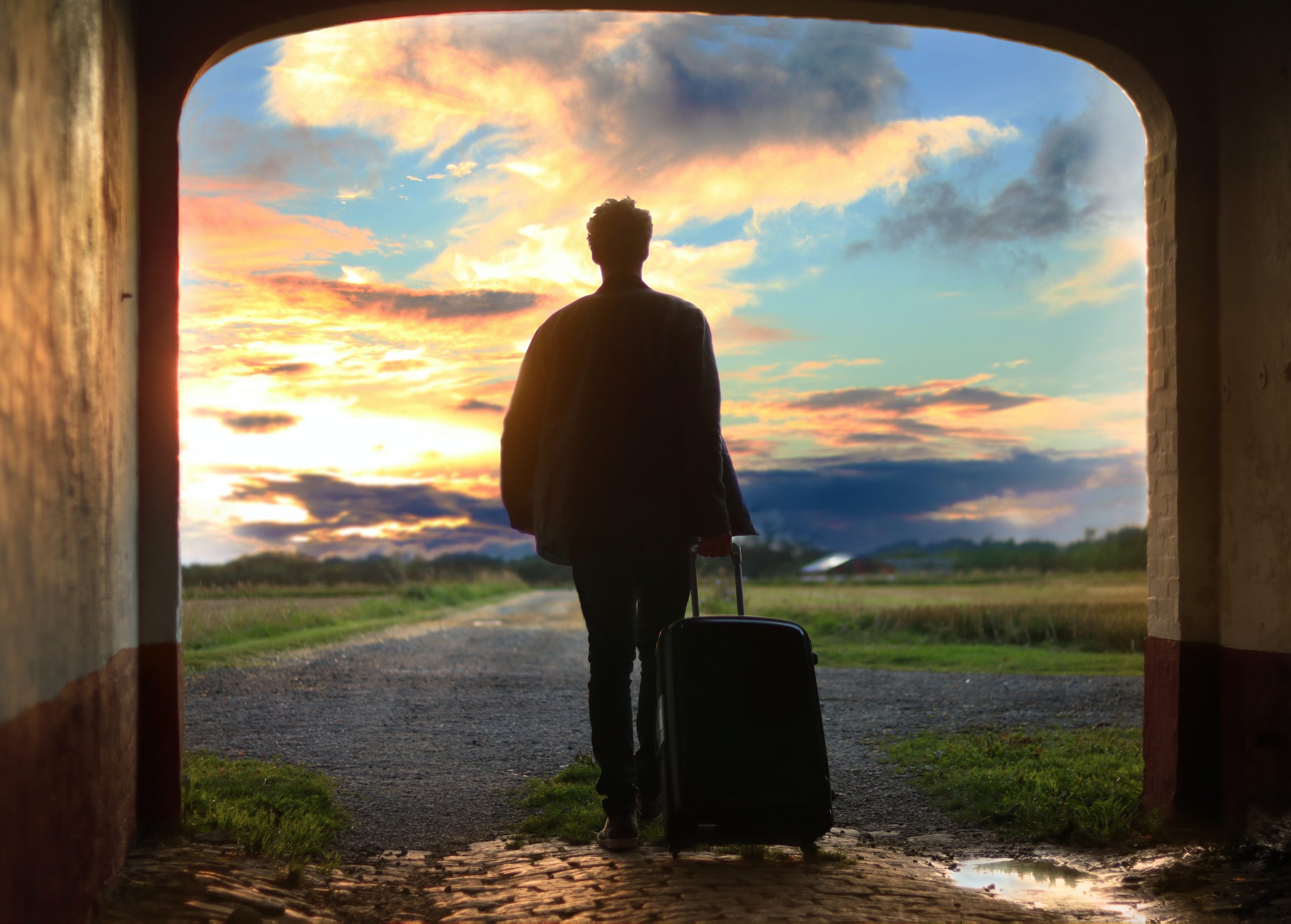
For years, luxury travel in India came with a passport stamp and preferably a Schengen visa. The country’s affluent travellers looked outward, often mistaking distance for desirability. Europe meant status, private islands meant success. Even exhaustion somehow became glamorous if it arrived with an Italian postcode and enough content for the ‘gram. Domestic holidays, however indulgent, still sat slightly below aspiration, which is mildly absurd for a country that has long understood hospitality better than most of the world.
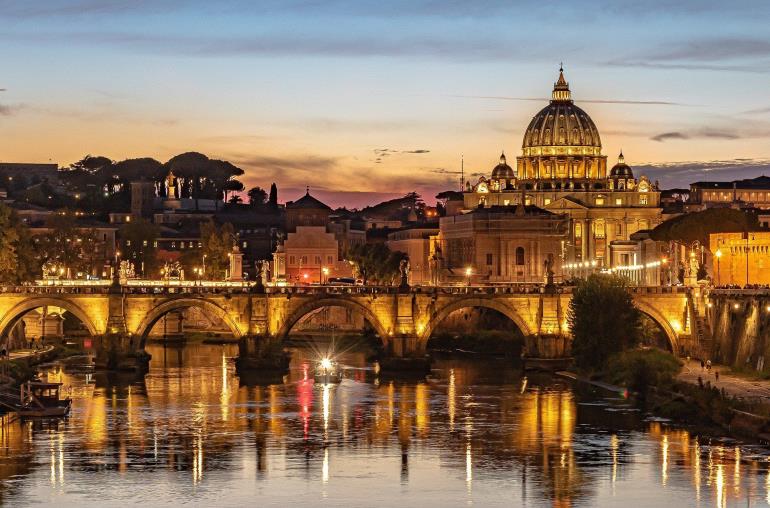
Luxury, in many ways, became performative. The story mattered as much as the stay. Where you checked in often mattered more than how you felt once you got there. Dragging suitcases through Rome, surviving delayed European connections and calling jet lag ‘worth it’ became oddly acceptable collateral for aspirational travel. That hierarchy is quietly collapsing.
India’s wealthy are travelling more than ever, but increasingly, they are travelling inward. Domestic luxury is no longer the compromise between international holidays. It has become the destination itself. The shift is subtle but significant, and nowhere is it more visible than in the country’s evolving hospitality landscape.
Today’s traveller is chasing emotional relevance, personalisation, privacy, atmosphere and a sense of connection. Hotels, in turn, are being forced to rethink what luxury means in a country where the consumer is evolving faster than the industry anticipated. Luxury hospitality leaders believe this surge in domestic movement is reshaping premium travel in ways that feel structural rather than seasonal.
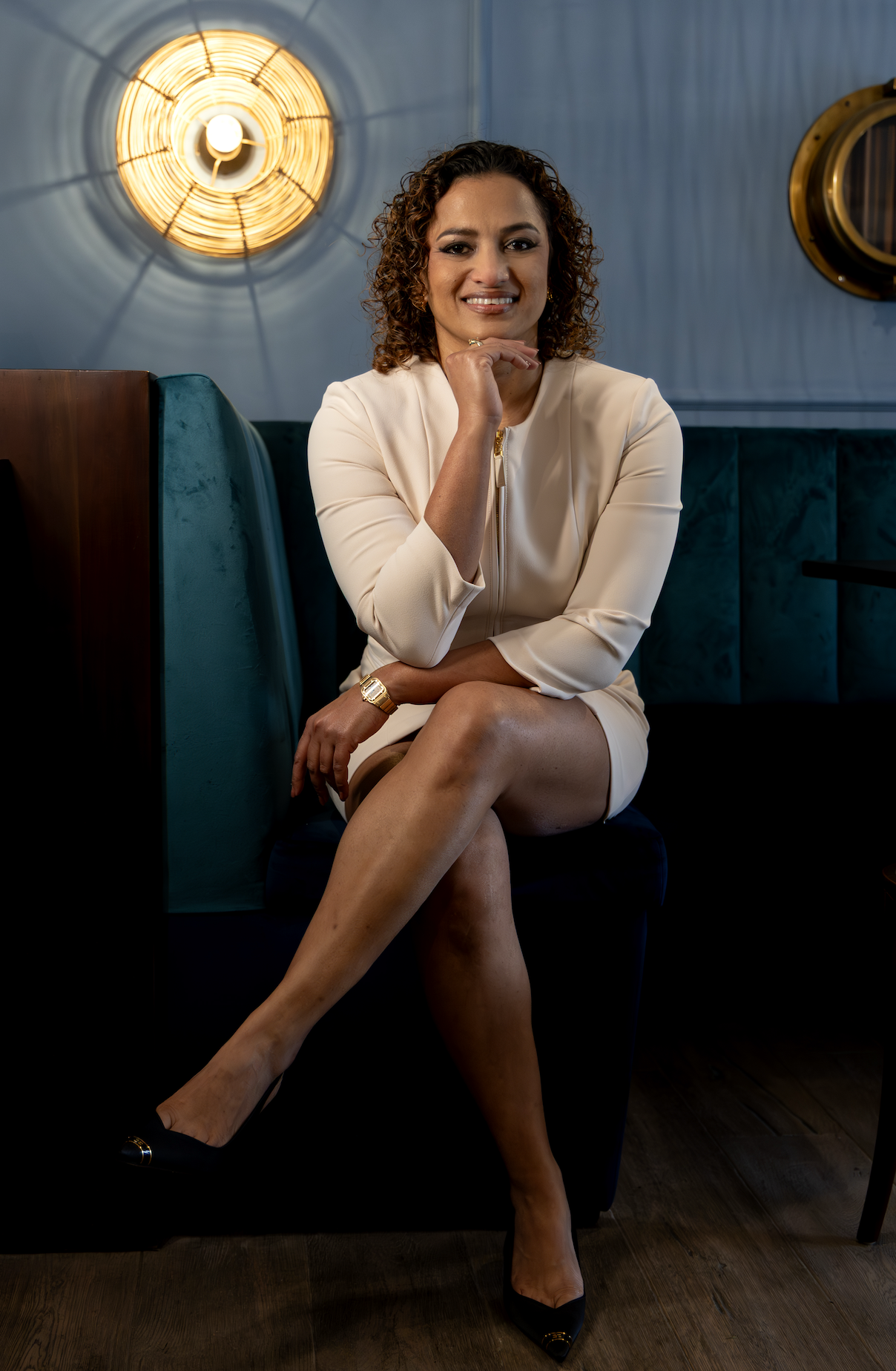
“The shift has been gradual over the last decade, but it accelerated meaningfully post Covid”, says Nair. “Traditionally, luxury hospitality in India was heavily dependent on international travellers, but today the proportions have largely flipped from nearly 70% foreign demand earlier to almost 70% domestic demand now. Indian travellers are travelling more frequently, across a wider range of destinations, and with a far greater appetite for premium experiences within the country”.
Yet this transformation is not simply about demand. It is about desire. The momentum is visible across travel this year itself. Domestic movement has accelerated sharply, creating ripple effects far beyond airlines and highways.
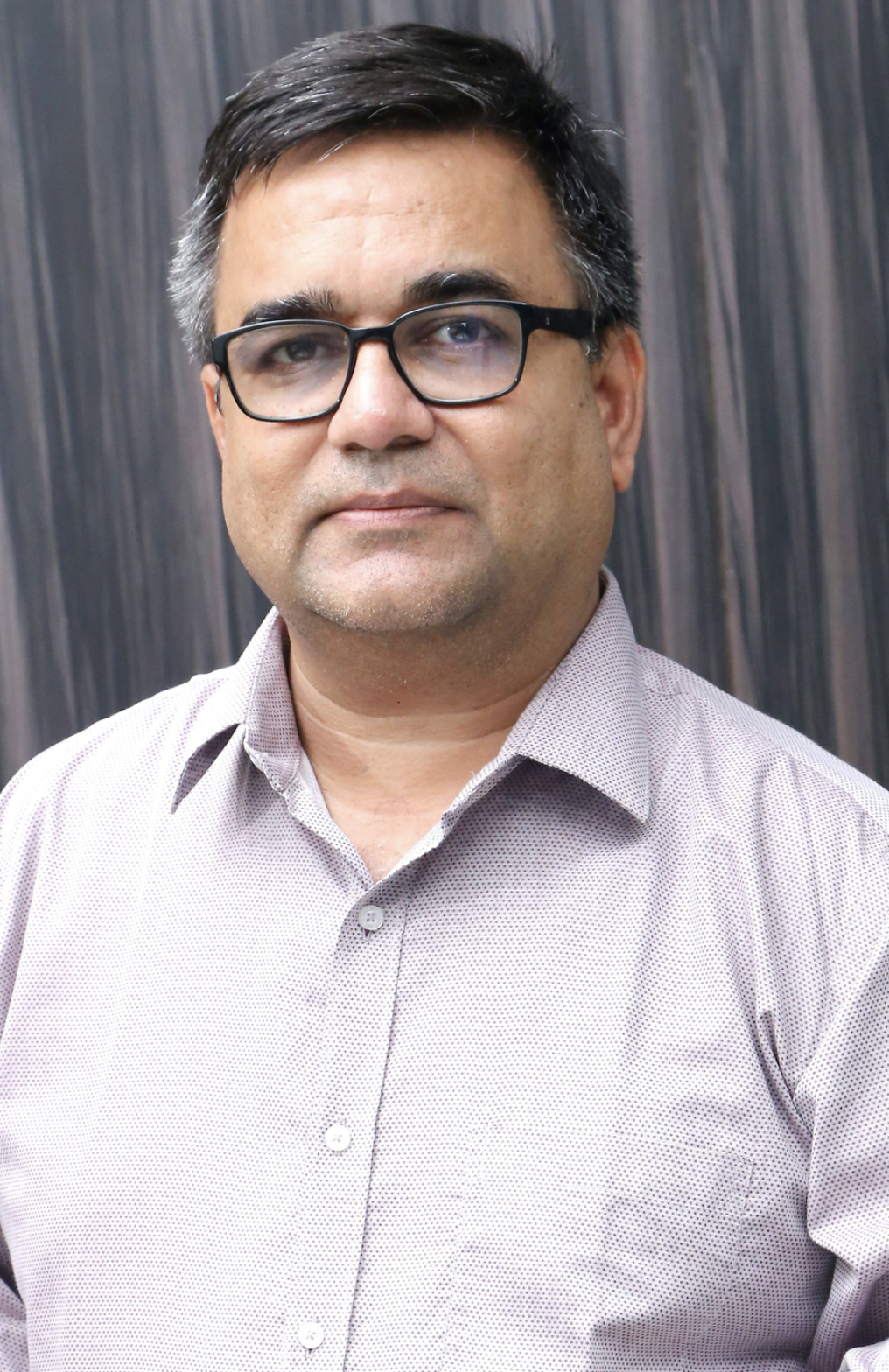
“We are witnessing strong summer travel demand across key intercity and leisure corridors, driven by the holiday season, long weekends and increased movement during the IPL period. Several high demand routes are seeing strong occupancy levels, and we continue to strengthen our services and capacity across important corridors to cater to the growing demand,” says Manish Rathi, Co founder and CEO, IntrCity SmartBus.
The death of performative luxury
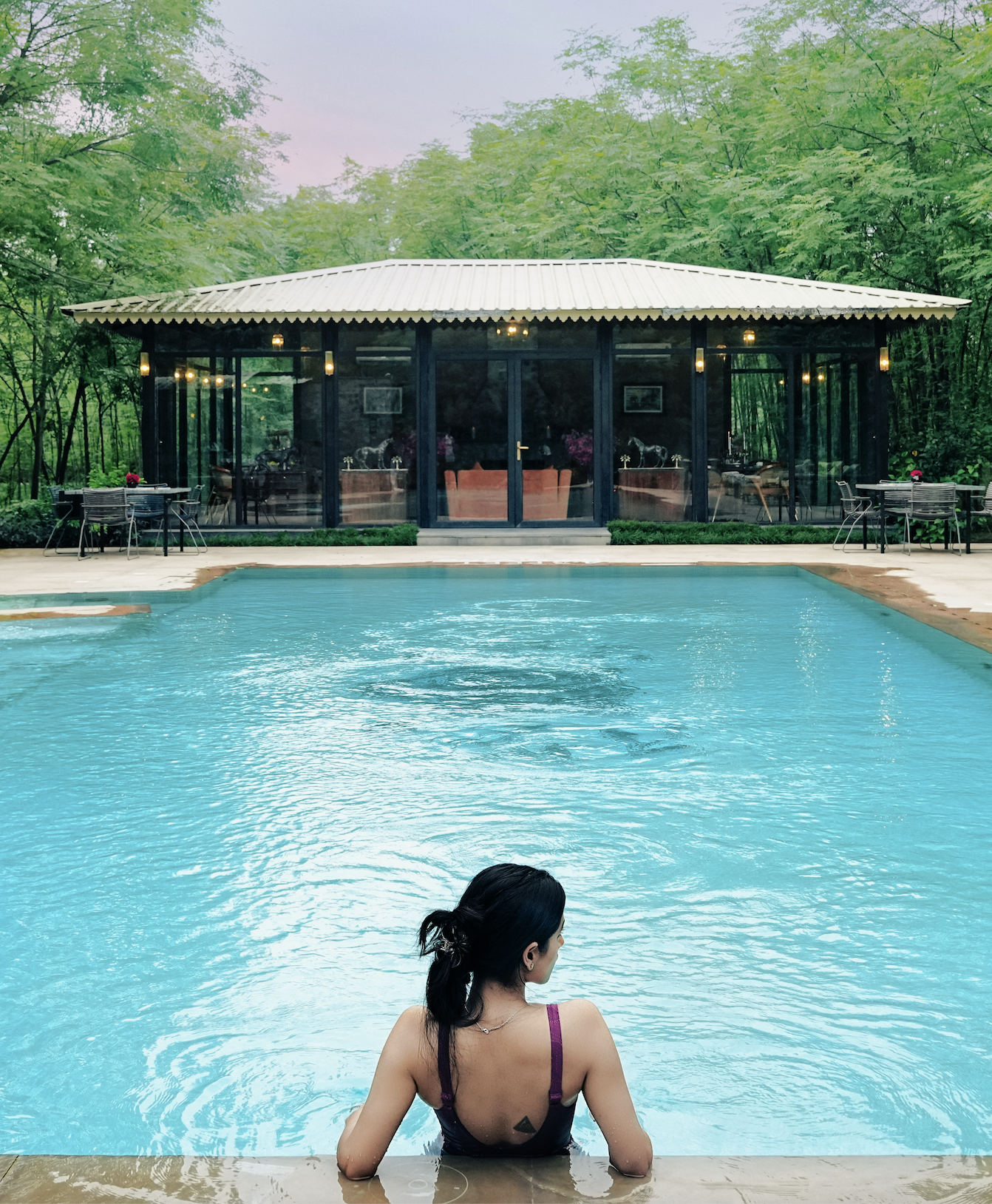
The shift is visible in how affluent Indians are spending. Wellness retreats have become as desirable as beach holidays. Culinary travel now carries the same emotional pull as shopping escapes. Privacy, slow living and deeply local experiences increasingly outweigh polished standardisation.
“Luxury consumption today is far more experience led than purely transactional. Guests are increasingly prioritizing meaningful and immersive experiences whether it is bespoke dining, curated beverage experiences, wellness retreats or exclusive access led offerings. There is a clear preference for authenticity, exclusivity, and personalisation,” says Amit Kumar, General Manager, JW Marriott Hotel Pune.
The Indian luxury traveller has changed, perhaps permanently. The old definition of luxury often revolved around grandeur. Bigger suites, formal service, imported aesthetics and destination bragging rights once dominated the hospitality conversation. But today’s traveller appears far less interested in performative indulgence.
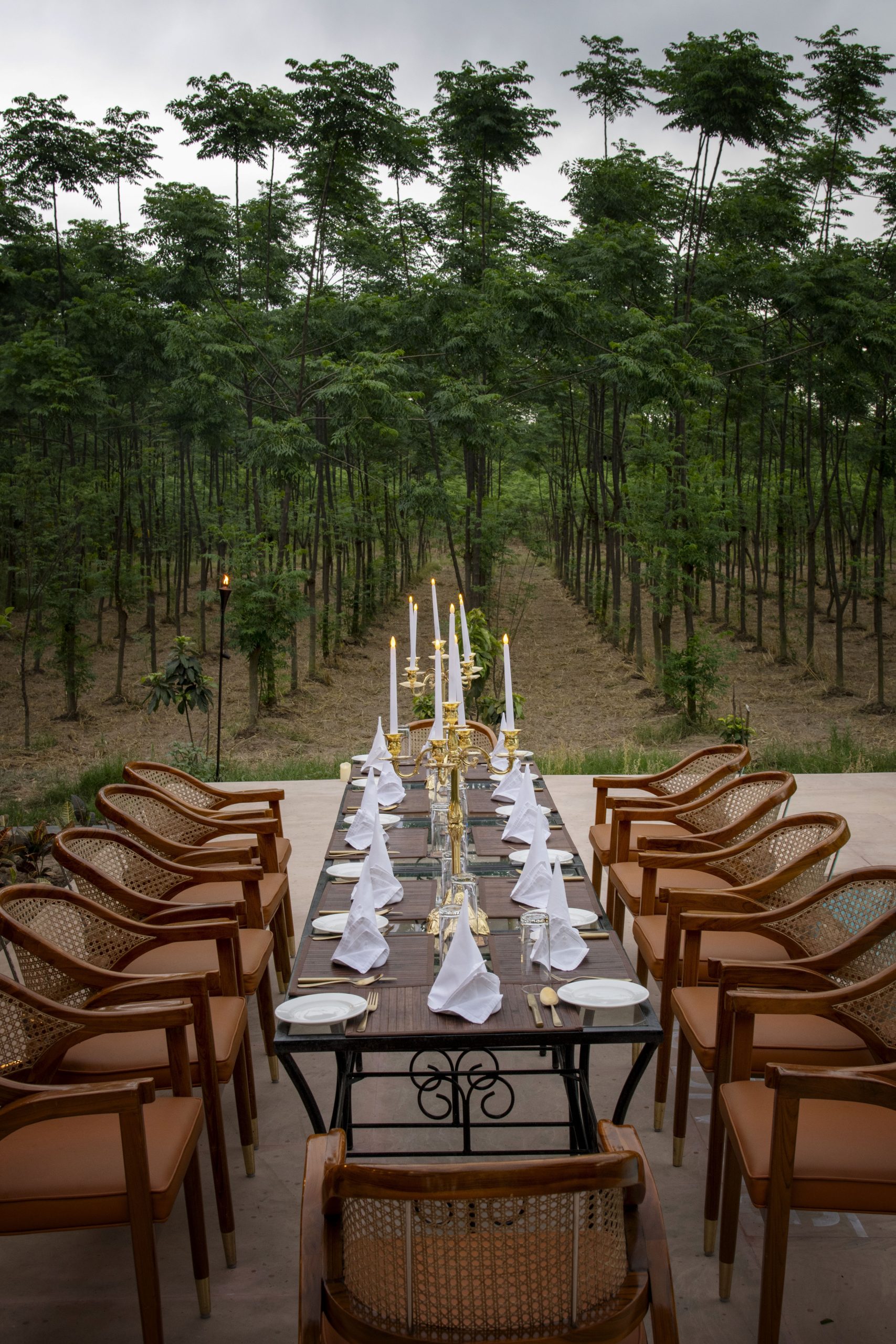
Instead, luxury is becoming deeply personal. “The spending patterns are definitely evolving. Luxury travel is no longer limited to one or two annual holidays; travel has become far more frequent and purpose driven. Guests are travelling for family time, wellness, self reflection, adventure, celebrations and even culinary exploration. As a result, spending is becoming more intentional and experience led rather than purely status led,” says Nair. The implication for luxury hospitality is significant. Five star is no longer enough.
Why atmosphere has become the new luxury currency
If the previous generation of luxury hospitality sold aspiration, the next generation is selling feeling. Travellers today are choosing mood, energy and emotional alignment. The atmosphere of a hotel now matters almost as much as the destination itself.

This perhaps explains why lifestyle driven luxury is emerging as one of hospitality’s most important growth stories. “Domestic demand has fundamentally transformed the luxury hospitality landscape in India over the last few years. Indian travellers today are travelling more frequently, exploring newer formats of luxury, and engaging with hospitality in a far more intentional way. Earlier, luxury travel was often associated primarily with international travel or milestone occasions, but today we’re seeing consumers invest just as meaningfully in domestic experiences,” says Rajiv Kapoor, General Manager, Fairmont Mumbai and Roswyn, A Morgans Originals Hotel.
“What’s particularly interesting is that this demand is not only volume driven, but expectation driven. Travellers are far more design aware, experience conscious, and emotionally connected to the spaces they choose. That shift is influencing how hotels are designed, programmed, and positioned across the country.”
Hotels are becoming cultural spaces
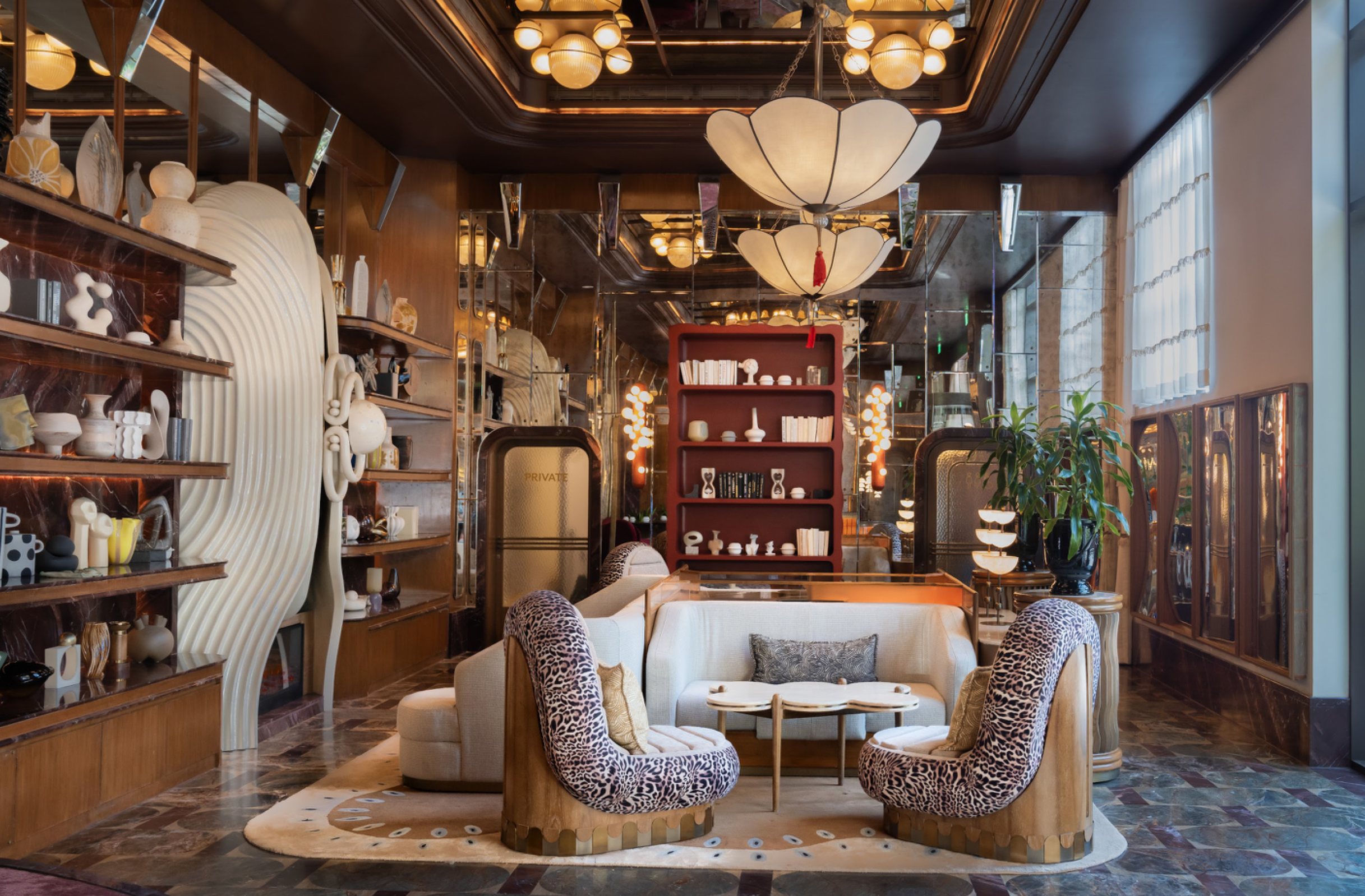
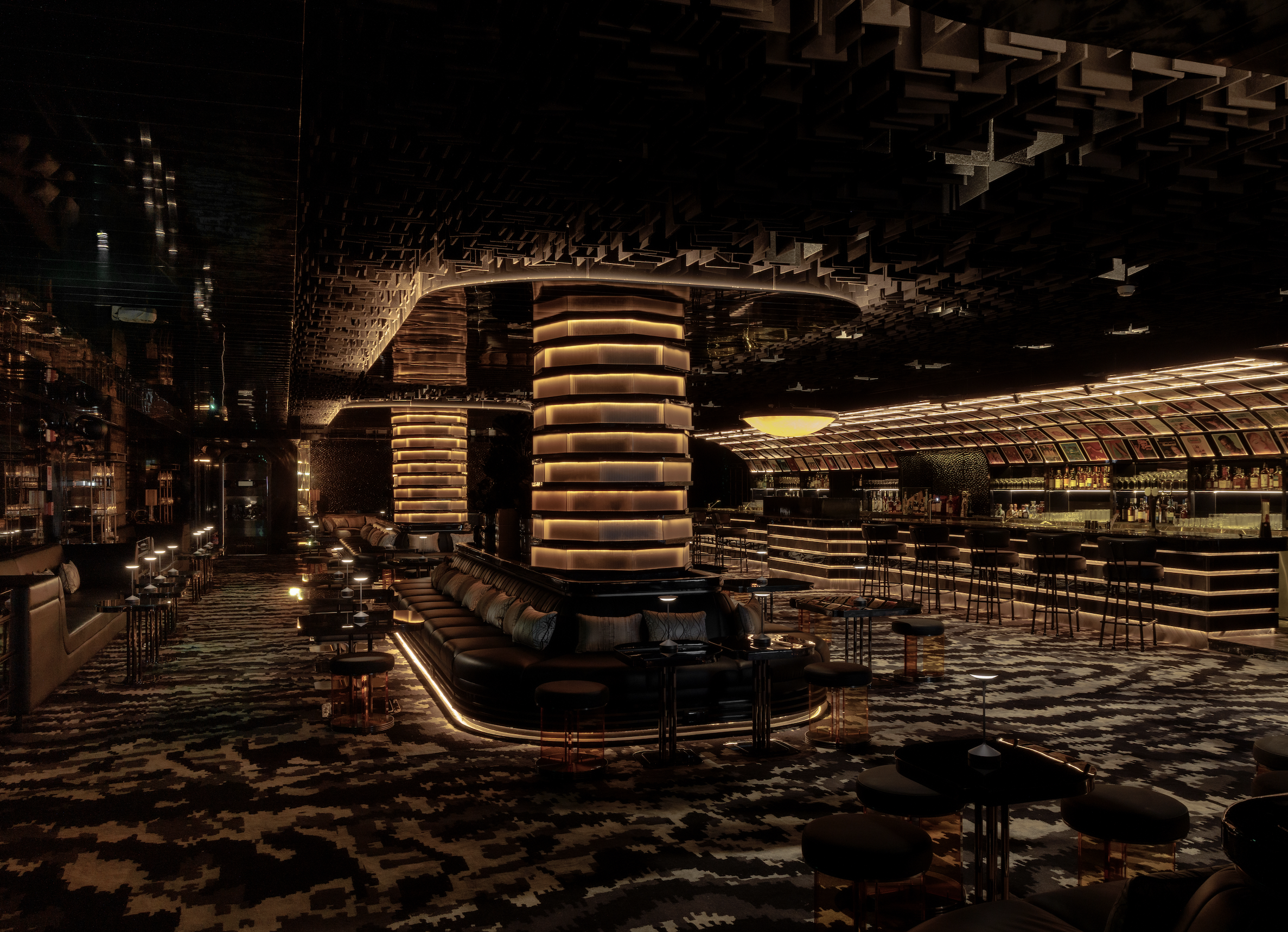
In many ways, Roswyn, opened in Mumbai in April 2026, feels emblematic of this changing consumer. The 109 suite only property does not position itself around traditional excess. Instead, it leans into intimacy, design and emotional familiarity. At Roswyn, culture is at the forefront. And that thinking is visible through spaces like Black Lacquer, a Japanese inspired listening bar, Fi’lia, rooted in generational Italian recipes, and The Third Room, designed as a contemporary business and social club. At par with global hospitality standards.
“People today want hotels with personality, cultural relevance, and a strong sense of atmosphere,” says Kapoor. “That thinking was very much part of how Roswyn was conceptualised. Experiences like our Japanese listening bar, or even smaller rituals like the Kaleidoscope welcome cocktail inspired by the flavours of Mumbai, are designed to create a stronger emotional connection with the stay. Increasingly, those are the details guests connect with and return for.”
Elsewhere too, luxury hospitality is moving toward immersion.
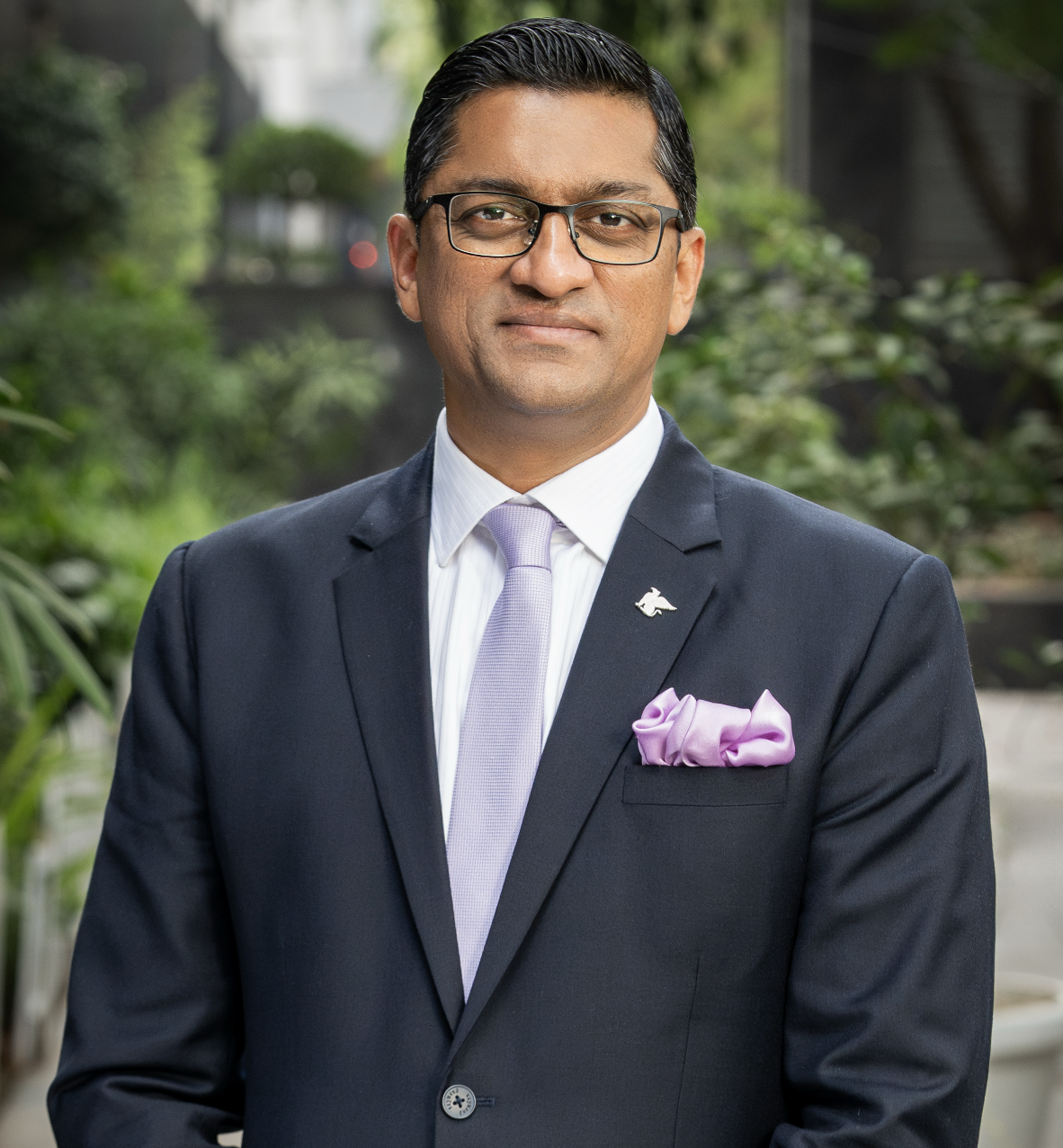
“At JW Marriott Pune, our focus has always been on curating differentiated and immersive experiences that go beyond traditional hospitality. From award winning culinary destinations like Paasha and thoughtfully curated dining concepts to wellness led experiences and bespoke guest programming, we continue to evolve in ways that position the hotel as a destination in itself,” says Amit Kumar, General Manager, JW Marriott Hotel Pune.
Luxury travel is becoming more fluid
The other noticeable shift is that travel itself is becoming harder to define. Business trips now bleed into leisure. Staycations coexist with destination holidays. Wellness is folded into work travel and short luxury escapes happen more frequently across the year.
“The patterns today are increasingly blended. The frequency of travel has increased significantly, but so has the diversity of reasons for travel. Guests are combining leisure with wellness, work, family visits and short escapes throughout the year rather than viewing travel as a singular annual event,” shares Nair.
Kapoor sees a similar behavioural shift. “What we’re really seeing is the rise of blended travel behaviour across all segments. The distinction between business and leisure travel is becoming far less defined. Guests may travel for work, but they’re also looking for dining, wellness, social experiences, and spaces that allow them to extend their stay more comfortably.”
The new Indian luxury traveller
Perhaps the clearest sign that India is entering a new era of luxury consumption is that aspiration itself is changing. The Indian traveller today is younger, more globally aware and paradoxically, more rooted.
Luxury no longer needs foreign validation. It simply needs emotional relevance. “Yes, I believe India is entering a new phase of luxury travel consumption. Since Covid, there has been a noticeable shift towards more conscious and deliberate consumption. Indian travellers today are making more informed choices about brands, destinations and experiences based on personal values, lifestyle preferences and emotional relevance rather than purely conventional notions of luxury,” notes Nair.
Kapoor agrees. “Yes, absolutely. India is entering a new phase of luxury travel consumption because the mindset around luxury itself is evolving. Consumers today are far more globally exposed, culturally curious, and experience driven than before.”
Luxury in India, it seems, is no longer about escape. It is about finding places that feel enough like yourself to want to return.
You may also read: At OBLU Xperience Ailafushi, the Maldives feels young again