It’s Always Coffee PM when the Espresso Martini’s in Town
- Featured Food & Beverage Spirits
 Staff Writer
- 17 minutes read

The unprecedented popularity of espresso martinis has prompted several coffee brand collaborations, spin-offs for an experimental crowd ready to lap it up.
When cocktail o’clock rolls around, there is one drink that has been sashaying in consistently for the past few years, like a star on the red carpet. The Espresso Martini is a celebrity cocktail; not in the sense that it is a celebrity’s drink of choice (which it may as well be), but that it is a celebrity in its own right.
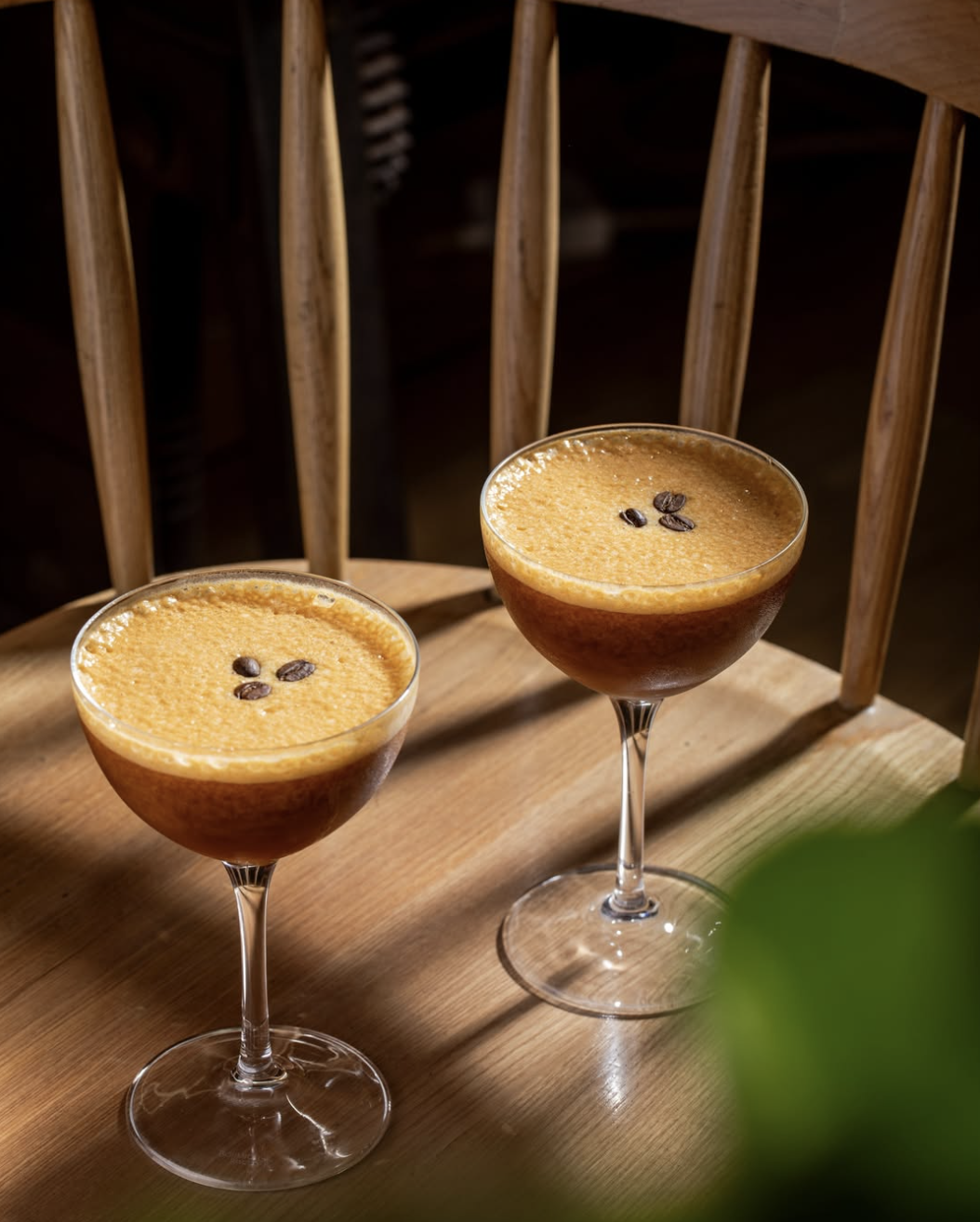
From the way it arrives, decked in two tones, a frothy crema layer dressed to impress, hiding a much deeper, richer inky brown underneath, right to the reflex of its drinker who can’t help but scrounge for a phone, or better yet, a prized digi-cam from the gaping abyss of their purse, just to capture in flash, that utterly photogenic coupe, filled lush to the brim. These drinkers are careful not to miss the three trademark coffee beans sitting poised like diamonds atop its magnificent coat, representing health, wealth and happiness.
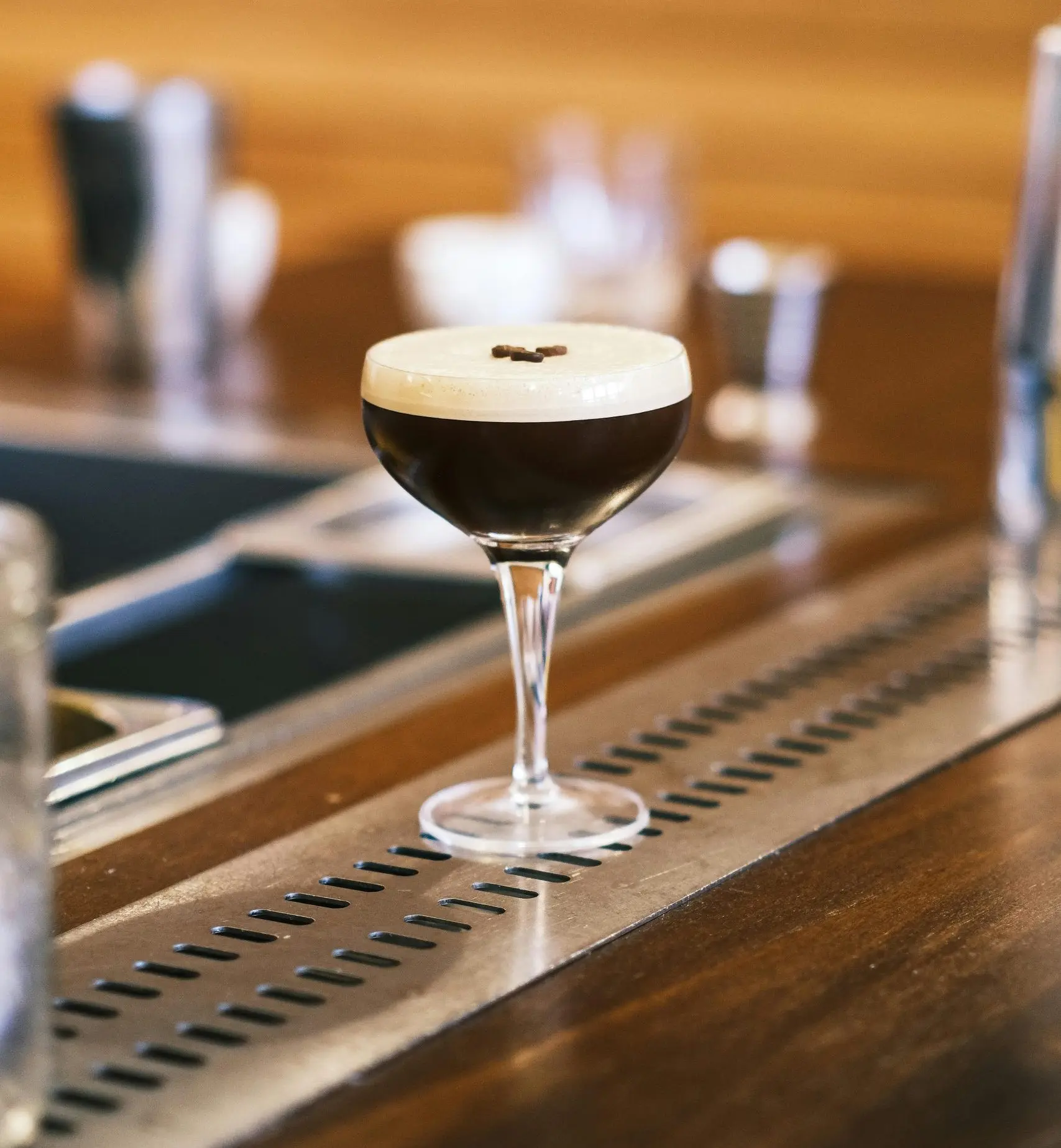
You can love it, you can hate it, but you cannot escape it— not its adoration, nor its critique. Many find it overhyped, constantly luring in gimmicks, most famously its Parmesan-sprinkled version that strangely also managed to attract its fair share of customers. But the Espresso Martini’s global rise is irrefutable and though its growing popularity was initiated in the West, India’s bars have been trailing closely behind
A popular Delhi bar Perch observes that the Espresso Martini’s appeal is still growing, its complexity making for a drink that stands out even among established favourites like the Negroni. At Slow Tide in Goa, it has become a top seller, beating out traditional martinis which are spirit forward and dry. Global brands have already begun getting creative with their iterations right from the Parmesan sprinkled version to Kendall Jenner’s 818 Tequilla limited edition Gold Espresso Glitter Bomb.
An Evolved Palette
The drink which once held quiet, sparse spots on cocktail menus has is slowly being perceived and savoured differently, particularly in the post-pandemic world. Finding favour with a younger crowd that is equally invested in the quality of its coffee as it is in the craft of mixology, Espresso Martinis have been at the helm of these changes. Gautam Mansinghani, General Manager Operations and Development at Perch Wine and Coffee Bar, notes how now guests approach their cocktails, eager to know the roast and style of coffee going into their glass—a clear nod to a maturing palate and appreciation for quality.
This rising fascination with coffee-based cocktails mirrors the evolution of India’s coffee culture. Specialty coffee spots have been sprouting up across trendy Mumbai neighbourhoods like Khar and Bandra, where aficionados flock for curated, artisanal brews. Perch’s signature Espresso Martini doubles down on this this shift, made with a cold brew liqueur from a house-blend of medium roast beans, delivering a drink that’s rich, nuanced, and crafted for this new wave of cocktail connoisseurs. In fact, even their other coffee-based cocktails are a testament to the new wave with their AeroPress Negroni performing exceptionally well. Non coffee drinkers too are giving these cocktails a try as they are uncomplicated, made with ingredients that are easy to understand.
Like A Shot of Espresso
Beyond this, its popularity across both coffee and non-coffee buffs speaks to the nature of coffee itself, and the experience it provides. According to Stefan Gadit, Head and Executive Chef at Torii, a Pan Asian restaurant by Gauri Khan, the typical Espresso Martini drinker at their establishment skews towards socially active millennials and Gen Z patrons who value the ‘high-energy, dynamic environments’ that such cocktails enhance.
These diners appreciate the taste and visual appeal of this cocktail as much as the effect on a good time. The espresso martini, with its boozy, caffeinated buzz and boosts, serves as the perfect drink to punctuate a bar crawl, allowing patrons to keep spirits up and lively through the evening without feeling weighed down.
And, for many bars, part of the appeal lies in the drink’s versatility. Sujan Shetty, Chief Cocktail Officer at Goa’s hotspot, Slow Tide, observes many patrons enjoying Espresso Martinis as a sweet-dish or digestif, offering an elegant alternative to a regular, sometimes banal café noir.
A Photo-Op Cocktail
Interestingly, consumer demographics reveal a divide in motivations for opting for an Espresso Martini across age groups. While older patrons often appreciate the drink as a nostalgic pop culture moment revived, younger ones —particularly Gen Z—are more likely to be lured by its visual charm and social media cachet. For them, the drink is a photo opportunity first and a cocktail second, with its gorgeous froth collar and brooding black liqueur beneath, turning it into quite the addition to a photo dump. Social media platforms like Instagram and TikTok have transformed cocktails into aesthetic experiences, and few drinks are as camera-ready as the Espresso Martini.
Bartenders and brands are well aware of this too. “Presentation is key today as people often discover new cocktails on social media,” says Harish Chhimwal, Lead Mixologist of Olive Bar & Kitchen. When people spot it online looking effortlessly sophisticated, they are encouraged to recreate the experience themselves. In today’s bars it seems a visually compelling, photogenic drink isn’t optional—it is essential for grabbing Gen Z attention.
And, while Gen Z is busy taking Instagram-worthy photos of their drinks, Millennials are more interested in pushing the boundaries of the classic. They are not content with the original formula and instead want to play with flavours and give the cocktail their own spin. “Millennials are always experimenting,” notes Chhimwal. Whether it’s swapping out the spirit or adding a unique syrup, these drinkers are looking to rework a familiar favourite into something new.
Take the variation at Torii, for example, where they add house-made vanilla-bean syrup to the classic Espresso Martini. The result is a drink with a subtle sweetness and a touch of warmth that elevates the original without losing its espresso roots.
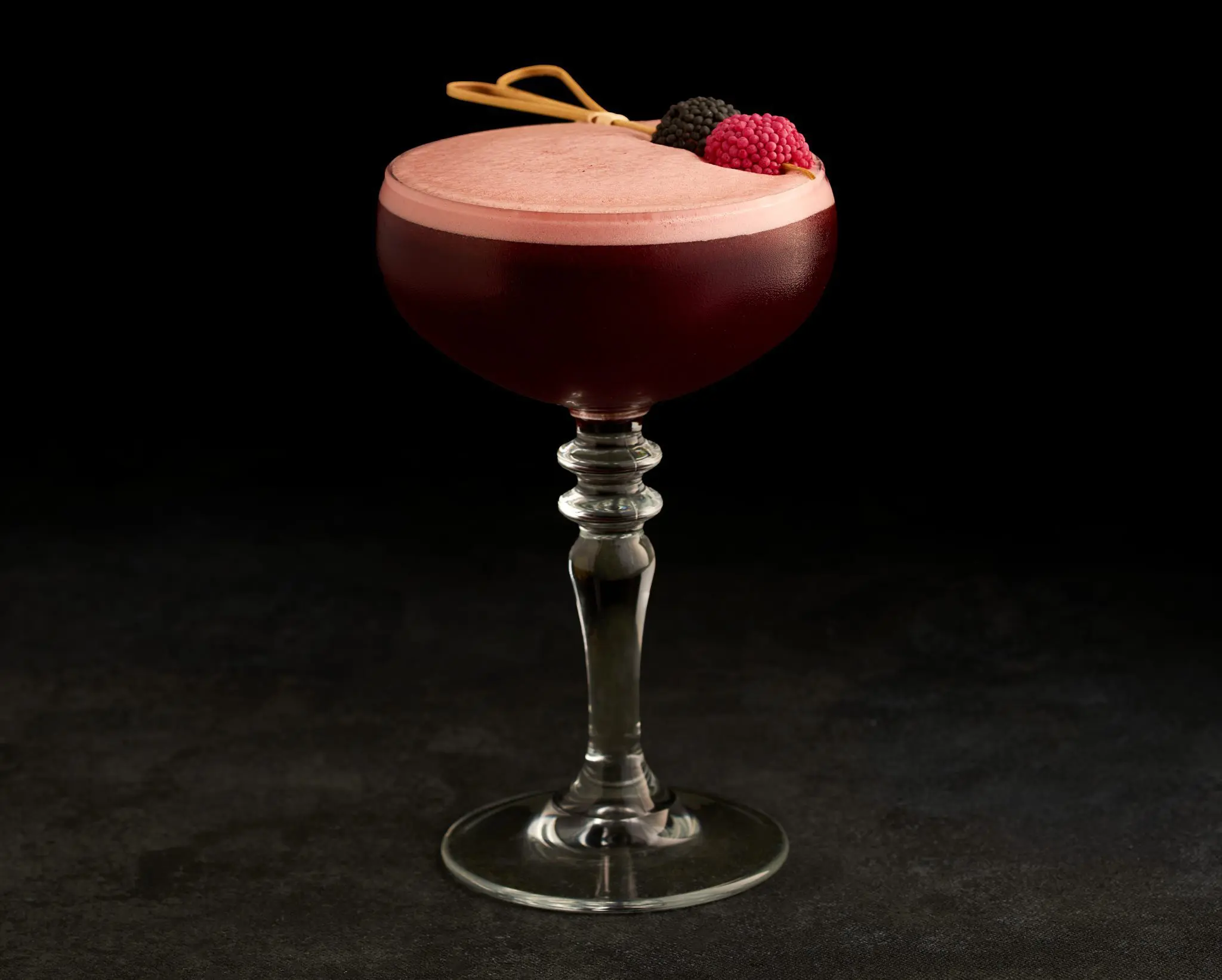
Then there is Perch’s version, the “Stout & Abaca,” which replaces vodka with barrel-aged Irish whiskey and swaps espresso for a cold brew liqueur. Their maraschino cherry liqueur arrives in tow with a tangy profile and their bartenders go the extra mile with the garnishes as well, like dark chocolate callets which work well with the drink’s rich coffee base. At Delhi’s Sidecar, their signature Espresso Martini comes to the table topped with raspberry flavoured jujube like candies in place of the three coffee beans.
A Local Touch
“People like storytelling and enjoy it when we tell them how we have changed the classic and where the elements have been sourced from.” Chhimwal continues. These tweaks are evidently a welcome change, especially when they have an intriguing back story to go along with them. Slow Tide is a master in this art, weaving a distinctly local additions into the mix.
At the Goa-based restaurant, the Espresso Martini is made with khus-infused vodka and jaggery from South India instead of the usual vanilla syrup. The jaggery adds a rich, earthy sweetness offering a departure from the typical sugary notes that are often associated with the classic. It’s a clever way of giving the drink a regional flair while maintaining the balance of bold coffee and smooth alcohol.
Sidecar traverses a similar path in their rendition with “Connaught” named after Delhi’s renowned Connaught Place, and made with blended malt whisky, Karachi biscuit, beet & blueberry puree, in-house coffee liqueur, and espresso. “[Connaught] is a part of our signature menu, ‘Dear Delhi’ which is an ode to the cafe culture of Central Delhi,” the bar explains.
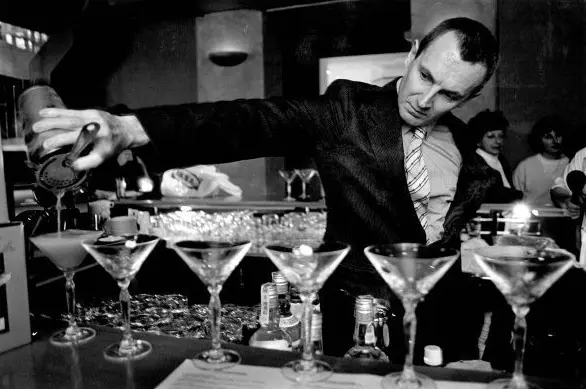
Both Slow Tide and Sidecar’s variations reflects a growing trend in cocktail culture—taking familiar drinks and adapting them to the local palate, proving that the Espresso Martini can evolve without losing its soul. In an article by Bea Bradsell, daughter of Dick Bradsell, she even attests to her father’s joy at those experimenting with his creation. “Seeing his drinks spread and adapt to him showed that he’d succeeded.” While the original recipe remains at El Camion where he had founded it, Bradsell was always open to new ideas and embraced the way the cocktail evolved to the tastes of the time.
Beyond the Bar
The experimentation with the Espresso Martini has moved far beyond the confines of the bar and into new territory, with the rise of craft liqueurs that are building new opportunities within the coffee cocktail landscape. One such innovator is Quaffine, India’s first cold brew coffee liqueur, born out of a love for Madras filter coffee and a vision to create an authentic Indian product. “At bars, people tend to go for more complex, new-age cocktails that are difficult to replicate at home, but at home, the demand is for simplicity and customisation,” says Isaac Vivek, Founder & CEO of the brand.
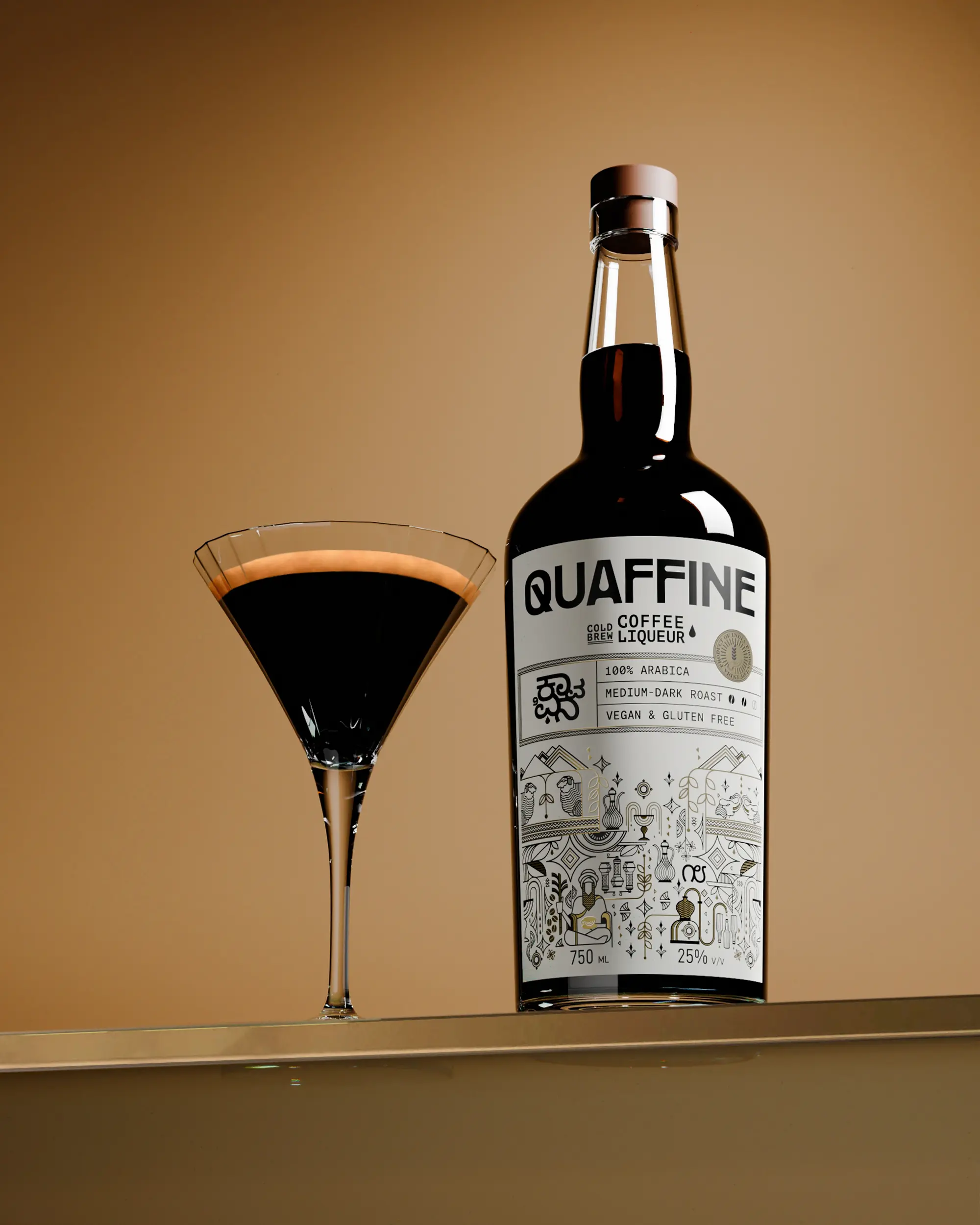
With short recipes on their packaging and a variety of drink ideas available on their website, brands such as these make cocktail experiences accessible for consumers. Vivek even shares an anecdote of a loyal customer who is intends to replace her wedding toast with a Quaffine toast. The ergonomic nature of such a product opens up experimentation for professionals and bartenders as well. In fact, Quaffine is what Slow Tide’s team uses to create their jaggery and khus version of the Espresso Martini.
Then, drawing from a similar root of South Indian filter coffee, Stranger & Sons, a gin distillery acquainted its consumers with the FILTR Martini just this year. This launch speaks to the Espresso Martini’s experimentation for more than one reason, the first being that it was in collaboration with Subko Coffee Roasters, the coffee house that has been at the forefront of India’s growing coffee culture.
Here, the phrase “joining of forces” is not to be taken lightly because the two are forces indeed, ones to be reckoned with, incessantly making waves in their respective fields. “Taking inspiration from the filter coffee served at Udupi cafés, we’ve elevated a classic cocktail to where it truly belongs.” says Rahul Mehra, CEO and Co-Founder of Third Eye Distillery, “Subko’s extraordinary range of Indian-grown coffee inspired us to create something no one’s ever had before…”
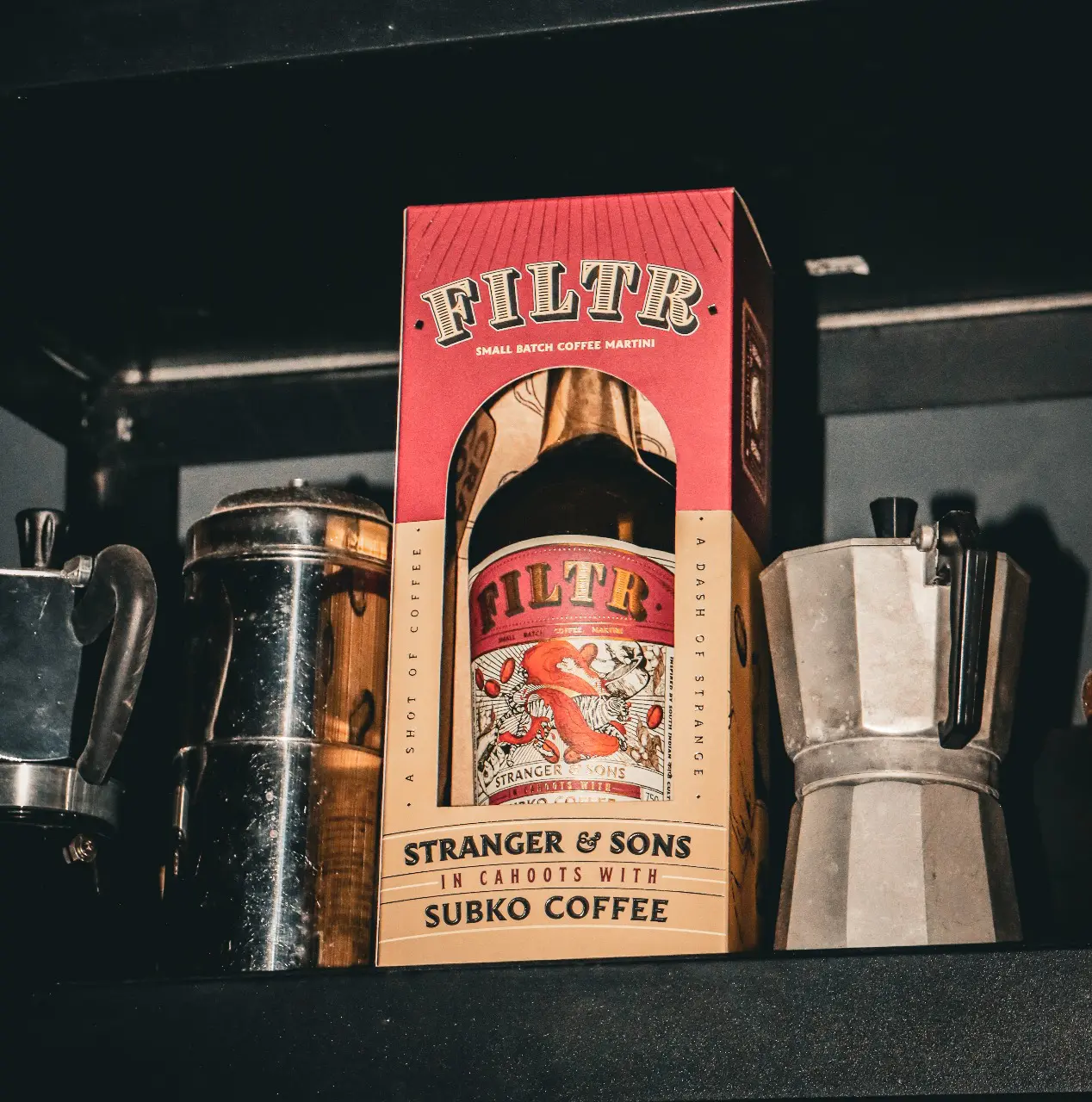
To be shaken with ice and finished a spray of vanilla garnish that arrives neatly in the package, products like the FILTR Martini gift a kind of creativity to the Espresso Martini that its befitting of its crowd favourite status. It is its popularity and platform that have made these products a norm and do not appear to be waning any time soon.
A Passing Fad or a Classic for Posterity?
One thing is clear, the love for coffee is going well beyond the morning cup and the Espresso Martini seems to be on its way on to a list of classics. Torii’s Gadit highlights its enduring popularity, noting that the Espresso Martini’s appeal goes beyond novelty—it’s a cocktail with the versatility of a classic, offering the perfect mix of indulgence and caffeine kick that drinkers are seeking. The desire for “cocktails with a little extra” reflects a growing demand for beverages that deliver a well-rounded experience.
Gadit claims that the Espresso Martini has also paved way for more coffee-infused creations. The Carajillo, a similar cocktail from Mexico that is traditionally made from espresso and Licor 43, a Spanish liqueur, has already been turning heads in the F&B space since 2023. The coffee base is evidently here to stay and given its success, Gadit’s team is committed to exploring similar new cocktails, from cold brew Negronis to coffee-based Old Fashioneds, providing an exciting twist for consumers looking for more than just alcohol in their drinks.