Lindt’s Sweet Prices Get Bitter: 39% Tariffs on Swiss Imports
- Featured Retail
 Yashita Damani
- 8 minutes read

After weeks of quiet diplomacy and billion-dollar investment promises, Switzerland has been hit with a staggering 39% U.S. tariff on its goods, one of the highest under Trump’s current administration. Despite reassurances that a deal was near, President Trump nixed a preferential arrangement, citing a $41 billion trade deficit and claiming Switzerland “didn’t want to listen.”
The move has sent shockwaves through the Alpine nation’s iconic export industries- from fine chocolate to luxury watches, and politicians, analysts, and businesses alike. Many had assumed Switzerland was on track to secure a deal similar to the European Union and the U.K., which received baseline tariff rates of 15% and 10% respectively.
The U.S. currently has a trade deficit of $38.3 billion with Switzerland (as of 2024). The Swiss government has attributed part of that gap to the country’s role as the world’s largest gold refining hub, with vast amounts of gold passing through Switzerland before being exported globally. Notably, gold and silver were exempted from the White House’s “reciprocal tariff” policy, launched in April.
Swiss pharmaceuticals: another major U.S. import, are largely exempt from the 39% tariff. However, there is uncertainty around how the sector may be affected by the U.S.’s ongoing Section 232 investigation. (Medical devices may also face scrutiny under this clause).
Still, most American consumers will feel the impact through luxury goods and everyday products: from Rolex watches and La Prairie skincare to Toblerone chocolate… as Swiss negotiators scramble to mitigate economic fallout that could disrupt jobs, markets, and growth.
Watches: Swiss Timepieces at Risk
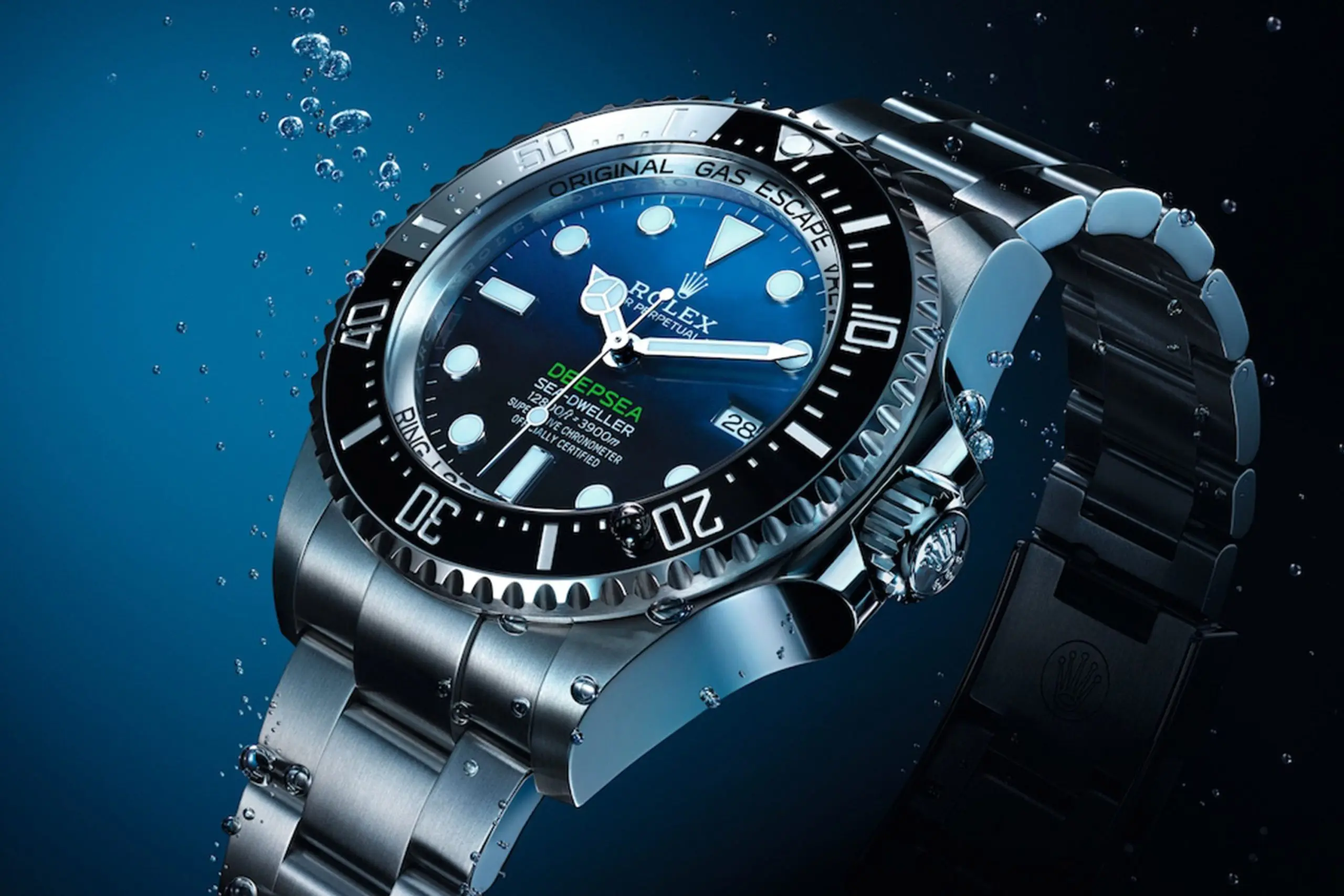
The U.S. was the largest export market for Swiss watches in 2024, with total shipments worth 4.37 billion Swiss francs ($5.4 billion), according to the Federation of the Swiss Watch Industry. To qualify as “Swiss-made,” at least 60% of a watch’s production cost must originate in Switzerland, with technical development also carried out domestically.
Paul Altieri, founder and CEO of Bob’s Watches estimates the price of a Rolex Submariner could rise from $10,000 to nearly $14,000. Jean-Philippe Bertschy, head of Swiss equity research at Vontobel, called the tariffs “devastating” for the industry.
While high-end brands like Rolex, Patek Philippe, and Audemars Piguet may use long waitlists to justify price hikes, mid-tier brands like Swatch may struggle. Swatch shares dropped 2.3% on Monday following the tariff news.
Coffee: Nestlé’s Nespresso in the Crosshairs
Nestlé, one of Switzerland’s largest companies, said it faces minimal direct exposure to the tariff because over 90% of its U.S. products are manufactured locally. This insulates its high-volume, low-cost items like instant coffee and bottled water.
However, the company’s premium Nespresso brand: manufactured entirely in Switzerland- is more exposed. “Nespresso is a likely candidate for price increases due to these tariffs,” said James Edwardes Jones of RBC Capital Markets. Nestlé has not disclosed the share of its U.S. revenue tied to Nespresso, but its latest results show double-digit growth in North America.
Skincare: What is NOT Under Pressure
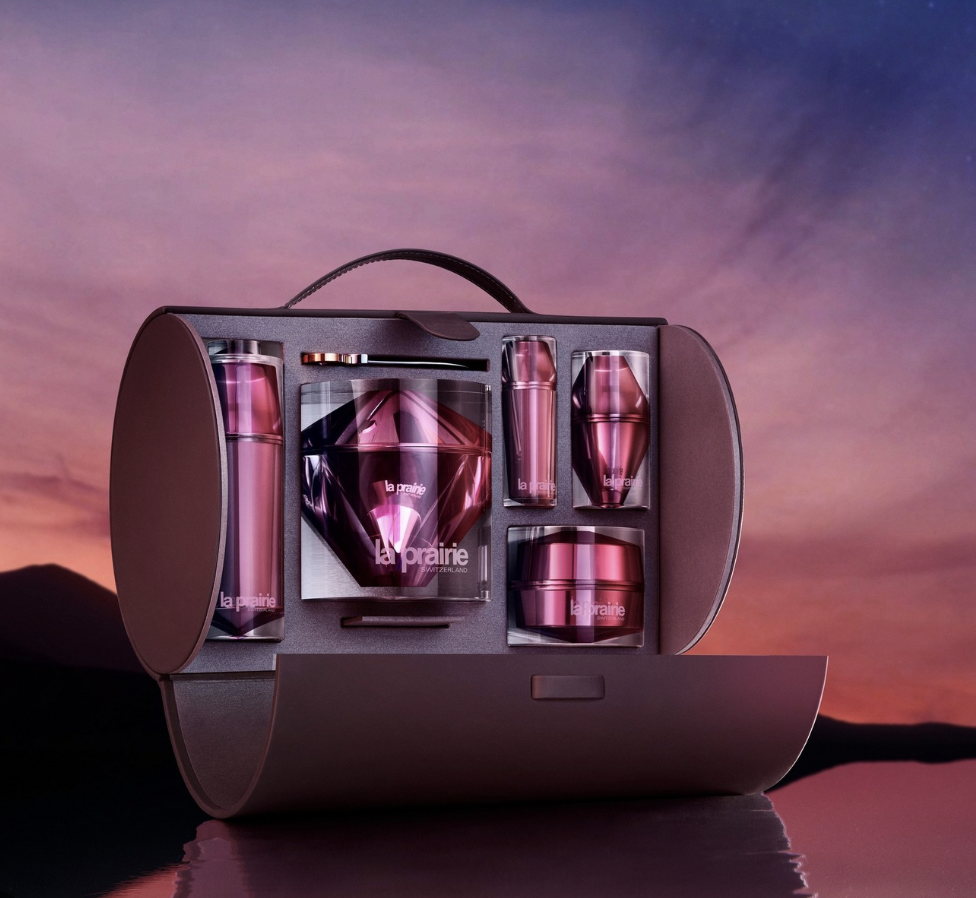
Switzerland’s skincare industry could also face significant price adjustments. Brands that do not qualify under pharmaceutical exemptions: such as La Prairie (known for its caviar-based anti-aging creams), spa-focused Valmont, and nail-care label Mavala may need to raise U.S. prices to absorb the 39% hit.
Galderma, which owns injectable aesthetics and Cetaphil, said it is largely unaffected, as it does not produce in Switzerland and its pharma classification shields it from general tariffs. However, its large-scale production in the EU, U.K., and Canada could eventually be subject to separate levies, potentially impacting pricing downstream.
Luxury: Cartier, Van Cleef & Arpels Could Get Costlier
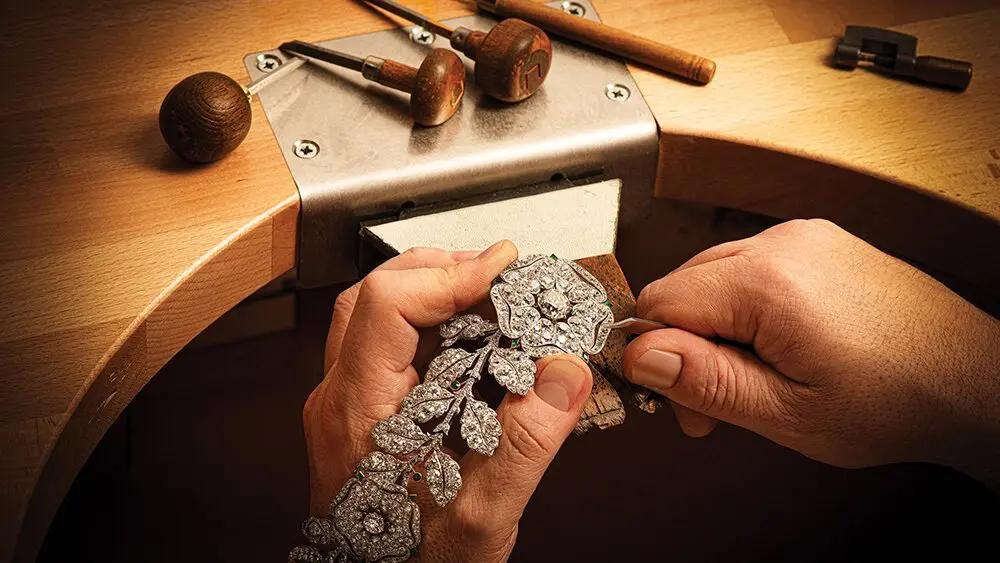
Swiss luxury conglomerate Richemont- owner of Cartier and Van Cleef & Arpels could also be particularly impacted (tariffs could “increase prices” and soften consumer demand). A BofA Securities note on Tuesday estimated that 7% of Richemont’s input costs would be affected by the tariff.
While a niche group of ultra-luxury buyers may tolerate higher prices, Lombard Odier notes that demand across the broader luxury market will likely shrink.
Chocolate: Smaller Makers Most at Risk
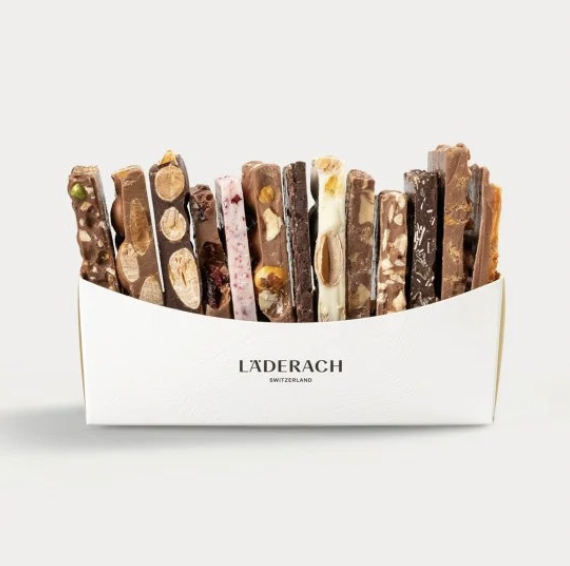
The 39% tariff is also set to hit Switzerland’s globally beloved chocolate sector (estimates conclude that the real impact on price could be closer to 55%)!!
Major players like Lindt & Sprüngli and Barry Callebaut have U.S.-based manufacturing facilities that may shield them from the worst. But smaller producers like Camille Bloch and Läderach, which operate exclusively from Switzerland, could suffer major losses in the U.S. market.
There’s another complication: origin labeling. “To be labeled as Swiss chocolate, it must be produced in Switzerland,” Roger Wehrli, (director of Swiss chocolatiers’ manufacturing association Chocosuisse) said. “Moving production abroad would disqualify products from using the ‘Swiss’ tag- a serious blow to brand value.”
This issue recently affected Toblerone, owned by Mondelez International. After relocating part of its production to Slovakia in 2023, the brand was forced to rebrand its chocolate from “Swiss” to “established in Switzerland.” Mondelez has not yet commented on how the new tariffs will affect Toblerone in the U.S.
If no agreement is reached by Thursday, the 39% tariff could trigger a dramatic realignment of U.S.–Swiss trade, reshaping prices, supply chains, and consumer behaviour across sectors. From fine jewellery and skincare to chocolate and watches, Swiss products: long regarded as global benchmarks of luxury and quality, are now caught in a geopolitical crossfire with high-stakes economic consequences.
You may also read: Titan unveils ‘Jalsa’, a limited-edition watch worth over ₹40 lakh