Beyond tikka masala: What is modern Indian food?
- Featured Food & Beverage
 Arushi Sakhuja
- 16 minutes read

Arushi Sakhuja
The culinary scene in India is ever evolving, and going beyond just traditions, modern Indian food and fusion Indian cuisine is being celebrated worldwide. While top restaurants like Indian Accent are opening in New York, Trishna, known for its coastal food had opened doors in London’s Marylebone High Street, and Jamavar is synonymous with the classic luxury dining experience it provides.
Are Indian restaurants breaking out of their traditional mindset and serving up dishes that celebrate and showcase the diversity and range of the entire country?
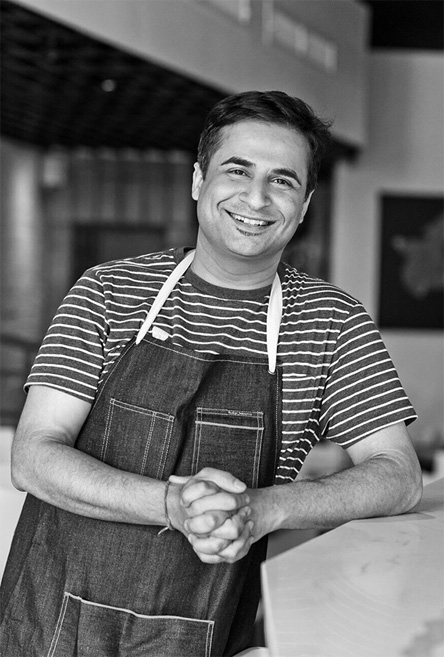
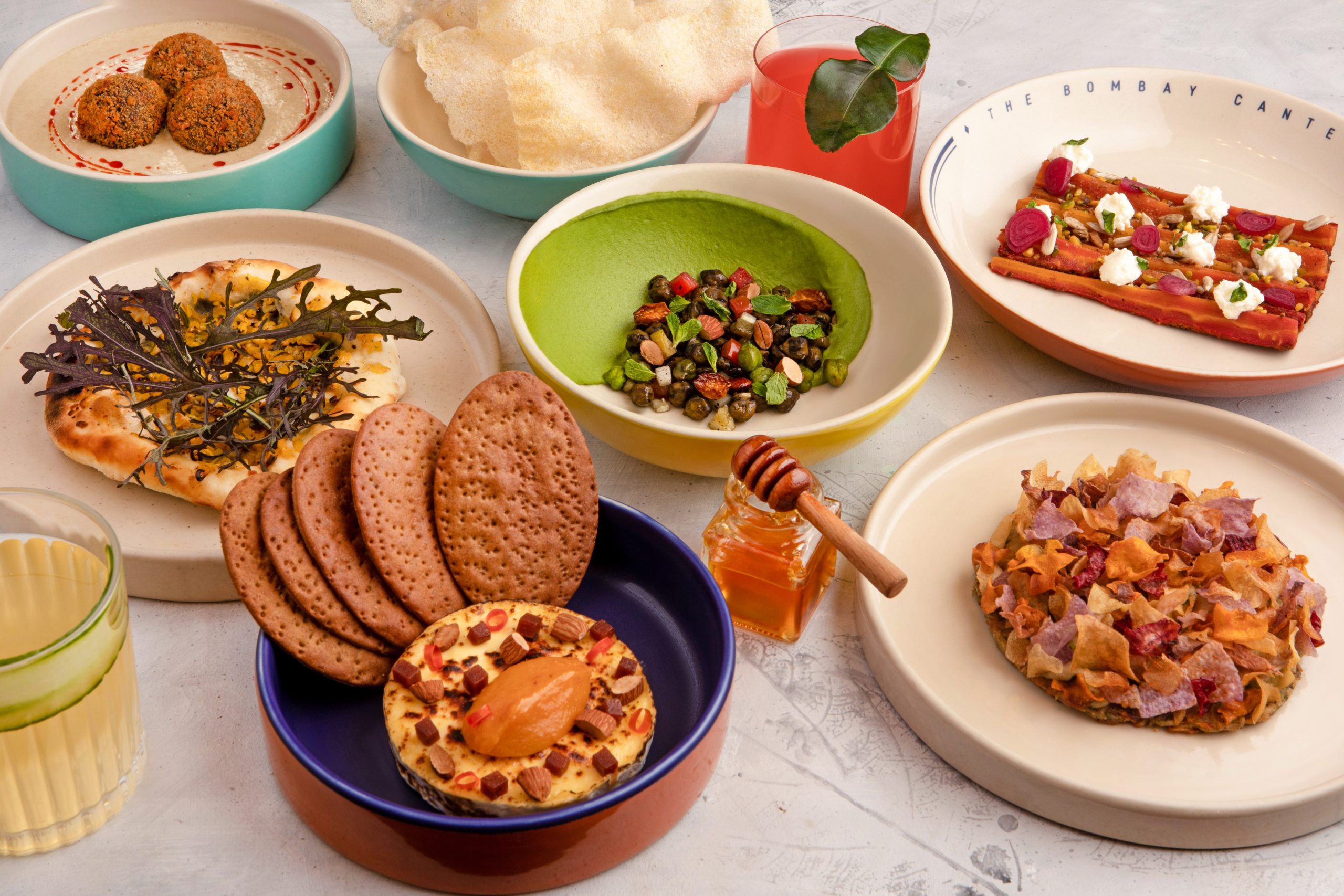
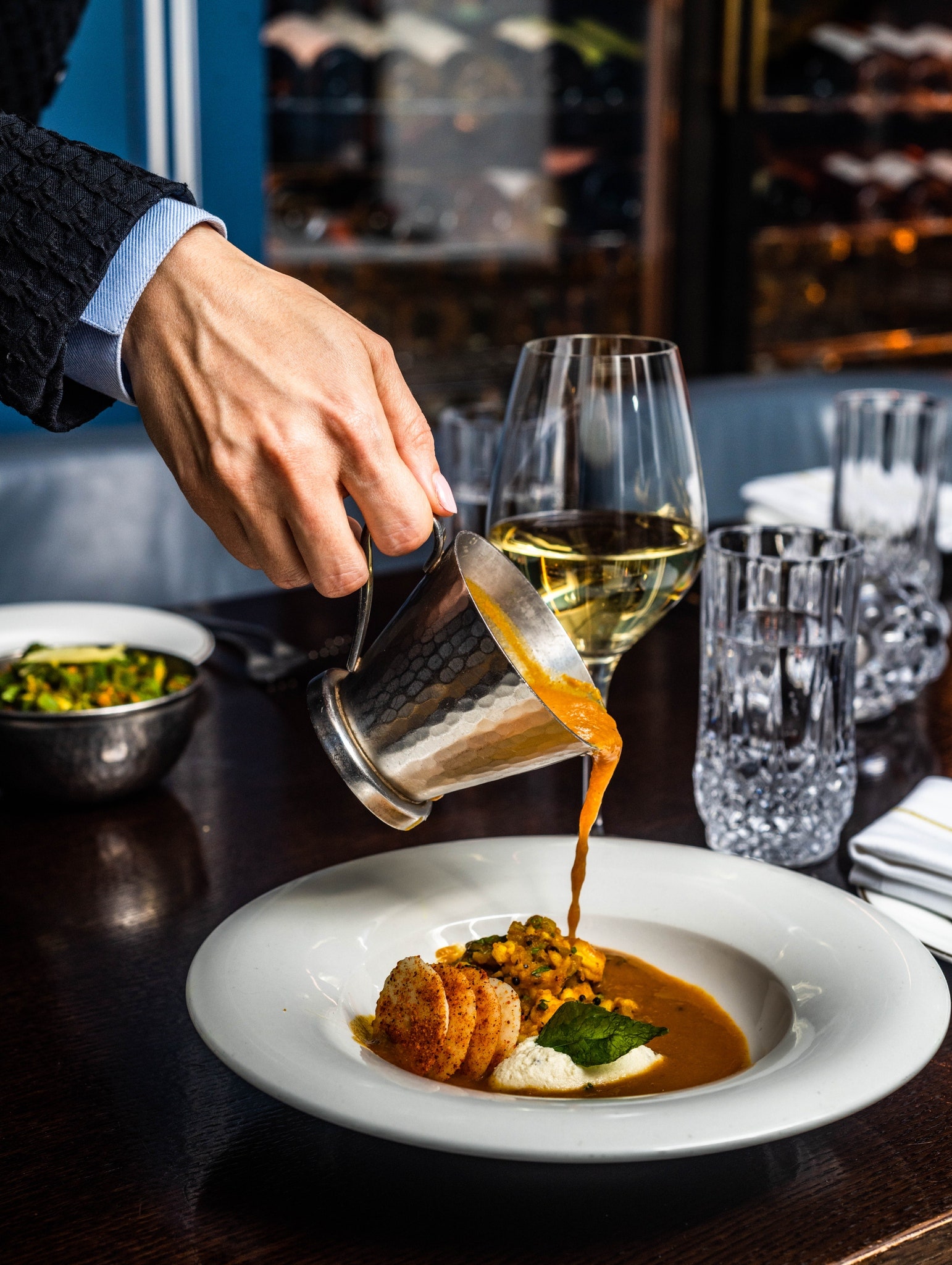
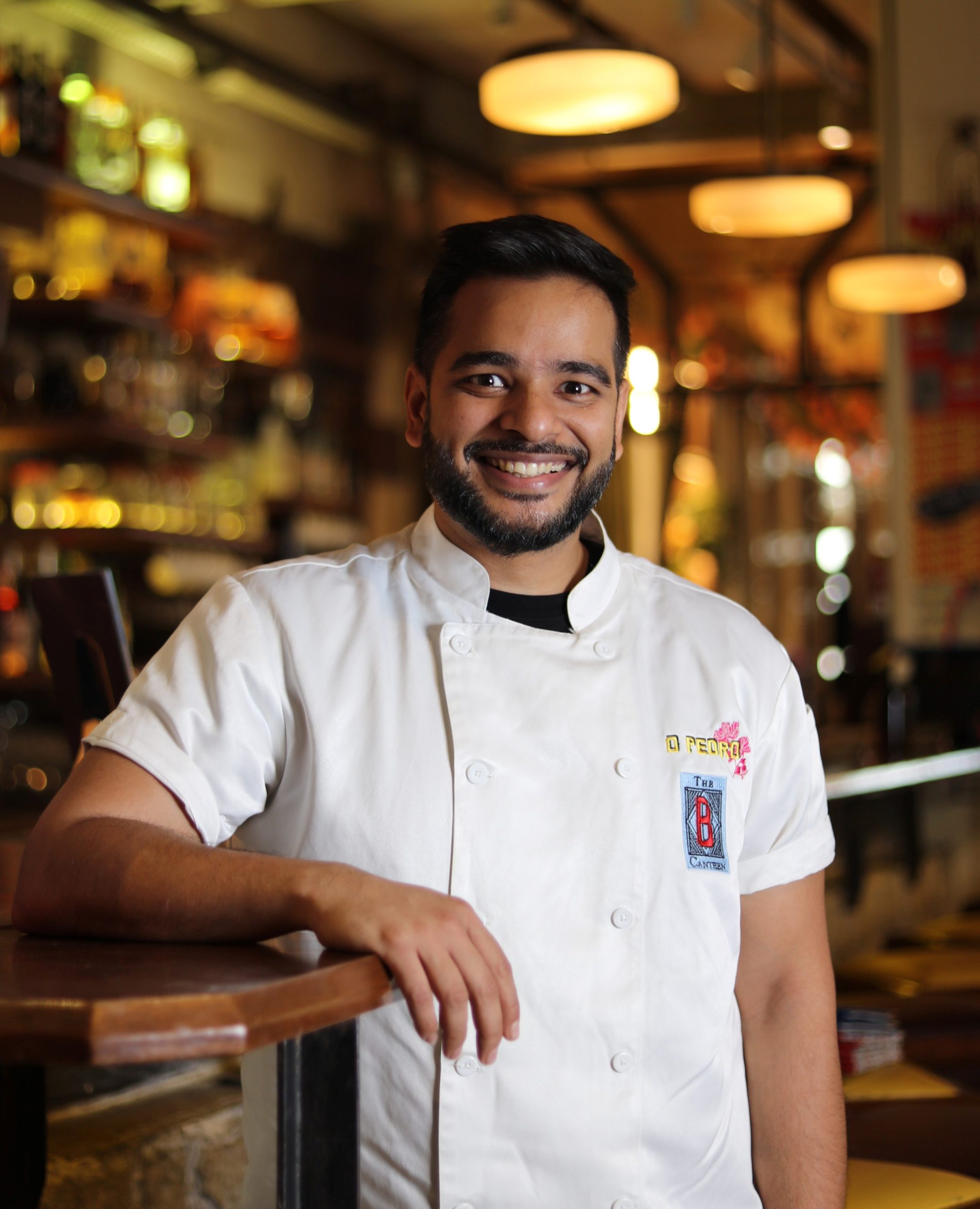
‘Modern Indian Food.‘ Denotes a new cuisine where there are no set rules. In the mood for tandoori lamb and dosai but also game for a flambéed leg of lamb or a mackerel dosai with tomato chutney? There is a growing number of Indian restaurants, serving both modern and progressive styles of cuisine, and revamping classic dishes such as chicken tikka and tandoori chicken in a whimsical array of textures and flavours. “When it comes to ‘Modern Indian Food’ worldwide, chefs today are trying to experiment a lot with form and flavour., “With certain dishes, we try and keep the form of the dish similar to how it is originally supposed to be and take the flavour to another dimension. Alternately, we keep the flavour original and present it in a modern way. This, in my opinion, forms the realm of progressive, or how I like to call it – ‘Forward Thinking Indian Food’, says Hussain Shahzad, Executive Chef at The Bombay Canteen and O Pedro.
‘Fusion is confusion’
Michelin star chef Suvir Saran who is known for his restaurants Devi and Tapestry in New York along with the House of Celeste, believes that the term fusion food often leads to confusion and blurring of lines about the authentic origin of a certain cuisine. Fusion robs both people and chefs of satiety and comfort. Fusion in the world of food is a dirty word representing soulless food prepared mindlessly with a zero-sum game led by greed and profiteering. A smart chef and diner look at food as being part of a rich mosaic and takes from it those flavours and bites that give them pleasure. We are slowly but surely getting to that plane.”
Modern Indian cuisine carries varying interpretations. In the 1980s, the word “modern” was used to present food in elegant and refined ways to match the ambience of iconic restaurants, such as Bukhara and Dum Pukht in New Delhi. The next wave came in the mid-1990s when dishes such as flambéed gulab jamun and grilled meat with brown sauce were seen in hotel restaurants. However, this concept didn’t receive much appreciation in India as people were still looking for food that was served at home and wasn’t adventurous with new food ideas. In the early 2000s, with more Indian chefs returning from overseas, they brought back Western influences and experiences to change India’s food scene. With influences from French and Italian cuisines, flavours have become less intense and pungent, and dishes took new forms in pizzas, burgers and tacos in casual eateries. ” The biggest fusion of Indian food takes place in India because we are 32 or 34 different states so many union territories. We are trying to blend in we are trying to learn about each other and that’s the most beautiful thing that happening in India. We are trying to get the sense of being an Indian at the moment we are exploring and we are blending in,” shares Inputs by two-time Michelin Star Chef Atul Kochhar, Partner at SAGA, Gurgugram.


The Modernist Movement
Traditional Indian food had taken on various influences from the French fine dining world that involved individual plating and using French-style sauces to tapas-style small plates from Spain. Here influences of the West were infused with Indian cuisine and traditional Indian dishes were reinvented in terms of both technique and presentation. Thick curries became French-style sauces and separate courses became a norm. London and New York woke up to Indian menus that served individual-plated portions of food.
Then came Gaggan Anand and Manish Mehrotra who added creativity and a fun twist to dishes. Anand broke the rules and created the greatest Indian restaurant in the world — Gaggan— in the unlikeliest of places, Bangkok. Manish Mehrotra, on the contrary, redefined Indian food while living in India with the cult restaurant Indian Accent and gave birth to a new era of Indian food. Today, the scene is flourishing with successful restaurants across the globe. The chefs who started the modernist movement used techniques to enhance the visual and sensorial aspects of the dishes they served. Never did they want to take away from the traditional essence of what that dish meant, but simply make it more theatrical. Soon, the fancy presentations became more important than the flavour. “This is perhaps specific to restaurants that offer only a tasting menu where the entire concept is focused on an experience or a journey. Tasting menus reflect a chef’s personality, creativity, vision and own expression of food. As chefs, there’s so much we would like to offer our diners that can enhance their experience and open their minds to a certain cuisine or certain flavours and that can only be achieved when you move out of the standard dining patterns,” shared Chef Himanshu Saini, Corporate Chef, Trèsind. On the flip side, Saran “As an Indian chef I find it sad to see what people think of as food in India right now. Fine dining is a word that has casual and superficial meanings. Few invest time to question what chefs are serving, and when, and how. That appalling disconnect has fed and bred terrible trends like fusion. Hopefully, as people go away from food served in mini pressure-cookers and gol gappas in shot glasses, they will finally appreciate a cuisine that is modern and connected to its roots while also being progressive, inventive and comforting.”

Small plates
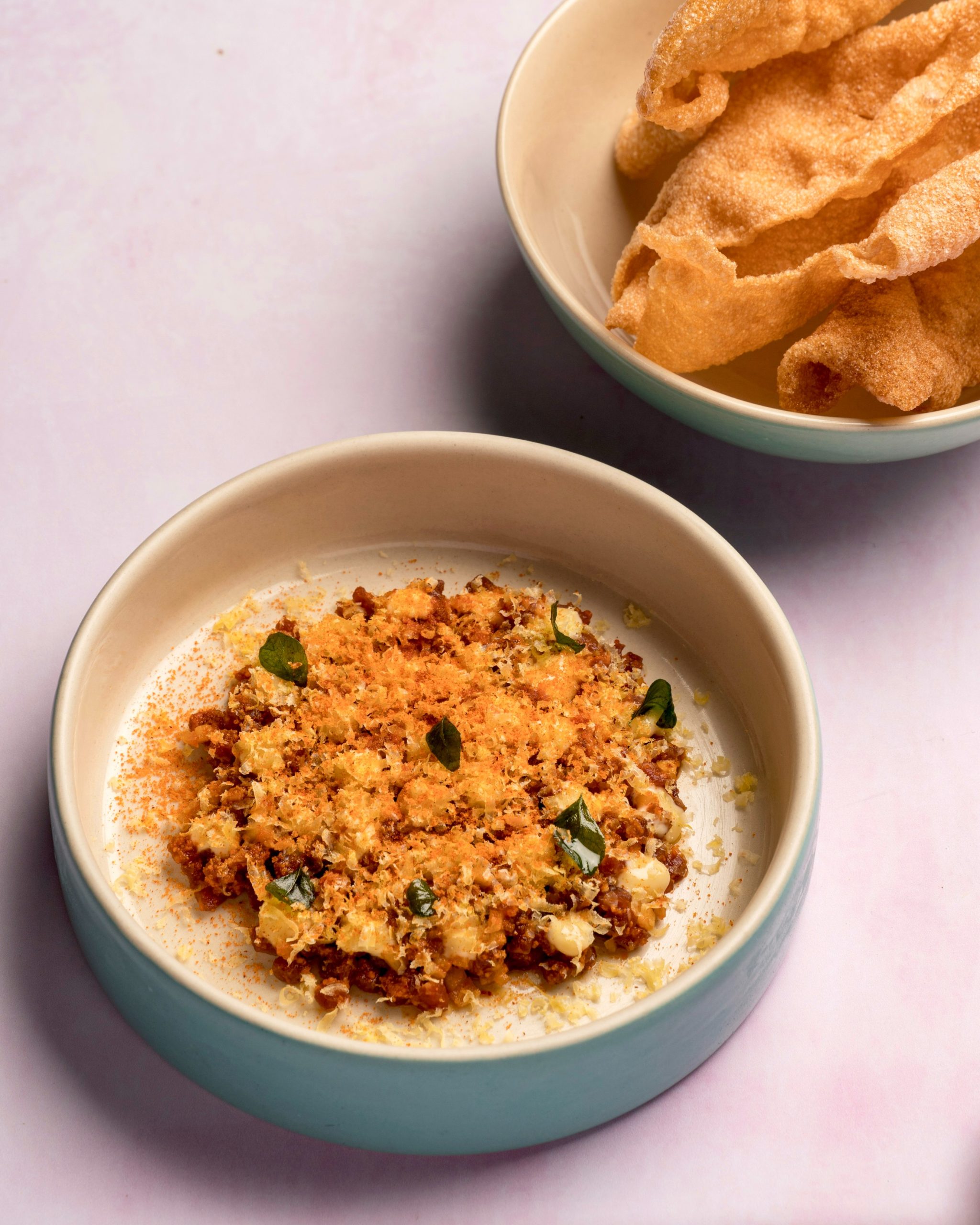
The last wave is a move away from seated multiple-course meals to a night out. Spanish tapas-style small plates don’t seek to impress with gimmicky theatrics, but still root to make you happy. In an interview Manjunath Mural had said that “Modernising Indian food is about using ingredients and cooking techniques from other cuisines, but still retaining a touch of Indian flavours.” Shahzad draws a difference between the second and third wave with suitable examples. “Initially, what chefs were trying to do was to present Indian food in a French format to pander to the audience of the western world. Nothing wrong with it actually, what we tried and did was – we cooked Indian food in their way, using their cooking methods and philosophies. Versus what we are trying to do today is take Indian flavours and apply them interestingly in different formats and textures. For example: Ceviches and Tartares made with locally sourced produce and seafood are now a part of Indian cuisine because there is an audience in India and abroad for it – this wasn’t the case a few years ago.” Hence, we can say modern Indian food is about technique, and it plays a big part in shaping a cuisine.
New innovations in Modern Indian Food
India is at the cusp of innovation and modernization when it comes to culinary experiences. Chef Himanshu Saini, Corporate Chef, Trèsind attributes innovation in today’s time to the use of indigenous and native ingredients by adopting modern cooking techniques. The narrative of Indian food is changing significantly believes Saini. “Indian restaurants have always existed overseas but what’s changing now is their representation. Many Indian chefs around the world are breaking preconceived notions about Indian food and the way it is being presented, at par with international standards and techniques. People have started looking for inspiration outside the realm of Indian cuisine.” For instance, Shahzad says, techniques like fermentation are applied to Indian cuisine in a very different way to give it a new flavour dimension. For instance, the use of rose petals at The Bombay Canteen, to make vinegar gives the dish and ingredients a new flavour dimension. The Bombay Canteen also uses left over pao to make pao-miso which is used to impart more flavour to a dish. “The dish that is created using these ingredients is very Indian, but what we are doing is just applying a Japanese technique to an Indian ingredient. Holistically, it still remains very Indian,” he concludes. Saran also points out that innovation is at its peak when looking at modern Indian food, ” Innovations are aplenty but few work magically. Young chefs are successfully using modern equipment to create authentic dishes that bring comforting satiety and deep pride. Gastronomy when created with heart and soul, and packed with flavour- can be that much-needed bridge that shall turn Indian cuisine into a world-class one.”
Adding to this Kochhar believes, ” I don’t think any one of us can innovate anything about Indian Food in my opinion. it’s whole about how we mix with each other, what we see in other cultures how we bring in an enriching of culture from flavours and colours from the different parts of the world and I think that’s what we Indians are doing. In terms of innovation here in the world i would say certain disrupters like molecular gastronomy, and quirky way of giving food. 17,18,20,65 different courses of food. They are old disrupters. But at the end of day, human appetite is only so much and there is so much we can eat.”
The overseas boom
“The Indian diaspora is well entrenched in every city and nation of the world with an exciting food scene,” feels Saran. The western world has become well-versed in Indian cuisine, and it is now commonplace to find Indian food represented in restaurants around the world. To cater to palates across the globe, chefs are creating dishes that are an amalgamation of Indian flavour profiles along with global flavours. Think unique pairing, reinvention of dishes and experimentation. However, it is a challenge for chefs to adapt to an audience around the world, and also ensure the dish sings on each of their palates. “I prepare Indian food abroad for an audience who are not very familiar with India’s culinary history or the diverse flavours that comes from every corner and region of India so the responsibility to showcase flavours abroad needs to be taken seriously. When I cook in India, the diners are very well educated about the food, but it is the presentation and interpretation of a dish that becomes a point of focus. To bring something familiar in an unfamiliar manner is a challenge that keeps helping me push my boundaries.” Pointing out the downside, Hussain Shahzad believes that in India, we have access to amazing locally grown produce which is not as easily available when you are cooking internationally. Another difference is that there is not so much glorification of local Indian ingredients in India as it is abroad hence making the task a tad more challenge in the country of origin.
Yet another noteworthy point that led to the rise of Indian food globally is the pandemic. Indian food became one of the most ordered cuisines during the pandemic shared Shahzad. He believes this boom is due to…” reasons like – it travelled well, and also because people were open to trying and exploring lesser-known cuisines and flavour profiles during that time.” Over time people have realised that Indian food is beyond curries and naan and has so much more to offer. He continues to say, “Earlier, people internationally thought that ‘curries and naan’ was the only type of Indian food that was available. Off lately, there has been a lot of attention that is given to the types of Indian cuisine and what it has to offer at global platforms which is why it is having its moment, and it is a great thing!”
With the recent rise of the pop-up culture, Indian chains are treading into international waters more seamlessly. “We have done a bunch of international pop-ups with The Bombay Canteen, the recent most being at Chez Panisse in Berkeley, USA and people internationally have received it phenomenally well.” Shahzad attributes the success of these pop-ups to the way the flavours of India are paired with the produce of the native country or region. “This just creates magic on a plate because the product is something the people there are familiar with, and the flavour is something they are trying for the first time.”
” Indian restaurants are opening abroad at a very fast pace and the main reason is a huge migration of Indians is taking place at the moment. The affordability in India, the businesses are expanding and people are looking for new markets and obviously the Western world comes with a bit of an attraction to all of us and hence there is a massive expansion of Indian restaurants abroad,” concludes Kochhar.
At the end of the day, modern Indian food today (or in fact Indian food) isn’t meant to awe you, it’s just supposed to make you happy. Today, Indian restaurants are celebrating and showcasing the diversity and range of our entire country. Indian cuisine has found its voice, shedding labels and categorisation, infused with a spirit of discovery, imagination and curiosity that is truly modern and truly limitless.
You may also like:
Greece to Amazon: Newest restaurants in Mumbai
New restaurants and menus in Delhi: From INJA to Erawaan