The rising trend of alcohol-free gin
- Featured Spirits Trending
 Arushi Sakhuja
- 13 minutes read

Arushi Sakhuja
It’s never been a better time to be sober. Over-consumption of alcohol is detrimental to health, and that is a fact. Consumption of alcohol, though momentarily enjoyable, comes with its share of ill effects — the first and the instantly-felt one being a hangover. There are also hazardous effects that long-term consumption has on the heart, liver, waistline, and kidneys. With the rising awareness around healthy living and the impact of excessive alcohol intake, consumers are doing their bit to steer clear of too much alcohol. Although drinking socially remains a norm that shows no signs of slowing down, there are new alternatives to alcohol-based spirits. Aneesh Bhasin, founder, of SVAMI, pointed out, “According to a recent research, the Indian packaged non-alcoholic beverages market is expected to grow at a CAGR of 16.2% during 2017-2030, and this is to be contributed to the rising awareness about the need for healthier lifestyles, rising disposable incomes and a rising number of people opting for non-alcoholic drinks with their meals. Adding to this, there has been a growing trend of reducing alcoholic drink consumption amongst the Gen-Z audience.”
Alcohol-free drinks are a good gateway to keeping up with socialising while abstaining from alcohol. Whether you are a teetotaller or experimenting with sobriety, there is a range of alcohol-free drinks from zero per cent beer to gin to keep you excited. But for the summer G&T is a refreshing choice – and when garnished with muddled berries, cucumber, mint and orange it’s a delight to the palate.

The increase in demand for gin given its versatile flavour profile, makes it a chosen tipple for youngsters and mixologists alike. But what about those who want to get a taste of alcohol but don’t drink, or are underage or pregnant? What’s the best alternative for them? Should they simply resort to aerated sodas like Coke, sprite and ginger ale? SOBER Gin Founder, Vansh Pahuja believed otherwise. Addressing the concern for a lack of variety for those who don’t consume alcohol, Pahuja decided to introduce young India to the concept of an alcohol-free spirit. His debut product, given the uptick of gin consumers, only naturally was SOBER Gin. When asked about what made him think of this concept he said, it was the lack of options for an adult on nights when they were not drinking. The young entrepreneur goes on to share, “You couldn’t convince me to have just a plain soda or a high-calorie Coke or a sugary pink-coloured ‘mocktail’ while my friends would be enjoying a nice gin-and-tonic or an old-fashioned cocktail. India is having a major cocktail movement right now. So, for people who don’t drink or are not drinking, they should be able to get the same experience minus the calories and the negative effects of alcohol.” Hence, we saw the birth of SOBER. “We are not asking people to quit alcohol; we are just giving you a choice for when you are not drinking.”
Rise of alcohol-free spirits around the world
While the past decade has seen an explosion of micro-distilleries, expanding the scope and variety of gin to be enjoyed, there’s also been another, equally significant shift in the drinks industry – towards alcohol-free alternatives to the classic gin. An alcohol-free gin isn’t really gin, rather, it is an aperitif or botanical. Globally, there is a spike in the consumption of zero-proof or non-alcoholic beverages. With a growing number of health-conscious millennials and ”sober curious” individuals (those exploring elements of a booze-free lifestyle), there has been a demand in the market for beverages crafted with organic ingredients. According to data from NielsenIQ, in 2021, non-alcoholic beverage sales increased 33 per cent to $331 million. And the International Wines and Spirits Record (IWSR) — a leading source of data, analysis and insights on the global alcoholic beverage market — recent reports suggest that the trend for ‘interesting, alcohol-free spirits shows no sign of slowing down, with consumption of no and low spirits expected to increase 31% by 2024.’ Analysts at Deloitte have reported that millennials drink 20 per cent less than their parents, while the Society of Independent Brewers found that those aged 18–24 were almost twice as likely to say they didn’t drink as those aged 35-44, which the Society puts down to an increased focus on “physical and mental health”. Thus, brands are making big efforts to cash in on this latest demand. “With the younger generations being more and more aware and conscious about their health choices, we are seeing a huge shift in our younger customers who would rather opt for an alcohol-free spirit on nights that they aren’t drinking as opposed to a mocktail or a soda,” Pahuja told LuxeBook.

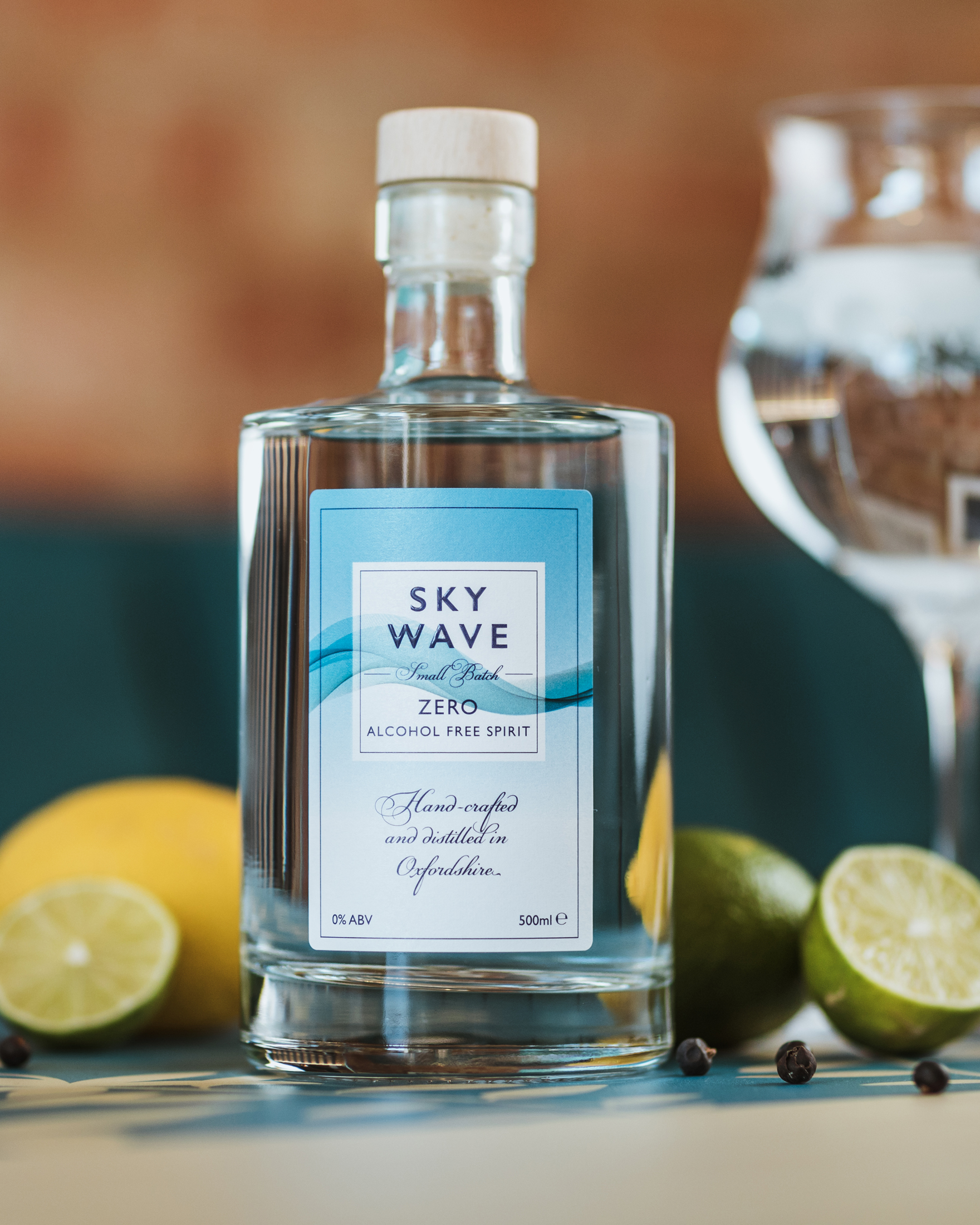
In the UK there is an alcohol-free gin brand namely, Sky Wave Zero which delivers the familiar juniper and citrus burst flavours to gin lovers so they can savour drinks but without any of the alcohol. “We know that there are times when you want to enjoy the experience of drinking a gin and tonic, but you don’t want the alcohol. I worked hard to create a great-tasting, premium alcohol-free alternative to sit alongside our existing range. I selected high-quality ingredients including three citruses and fresh ginger to create a journey through zesty bursts with hints of savoury and sweetness culminating in a twist of warmth,” said Sky Wave Master Distiller, Andrew Parsons. Sky Wave Zero is instantly lemony on the nose, the palate has discernible juniper melded with other botanicals and a hint of spice.
Alcohol-free gin in India
While the West was introduced to the concept a few years ago, India is still finding its feet in the new industry. However, that is not to say that India doesn’t have a fair share of enthusiasts experimenting with non-alcoholic beverages. There is a growing trend in sober curious individuals says Pahuja. ” It’s not just the Tier 1 cities that are being “Sober Curious”, we have been getting orders from across the country from all age groups. The non-alcoholic beer space has already been gaining momentum in India in the last couple of years, and it was only time that someone did the same for spirits.” But he did point out that it will take a while for the market to grow given the learning curve for Indian consumers.” The pros of non-alcoholic beverages though, definitely outnumber the cons – they are low on calories, healthier and, do not compromise on taste. Goa-based Gin, SOBER has zero carbs, zero sugar, zero alcohol, and five calories and is infused with juniper berries, ashwagandha and tulsi. “Juniper berries, Tulsi and Ashwagandha are the three key ingredients we use to make Sober spirits for better days.”

Giving us a brief insight into how the flavour is replicated in alcohol-free gin Vansh said,” No two Gins have the same flavour profile. However, we’ve sourced the best natural botanicals and ingredients that gives Sober Gin a spot-on flavour profile just like your favourite gin that’s complex, aromatic, and even finishes with the familiar kick of a fine adult beverage. We recreated the burn through a very concise mix of herbs after trying various recipes. The result was a complex plant-based blend that did the trick for us. Some botanicals bring in the sensation of heat while others help it surface, leaving you satisfied and well in the end.”
There are a few other well-known alcohol-free brands in India as well including Mumbai-based SVAMI by Aneesh Bhasin and Kati Patang. The former is a pioneer in the Indian craft tonic water space and launched ready-to-drink non-alcoholic cocktails like G&T, Pink Gin & Tonic.
Delhi-based craft beer brand Kati Patang has also launched a range of non-alcoholic beverages including the NOT G&T. Kati Patang’s NOT G&T uses natural extracts and botanicals to impart the same flavour, colour and magic. With 0% alcohol, the sparkling drink blends the aroma and sweetness of Juniper, the lingering freshness of Lemon & Basil and hints of Tonic bitterness.
The process of making alcohol-free gin
Being zero Proof, the Svami G&T offers the same refreshing taste of a G&T with just 82 calories per bottle. But how is it made? Aneesh told LuxeBook that SVAMI does not make a spirit at all rather they focus on flavours. “We’ve broken down a spirit flavour, for example, gin is broken down into what botanical is contributing to which flavour and mouth feel, and accordingly we build our recipe. For gins, juniper will always be a very important botanical, so we started with that and further layered it with botanicals like coriander, angelica root and citrus peels before blending it with our tonics to create a zero-proof gin and tonic. Similarly, SOBER gin too extracts flavours to create the beverage. “We extract sophisticated flavours from all-natural sources at our workshop in South Goa. Some herbs and botanicals we use are associated with therapeutic properties. We distil that historical knowledge into bottles of happiness to lock it in, that’s where the flavour profile and health benefits come from,” says SOBER’s Pahuja.