Slow Living is Reshaping Indian design, One Mindful Space At A Time
- Design Featured Real Estate
 Anushka Manik
- 16 minutes read

In an age of hyperstimulation and burnout, there’s a quiet rebellion unfolding in Indian homes- one that doesn’t announce itself with marble façades or fancy chandeliers. Instead, it takes the shape of a courtyard kissed by sunlight, a shower open to the sky, or a reading nook that smells faintly of vetiver.
This is the new Indian home: a space where healing takes precedence over opulence, where materials breathe, light flows, and every corner is curated for calm. As wellness becomes the new language of aspiration, architects and designers across India are rethinking everything–from materiality and spatial flow to emotional zoning and sensory resonance.
“Let’s just say ‘wellness’ is no longer code for a yoga mat you never use. Today, it’s about creating homes that don’t stress you out the moment you walk in. People want spaces that feel good, not just ones that look good on Instagram,” says Nayan Shah, Founder of Palindrome Spaces.
From aesthetic to atmosphere
Unlike earlier, wellness is now being seen as the central theme of residential design and a foundational principle, says Kuntal Vyas Aggarwal, Founder and Design Head at Resaiki Interiors and Architecture Design Studio. “As mental health, environmental awareness, and conscious living continue to define the zeitgeist, wellness-oriented décor will remain central to how we build and live,” she notes. “It’s not just about adding plants or candles; it’s about designing with empathy, foresight, and purpose.”
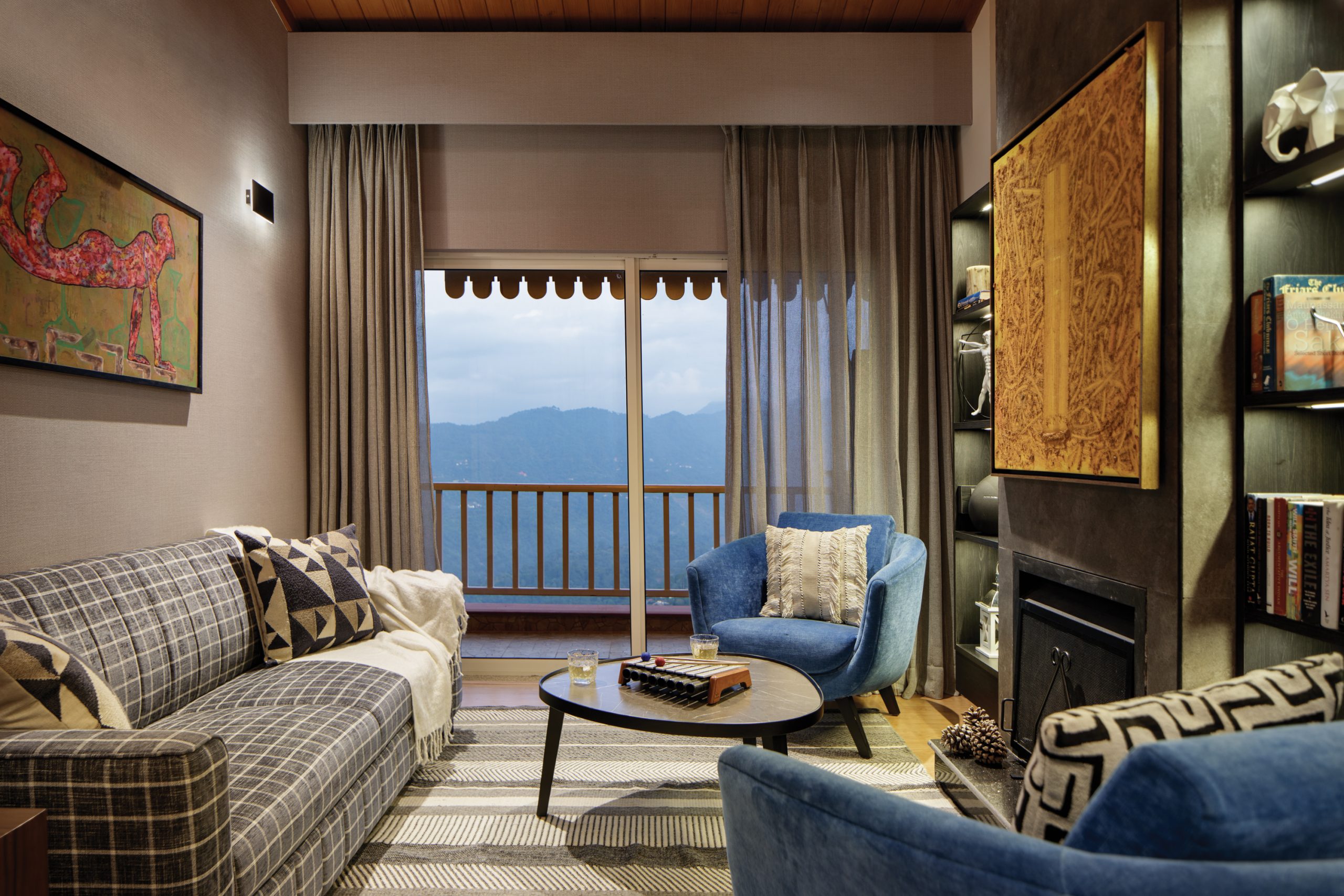
The pandemic acted as a collective pause, prompting homeowners to reevaluate how their spaces supported–or strained–their well-being. As a result, design priorities have shifted from visual drama to light, ventilation, material integrity and emotional zoning. “People want their homes to be places of pause,” says Rachna Agarwal, Founder of Studio IAAD. “Everyone’s looking to recharge. We’re creating outdoor lounges and indulgent bathrooms not for style points, but because people are craving restoration.”
Nilasha, founder of Studio Nilasha, adds, “We’re seeing a growing interest in sensory design: aromatherapy nooks, ambient soundscapes, even water features.” She recently completed a project using lime plaster walls, linen drapes, and sandstone flooring. “These aren’t just decorative,” she says. “They engage the senses and bring calm into the everyday.”
Bringing the outside in
Central to the idea of a wellness-first home is our timeless yearning for nature. But today’s designers are going far beyond potted plants and balconies. “Biophilic design is having its main character moment. If we had a rupee for every areca palm or pothos we’ve installed, we could probably build our own rainforest,” quips Shah. Beyond greenery, he notes the rise of aromatherapy corners with diffusers, essential oils, and incense sticks for a nostalgic, spa-like experience- albeit with solid Wi-Fi.
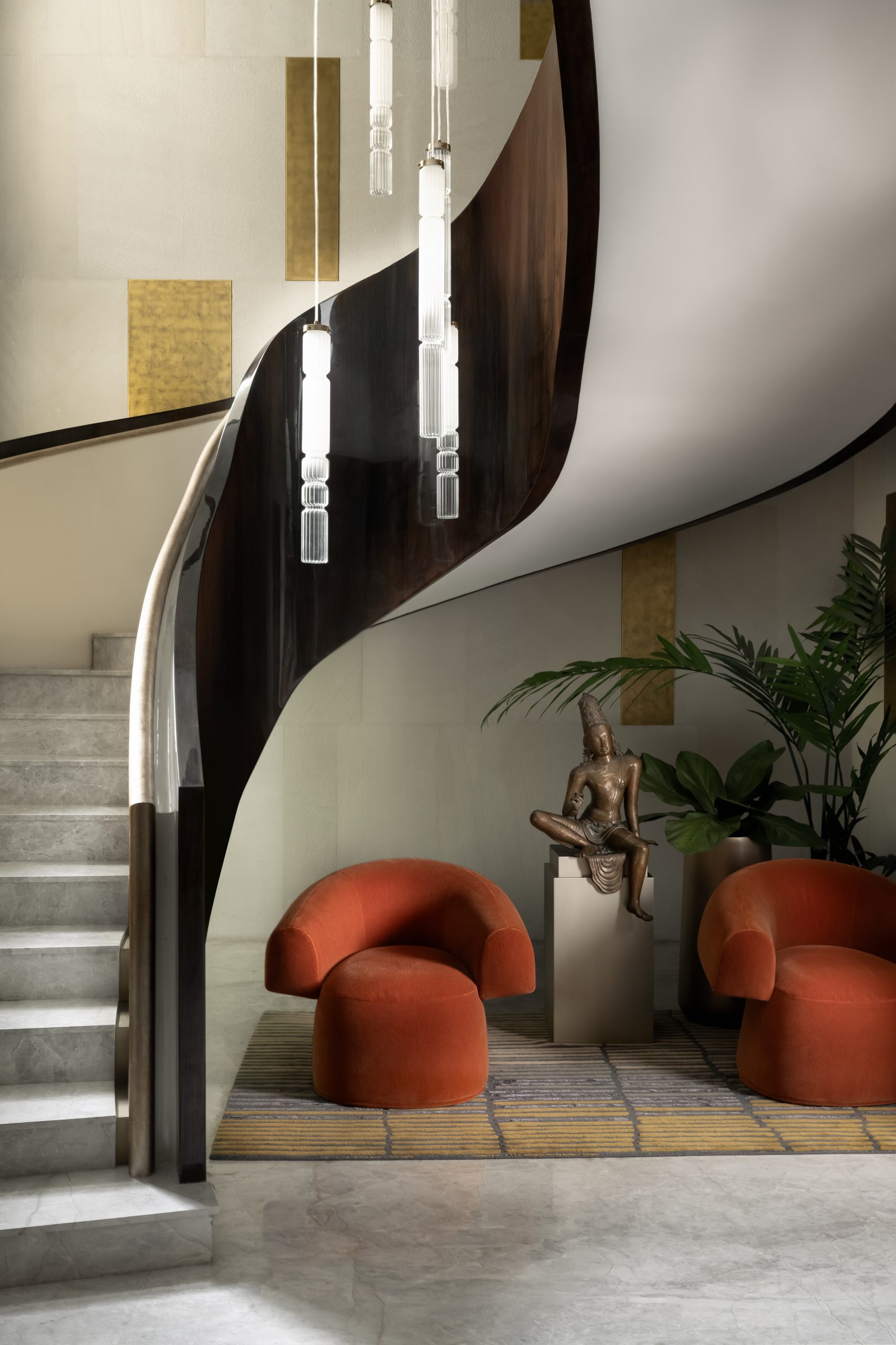
Manisha Gandhi, Founder and Principal Designer at Studio MG agrees that biophilia has moved from niche to norm. “There’s increased use of indoor plants, natural textures, and earthy tones that mimic the outdoors. It’s all about engaging the senses and creating micro-moments of calm throughout the day,” she says.
Agarwal of Studio IAAD has worked on homes where nature is part of the architecture itself–a terrace that doubles as a lounge or a courtyard garden anchoring the floor plan. “These elements aren’t decorative; they’re functional parts of how the residents unwind,” she explains.
Vineeta Singhania, Founder-Partner and Principal Architect, Confluence adds that even when not formalised as sensory zones, such features matter. In County 107, her studio planted over 600 trees on the façade, with three on every balcony, creating a microclimate that cools both the space and the soul. “This led to natural shading on the facades, which, coupled with low U-value glass, results in decreased ambient temperatures and a visually cool environment for users,” she explains.
Materials and colour
A subtle but significant shift is taking place in how Indian homes are designed–one that embraces materials that breathe and colours that soothe, creating spaces that feel alive rather than manufactured. “Wellness-forward living is about creating a home that doesn’t just support your routine but actively shapes how you feel,” says Agarwal. “We work with textures like wood, travertine, and clay to bring in warmth and tactility.”
Earthy hues like terracotta, beige, soft blues, and greens aren’t just aesthetic choices, they recalibrate energy and invite calm. Screened openings and internal courtyards diffuse light gently, enhancing both mood and material. Nilasha adds, “Natural materials ground a space. They bring authenticity and age beautifully, adding an organic rhythm to everyday life.” For Aggarwal, tactile honesty is key. “We prefer lime plaster, cotton, wood, and stone over synthetic finishes. These materials contribute to a sensory calm and age gracefully.”
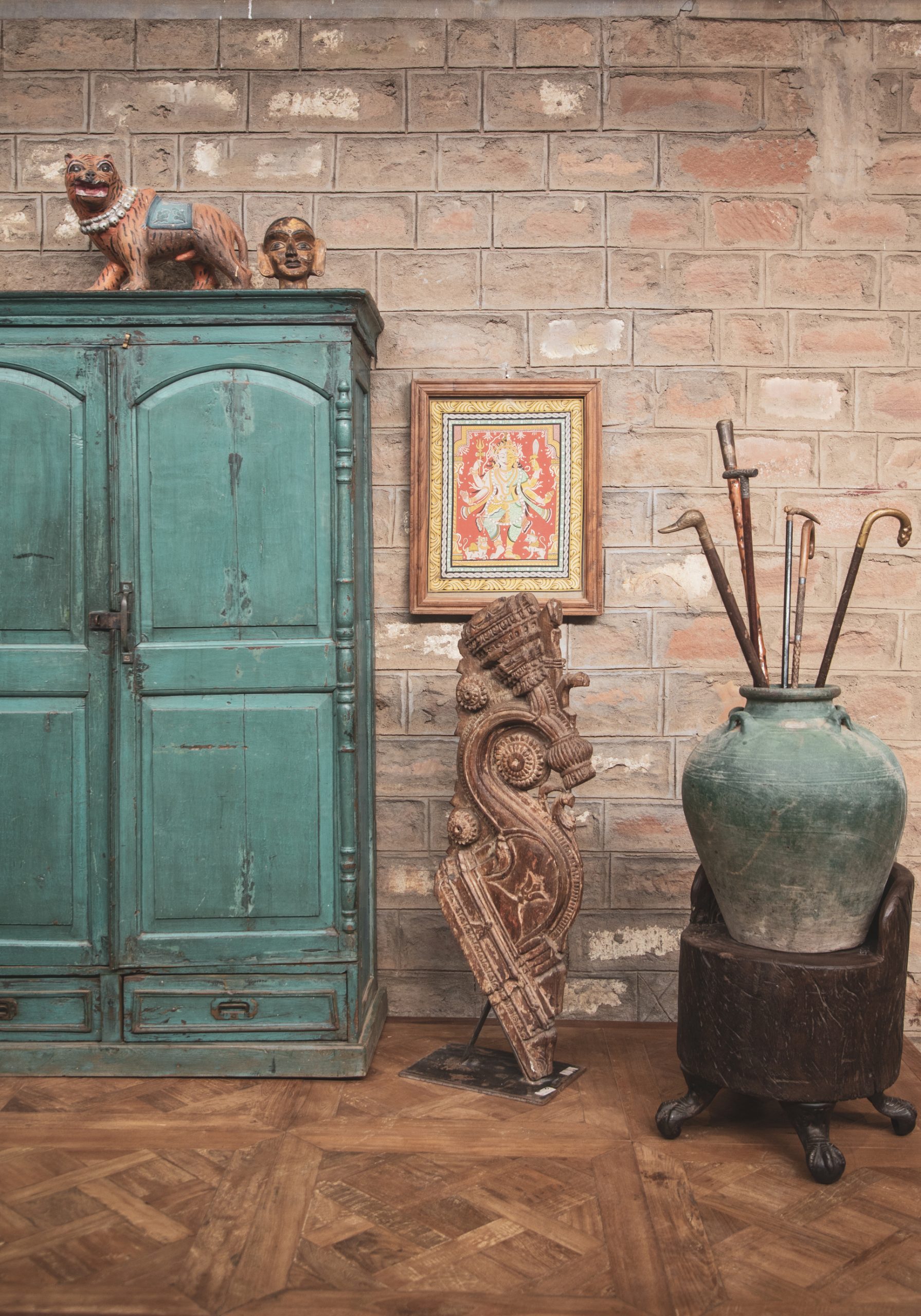
Even in opulent homes, designers are moving toward finishes that feel intuitive–polished kota over imported marble, limewashed walls over high-sheen paint or exposed bricks instead of wallpaper. Singhania highlights how these materials pair with dynamic lighting: high-CRI task lights, dimmable warm hues for rest, and clerestories that draw in daylight. “A balanced palette with soft greys, muted greens, warm neutrals highlighting deep teal or terracotta accents, helps unify the space,” she notes.
The result is a home that’s warm, grounded, and in sync with both its inhabitants and the natural world. Singhania shares that materials are often paired with bi‑directional lighting schemes: high‑CRI fixtures for task zones and warm, dimmable accent lights for relaxation areas that mimic sunset hues.
Spaces for pause
Not every element of wellness design is structural. Increasingly, homeowners are carving out micro-moments of restoration through spatial zoning: whether it’s a sunlit prayer room, a journaling corner, a moon deck, or simply a deep window seat. “People are saying no to chaos. They are looking for homes to do what vacations used to do, reset, recharge and reconnect,” says Shah. That indoor garden? A mini escape to Bali. That meditation nook? A scroll-free zone. The spa bathroom? The only place where no one asks you for anything.” We’re designing for rituals, not just routines,” he adds.
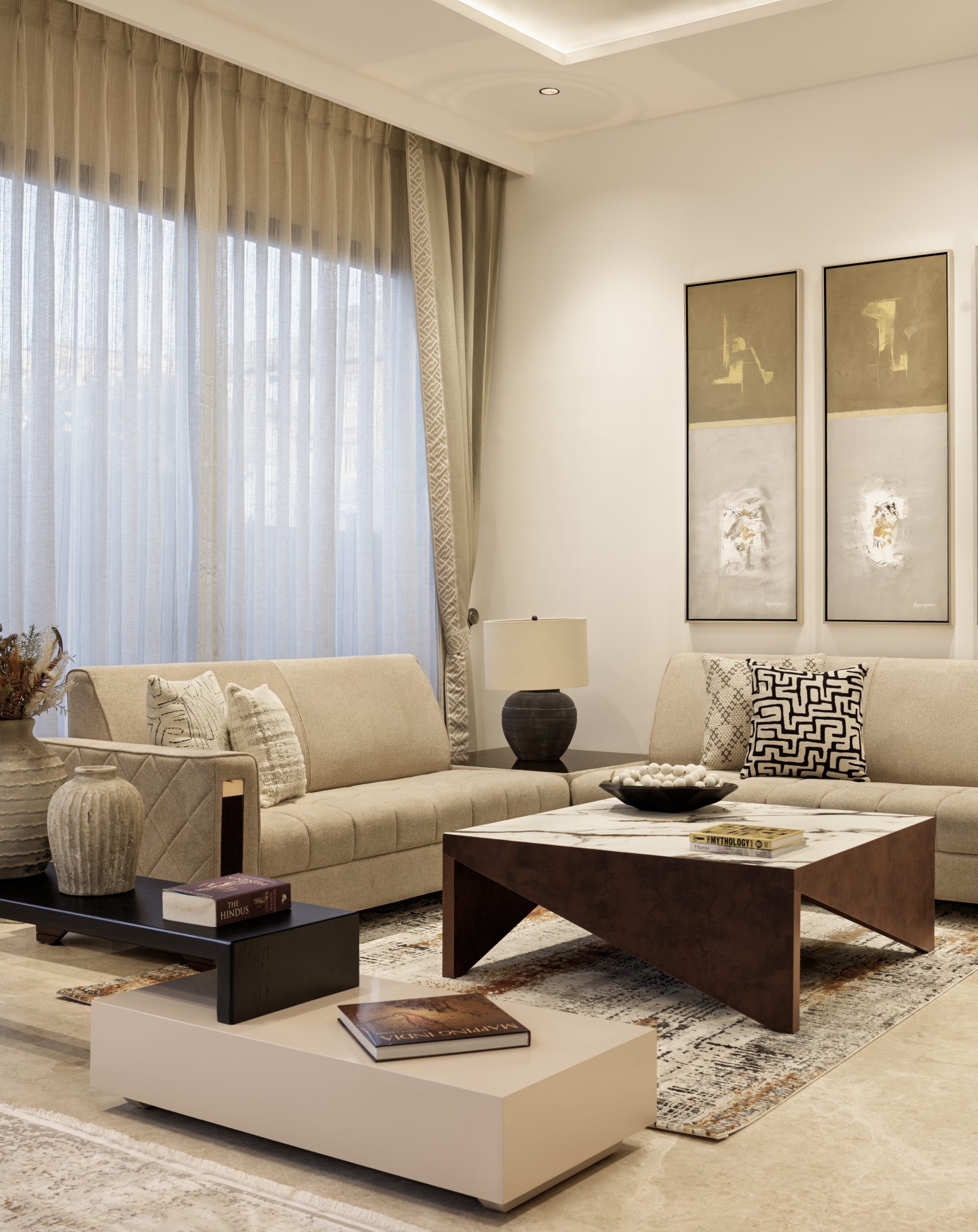
Gandhi holds the same view. For her, these elements show that human beings must feel something in their home: presence, calmness, and purpose. It’s not necessarily luxury but quality of life. In an increasingly fast-paced world, the home is becoming the antidote to chaos– a place where people want to restore, reconnect, and simply be, says Nilasha. Whether it’s a reading alcove bathed in sunlight or a bathroom that evokes a serene retreat, it’s all about crafting spaces that support emotional and physical well-being,” she highlights.
In fact, acoustics are also becoming a wellness focus in their own right. Many designers now use wood panelling, sound-absorbing textiles and layout planning to prevent noise bleed between zones. Especially in urban homes where silence is scarce, this makes a tangible difference.
Balancing functionality with wellness
It’s like Tetris, just with better lighting. In urban homes, every square inch has to multitask harder than a working parent. “We use smart furniture, hide storage like magicians, and make sure there’s still space to breathe. A balcony with some greens is instant serotonin. A reading corner with soft lighting is a mood booster. The idea is: less clutter, more clarity. Wellness isn’t about size, it’s about intention,” says Shah.
In urban settings, the balance lies in intentionality. Wellness doesn’t require grand gestures, it’s often found in the small, mindful details. According to Nilasha, multi-functional furniture, layered lighting, and a decluttered layout can instantly make a space feel more open and breathable. Even a tiny balcony can be transformed into a lush retreat with the right touch. “At Studio Nilasha, we emphasise adaptability. It’s about designing elements that are beautiful but they also serve multiple purposes without overwhelming the space. Creating a sense of lightness through material choice, scale and spatial breathing room can transform even a small apartment into a deeply restorative space,” she says.
The evolving language of wellness
What does the future of wellness design in India look like? “It’s here to stay. If minimalism was about less is more, wellness design is about meaning more. It’s not a trend,it’s a shift in mindset,” says Shah. “We have collectively realised that our homes affect how we feel, think, and even function. So, yes, the scented candles might change, but the idea of designing for the mind and soul? That’s not going anywhere.”
At Studio MG, Gandhi believes this is more than a design trend; it’s also a cultural shift. As people become more intentional about their well-being, their homes will be representative of those intentions organically. “Wellness design isn’t about trends; it’s about creating spaces that support the way we want to live, today and tomorrow.” The pandemic may have accelerated this awareness, but its roots lie in a broader cultural movement towards sustainability, mindfulness, and emotional resilience.
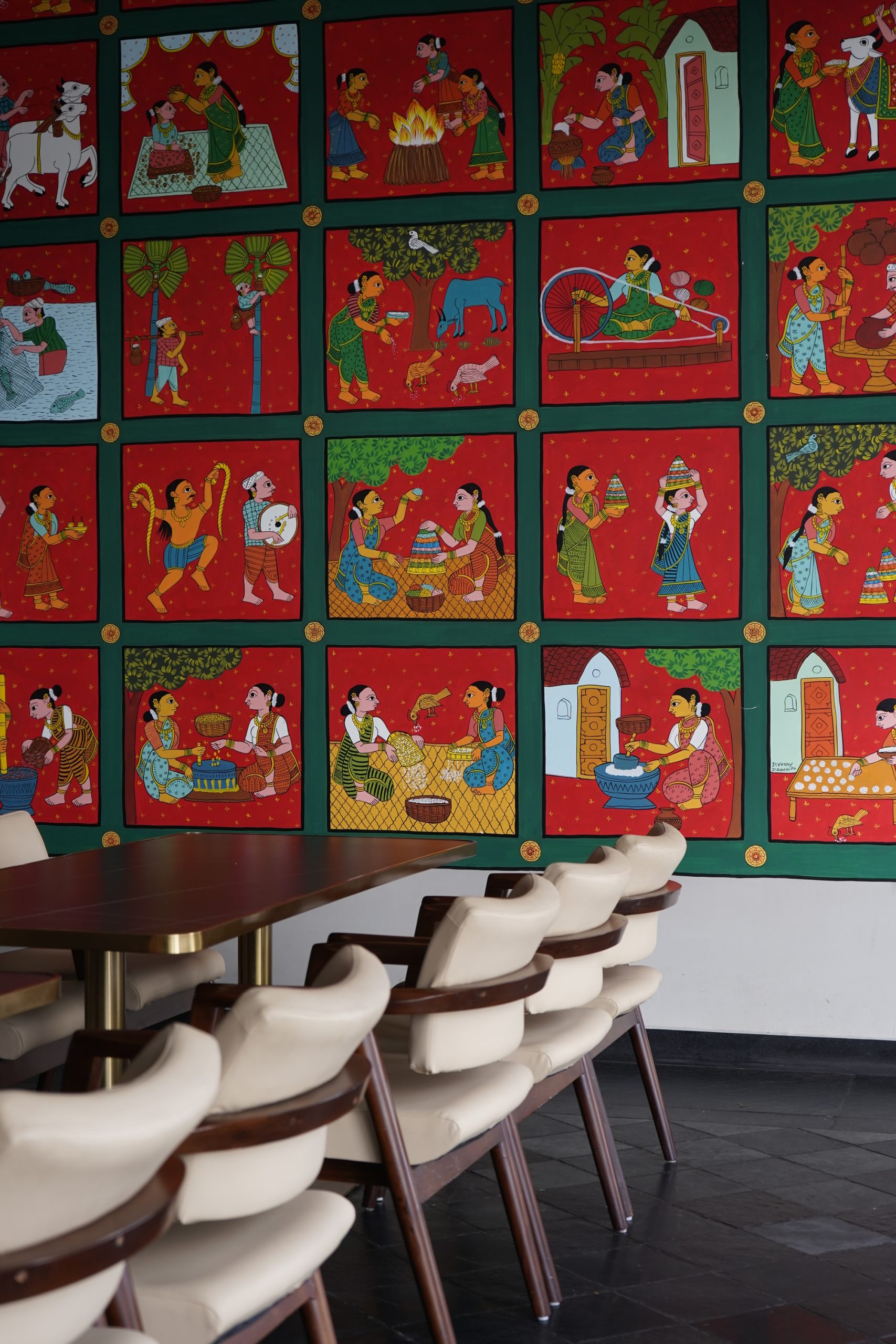
At Resaiki, we have observed a growing sensitivity among people towards their immediate environments, rhythms, and emotional triggers. They are not just asking for beautiful spaces; they are asking for spaces that feel good to inhabit. “This has reshaped our material choices, lighting strategies, spatial flow, and even how we discuss energy and intention in our design process,” shares Aggarwal.
With our current lifestyles highlighting the importance of home environments designed for physical and mental health, there is an accelerating demand for wellness‑driven design. Coupled with a broader societal emphasis on sustainability, remote work, and mind‑body health, homeowners now prioritise spaces that adapt to evolving lifestyles. “In our practice, every new brief inherently includes wellness goals, affirming that this mindset is here to stay as an enduring standard of good design,” says Singhania.
Wellness is no longer an add-on, it’s the architecture of modern living. And in India, it’s finding expression in homes that feel as good as they look.
Read the decor issue here.