Capri Holdings Sells Versace to Prada: What’s Next?
- Fashion Trending
 Yashita Damani
- 6 minutes read

It is now official: Capri Holdings has officially completed the sale of Versace to Prada S.p.A., closing a chapter that began in 2018 when the American luxury group acquired the Italian fashion house as part of its ambition to build a global luxury conglomerate.
The company has sold Versace to Prada for $1.375 billion, sharpening its focus on Michael Kors and Jimmy Choo.
Capri Holdings Completes Versace Sale
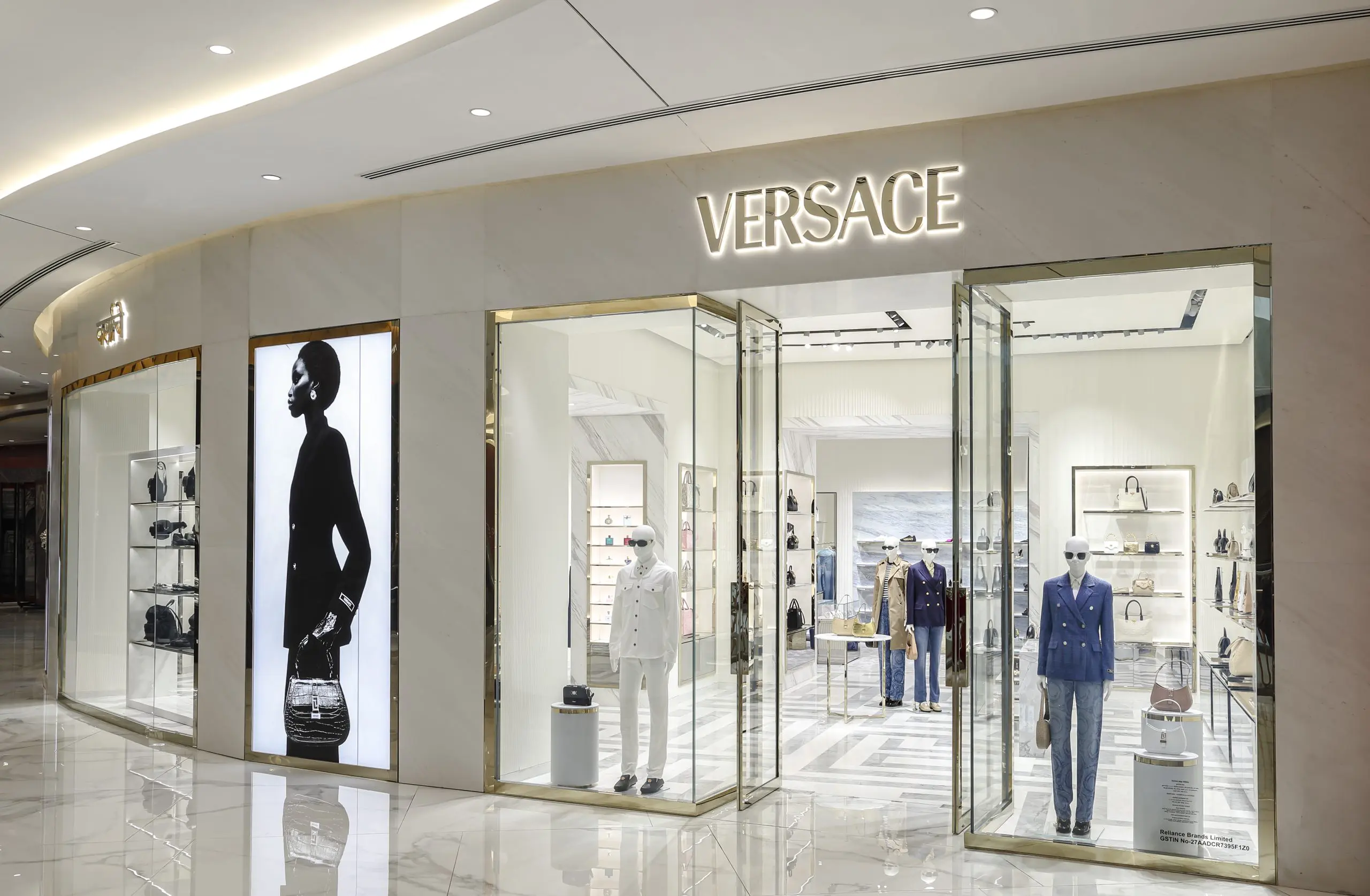
Announced in December 2025, the transaction marks a pivotal moment for Capri, one defined less by expansion and more by consolidation, balance sheet discipline and strategic clarity. The sale brings to an end Capri’s seven-year ownership of Versace, a brand synonymous with Italian glamour, maximalism and cultural provocation.
Under Capri, Versace underwent a deliberate repositioning focused on elevated product design, renewed attention to craftsmanship, upgraded retail environments and a sharper global marketing strategy. According to Capri’s leadership, these efforts have left the brand structurally stronger and better positioned for long term growth.
Deal Value: $1.375 Billion Cash Transaction
The transaction values Versace at $1.375 billion in cash, subject to customary post closing adjustments. Capri has stated that the majority of the proceeds will be used to repay debt, a move expected to significantly reduce the company’s leverage ratio and strengthen its balance sheet.
This financial reset gives Capri greater flexibility to invest in its remaining brands, manage operating pressures and potentially return capital to shareholders in the future. In a luxury market facing uneven consumer demand and rising costs, balance sheet strength has become a strategic asset rather than a secondary consideration.

John D. Idol, Chairman and Chief Executive Officer of Capri Holdings, has described the completion of the sale as a milestone that allows the company to execute its long term priorities with renewed discipline and focus.
Versace’s journey from a $2.1 billion acquisition to a $1.375 billion sale underscores how timing, market conditions and strategic priorities shape even the most iconic fashion houses. While valuations fluctuate, the underlying message is clear. Luxury today is defined not only by aspiration and scale, but by stewardship, sustainability and strategic restraint.
Buyer Spotlight: Why Prada
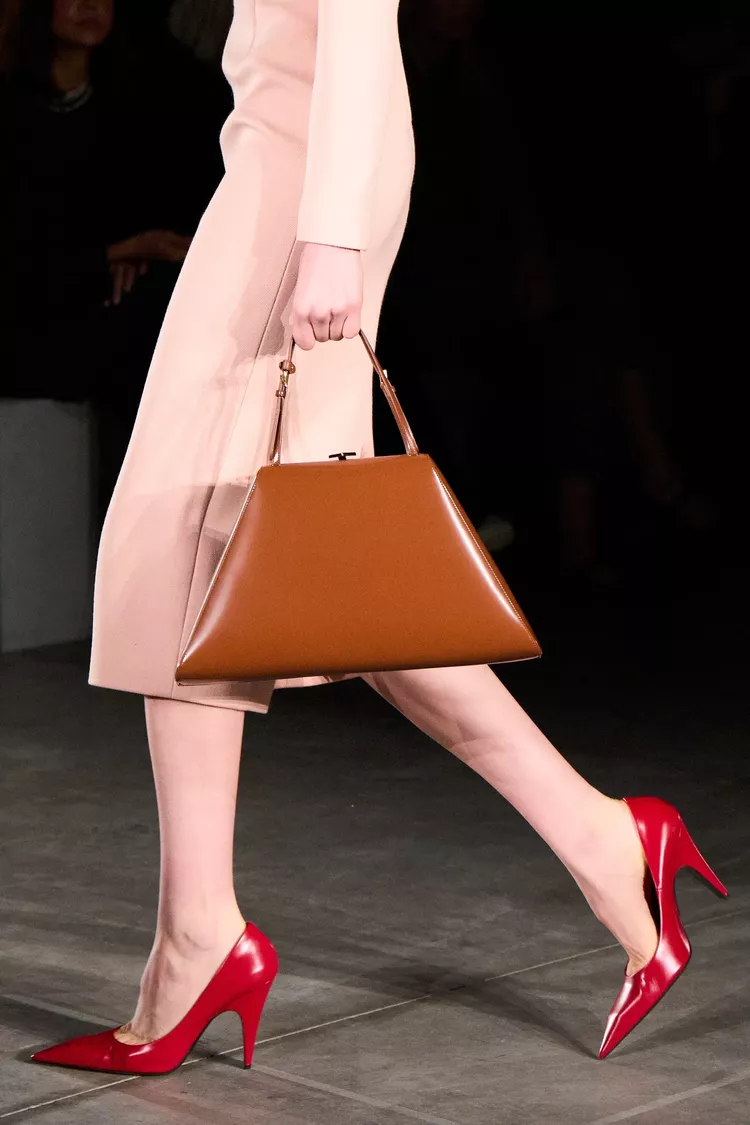
For Prada S.p.A., the acquisition of Versace represents a strategic expansion rooted in cultural alignment. The deal brings together two of Italy’s most recognisable luxury houses, each defined by a distinct creative identity. Prada’s intellectual and minimalist approach contrasts sharply with Versace’s bold, sensual aesthetic, creating a portfolio dynamic that enhances rather than dilutes brand equity.
The group’s reputation for patient brand building, operational discipline and respect for creative autonomy positions it as a natural steward for Versace’s next phase. Capri leadership has publicly stated that Prada is the ideal partner to guide the brand forward, reinforcing confidence in the transition.
Capri’s Next Chapter: Michael Kors and Jimmy Choo
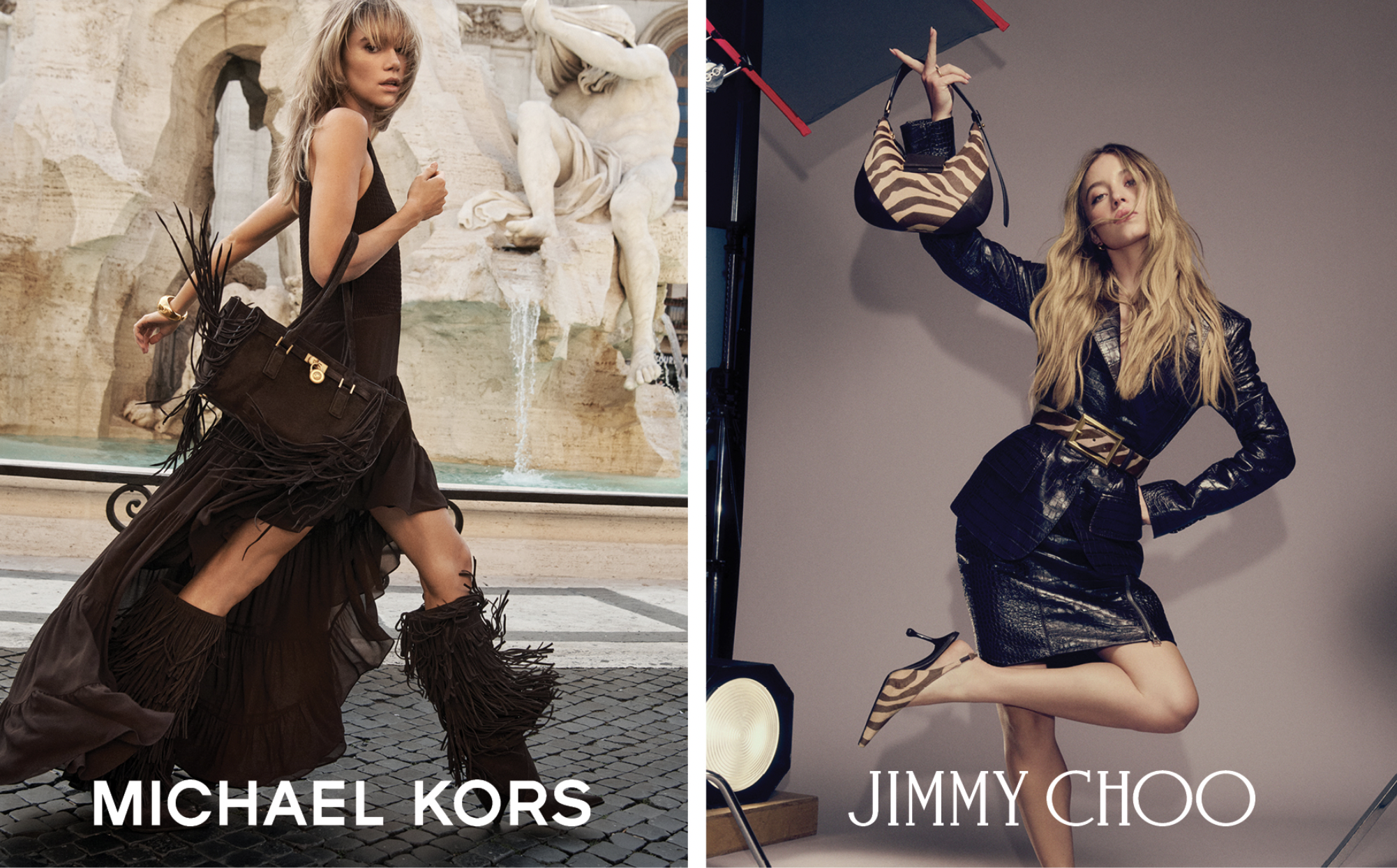
Following the sale, Capri Holdings emerges as a more streamlined luxury group centred on Michael Kors and Jimmy Choo. These two brands now form the foundation of Capri’s growth strategy, with a renewed emphasis on operational efficiency, targeted investment and disciplined expansion.
Capri has indicated that it expects to stabilise its business in the near term while laying the groundwork for a return to growth by fiscal 2027. The strategic pivot highlights a move away from portfolio breadth toward performance driven focus.
By narrowing its brand mix, Capri is positioning itself to strengthen execution and maximise long term value across its remaining businesses.
What This Means for Luxury Fashion
Beyond the transaction itself, the sale of Versace to Prada reflects a wider recalibration underway across the luxury fashion industry. The period of aggressive brand accumulation has given way to a more selective approach prioritising financial resilience, operational clarity and brand strength.
As Prada expands its influence and Capri sharpens its focus and shoes, the deal stands as a marker of luxury’s evolving playbook, where fewer brands, stronger foundations and clearer identities are becoming the new measure of success.
You may also read: What’s Trending In Luxury This Week