Earth Day 2025: 6 luxe retreats that put the planet first
- Featured Travel & Hospitality
 Anushka Manik
- 6 minutes read

It began with a single light switch. One thoughtful gesture in a luxury suite- a reminder that even in the lap of indulgence, sustainability matters. As Earth Day 2025 approaches, that small action echoes a much larger truth: the world is shifting, and so is the way we travel.
Sustainability is no longer a niche concern; it’s become a conscious commitment—especially for Indian travelers, 82% of whom now prioritize eco-responsibility, according to Agoda’s Sustainable Travel Survey. Hotels and resorts across the globe are no longer asking, “Should we go green?” but rather, “How can we do it better?” From harnessing solar energy and recycling greywater to reimagining architecture for minimal impact, the hospitality industry is entering a new era—one where luxury and sustainability go hand-in-hand.
This Earth Day, we spotlight six trailblazing retreats that are redefining responsible travel. Each one champions innovative, renewable solutions without sacrificing an ounce of comfort—because living sustainably shouldn’t feel like a compromise; it should feel like coming home.
Alila Jabal Akhdar, Oman

Perched in the rugged Omani mountains, Alila Jabal Akhdar is at the forefront of eco-luxury, holding an EarthCheck Gold Certification for its sustainable practices. The resort’s architecture is built using locally sourced Jabal Akhdar stone, minimizing waste and blending seamlessly with the natural landscape. Its hydroponic farm ensures a steady supply of fresh, organic produce while significantly reducing water consumption. The resort produces its own glass-bottled still and sparkling water and provides guests with nearly waste-free room amenities—creating a mindful, low-impact stay.
The Kumaon, Uttrakhand
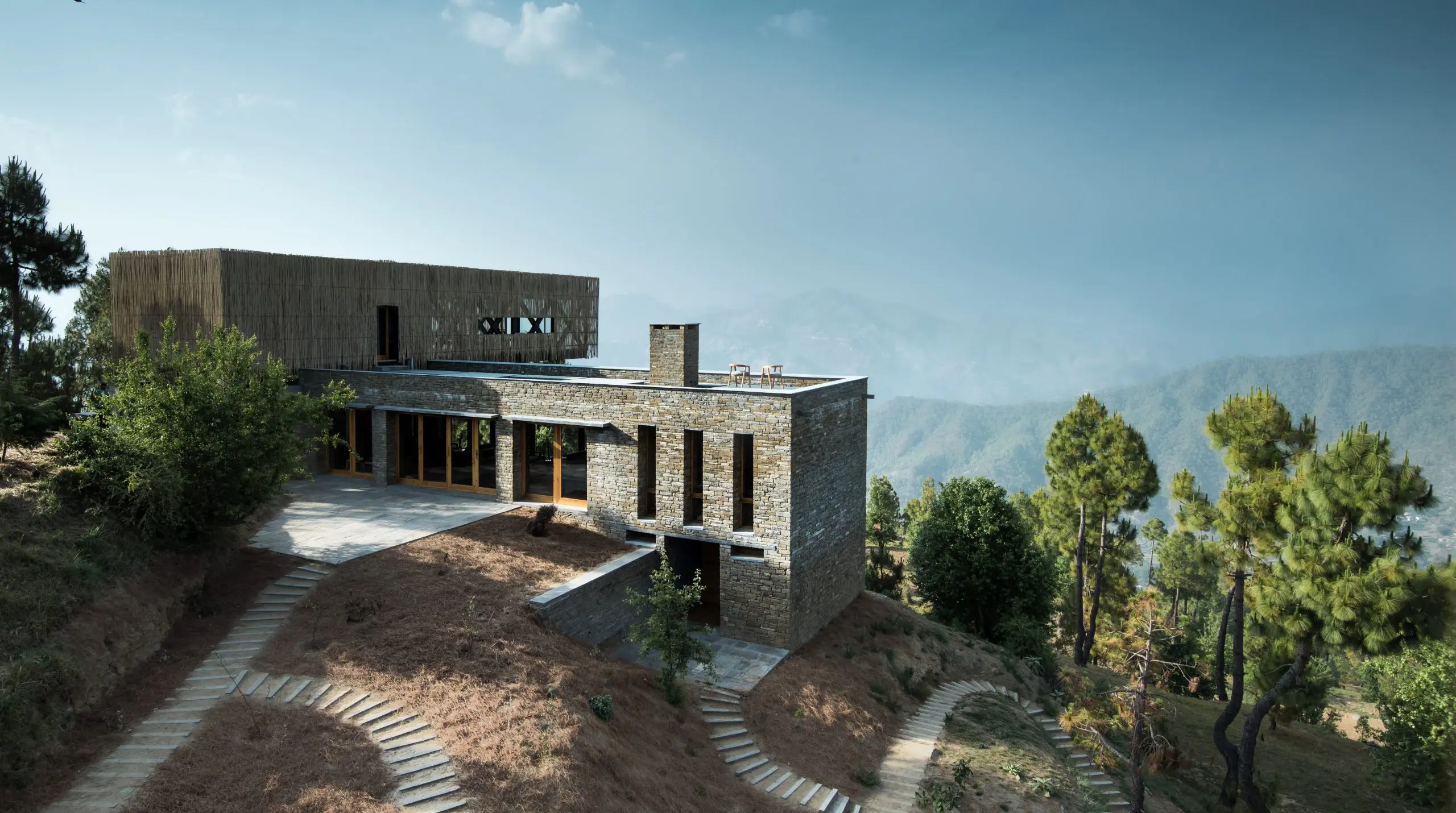
Set high in the hills of Uttrakhand, The Kumaon embraces eco-conscious hospitality while preserving the region’s natural beauty. Located in a water-scarce area, the property relies on rainwater harvesting and greywater recycling to ensure minimal freshwater wastage. Built using handcrafted Kumaoni masonry techniques and locally sourced materials, the retreat comprises 10 luxurious chalets spread across 2 acres of verdant greens. The lower chalets are built of locally-quarried stone mirroring local village homes, and upper chalets use fly-ash bricks clad with bamboo sticks and copper wire. Materials have been allowed to retain their natural quality at the retreat. This boutique retreat prioritizes a low-impact construction approach avoiding any development that heavily relies on machinery.
Anantara Sir Bani Yas Islands
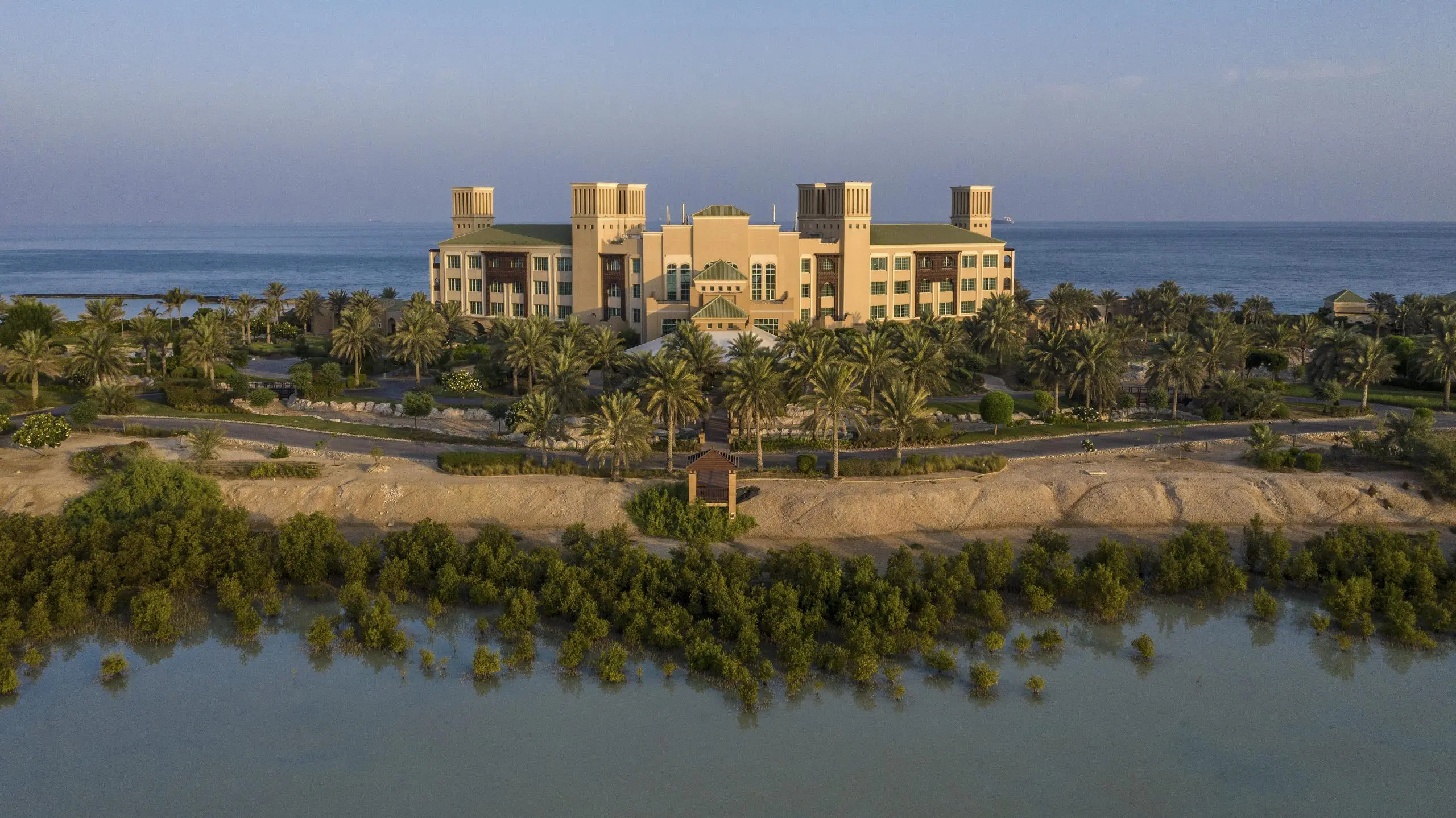
Originally established as a royal nature reserve, Anantara Sir Bani Yas Island Resorts are home to the largest herd of Arabian Oryx, a species brought back from extinction through conservation efforts. The resorts actively restore marine ecosystems through the mangrove rehabilitation program, where guests can plant saplings to support coastal biodiversity. This hands-on conservation experience is available at all three resorts—Anantara Al Sahel Villa Resort, Desert Island Resort & Spa, and Anantara Al Yamm Villa Resort. The properties also maintain an 8km no-fishing zone along their coastline, ensuring the surrounding marine life thrives undisturbed. Recognized for the environmental efforts, the resorts hold Gold Certification from Green Growth 2050, reflecting their commitment to long-term ecological preservation.
Relais & Châteaux Resplendent Ceylon, Sri Lanka

Across its collection of luxury retreats, Relais & Châteaux Resplendent Ceylon integrates sustainability into its design and operations. Wild Coast Tented Lodge, bordering Yala National Park, was built using reclaimed teak and sustainable bamboo, ensuring minimal ecological impact. The property’s conservation-first approach extends to local wildlife, preserving natural corridors and habitats that allow native species to thrive. The resort is committed to minimizing waste and follows a zero-single-use plastic policy, reducing its footprint in one of Sri Lanka’s most biodiverse regions.
Kandima Maldives
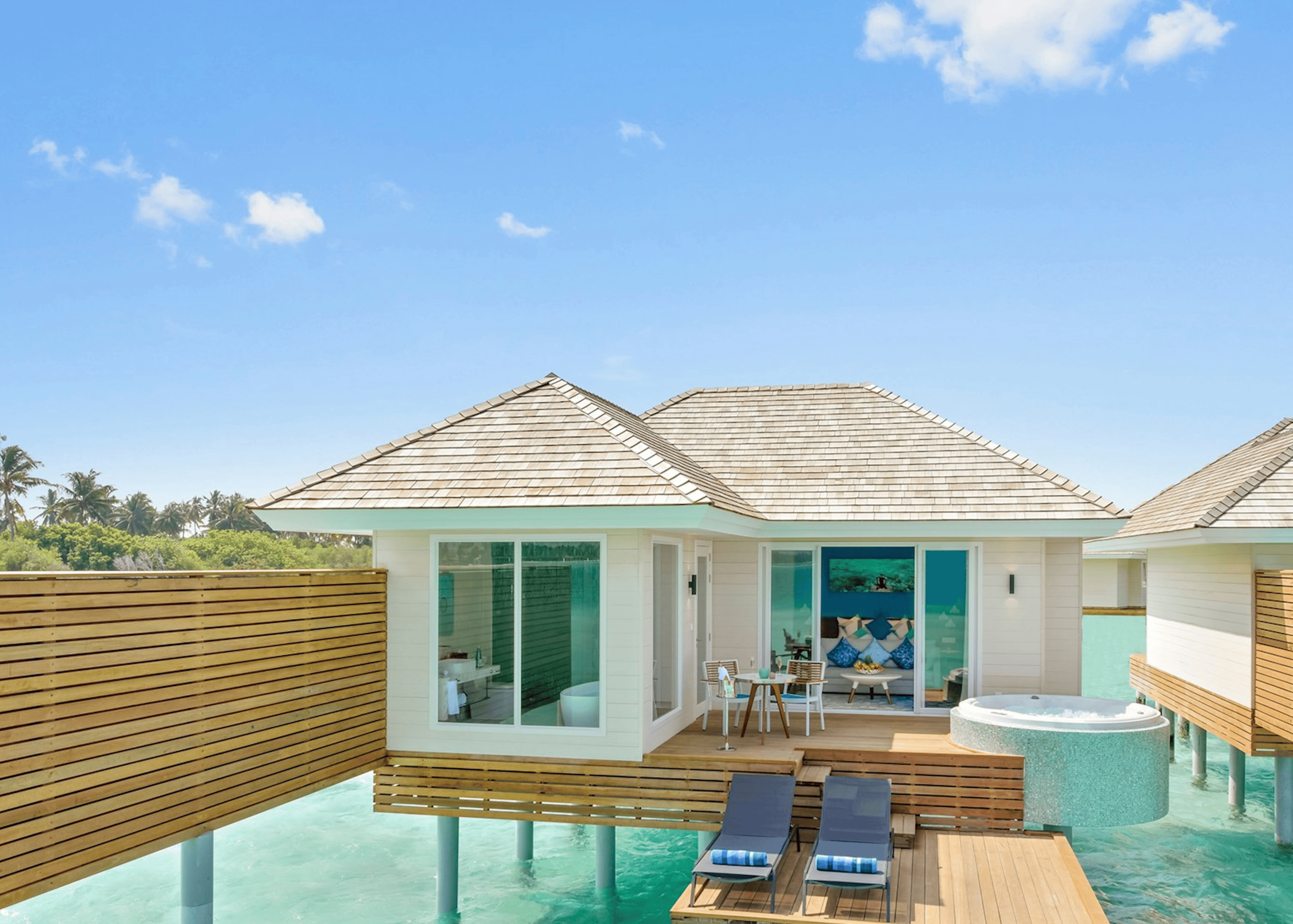
Set in the pristine Dhaalu Atoll, Kandima Maldives takes an innovative approach to eco-tourism. Its Coral Adoption Program enables guests to actively participate in reef restoration, contributing to the revival of marine ecosystems. The Fresh Labs Initiative prioritizes local sourcing, reducing the carbon footprint associated with food imports while promoting sustainable agriculture. The resort also operates a waste-to-resource system, turning organic garden waste into nutrient-rich mulch to support island vegetation, ensuring its sustainability efforts extend beyond the shoreline.
Kuda Villingili Maldives
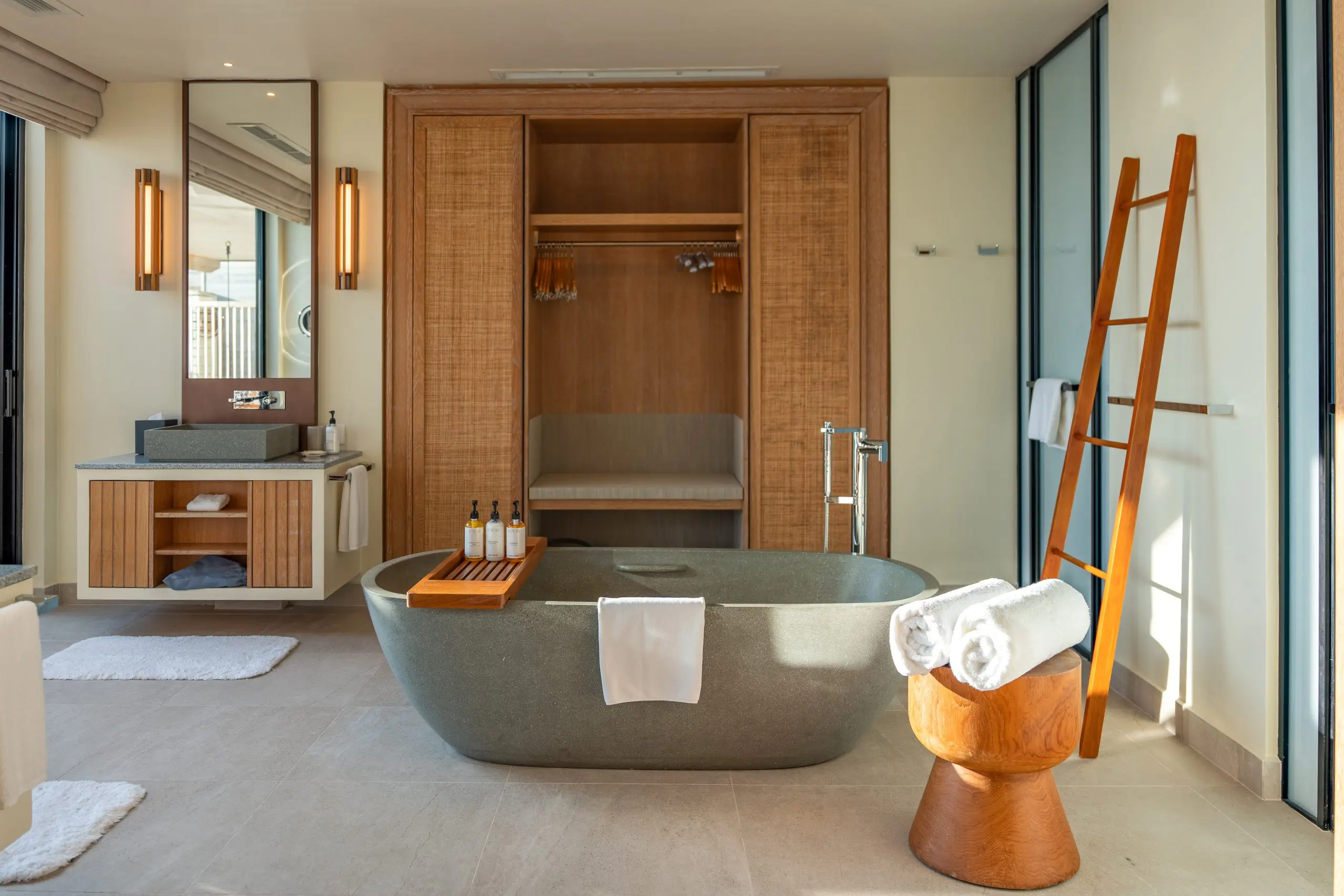
An island sanctuary in the North Malé Atoll, Kuda Villingili Maldives places a strong focus on environmental preservation. The resort is dedicated to marine conservation, with efforts directed at protecting its surrounding coral reefs and promoting sustainable fishing practices. Through its solar energy initiatives, it reduces dependence on fossil fuels, making strides toward cleaner, renewable energy sources. The resort has showcased a commitment to sustainability by incorporating an eco-friendly element in the high-end accommodation; the guests can luxuriate in bathtubs made of crushed stones in the villas. Additionally, the property has eliminated single-use plastics, replacing them with biodegradable and refillable alternatives. This ensures a lighter ecological footprint in one of the world’s most fragile ecosystems.
As Earth Day 2025 approaches, these initiatives serve as a reminder that the best escapes are those that give back to the planet.
You may also read: A weekend at the Heritage Village Resort & Spa Manesar