How Indian single malts are rewriting the rules of terroir

By: N Deepali
Think of Scottish single malts, and you think mist, moss, and peat. Bourbon carries flavours of corn fields and charred oak. Japanese whisky terroir is about restraint, precision, and layered subtlety, shaped by notably soft, mild water. Every whisky-making region produces expressions influenced by its land and water. So, what does Indian whisky taste like? And where does that taste come from?
The word terroir—borrowed from wine—describes the idea that a drink carries the flavour profile of its place of origin. For decades, Scotch owned this conversation. In the last two decades, Indian single malts have reshaped how critics think about maturation, raising a fundamental question: what exactly is Indian terroir, and what does it taste like?
The answer varies with the country’s remarkable geographical diversity. The cool Himalayan foothills and the sun-baked Haryana countryside produce whiskies that carry the footprint of their climate, soil, and water. As Vikram Damodaran, Chief Innovation Officer, Diageo India, explains: “India is incredibly diverse in terms of maturation conditions. If you go to the foothills of the Himalayas, the climate is much closer to Scotland. But when you move to places like Goa or Rajasthan, the conditions are starkly different. In Rajasthan, the dry heat leads to significant evaporation, accelerating the chemistry between spirit and cask. While we lose more liquid, what we gain is a whisky that is far more intense in both flavour and aroma—richer, layered, and pronounced in its aromatic profile.”
Michael Dsouza, Master Distiller at Paul John Whisky, is precise about what that intensity translates to in the glass. Goan terroir shows up as ripe tropical fruit—mango, pineapple, banana, followed by notes of rich toffee sweetness, and fast-integrated oak bringing in vanilla, chocolate, and coconut. “Overall, it tastes bold, warm, and fruit-forward, with a soft spice and a slightly savory coastal edge,” he says.

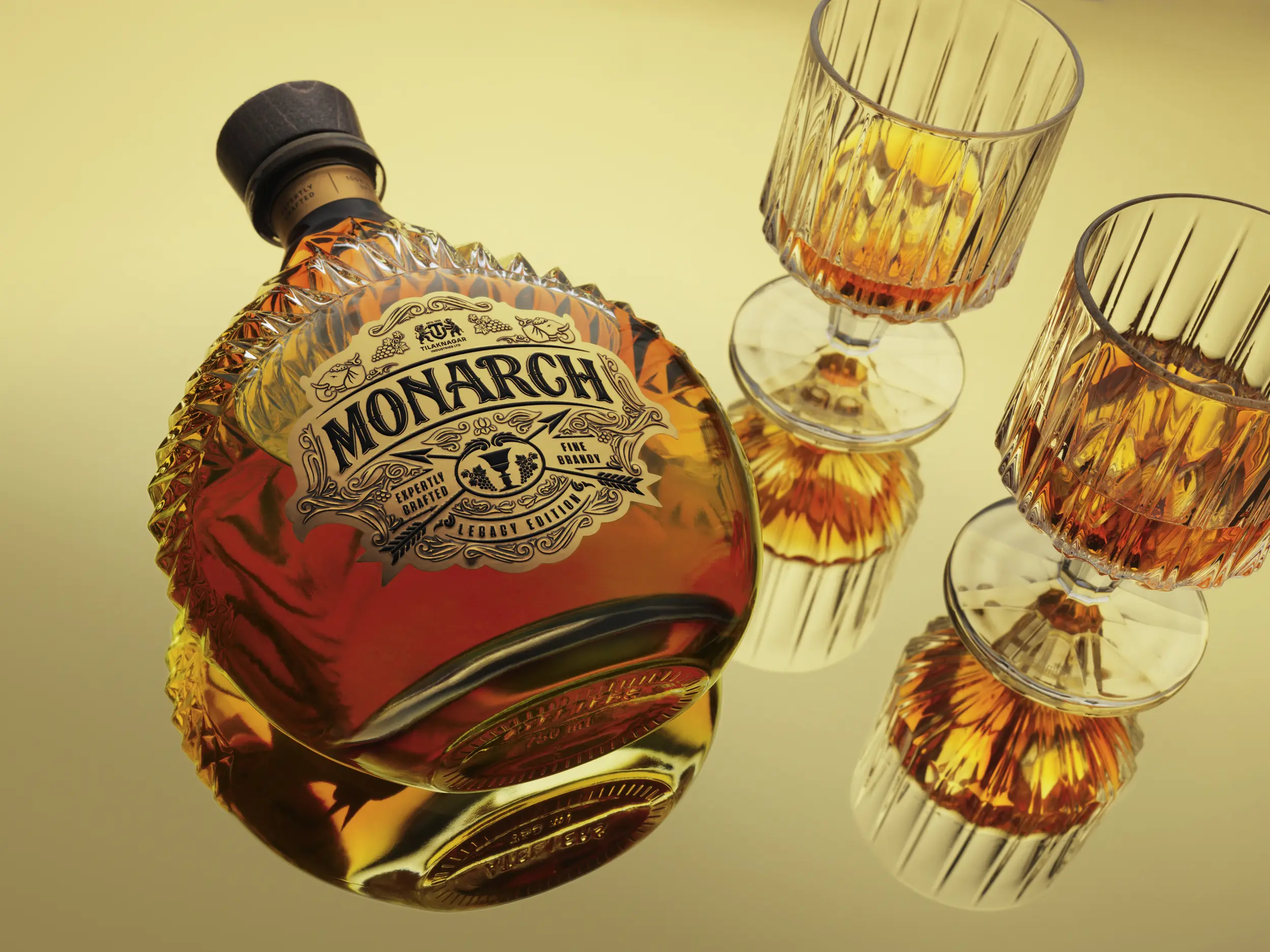
A more contemporary interpretation is also emerging. Sanaya Dahanukar of Tilaknagar Industries explains, “With Seven Islands, terroir is not defined by a single origin, but by how different environments come together through blending.” Tasted in the glass, it would mean anything: ripe orchard fruit, toasted coconut, honeyed malt, dried tropical fruit, baking spice, cacao, and vanilla, resulting in a taste profile that is intense and varied.
Nowhere is that difference more viscerally felt than in the distillery, where the climate doesn’t just surround the whisky; instead, it shapes the spirit.
Climate as a flavour force
In Scotland, the angel’s share runs at roughly 1–2 per cent annually. A Scottish distiller can afford patience. In India, patience is off the menu.
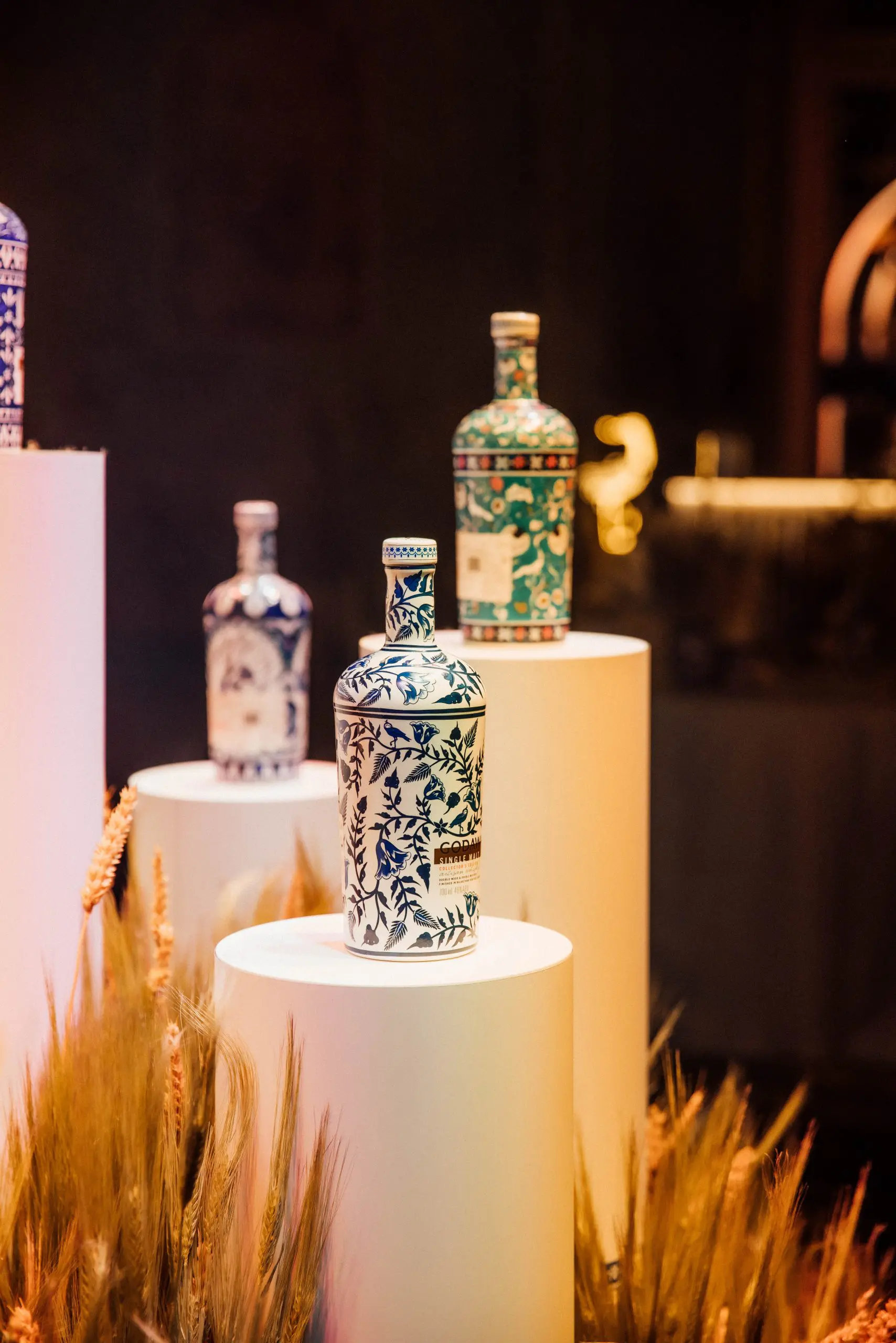
In Goa, Paul John’s distillery loses 8 to 10 per cent per year. At Indri’s facility in northern India, 10 to 12 per cent. The arid desert landscape of Alwar, where Diageo’s leading Indian expression, Godawan, comes from, creates a spice-forward palette, a middle ground between Speyside’s fruitiness and India’s masala box. Damodaran is candid about why Diageo chose Alwar for Godawan: “We deliberately chose adversity, with extreme heat in the summers reaching 45–50°C and biting cold in the winters. That thermal swing drives the spirit deeper into the wood, accelerating extraction and creating a richer, more concentrated conversation between liquid and barrel. Rather than seeing the desert as a barrier, we approach it as a resource.”
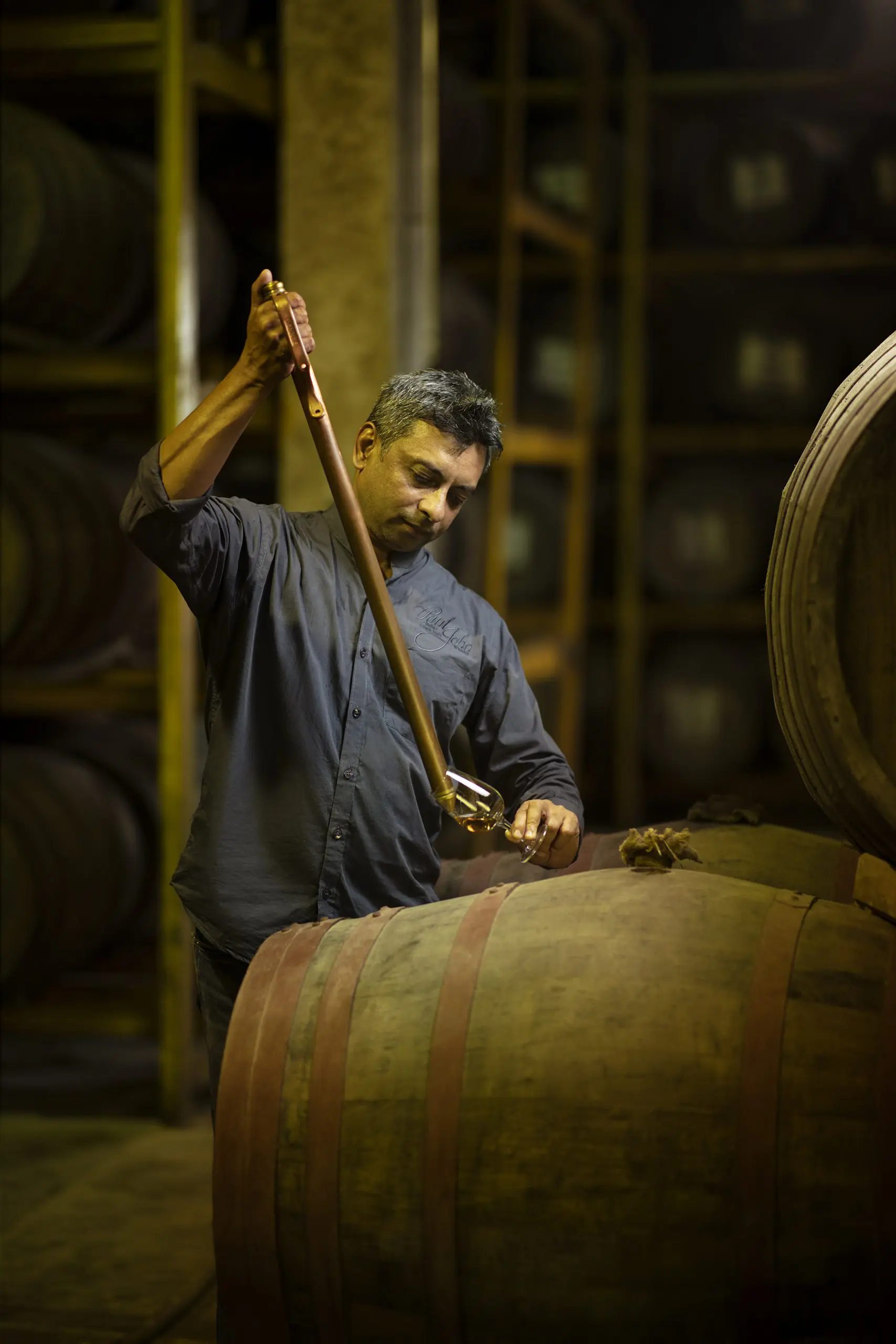
Dsouza explains the chemistry behind this acceleration. Higher temperatures push spirit deeper into the wood, rapidly extracting vanillin, oak lactones, and caramelised sugars, while high humidity accelerates oxidation. “A higher angel’s share does more than speed maturation; it reshapes structure,” he says. “The result is a whisky with a rounder, fuller mouthfeel and earlier flavour integration, where sweetness, fruit, and spice appear concentrated and cohesive at a younger age rather than building in slow layers like Scotch.”
In Karnal, Haryana, where Indri matures its whisky, summers reach 50°C and winters drop close to freezing. The wood expands and contracts sharply, extracting colour, flavour, and structure at a pace Scottish warehouses simply cannot replicate.
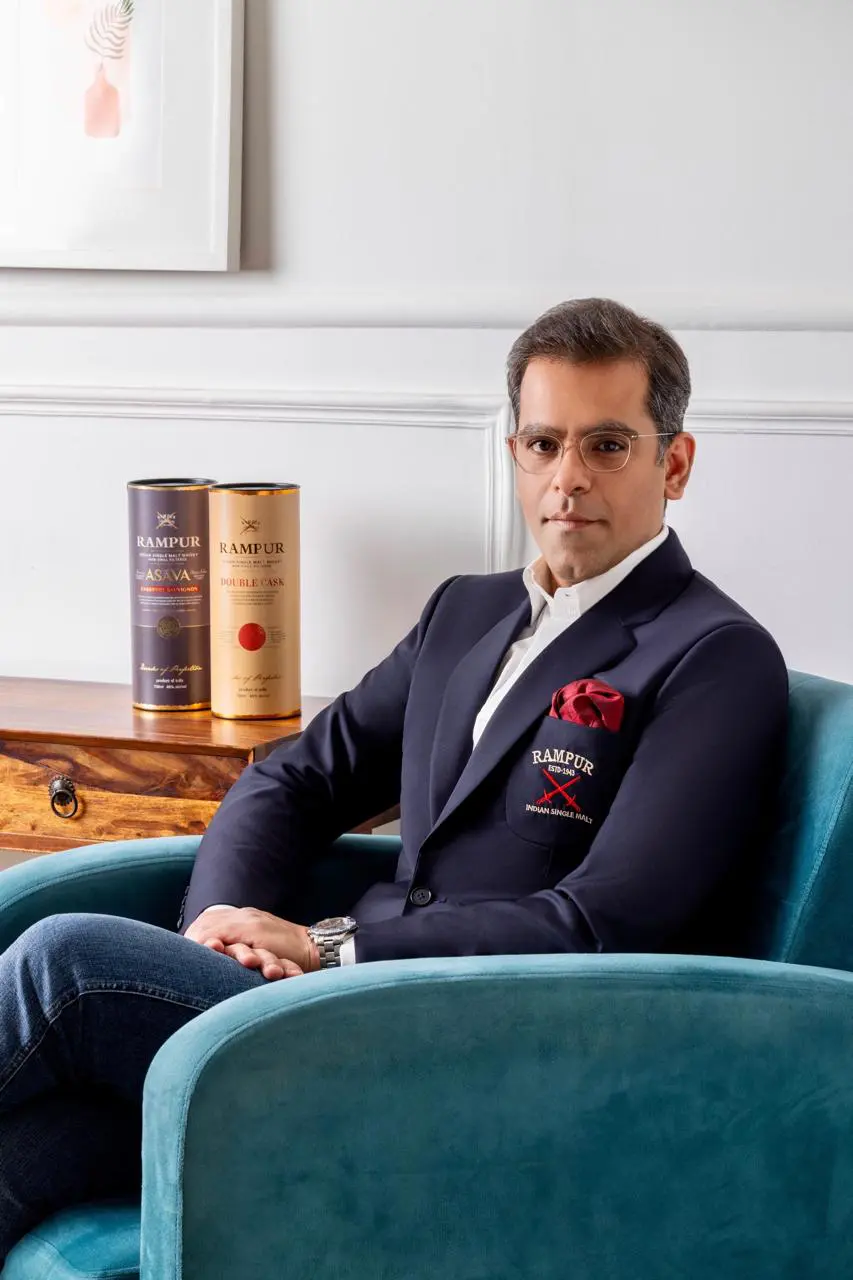
At Rampur, in the Himalayan foothills, whisky matures through all five distinct seasons. As Kunal Madan, CMO, Radico Khaitan, explains, dramatic seasonal shifts build complexity early in the spirit’s life. “Rampur’s climate allows us to be far more expressive with cask innovation, as faster maturation amplifies how each cask influences the spirit.” North Indian summers can climb to 44–46°C; winters drop to nearly 2°C. The angel’s share can reach 12 per cent in the first year, concentrating what remains into greater body and richer texture.
Dahanukar adds that warmer Indian conditions also accelerate wood integration: “You see a quicker integration of wood and spirit, which can create a rounder, more immediate drinking experience, making cask management and blending decisions critical to maintaining balance.”
But climate alone doesn’t tell the full story. Before the cask, there is the grain, and India’s is unlike anything Scotland works with.
The six rows of difference
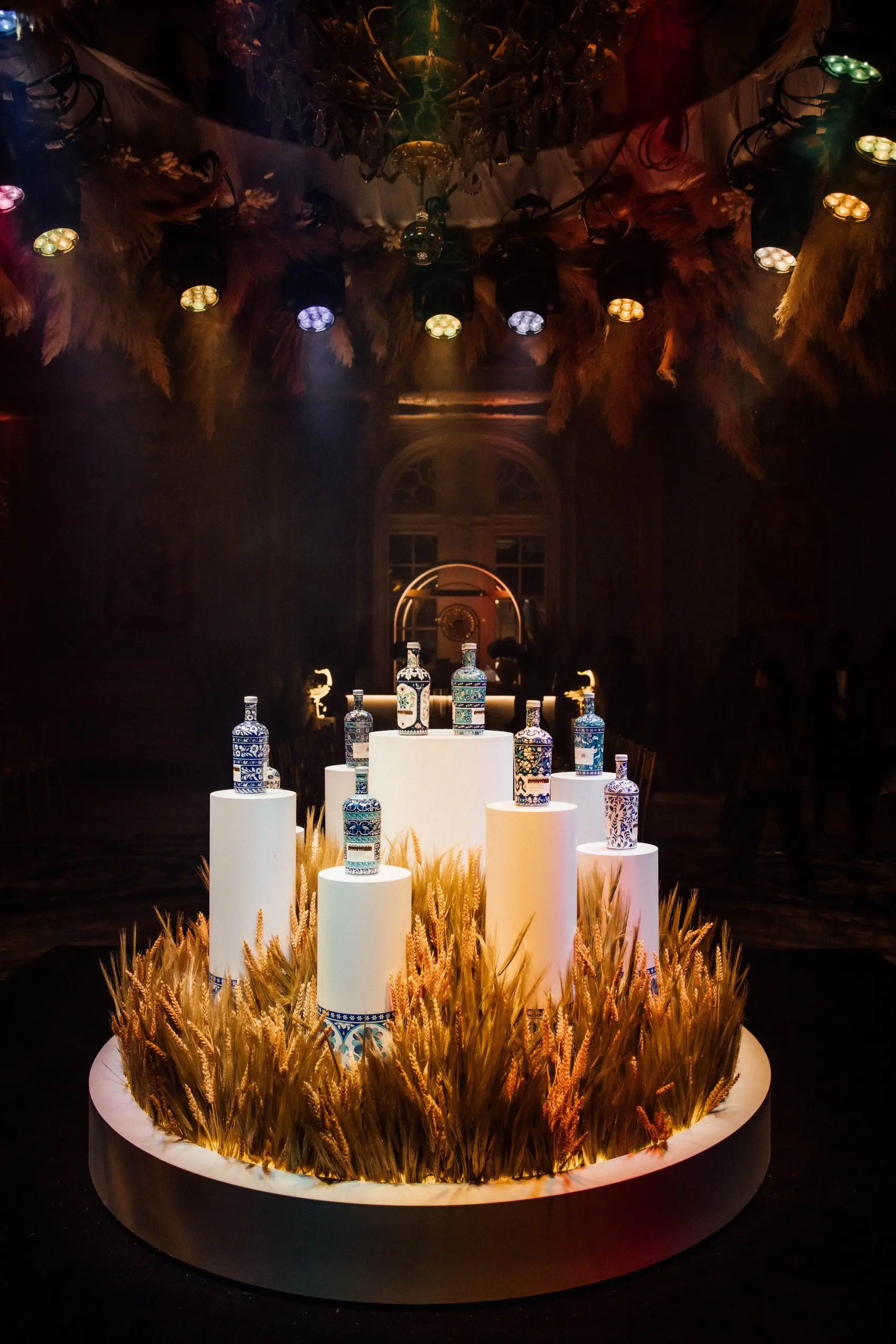
Scotland builds its single malt identity on two-row barley, which is lower in protein, producing a delicately sweet spirit.
India’s six-row barley by contracts are higher in protein and enzymes, with a thicker husk that contributes polyphenols, adding grip, spice, and textural weight. Where two-row barley tends toward lightness and elegance, six-row barley leans into robustness and cereal intensity.
“Because six-row barley is high in protein, the distillate is naturally astringent—that gripping sensation on the top of your palate, not unlike biting into a sour grape,” says Damodaran. “Enzymes do two things: they help with sugar extraction, compensating for the lower starch content, and they contribute to flavour. Third is yeast, highly engineered to work specifically with six-row barley — almost like the starter culture you use to set curd every day. The right yeast paired with the right barley gives you not just starch and sugar conversion, but the aromatics and flavour compounds that define the spirit’s character.”
Dsouza, working with that same grain daily, is more granular about what it yields in the still. “Indian six-row barley has higher protein and enzyme content than imported two-row malt, especially under Himalayan growing conditions. This increases ester formation and produces a more robust, characterful ferment.” For Paul John, the barley comes from the Himalayan foothills, harvested in summer for perfect maturity. “It generates higher congeners and a fuller, oilier spirit texture. Imported two-row gives a cleaner, more neutral base — six-row gives a heavier, more structured distillate that supports a fuller mouthfeel and stronger fermentation-driven complexity.”
Blended approaches take a wider view. According to Dahanukar, Seven Islands brings together Indian and Scotch malts: “Indian grain can contribute a richer, bolder profile, while Scotch malts add structure and restraint. It is this contrast and balance that we find most compelling when building the final blend.”
Beneath the grain, though, runs something quieter and just as consequential.
Water, The Invisible Ingredient
Terroir in wine begins with soil. In whisky, much of it begins with water, the mineral profile of which shapes fermentation, mash chemistry, and ultimately the spirit’s texture and behaviour in the cask.
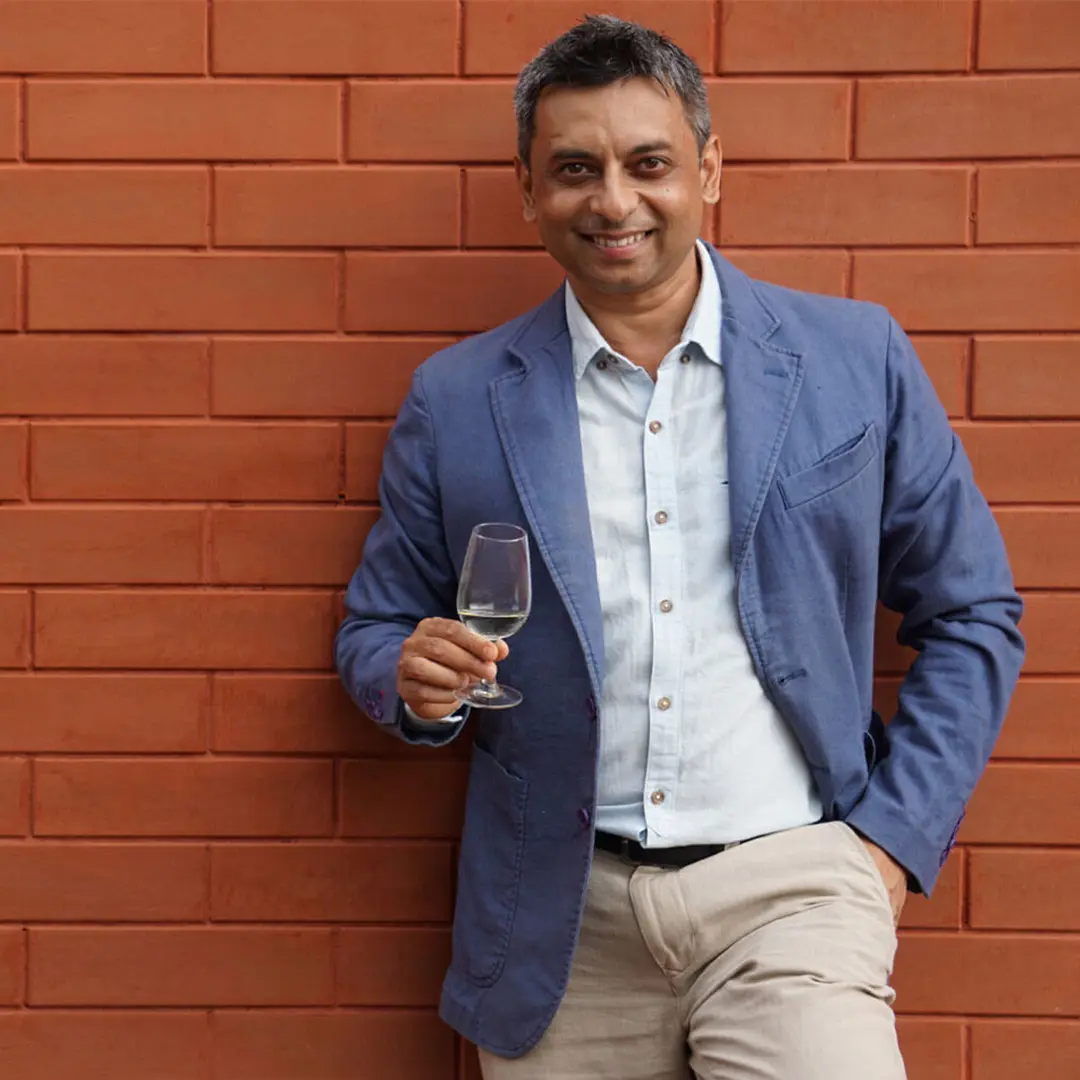
In Scotland, distillers draw from natural springs that anchor their terroir narrative. India’s context is different. “Access to groundwater is limited, so we rely almost entirely on demineralised water, a neutral base on which barley, yeast, and cask influence can truly define the spirit’s character,” says Damodaran.
Dsouza is precise about water’s role at Paul John. The distillery draws from underground water tables in Goa, filtered through the Western Ghats wetlands. The mineral content—calcium and magnesium—influences mash pH, yeast health, and fermentation behaviour, which in turn affects esters and higher alcohols. “Water plays a huge role in production quality,” he says, “but its impact is process-driven, not flavour-forming in a direct sense. What it does give us is a rounded, smooth mouthfeel. Goan coastal water has its own character that shapes the spirit’s texture.” Madan concurs: “The mineral balance subtly shapes the whisky’s character, influencing fermentation and contributing to a smoother, more refined spirit.”
Coastal Goan water and Himalayan aquifer water are chemically distinct. These are not small variables. Yet for all the chemistry and geography, there is one ingredient that no laboratory can measure.
The cultural question of flavour memory
Flavour memory is a less quantifiable dimension of Indian terroir. India is a country of jaggery and cardamom, dried mango and tamarind, coconut toddy and cashew feni. Goa’s centuries-old tradition of fruit-forward fermentation shapes the aesthetic instincts of producers working in that environment.
Dsouza speaks to this directly. Goa’s tradition of spirits like feni, he says, influences flavour thinking rather than whisky technique, building a distiller’s familiarity with fruit-driven aromas, fermentation esters, and more expressive, sometimes funky profiles. “Nothing produced in India would ever taste like something from Scotland,” he says. “Local traditions shape sensory preferences and an openness to bold aromas. The Indian palate’s comfort with spice, sweetness layered over heat, dried fruit and caramelised sugar finds reflection in how an Indian distiller approaches every blending decision.”
The core Rampur flavour profile draws from a tropical fruit base—pear, lychee, and apricot—that segues into soft spices such as cinnamon and clove, with dried fruit depth. Dahanukar adds that Indian consumers tend to prefer whiskies that are expressive yet approachable, with softness on the palate, an insight that directly influences how brands think about balance, texture, and finish.
Real or Marketing?

The critics raise a legitimate point: much of what defines Indian single malt character can be attributed to the mechanics of tropical maturation rather than anything as romantically specific as terroir. Barley grown in Haryana does not taste of Haryana the way a Burgundy wine might carry the limestone of its particular plot.
And yet. The combination of grain structure, water chemistry, regional climate, fermentation character, and cultural flavour philosophy produces something identifiable and real, which cannot be replicated by ageing a Scottish new-make in a hot warehouse and calling it Indian.
As Damodaran puts it: “When we set out to create Godawan, the idea was to make Indian terroir truly shine. Rajasthan may be devoid of abundant water and lush green terroir typically associated with single malt, but it is rich in craftsmanship, an age-old distillation legacy, and the resilience of its land and people. Whether it’s through cask choices or finishing techniques, the intent is always to ensure that the flavours feel intrinsically part of the spirit, not added on.”
Dsouza frames it in the language of chemistry but arrives at the same place: “Tropical maturation amplifies key wood-driven compounds in a measurable way. Higher temperatures accelerate diffusion and chemical reactions in the cask, increasing extraction of vanillin, oak lactones, and hemicellulose-derived sugars yielding toffee and caramel notes. Faster oxidation and esterification boost fruity esters and soft spice. This creates a recognisable Indian profile: intense vanilla-coconut sweetness, ripe tropical fruit esters, and integrated spice at younger ages. It’s driven by accelerated cask chemistry, but that chemistry belongs to this land.”
Dahanukar’s vision of Seven Islands suggests that Indian terroir may not be confined to a single geography at all but emerges from the convergence of multiple influences. Coastal, desert, plateau, Himalayan—each landscape leaves its mark. The whisky, it turns out, is a map.
You may also read: These green dial luxury watches deserve a spot in your wishlist