Turning back the clock on your face

By Dr. Geeta Grewal, Cosmetic Surgeon & Founder, 9 Muses Wellness Clinic
Every week, patients sit across from me and ask some version of the same question: why do I look older than I feel? The answer, almost always, is the same. They have been waiting for wrinkles to appear before doing anything about them. In aesthetic medicine, that is the equivalent of waiting for a heart attack before thinking about your diet.
The science of skin longevity has changed the game entirely. We now understand that ageing is something that accumulates inside the face, at the cellular level, years before it becomes visible. And that changes everything about when and how to intervene.
The Face Ages in Layers, All at Once
Most people think of facial ageing as a skin problem. It is actually a structural problem happening simultaneously across four layers: the skin, the fat, the ligaments, and the bone.
The fat pads in the face (and yes, there are distinct compartments, not one continuous layer) deflate and slide downward with time. The ligaments that hold everything in position gradually loosen. The bone underneath quietly resorbs. The skin, meanwhile, loses collagen and elasticity. By the time a line etches itself permanently onto your face, a 2025 systematic review confirms that the collagen network in that exact area has already been substantially compromised. The wrinkle is the last event in a long sequence, not the first sign of trouble.
Which is precisely why the most intelligent approach to your face is a preventive one.

Preventive Botulinum Toxin: Starting Before the Lines Do
Botox has a reputation problem. People associate it with frozen foreheads and expressions that never quite land. The clinical science tells a different story entirely.
A 2025 systematic review across multiple clinical trials found that early botulinum toxin application reduces muscle hyperactivity, delays the formation of expression lines, and minimises the development of permanent static lines over time. Histological studies in the same review found evidence of dermal collagen remodelling, meaning the toxin is doing something meaningful to the tissue quality of the skin above the muscle, well before any visible ageing has set in.
The key word in all of this is dosing. An evidence-based review in the Journal of Cosmetic Dermatology (2023) confirmed that younger patients receive significantly fewer units than older ones. The goal is reducing the repetitive mechanical stress that eventually breaks down collagen, with full expression preserved. The frozen look is the result of too much product, in the wrong hands. Which leads directly to the most important paragraph in this piece.
Why the Hands Matter More Than What Is in the Syringe
The rise of aesthetic injectables has given patients access to extraordinary treatments. It has also produced a marketplace where the barrier to administering them is, in some settings, dangerously low.
A comprehensive literature review identified 233 documented cases of filler-induced visual loss globally, with 172 patients sustaining severe, lasting impairment in at least one eye. A meta-analysis in the Journal of Clinical and Aesthetic Dermatology found that across 93 vascular complication cases, 61% resulted in blindness, and of those, 72% showed no recovery.
The reason is anatomy. The face is served by a network of vessels that connect the external circulation directly to the arteries supplying the eye and brain. When filler enters one of these vessels, the consequences can include skin death, stroke, or permanent blindness. A surgeon trained in facial anatomy understands these danger zones through years of hands-on dissection and clinical procedure, and knows what a vascular event looks like in the first sixty seconds when it is still treatable. That knowledge is the literal difference between a complication managed and a disability acquired.

Biostimulators: The Treatment That Makes Your Skin Do the Work
Standard hyaluronic acid fillers are excellent tools. They add volume, look natural, and dissolve cleanly. Think of them as a short-term loan: useful, temporary, and requiring renewal.
Biostimulators are a different category. Poly-L-lactic acid (Sculptra, in clinical use since 1999) and calcium hydroxylapatite (Radiesse, FDA-approved since 2006) work by triggering your body’s own fibroblasts to produce new collagen and elastin. The results build gradually over six to twelve weeks, look completely natural, and last significantly longer than standard fillers. Radiesse, when hyperdiluted with saline, can also be used across larger surface areas like the neck and décolletage to address skin laxity specifically.
For someone in their late thirties or early forties with early deflation and beginning laxity, biostimulation is the intelligent first move. The goal is replenishing the collagen bank before the deficit becomes visible on the surface.
PDRN: The Regenerative Injectable You Have Likely Never Heard Of
Polydeoxyribonucleotide (PDRN) is derived from salmon DNA and works by activating a receptor in human tissue called the adenosine A2A receptor. That activation sets off a chain of regenerative events: new cell growth, collagen and elastin synthesis, improved blood vessel formation, and reduced inflammation. In vitro studies show PDRN increases human dermal fibroblast viability by approximately 25% compared to control groups.
In clinical practice, a Korean Phase III split-face randomised controlled trial showed significant improvements in skin elasticity and texture after PDRN injections. A 2024 periocular study found superior results in hydration and elasticity compared to hyaluronic acid. PDRN restores the biological machinery that makes the skin repair itself, which is what makes it the most genuinely regenerative injectable currently available.
It is also the one most dependent on the precision of the person administering it. Placement depth, spacing, volume per injection point: all of it determines whether the result is genuine regeneration or localised inflammation. This is a treatment that requires surgical understanding, not just training.
What a Longevity Protocol Actually Looks Like
Assembled correctly, preventive aesthetic medicine at thirty-five looks like this.
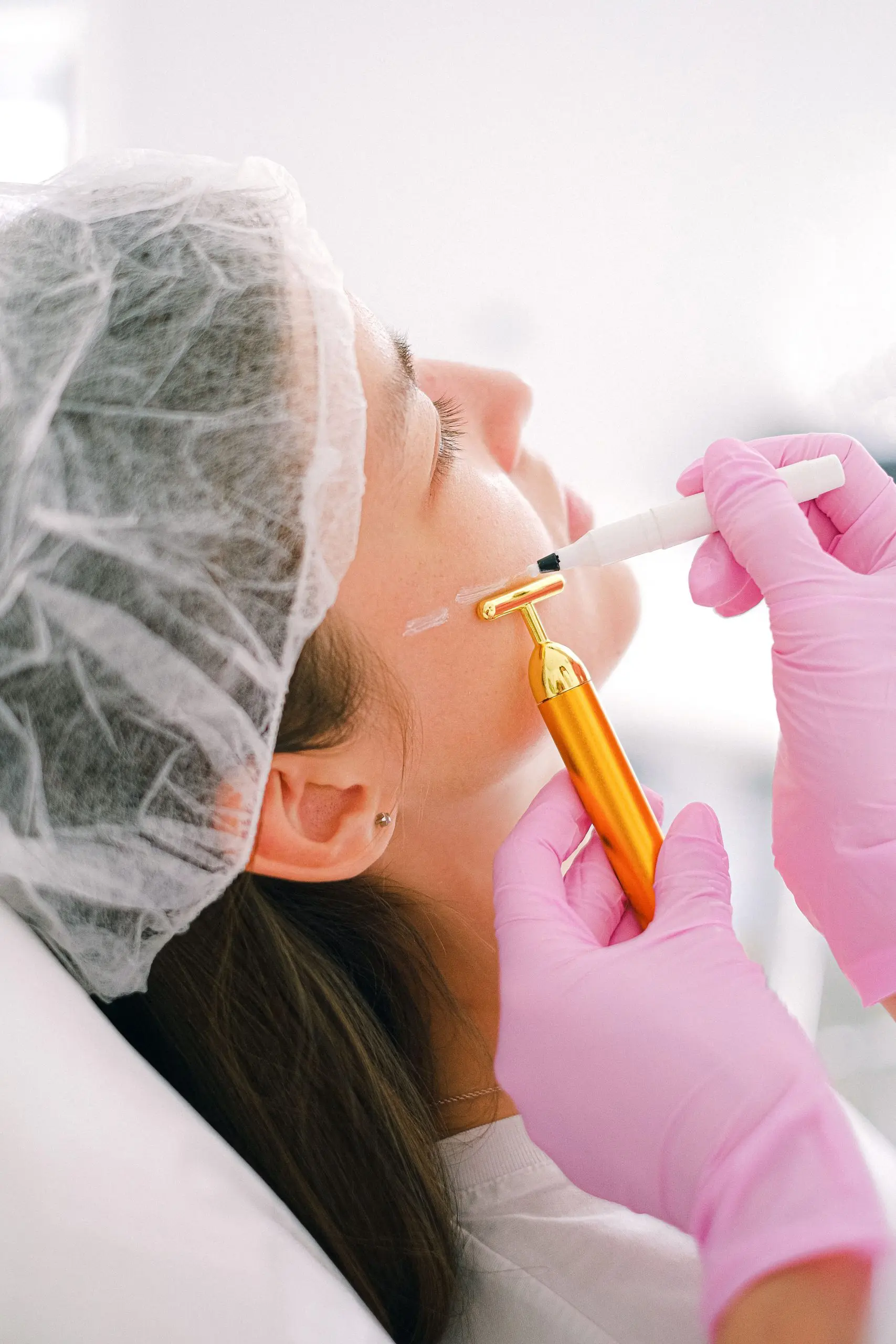
Botulinum toxin, used conservatively, reduces the repetitive muscular stress that will otherwise engrave lines into the dermis over the next decade. A biostimulator begins restoring collagen architecture in areas where fat compartments are thinning. PDRN, across three to four monthly sessions then maintained, keeps the regenerative processes in the skin continuously active.
The result is a face that ages, but ages well. Slowly. With structural integrity intact. Done correctly, it is entirely invisible. People simply notice that you look well.
What the Science Still Cannot Confirm
Intellectual honesty requires this section.
Long-term randomised trial data specifically on preventive botulinum toxin in patients under forty remains limited. PDRN’s clinical evidence base, while growing and directionally consistent, is smaller in scale than for more established injectables. Biostimulator protocols for younger patients are still being refined through clinical experience rather than large trials.
The evidence across all three is sufficient to practise from, with the right patient, the right dosing, and the right transparency. The frontier of longevity medicine rewards precision and honesty in equal measure.
Even if, occasionally, it surprises you with what it finds.