Master Chef Raymond Wong wants you to rethink luxury dining
- Featured Food & Beverage
 Yashita Damani
- 10 minutes read

“Luxury fine dining is no longer about lavish ingredient stacking. It is about authenticity, balance, emotional connection and memorable experiences.” Master Chef Raymond Wong
For Master Chef Raymond Wong, the essence of Cantonese cuisine has never changed. Across more than three decades and kitchens in 10 countries, his unwavering commitment to Wok Hei, the “breath of the wok”, and respect for the natural integrity of ingredients have remained at the heart of his cooking. What has evolved, however, is the way he tells that story, adapting techniques, presentation and the dining experience for increasingly global and well travelled audiences without compromising authenticity.
Ahead of his latest showcase at Yauatcha Bengaluru, LuxeBook caught up with the celebrated chef to discuss the future of luxury dining, India’s increasingly sophisticated palate and why authenticity never goes out of style. Master Chef Raymond Wong shares how three decades across 10 countries have shaped his philosophy of Cantonese cuisine, why Wok Hei remains sacred and how luxury dining is evolving at Yauatcha India.
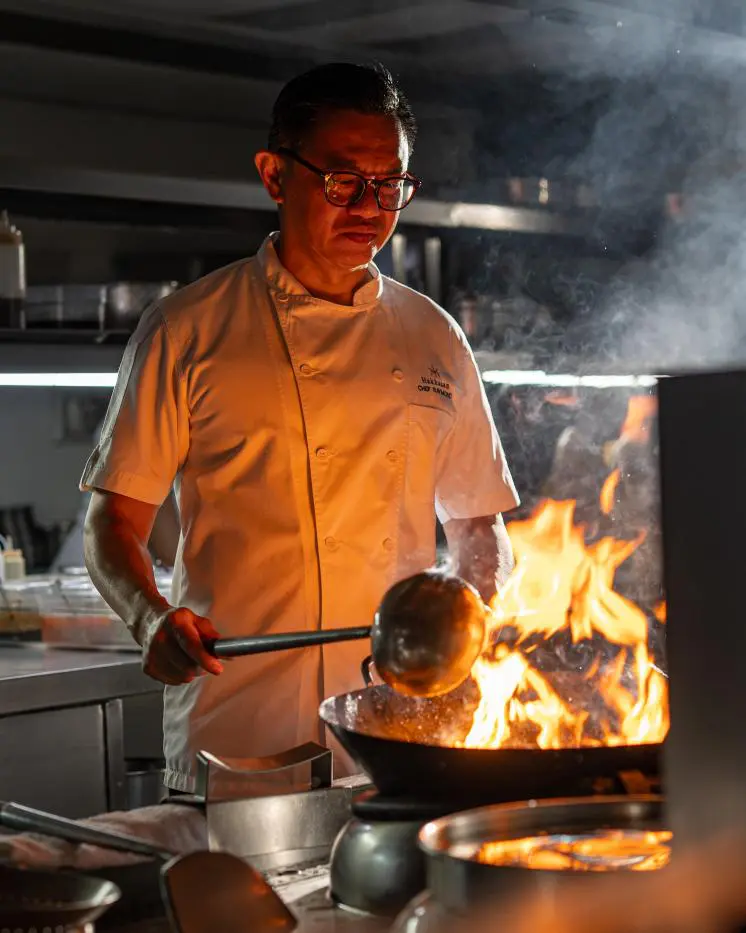
LuxeBook: After more than three decades in kitchens across 10 countries, what has remained constant in your approach to cooking, and what has changed the most?
Master Chef Raymond Wong: For me, what has remained constant is my commitment to Wok Hei — the “breath of the wok” and absolute respect for the natural integrity of raw ingredients. Mastery over heat and timing is the true soul of traditional Cantonese cuisine and that fundamental core has never wavered.
What has changed the most is my approach to culinary storytelling. Early in my career, the focus was purely on traditional execution. Working across 10 countries taught me how to adapt techniques, refine presentation and communicate Cantonese culinary heritage to diverse, international palates without compromising its essence.
LuxeBook: Luxury today is increasingly defined by experience rather than extravagance. How has that shift influenced the way you think about Cantonese fine dining?
Master Chef Raymond Wong: Luxury fine dining is no longer about lavish ingredient stacking or excessive opulence; it is about authenticity, balance, emotional connection and memorable experiences. In Cantonese gastronomy, this shift reinforces our focus on subtle elegance: pristine seasonal sourcing, refined knife skills, impeccable timing and artful, modern plating. Guests are seeking light, well-balanced and soul-satisfying meals that leave a lasting impression rather than feeling heavy.
LuxeBook: Cantonese cuisine is built on restraint and respect for ingredients. How do you preserve that authenticity while keeping menus relevant for modern, global diners?
Master Chef Raymond Wong: The secret lies in preserving the core soul while modernising the expression. We preserve the foundational broths, traditional wok techniques and core flavor profiles. However, we adjust oil and seasoning levels to suit modern wellness preferences and leverage contemporary garnishing tools and plating aesthetics. This keeps the dish visually captivating for global diners while delivering authentic, time-honored Cantonese flavours.
LuxeBook: Having worked across diverse culinary cultures, what differences have you observed in the way Indian diners approach premium dining today compared to a decade ago?
Master Chef Raymond Wong: A decade ago, premium dining in India leaned towards familiar comfort zones and traditional flavour profiles.
Today, Indian diners are exceptionally well-travelled, culinary-literate and open to exploration. They possess a deep appreciation for ingredients, artisanal techniques and refined vegetarian/vegan offerings. They do not just come to dine; they look for an immersive gastronomic journey and an authentic cultural narrative.
LuxeBook: Are there any Indian ingredients or regional flavours that have inspired your cooking or found a place in your culinary repertoire?
Master Chef Raymond Wong: Absolutely. I have immense respect for the art of spice mastery in Indian culinary culture. While Cantonese cuisine emphasises natural flavours, I have incorporated subtle local nuances such as utilising high-quality local produce, native mushrooms and mild, aromatic spices like Kashmiri chilli to build layered warmth in select signature dishes (for example, balancing Szechuan pepper with Kashmiri chilli for a vibrant yet smooth heat profile).
LuxeBook: As Head Chef of both Hakkasan and Yauatcha India, how do you ensure each brand retains its distinct identity while delivering a consistently world-class experience?
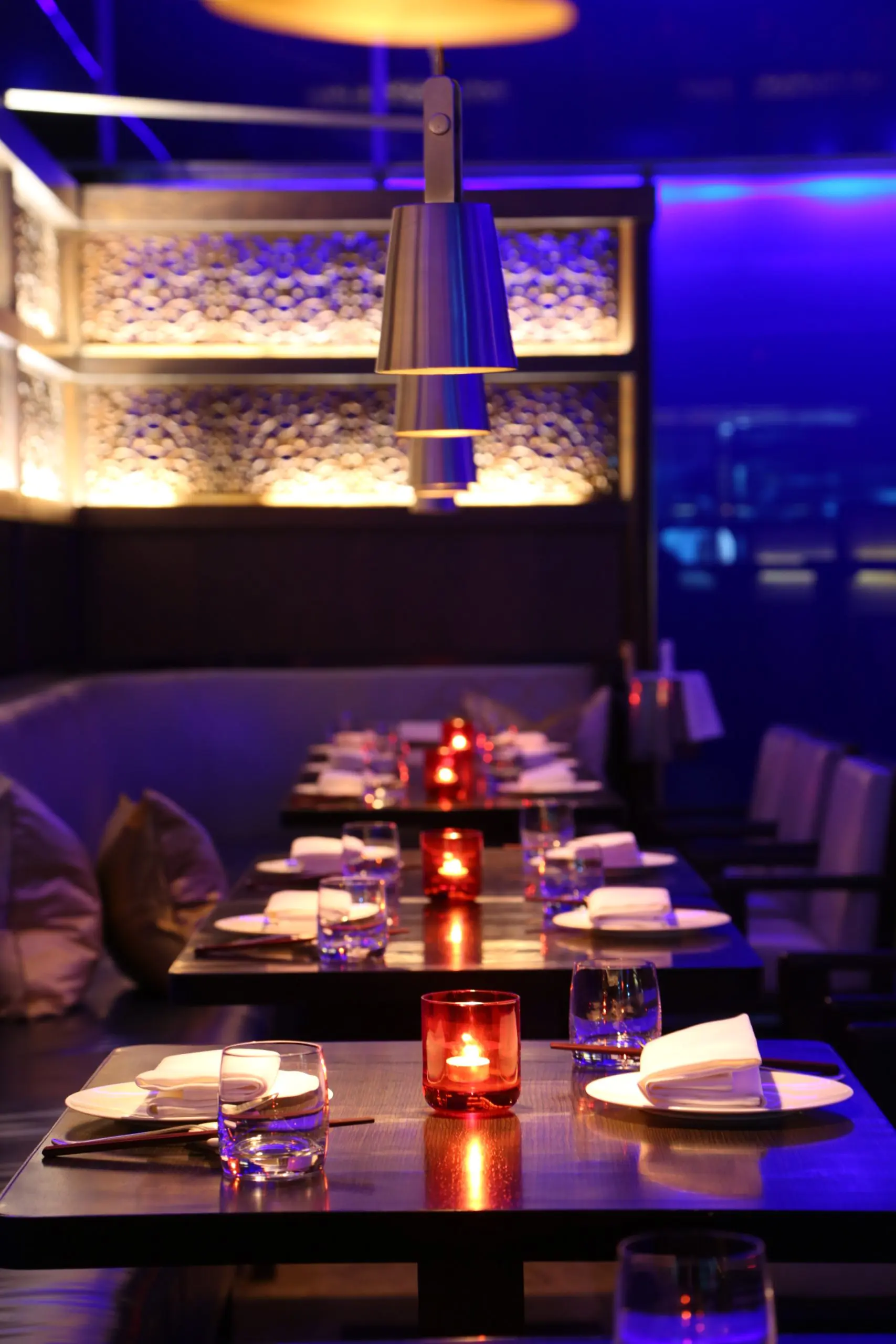
Master Chef Raymond Wong: It requires distinct brand positioning backed by strict operational discipline. Hakkasan embodies modern luxury and cinematic elegance, where theatrical ambiance and high-end gastronomy seamlessly meet.
Yauatcha represents a modern-day dim sum tea house, focusing on social dining, innovative mixology, contemporary dim sum craftsmanship and delicate patisserie.
LuxeBook: From ingredient sourcing to evolving guest expectations, what do you see as the biggest opportunities and challenges facing luxury restaurants in India today?
Master Chef Raymond Wong: Maintaining absolute consistency and supply chain reliability for specialised, high-grade imported produce and ingredients can be a challenge at times. While the opportunity lies in capitalising on the booming appetite for high-end dining. The rapidly growing demographic of discerning food enthusiasts in India creates immense potential for brands that deliver world-class quality, innovation and authentic dining experiences.
LuxeBook: With trends constantly reshaping the restaurant industry, which global movements do you believe will have the biggest impact on the future of fine dining over the next few years?
Master Chef Raymond Wong: Sustainability and conscious sourcing. Guests increasingly care about their carbon footprint, ethical sourcing and ingredient origins. Together with a focus on wellness-driven gastronomy, cleaner, lighter cooking styles with elevated plant-forward and vegetarian creations are becoming central to fine dining menus. Additionally, multi-sensory and narrative dining are also gaining momentum. Guests now seek comprehensive dining experiences where lighting, service, presentation and culinary heritage merge into a single story.
LuxeBook: As someone who has mentored chefs across different markets, what qualities do you believe define the next generation of great culinary talent?
Master Chef Raymond Wong: Mastery of fundamentals: You cannot innovate without a solid technical foundation. Respect for basic kitchen discipline is essential. Adaptability and intellectual curiosity: The willingness to step out of one’s comfort zone and embrace different food cultures and modern technologies. Pragmatic leadership and resilience: Great cooking requires passion, but building a sustainable culinary career requires mental resilience, extreme operational efficiency and teamwork.
LuxeBook: If you had to describe your culinary philosophy in a single dish, what would it be, and why?
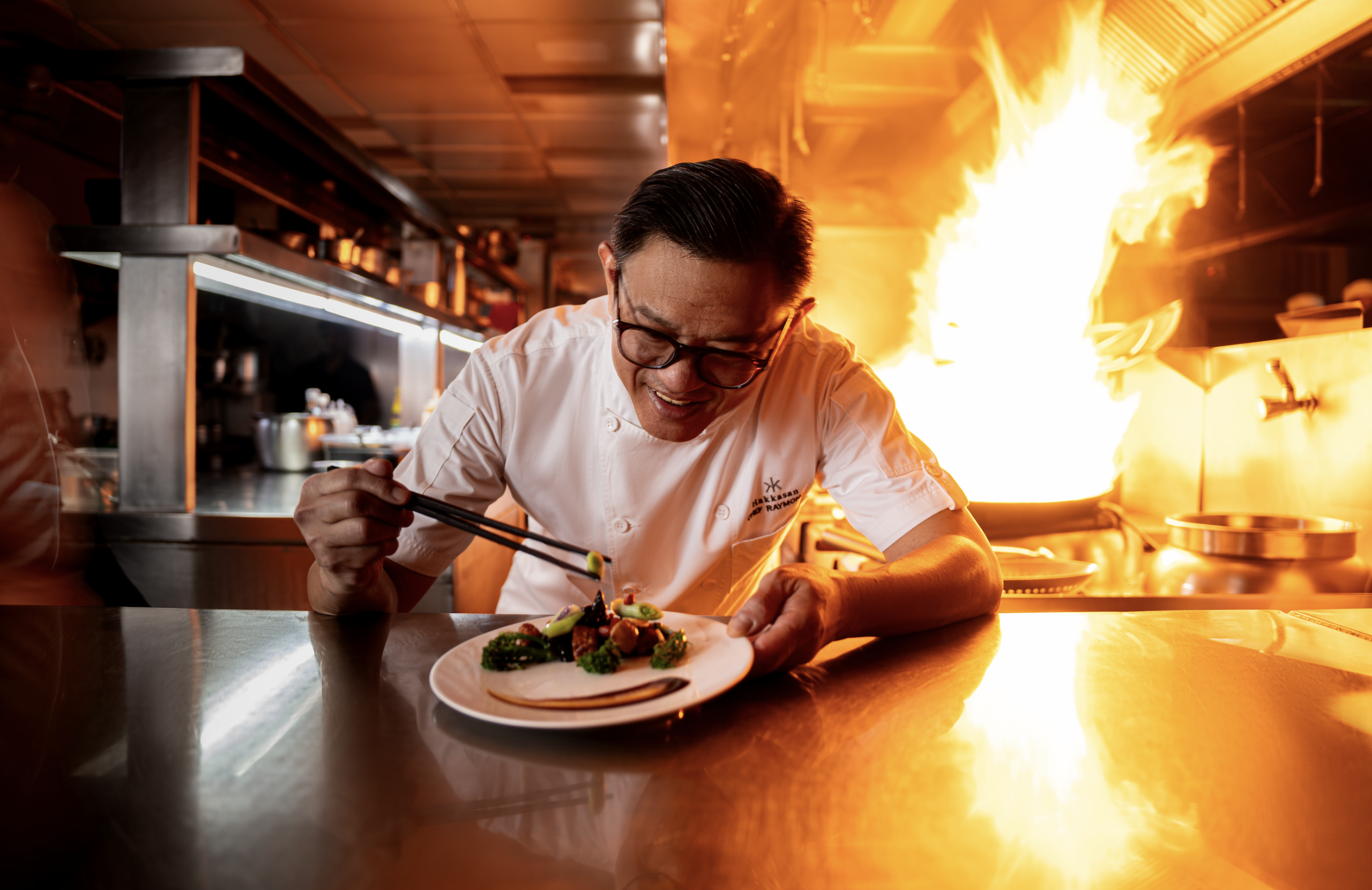
Master Chef Raymond Wong: I would pick the Twice cooked pork belly with celery in toban sauce. The traditional way of cooking the pork is common across Asian countries, it’s also a festive dish that is on the menu in Chinese households. Like my culinary philosophy, the approach used is traditional and the result is innovative with varying flavours sweet, spicy or sweet and sour.
You may also read: Luxury dispatch: The Macallan, Oakley, Givenchy and Tod’s lead