In conversation with Maserati’s Klaus Busse on the art of restraint
- Automobile Featured
 Yashita Damani
- 10 minutes read

What happens when a car has nothing left to prove? It stops adding things. No oversized wings for drama, no decorative details for the sake of looking fast, no technology screaming for attention. For Maserati’s Head of Design Klaus Busse, restraint is not the absence of ambition, but the harder design choice: making engineering disappear into beauty.
With more than a decade spent shaping the marque’s visual language across the MC20, GranTurismo, GranCabrio and Fuoriserie, Busse looks at luxury through a distinctly Italian lens, where proportion, provenance, craft and personal expression matter more than spectacle. From the sculptural MCPURA to bespoke commissions and the Folgore electric range, his philosophy comes down to what might be the most sophisticated flex of all: knowing exactly what to leave out.
LuxeBook: Maserati design often feels powerful without being loud. How do you create a sense of luxury through control and restraint?
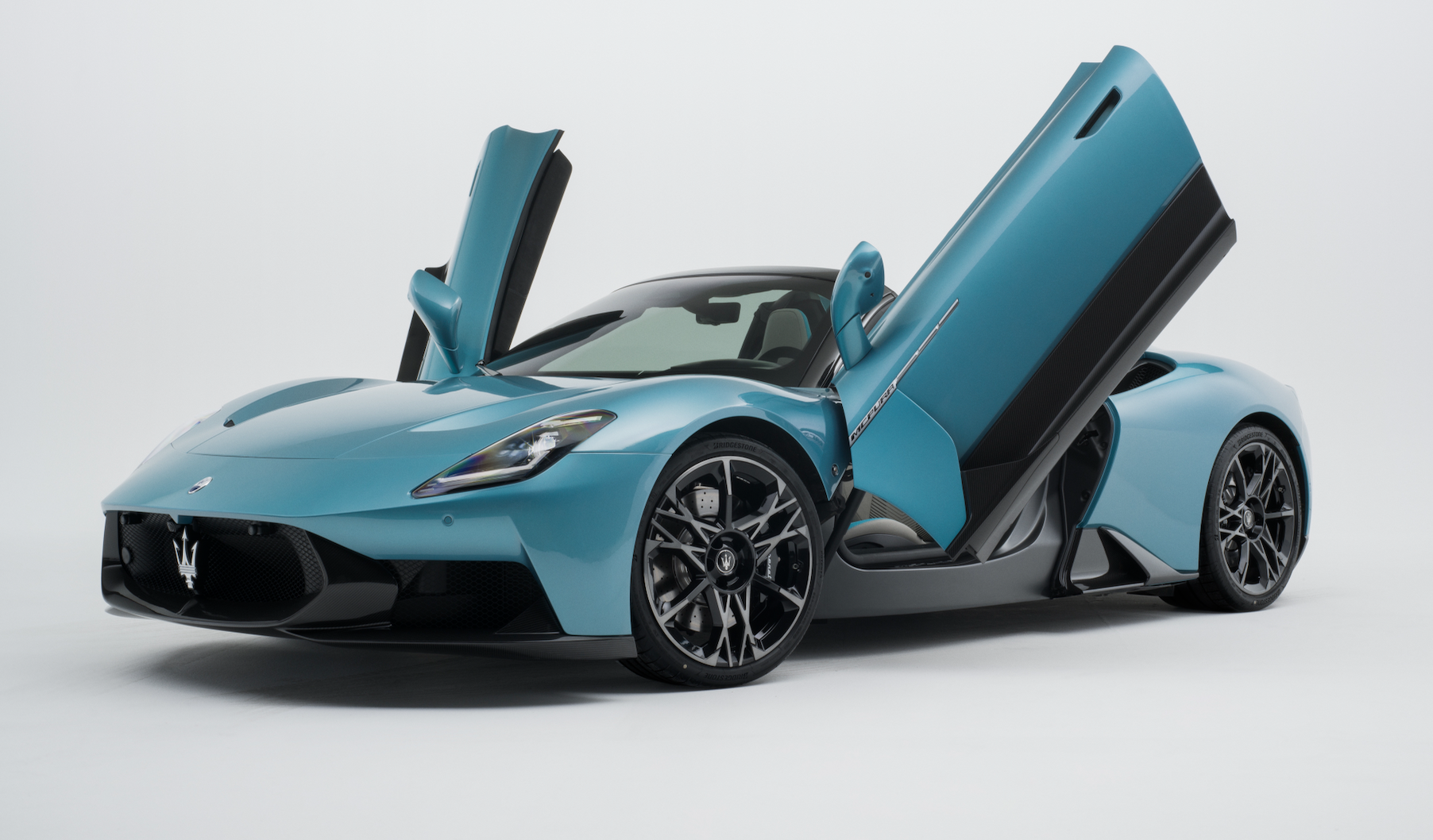
Klaus Busse: There are three elements that consistently define Maserati design: proportion, provenance and presence. Proportion, created fundamentally by the chassis and engineering required to make the car drive dynamically. Great proportions allow us to create clean, beautiful design with a sense of Italian effortlessness. This reflects our provenance: we come from Italy and that gives us a very specific sense of style. When that effortless design is combined with the performance beneath it, the car gains an irresistible presence. The Trident adds its own symbolic power, but the overall impression remains powerful, restrained, and elegant.
LuxeBook: When you begin designing a new Maserati, what comes first: emotion, proportion, or performance?
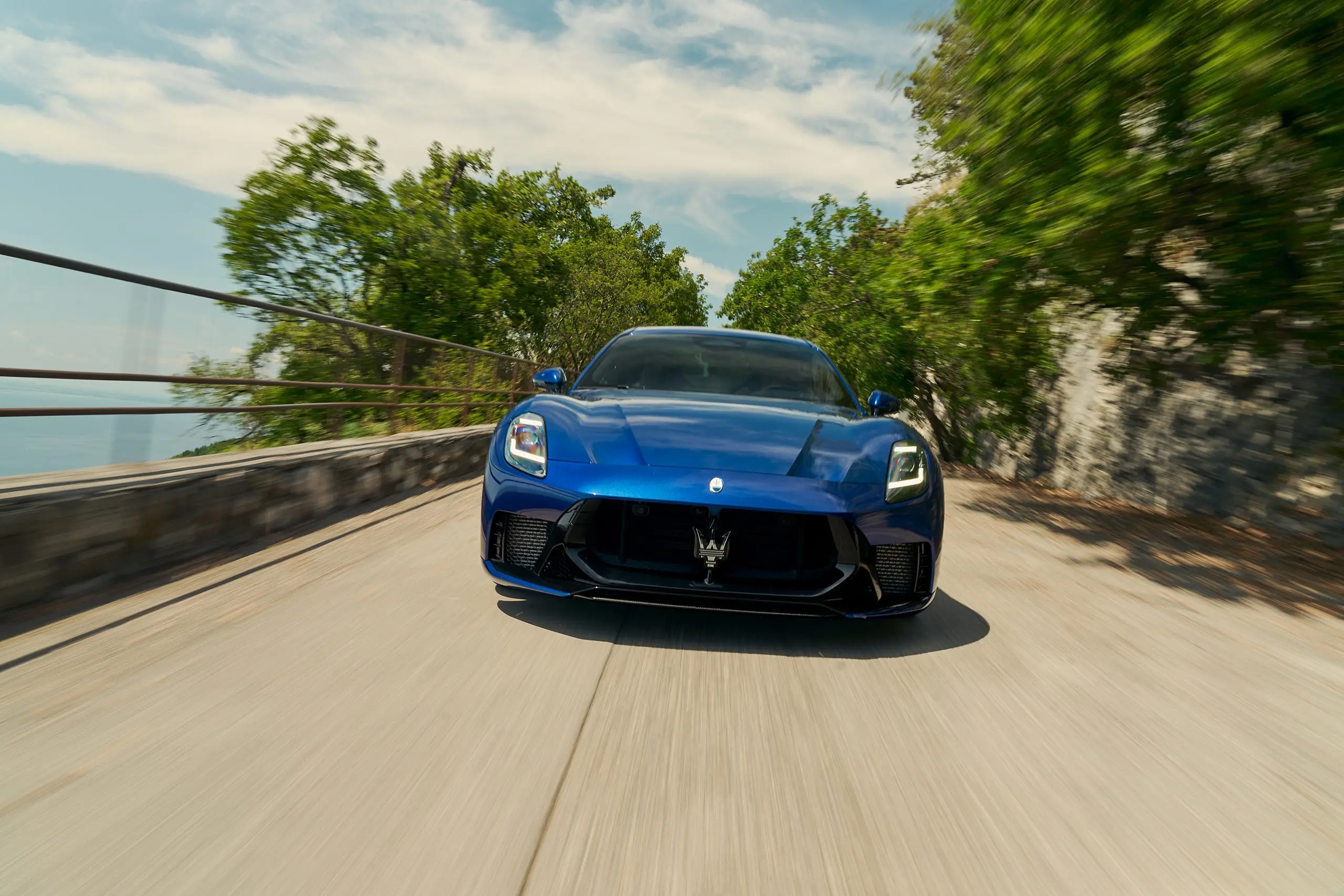
Klaus Busse: What comes first is a strong philosophy. We begin by understanding two things: what society demands and what technology allows. Society changes in how it perceives luxury, including the shift from flashy signals towards restraint. Technology also evolves, and we use it to improve the car while reducing its visible intrusion. From there, we translate that understanding into each model. The MCPURA is a clear example: rather than relying on aggressive wings and large air intakes, we worked with engineering to create an elegant rolling sculpture in which much of the functional technology is almost invisible.
LuxeBook: The Maserati MC20 is admired for its clean, sculptural form. What was the guiding design philosophy behind it and behind the MCPURA?
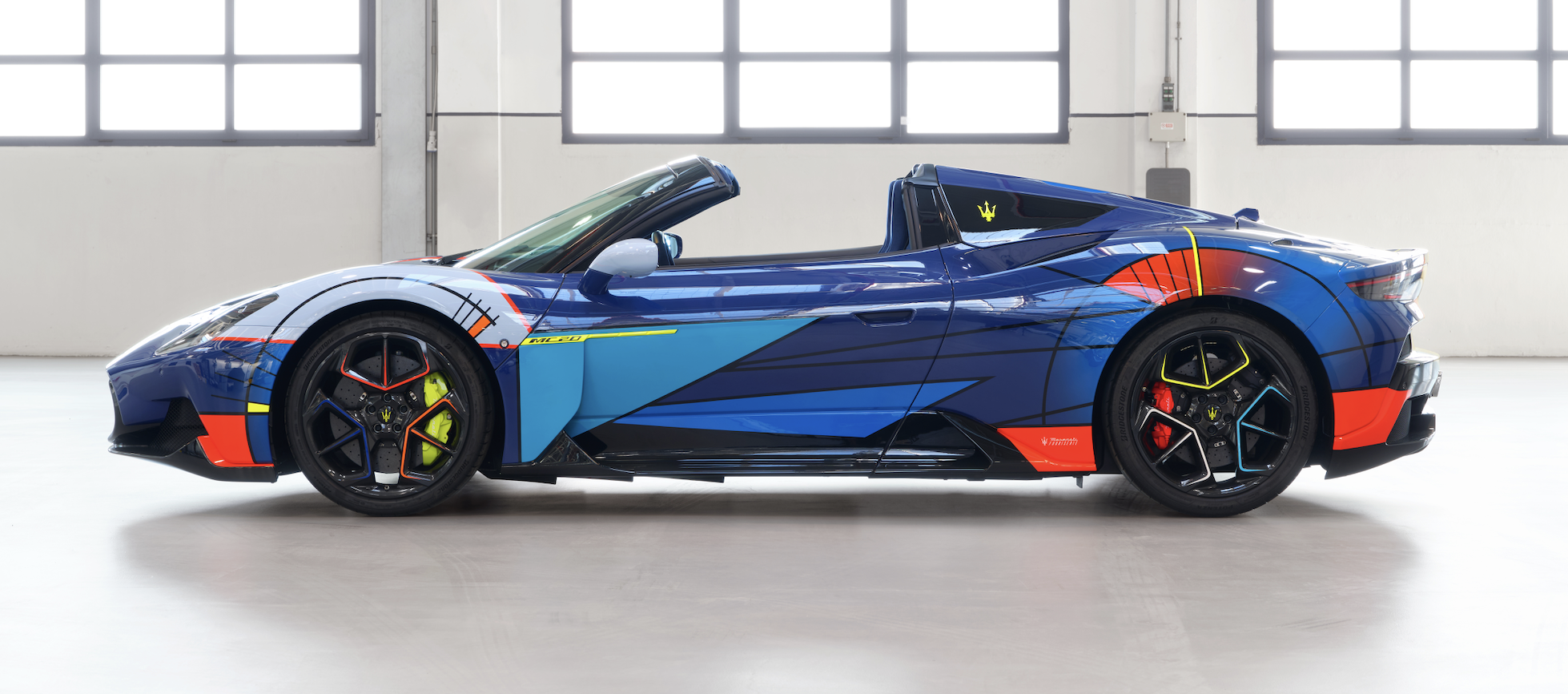
Klaus Busse: The guiding idea is the collaboration between Italian style and engineering from Modena. The upper part of the car is a clean rolling sculpture, while the lower carbon-fibre areas express pure performance. The car does not need an added wing because the body itself performs as a wing. Design and engineering supported one another: engineering enabled the clean sculpture, and design accommodated everything required for performance. Where those elements meet, particularly at the front, the car becomes a visual statement of Maserati’s balance of beauty and technical purpose. That approach also makes the car inviting rather than intimidating, consistent with Maserati’s broader GranTurismo philosophy of combining track capability with everyday accessibility.
LuxeBook: Maserati has more than 100-year visual language. How do you evolve that heritage without letting it become nostalgia?
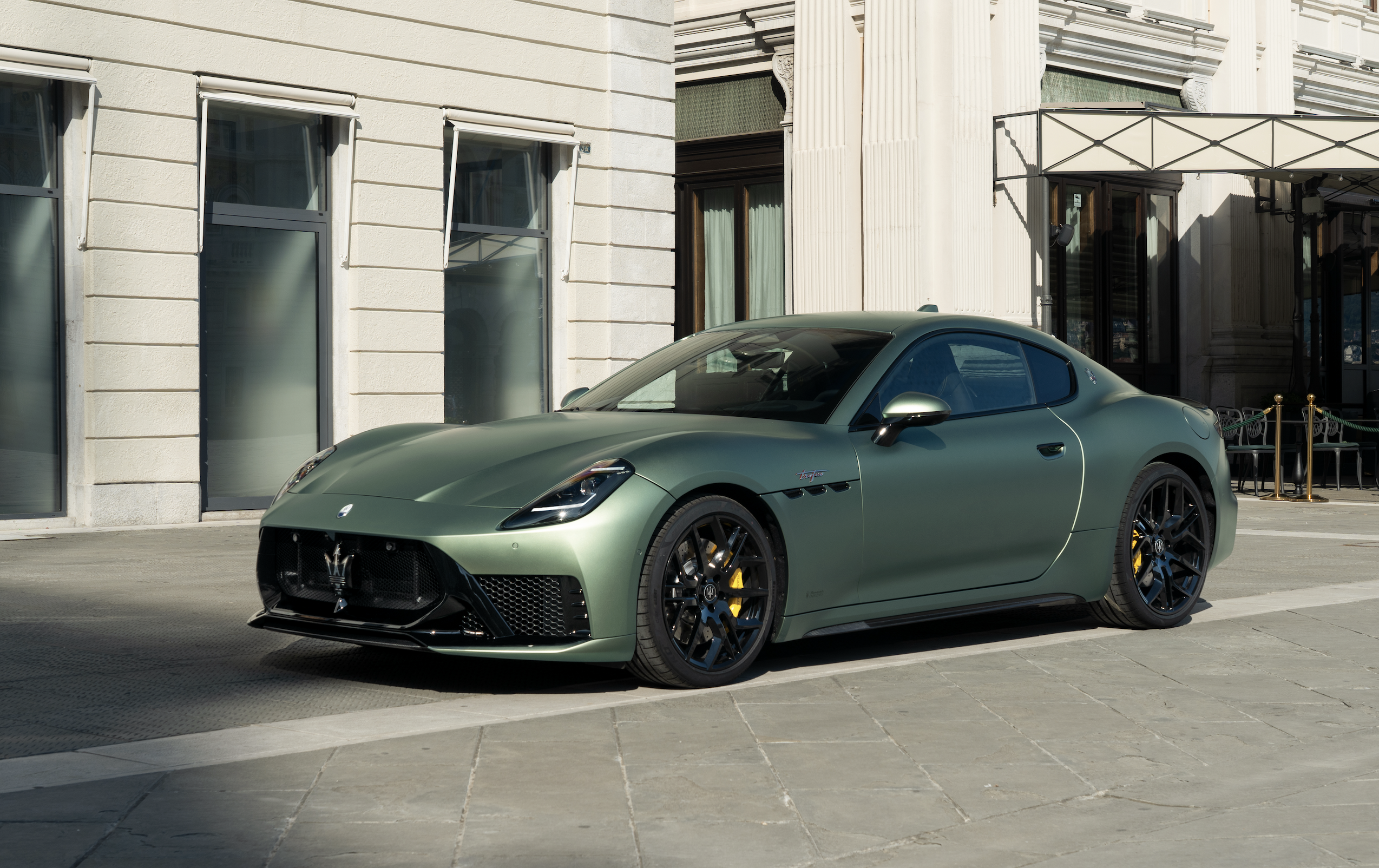
Klaus Busse: Maserati’s heritage is rooted in innovation and modernity. The brand was born in racing, and success in racing demands constant innovation. At the same time, Maserati represents the emotional territory of Italy: beauty, hospitality, and a human, sensual approach to form. We bring those two worlds together as ’emotional modernity.’ This allows us to evolve the brand through new technology and contemporary design while retaining the emotion and GranTurismo character that define Maserati. Heritage therefore acts as a mandate to move forward, rather than a reason to reproduce the past.
LuxeBook: Today’s luxury buyers, especially in India, are increasingly design literate. How is that changing the way you approach bespoke programmes like Maserati Fuoriserie?
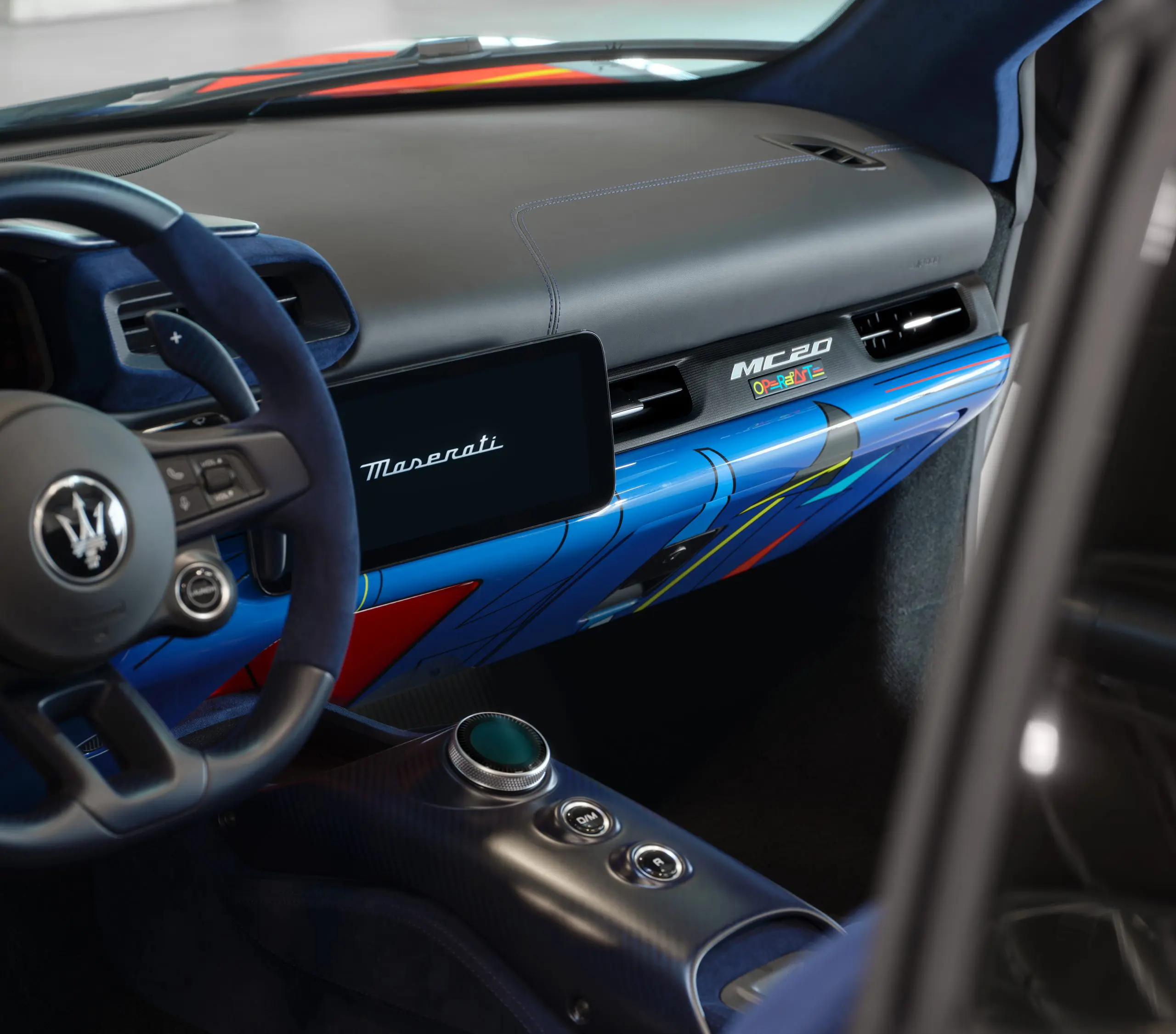
Klaus Busse: Maserati Fuoriserie Customization Programme allows customers anywhere in the world to make a Maserati their own at several levels. They can begin with non-standard configurations online, work with a dealer to select colours and materials, or undertake a fully one-to-one commission with the design team in Modena. At the highest level, the process starts with learning about the client’s life, interests, and personal expression, then translating that understanding into sketches, samples, and proposals. The journey can take weeks or months and, in one case, lasted a year. The objective is not to dictate a fashionable luxury colour. It is to help the customer express who they are. Maserati’s clean Italian forms provide a strong canvas for that freedom without becoming visually excessive.
LuxeBook: Italian design is deeply rooted in craft and materials. Do you see parallels with India’s own craft traditions influencing future Maserati commissions?
Klaus Busse: Maserati’s core portfolio represents Italian excellence and italianità, including collaborations with Italian brands such as Giorgetti, Acqua di Parma, and Sonus Faber. Maserati Fuoriserie also gives an Italian object a personal or local expression, as demonstrated by commissions involving clients and collaborators from the United States, the United Kingdom, and Japan. I would welcome the opportunity to work directly with an Indian client on a commission that respects their individual needs and desires and, where meaningful to them, incorporates Indian design elements or cultural references. The owner must remain at the center of the process.
LuxeBook: Electrification with cars like the Maserati Folgore product range opens new possibilities. How does designing an electric Maserati change the creative canvas?
Klaus Busse: It does not fundamentally change the creative canvas because Maserati does not treat electric and combustion models as separate design line-ups. We design a Maserati first, then offer the powertrain that suits the customer’s lifestyle. In the GranTurismo and GranCabrio, the electric battery layout avoids a conventional flat pack under the seats. The batteries are positioned to keep the seats low and the weight within the car, preserving the silhouette, proportions and handling character. Apart from small differences in cooling requirements, the electric and combustion versions remain almost identical in design. Whichever powertrain the customer chooses, the aim is the same: an elegant, high-performance Italian GranTurismo.
LuxeBook: If you had to define modern luxury design in three words, what would they be?
Klaus Busse: I would choose two: emotional modernity. ‘Emotional’ reflects the need for products and interactions that connect with people. ‘Modernity’ means embracing technology to improve experience and functionality, without using technology for its own sake. At Maserati, this means avoiding fake exhausts, air intakes, or wings and using engineering to create purer objects without unnecessary distraction.
You may also read: Sabyasachi returns to NYFW with denim, drama and Byzantine Jewels