The women reshaping Indian gin

By: N Deepali
There is no simple way to answer the question: who was the first woman in the world of gin making? The earliest women in gin’s evolution from a ‘woman’s drink’ to a modern-day spirit to reckon with were largely anonymous. Women who headed home kitchens in the era when gin became the dominant spirit in England were among the first to infuse home-distilled gins with fruit, developing recipes passed down through generations. Sloe gin is largely a female invention, the ever-crafty British country woman soaking part of the annual harvest of the berries in, well, gin.
Among the early pioneers were women who never managed distilleries but shaped the category from the outside. Princess Mary of Orange (1631–1660) is credited with helping popularise genever in England. Queen Anne (early 1700s) cancelled the charter contract imposed by Charles I, enabling distillation rights across Westminster and London, a move that unleashed cheap, powerful gin production by small unlicensed distilleries across the country.
The modern craft gin story has a more specific origin point. In 1999, Lesley Gracie, a senior member of the William Grant & Sons technical team, was tasked with creating a new gin using two antique stills with more depth and character than anything then on the market. Eight months of distilling and blending later, she produced a gin that reflected the essence of an English country garden. That gin is now Hendrick’s. Gracie is widely credited with igniting what the industry calls the ‘ginaissance’—the first to break the mould of heavy, juniper-laden spirits and prove that gin could be something else entirely.
Almost two decades on, Indian women are writing their own chapter of that story by building craft gin brands from scratch in a market that is highly regulated, deeply whisky-loyal, and not set up for new entrants, particularly women.
A journey of discovery and adventure
Most of them will tell you they arrived here through curiosity rather than calculation. Sakshi Saigal, Co-Founder, Third Eye Distillery and Stranger & Sons, was pursuing her MBA in Barcelona in 2013 when Europe was in the grip of a gin boom. What absorbed her wasn’t the category itself so much as the stories it could tell, of provenance, experimentation, and a distinct sense of place. Back home, she noticed a contradiction that would eventually pull her into distilling: brands around the world were drawing on Indian botanicals without actually being made in India. “Everywhere we looked, India was contributing ingredients, stories, and inspiration to the global gin conversation, yet there wasn’t a premium Indian gin leading it.”

Aparajita Ninan, Co-founder and Creative Head, Nao Spirits & Beverages, came in via a simpler route: the love for gin. “The first time I had a proper gin and tonic, with good juniper and nothing artificial, it felt fresh and clean in a way that nothing else did. There’s a lightness to it, it doesn’t weigh you down, and it works in any season. That taste was the first hook.” By 2016, when Nao Spirits was taking shape, the bar scene in Indian cities was evolving faster than the supply could keep up with. “If you wanted something decent, you were paying import prices for a foreign label. If you wanted something affordable, you were drinking something that was distinctly synthetic. There was nothing in between, and certainly nothing Indian. Meanwhile, India had everything it needed: coriander seeds, ginger, lemongrass, Gondhoraj lime, wild juniper growing in the Himalayas. These weren’t exotic sourcing discoveries. They were sitting in our kitchens and our mountains. The gap between what existed and what was clearly possible stopped feeling like an opportunity and started feeling like an oversight.”
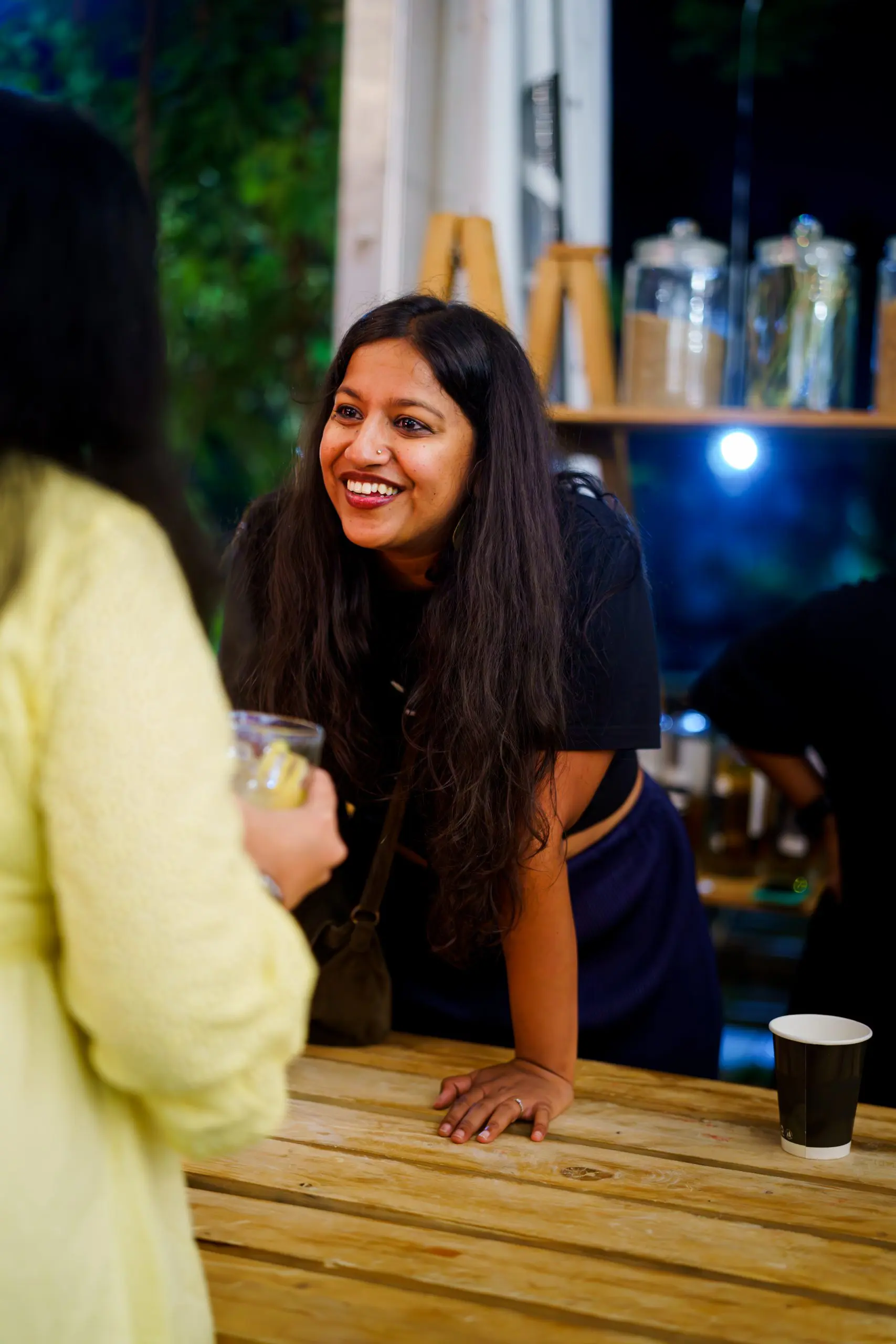
For Vaniitha Jaiin, Co-founder, Revelry Distillery and Vanaha Gin, the impulse was slower-burning and more deliberate. Years before Vanaha launched, she was travelling across vineyards and distilleries, studying wines and spirits, growing restless with advising brands from the outside. The name itself arrived during a month spent living inside a forest community in Auroville, Pondicherry, in 2017. “That experience gave me the word and the emotion behind it.” The ambition from the outset was not to make a gin but to build an Indian craft spirits company, with product, process and provenance at its core, and nothing artificial anywhere near the bottle. “I was drawn to gin because it allows for a rare kind of creativity. As I travelled, I felt India deserved a gin that did not imitate the world, but stood alongside it with confidence, rooted in our botanicals, our forests and our way of seeing craft.”
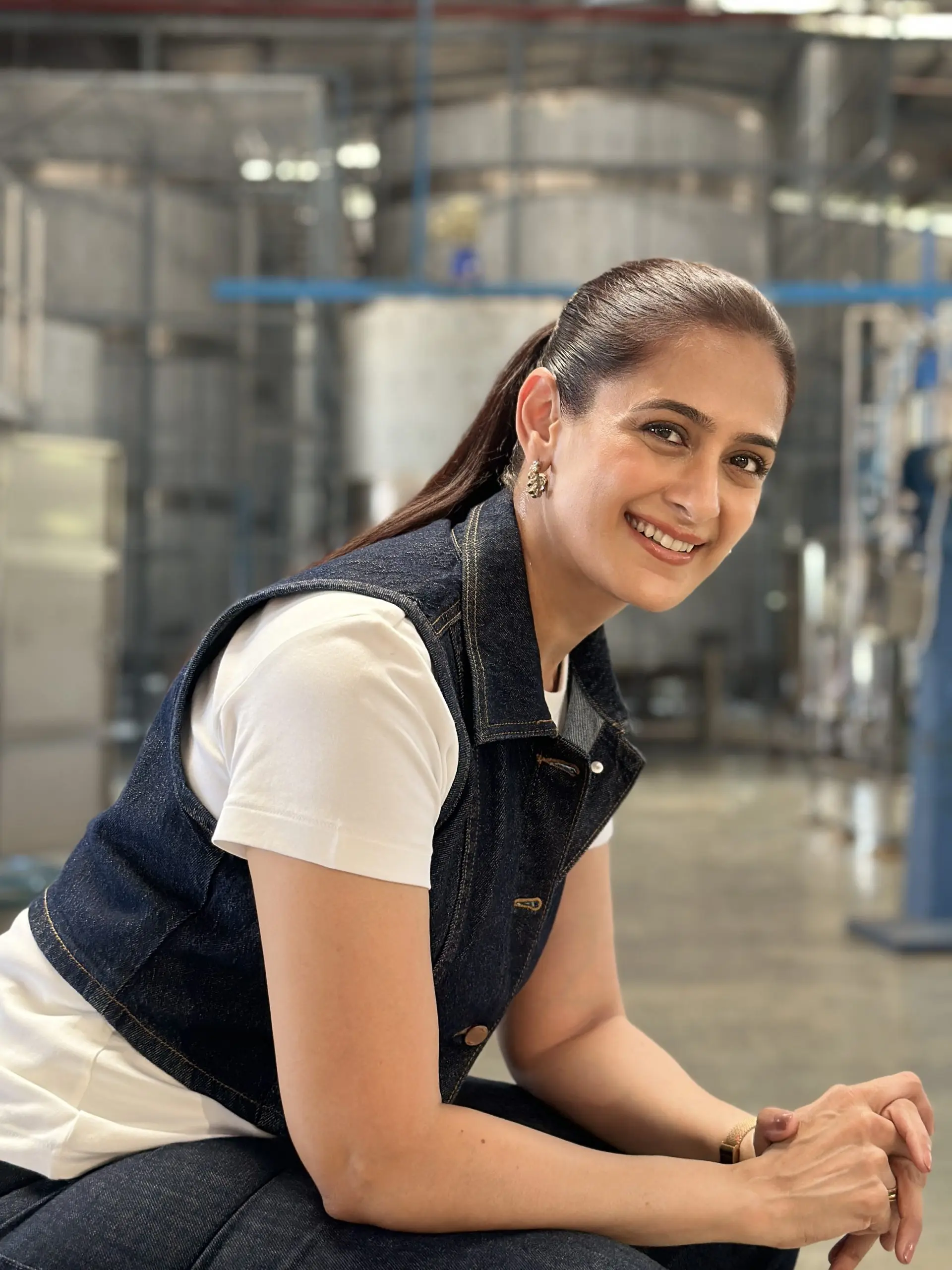
Sanya V Jain, Co-Founder, Smoke Lab and Mohulo Gin, was drawn to gin for its “ability to tell stories”, and its position at the intersection of flavour, design, culture and creativity. “I felt there was room for a distinctly Indian expression that felt contemporary rather than nostalgic. I saw an opportunity to celebrate India’s creativity, culture and craft through a modern lens, and that ultimately became the foundation for Mohulo.”
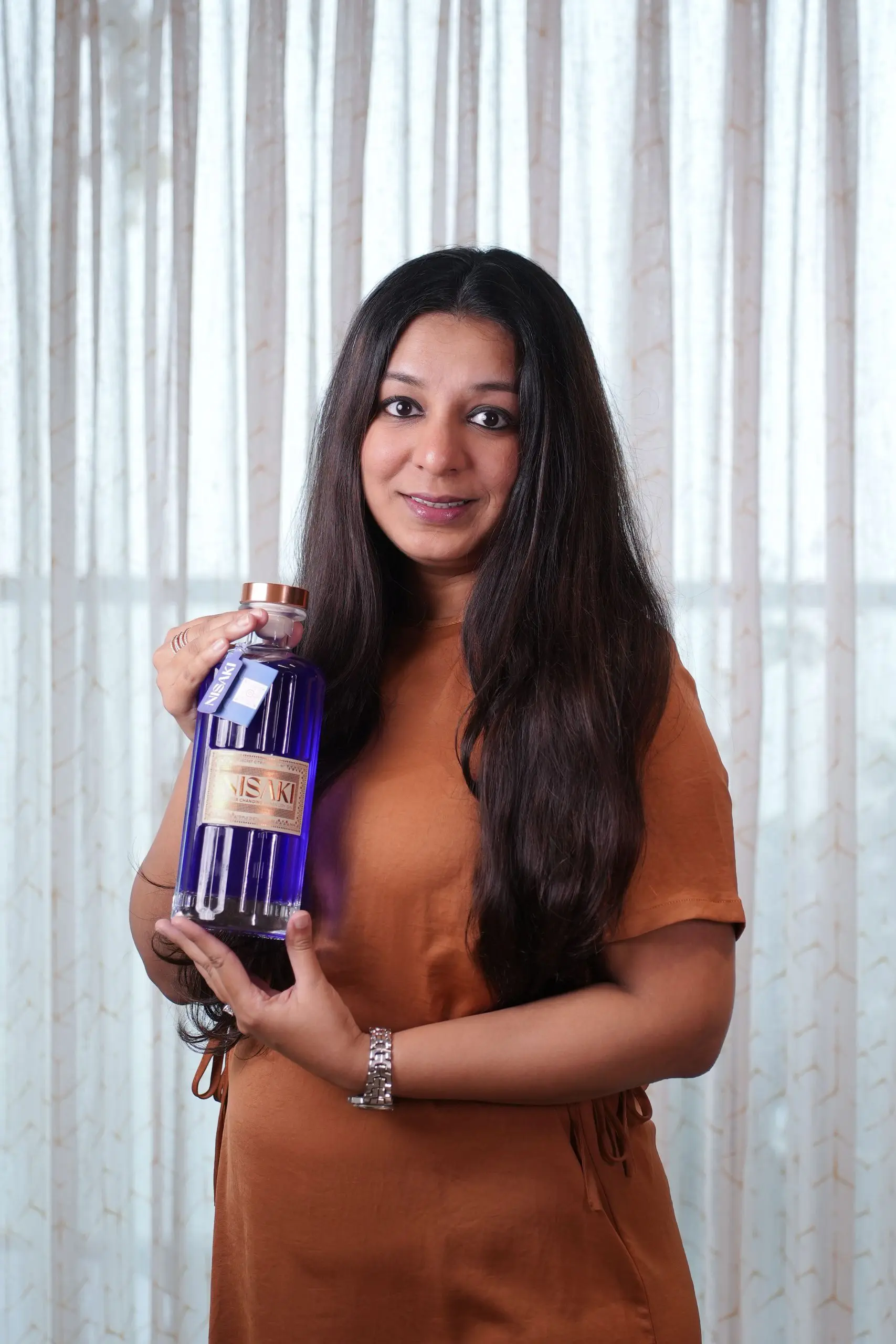
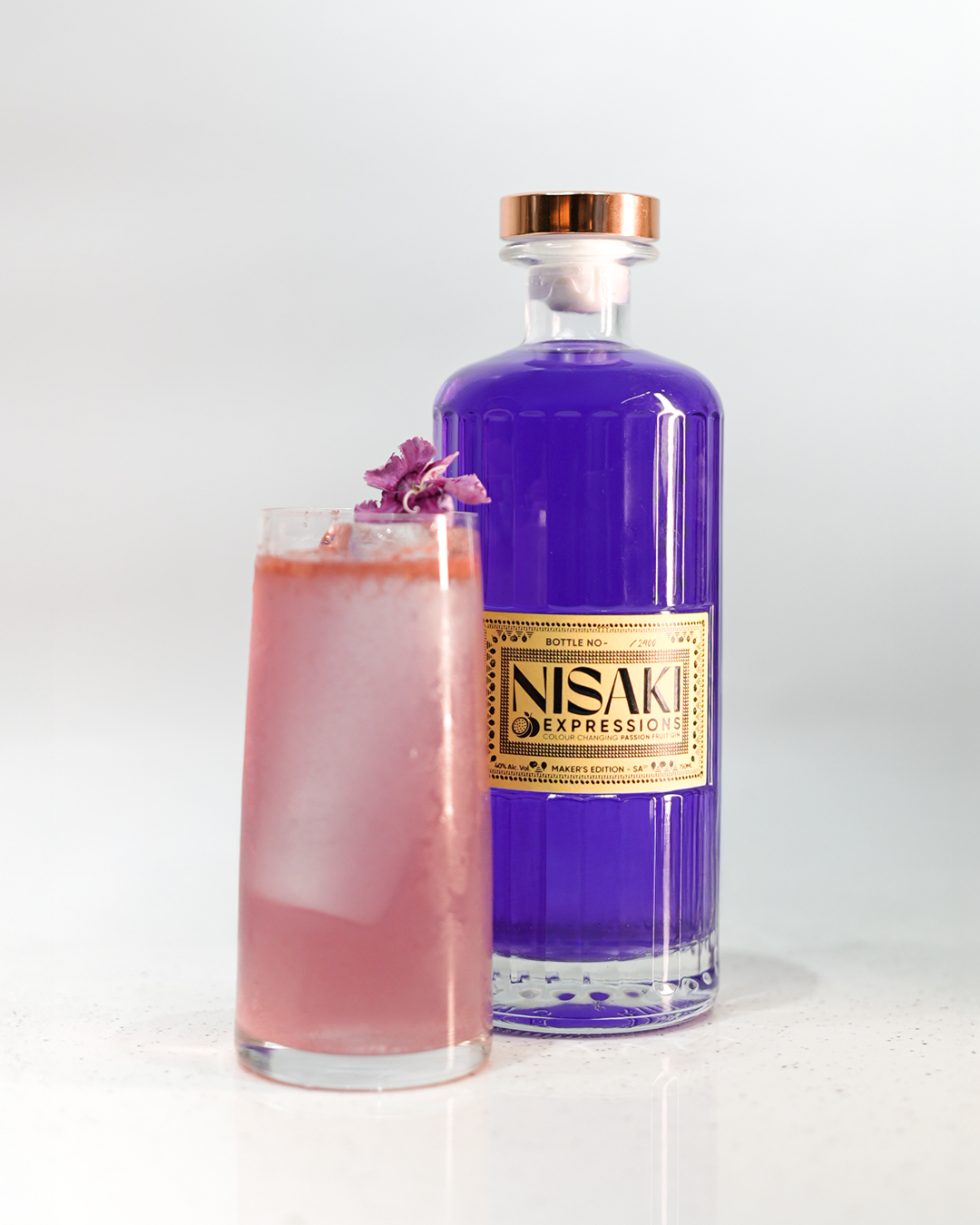
Nidhi Kedia, Co-Founder, Nisaki Gin, arrived as a consumer first, hooked by the way each gin carries a distinct personality shaped entirely by its botanicals. Watching people around her stop simply ordering drinks and start discussing provenance and flavour profiles confirmed what she already sensed: that India was ready for something more considered. That thought became Nisaki. “Gin allows you to tell stories through botanicals, flavours, and experiences. Every gin has a personality, and that fascinated me,” she says.
Breaking the glass ceiling?
Not exactly, though the picture is more complicated than a simple no.
Most of these women entered the industry with support structures in place. The harder friction was external: manufacturers, distributors, and industry stakeholders who required more convincing than they would have from a male founder. Kedia found herself working harder to establish credibility in rooms that hadn’t quite expected her. Those early experiences, she says, pushed her to lead with instinct and authenticity rather than accommodate norms she’d had no hand in writing.
Ninan is precise about where the bias actually lives. “What exists is a double standard around directness. A certain tone from a man reads as decisive. The same tone from a woman reads differently.” She is equally clear about her response to it: “Be clear about what’s needed, hold the standard consistently, and build an environment where the quality of the work is the only thing that matters.”
Saigal, characteristically, lets the work do the talking. The barriers were real, she says, but talent and passion cut through them. “Those experiences reinforced the value of building environments where different perspectives are genuinely valued.”
Jaiin is the most direct about where the resistance concentrates. Women, she observes, are welcomed easily enough as consumers, storytellers or brand faces. It’s when a woman is in the room discussing distillation, quality systems, compliance or capital, when she’s building the distillery itself, that an extra layer of scrutiny appears. “I did not want to be merely associated with a spirits brand. I wanted to build the distillery behind it.” She is, by her own account, the first woman in India to set up and run her own distillery.
Jain found a different kind of reframe while building Mohulo. Researching the brand’s connection to Mahua, she discovered that women from the Baiga Tribe had for generations been central to gathering Mahua flowers, preserving the craft’s traditional knowledge, and participating in the making of Mahua-based spirits. Long before representation became a talking point, women were already custodians of this craft and culture. It’s a history that shaped her sense of what the industry still owes women — not just participation, but visibility.
Is there a sisterhood in the still room?
Ninan doesn’t romanticise it. “There’s genuine camaraderie among people who’ve been in this long enough. I remember a situation where someone urgently needed juniper, and we just gave it to them. That kind of community exists. But sisterhood as a formal, organised thing? I think that’s a romantic idea that doesn’t quite match how any competitive industry actually works. You have good conversations, you root for each other quietly, and occasionally you help each other out in a pinch. But I’d be overstating it to call it a movement.”
Kedia is more hopeful, detecting a growing mutual respect among women across the ecosystem, an unspoken understanding of shared hurdles. “The industry becomes stronger when we celebrate each other’s successes rather than viewing them as competition.”
Saigal believes that the collective momentum of women sharing knowledge and creating opportunities for the next generation feels stronger now than it did even a few years ago. “Many journeys are still individual, but there’s also a growing sense of community. That collective momentum feels stronger today than it did even a few years ago.”
Jaiin is the most candid. In the still room specifically, it remains a solitary journey. Setting up and running a distillery involves production, infrastructure, regulation, capital, quality systems and the daily responsibility of making the liquid. And in that space, she has largely stood alone. “The sisterhood in the still room will truly begin when there are more women standing there together.”
Ask women gin founders to design a gin inspired by someone who shaped them, and four of them name their mothers. The fifth refuses to name anyone at all. and makes the most compelling case of the lot.
Aparajita Ninan raises a glass to Romila Thapar. “I read her books through college and she’s stayed with me since—the rigour, the refusal to romanticise. A Hapusa gin and tonic feels right for her. The Himalayan juniper does the work, the drink is straightforward, and there’s nothing on the plate that shouldn’t be there.”
Sanya V Jain would bottle her mother’s quiet strength: delicate florals, warm spices, bright citrus, “elegant yet layered, revealing new dimensions over time.”
Nidhi Kedia’s tribute opens with saffron and green cardamom for warmth, rose petals at the heart for grace, and toasted almond on the finish for an understated elegance that lingers. “It wouldn’t demand attention immediately. It would leave a lasting impression the more you got to know it.”
Vaniitha Jaiin declines to name a single woman. Instead, she’d make a gin as an ode to feminine energy itself. “Forest flowers for delicacy, wild berries for freshness, citrus for brightness, roots and woods for grounding, a gentle spice for warmth. It would not be loud or obvious. It would be exploratory, feminine and layered, a gin that reveals itself with time, much like the women who inspire it.”
You may also read: From G&T to GDP: Luxury’s favourite spirit