In conversation with Mr. Pranav Trehan, Founder & CEO, Aufside Hospitality LLP
- Featured Travel & Hospitality
 Yashita Damani
- 9 minutes read

What happens when developers stop selling you a home and start selling you an entire way of life? From hospitality led residential communities and branded residences to private clubs, destination dining, wellness and entertainment, luxury real estate is increasingly borrowing from the hotel playbook. The newest premium developments are not simply competing on square footage or location; they are competing on access, service, experience and the ecosystem surrounding the address.
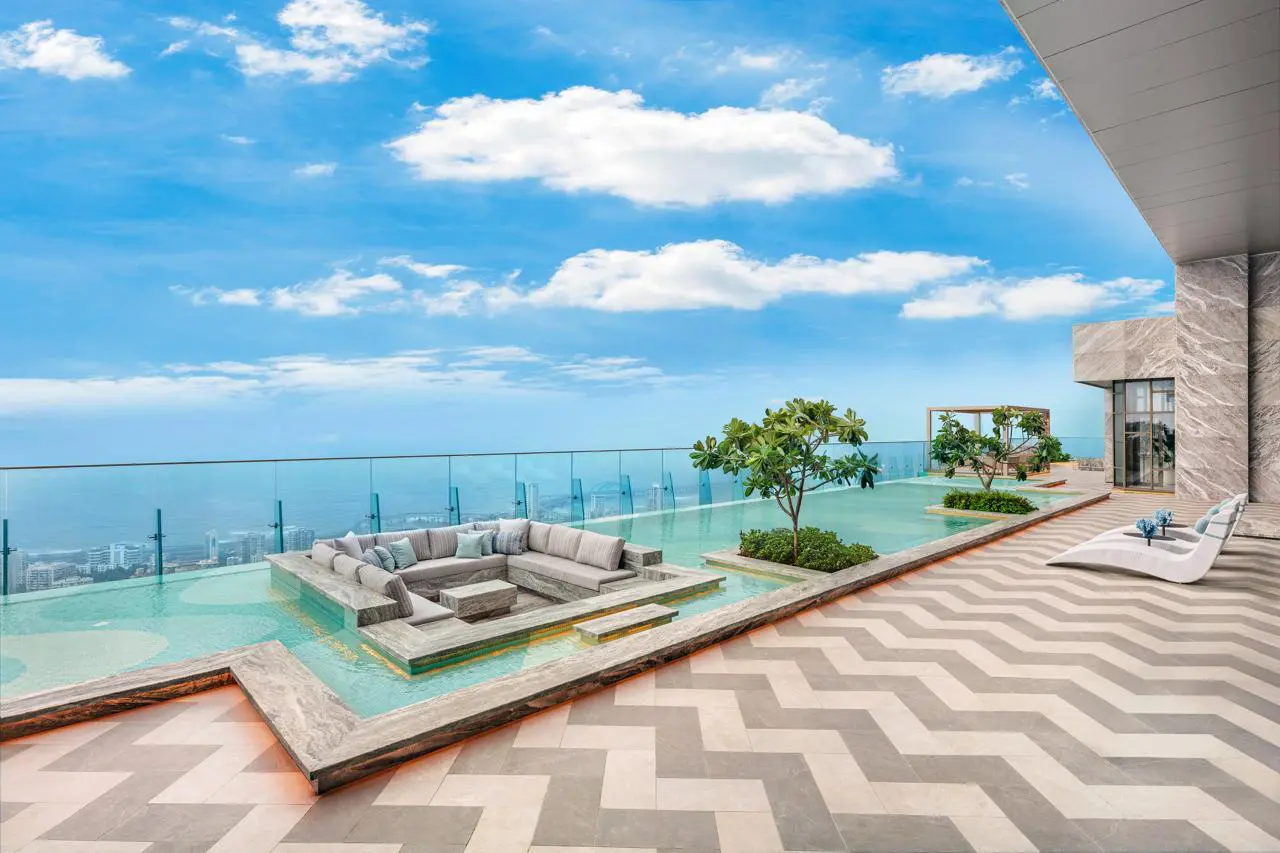
Horizon by Raheja Universal and Aufside Hospitality is a timely case study in this shift. Perched nearly 600 feet above the Arabian Sea atop Raheja Imperia I in Worli, Horizon marks Raheja Universal’s first move into hospitality, transforming part of its residential real estate portfolio into an exclusive rooftop dining and social destination. It also sits within Vista, a larger lifestyle ecosystem featuring Aeon, Luna and Atmosphere.
“In four decades of building homes, I’ve watched the definition of luxury shift from what’s inside an apartment to what surrounds it. I didn’t want to simply add another amenity to a checklist, I wanted to build something that changes what a resident can expect from their address altogether. That’s what pulled me into hospitality with Horizon. It isn’t a business diversification for us, it’s an extension of the same question I’ve asked throughout my career: what happens after someone buys the home?” Mr. Ashish S. Raheja
In this conversation, we delve into the philosophy behind Horizon, from its carefully controlled access and expansive Vista ecosystem to its culinary identity and the evolving meaning of luxury in a city that has never stopped looking upwards.
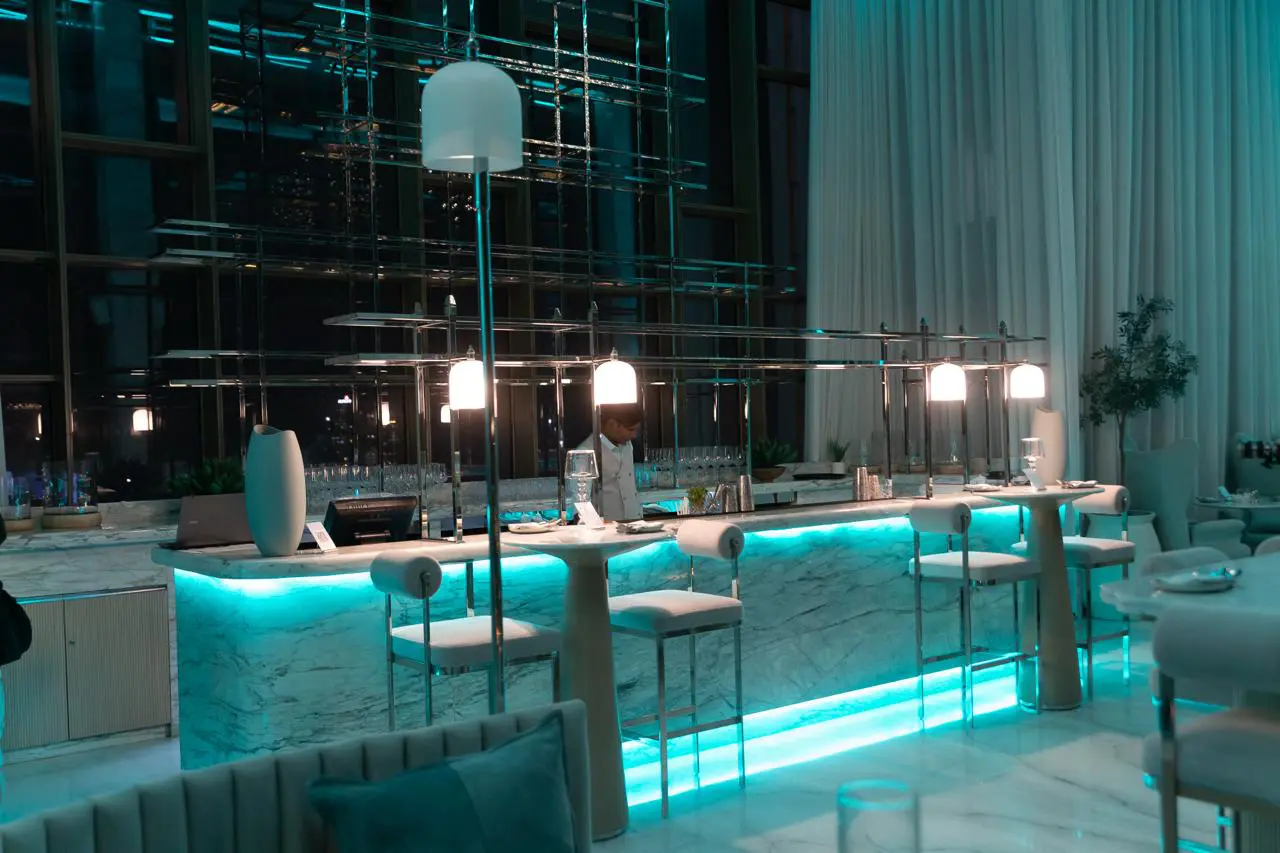
LuxeBook: Horizon is positioned as an exclusive, limited-access destination. How exactly will access work? Can non-residents and guests who do not live at Raheja Imperia visit Horizon, and what does membership or access entail?
Mr. Pranav Trehan: Horizon is intentionally not positioned as a conventional walk-in restaurant. The idea is to preserve a more private, curated environment where the experience never feels overcrowded or overly commercial.
Residents and members naturally have priority access, while non-residents can also experience Horizon through advance reservations, member-hosted visits, select events and private bookings, subject to availability and the access protocols of the property.
For us, exclusivity is less about shutting people out and more about controlling capacity and protecting the quality of the experience. As Horizon expands, that philosophy of limited, considered access will remain an important part of the brand.
LuxeBook: What privileges will members have beyond dining at Horizon? Will access extend to experiences or facilities across Vista, including Aeon, Luna and Atmosphere?
Mr. Pranav Trehan: The ambition is for Horizon to sit at the centre of a larger experience, as the membership programme takes shape, it will naturally look at Aeon, Luna and Atmosphere alongside Horizon, not the restobar in isolation.
LuxeBook: Could you give us a sense of the scale of Horizon: its approximate square footage, seating capacity and how the space has been planned around its nearly 600-foot elevation?
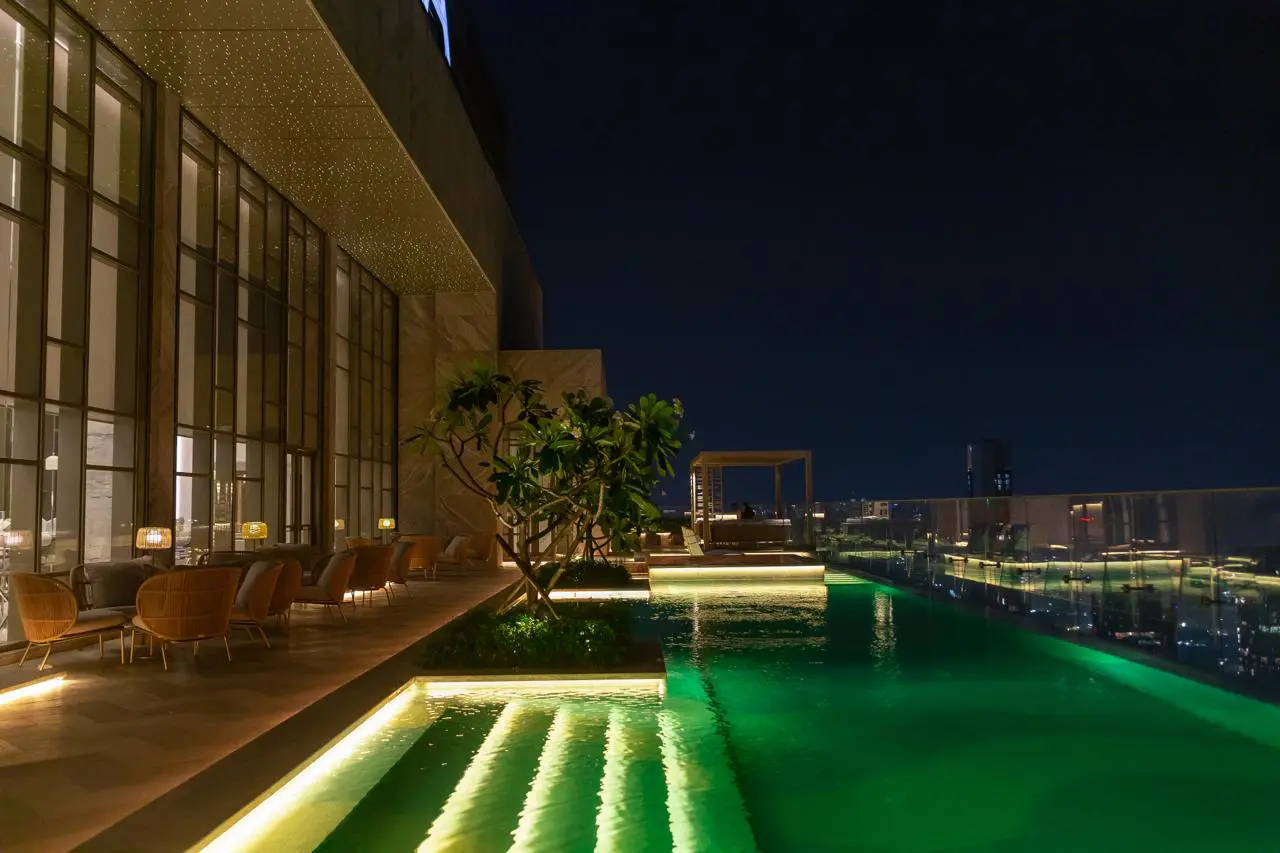
Mr. Pranav Trehan: Horizon sits on 1,701 sq. ft. within Vista’s 20,500 sq. ft. of premium space, 600 feet above the Arabian Sea, right at the crown of Raheja Imperia-I’s 60th floor. Every part of the layout was designed around that elevation; the seating, the bar, the walkways are all oriented to work with the view rather than compete with it, so wherever you’re seated, the skyline stays part of the experience.
The indoor seating accommodates approximately 45 guests, while the expansive outdoor area can host over 600 people, making Horizon an ideal destination for large-scale parties and events.
LuxeBook: Mumbai already has an established rooftop dining scene. What makes Horizon genuinely different from the city’s existing luxury rooftops beyond its height and views?
Mr. Pranav Trehan: Mumbai has some excellent rooftops, but almost all of them sit on hotels or commercial towers, open to anyone who walks in. Horizon is different because it isn’t a public venue with a view, it’s an exclusive members-only social space that comes attached to where residents actually live.
As Mumbai’s highest residential restobar, Horizon offers a perspective and sense of exclusivity that is difficult to replicate. That changes the entire character of the place: the energy, the service, and the sense of ownership guests feel the moment they walk in.
LuxeBook: How have you approached the balance between the dramatic skyline, interiors, food and beverage programme so that the experience feels like much more than simply dining with a view?
Mr. Pranav Trehan: The view could easily overwhelm everything else, so we deliberately didn’t let the design or the menu play second fiddle to it. What makes it work is that the 360-degree view isn’t reserved for one corner of the room; it’s there whether you’re seated at the bar, in one of the indoor sections, or out on the open deck, so no seat feels like the “lesser” seat. The interiors are built to hold their own after dark, when the skyline recedes and the room itself has to carry the evening. And the food and beverage programme was built to be memorable on its own terms dishes and drinks you’d come back for, view or no view. When all three come together, Horizon reads less like a restaurant with a view and more like a destination in its own right.
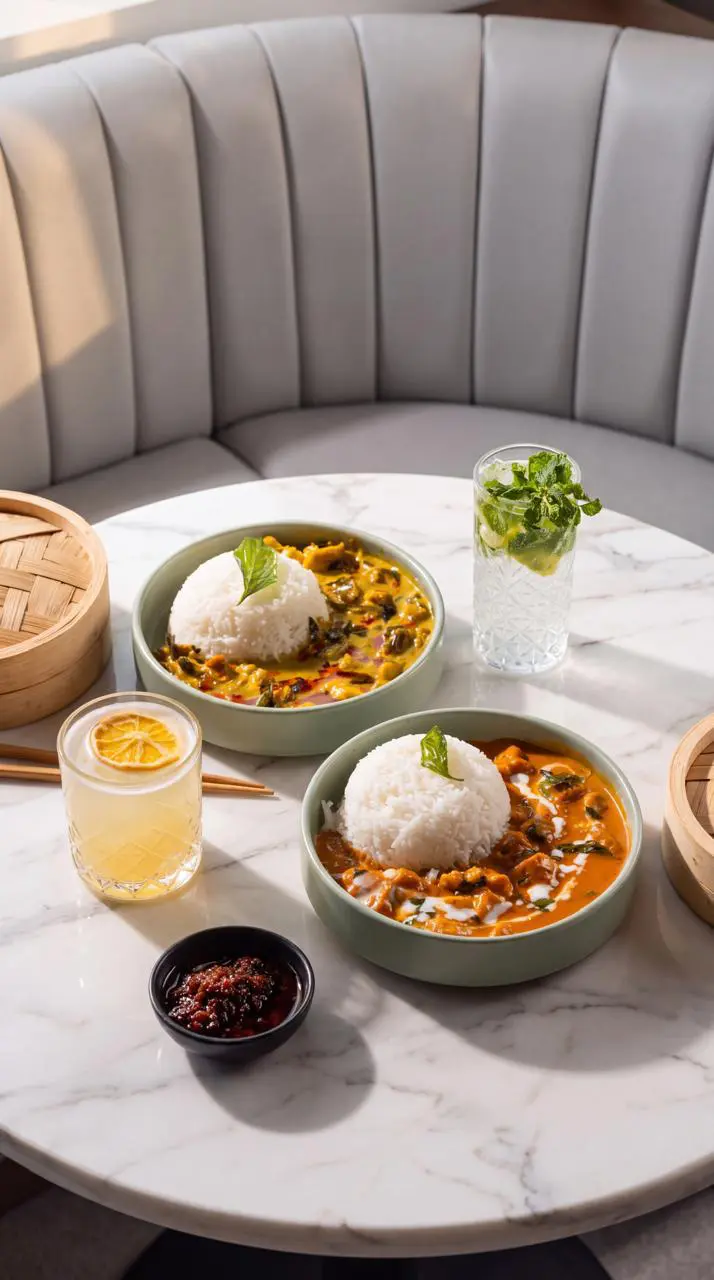
LuxeBook: The culinary programme spans dim sums, artisanal pizzas, contemporary Indian grills and small plates. What was the thinking behind bringing such diverse global influences under one roof?
Mr. Pranav Trehan: We didn’t want Horizon boxed into one cuisine. Dim sums, artisanal pizzas, contemporary Indian grills, and small plates each represent a different way of eating, from sharing-style to individually plated, casual to composed. It reflects how people actually socialise today: one table wants something light and shareable, another wants a proper Indian grill. Bringing that range together under one kitchen was about giving Horizon the flexibility to be the answer for many different evenings, not just one kind of night out.
LuxeBook: What does “exclusive” mean for Horizon beyond restricted access? Is the intention to create a more private, personalised hospitality experience with curated events, experiences and service?
Mr. Pranav Trehan: Access is only the starting point. What we’re building is a more personal, considered kind of hospitality where the team knows you, and an evening can be shaped around what you want rather than a fixed format. Over time, that extends into curated experiences and events specific to Horizon, so exclusivity isn’t just about who can walk through the door, it’s about the quality of attention once you’re inside.
The real question is: who needs a hotel when your developer owns the whole lifestyle?
You may also read: Luxury news wrap: Beyoncé’s whisky, Sabyasachi x MET & more