What makes a luxury purchase worth it? In conversation with Serapian’s Valerie Miegeville
- Fashion Featured
 Yashita Damani
- 19 minutes read

Anyone can recognise a luxury label. Knowing what makes it luxurious is an entirely different skill. Beyond the familiarity of a name or the appeal of a recognisable silhouette lies a more considered language of luxury, one spoken through the quality of materials, the precision of construction and the expertise of the hands behind the finished piece. After all, a beautiful object can make an impression in a moment; a beautifully made one has the potential to stay with you for years.
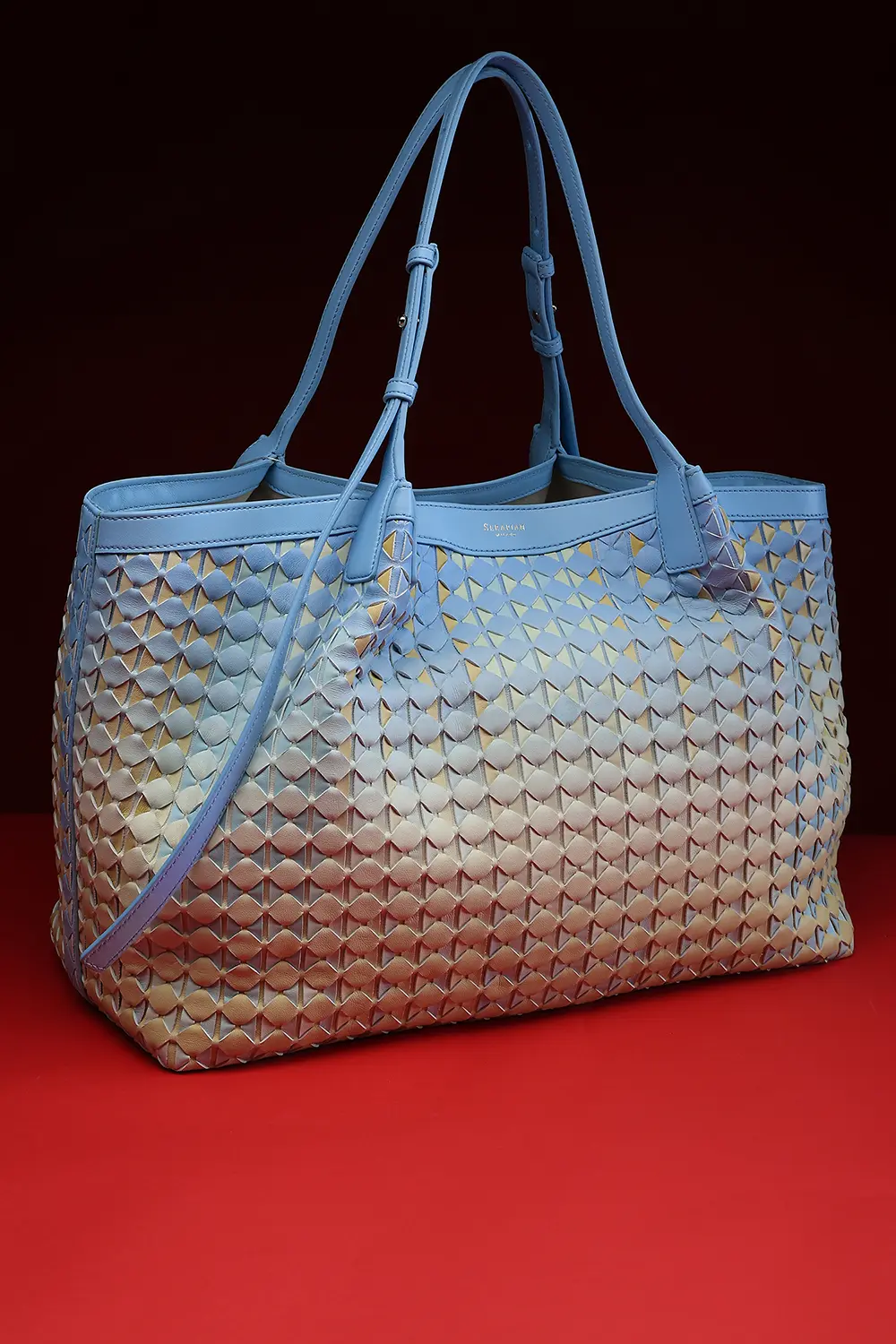
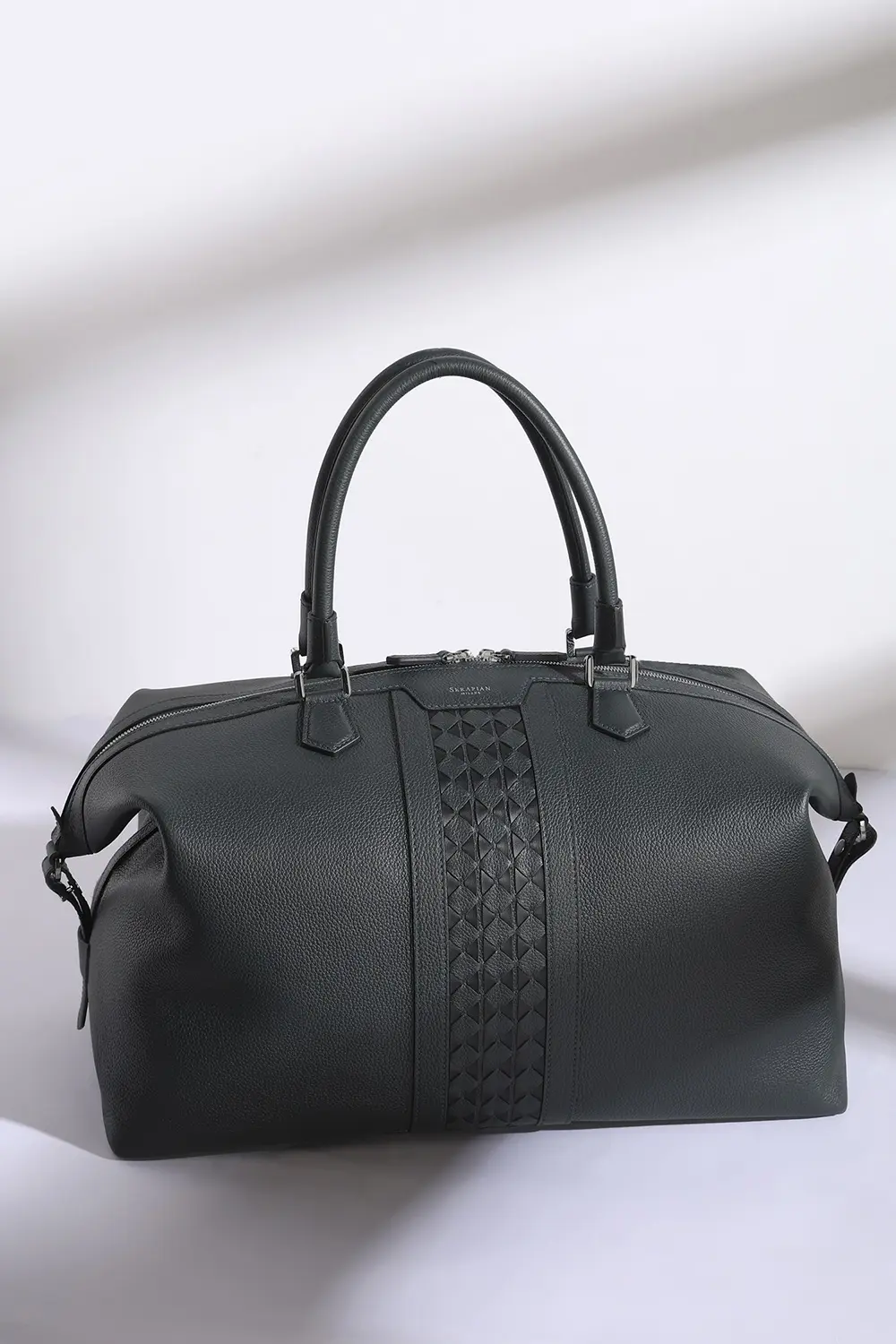
It is this distinction that makes Serapian particularly interesting. Founded in Milan in 1928, the Maison has built its identity around Italian leather craftsmanship, with its signature Mosaico weave offering a masterclass in letting technique do the talking. Introduced in 1947, the intricate handwoven finish transforms fine strips of lamb nappa into a tactile signature that is recognisable without needing to announce itself.
As Serapian debuts at Galeries Lafayette Mumbai, the conversation extends beyond the appeal of a new luxury name entering the Indian market. It becomes a question of what makes a luxury purchase meaningful in the first place. We spoke to Valerie Miegeville, Chief Buying & Merchandising Officer at Galeries Lafayette Mumbai, about craftsmanship, provenance, changing consumer sensibilities and why the most enduring luxury may be the kind that rewards a closer look.
In Conversation with Serapian’s Valerie Miegeville
LuxeBook: What defines exceptional luxury craftsmanship, and how does it go beyond aesthetics and branding?
Valerie Miegeville: Exceptional craftsmanship begins with the integrity of a product: the quality of its materials, handmade know-how, precision of construction and attention to detail, including elements that may not be immediately visible. A brand name may draw you to a piece and its quality and functionality must deliver on that promise. For me, true luxury lies in creating something that lasts, retains its character and becomes personally meaningful over time.
LuxeBook: What makes Serapian’s signature Mosaico weave unique, and what level of artistry and precision does it demand?
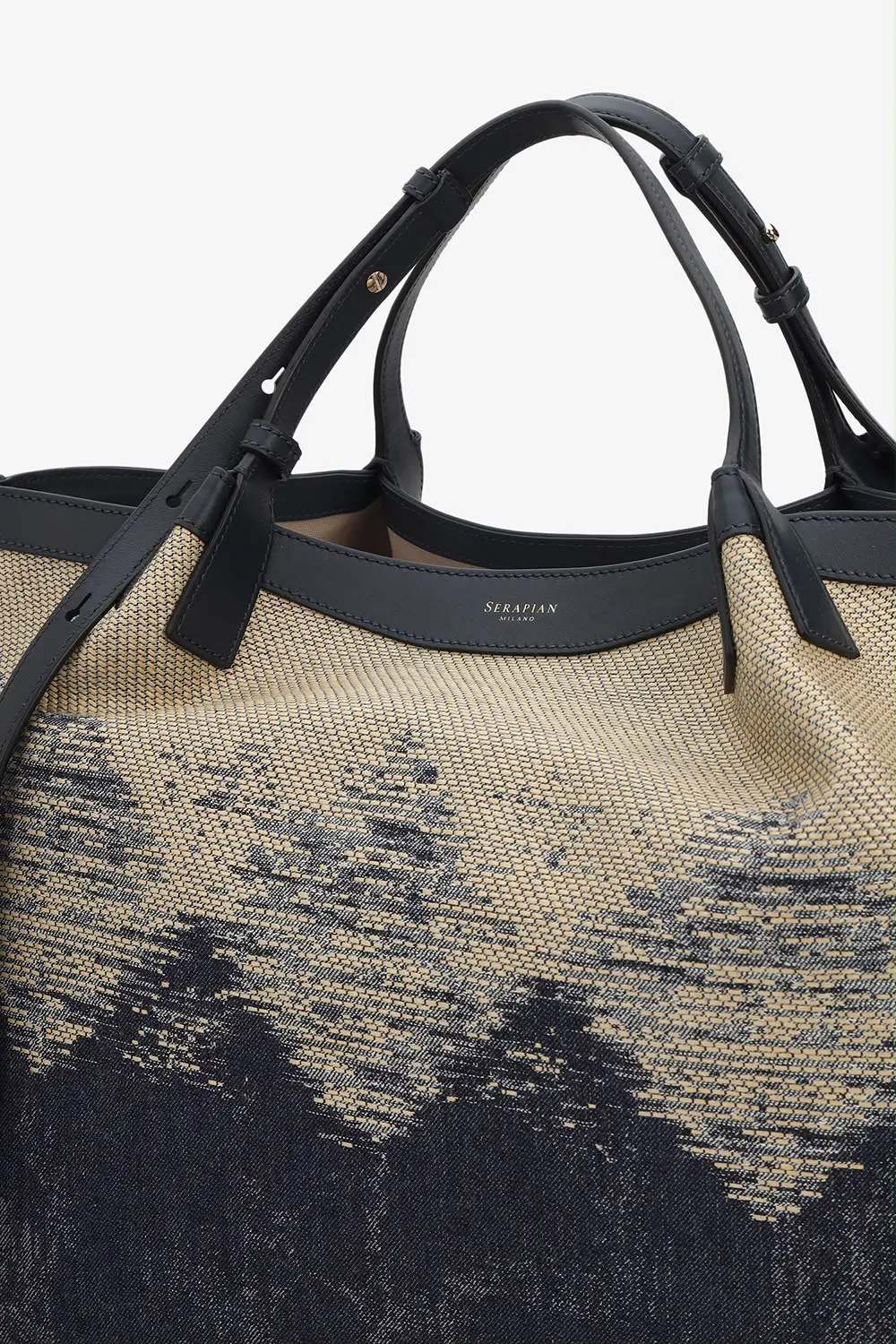
Valerie Miegeville: Introduced in 1947, Mosaico is one of the Maison’s most distinctive expressions of Milanese leather craftsmanship. It involves delicately handweaving fine strips of lamb nappa to create an intricate, tactile texture. Rather than relying on a prominent logo, the technique gives the material itself a recognisable identity.
The process demands considerable hand skill, patience and precision. Each strip must be woven carefully, with consistency in alignment, tension and finishing contributing to the overall result. Every Mosaico bag also carries an inner tag signed by the artisan who crafted it, acknowledging the individual expertise behind the piece.
What makes the technique compelling is that this intricate handwork results in a design that feels understated, yet is immediately distinctive to those who appreciate the craft.
LuxeBook: What details should discerning consumers look for when distinguishing a truly exceptional leather piece from an ordinary one?
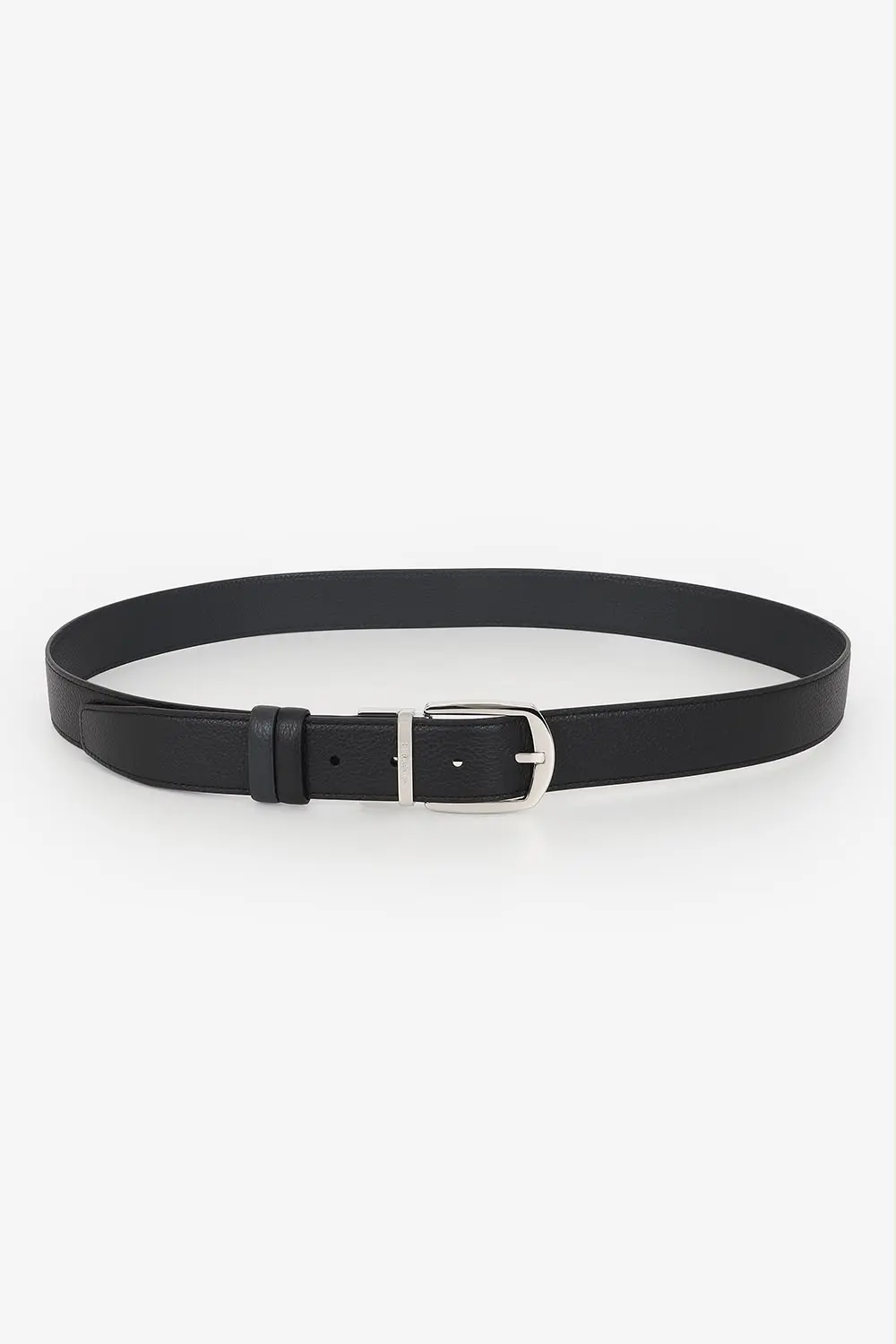
Valerie Miegeville: Quality and texture of the leather, the precision of the stitching and edges, and the overall construction. Hardware and internal finishing can also reveal the attention invested in a piece. Equally important is how it functions and ages with use. Exceptional craftsmanship is not about one impressive detail; it is the consistency of quality across the entire product.
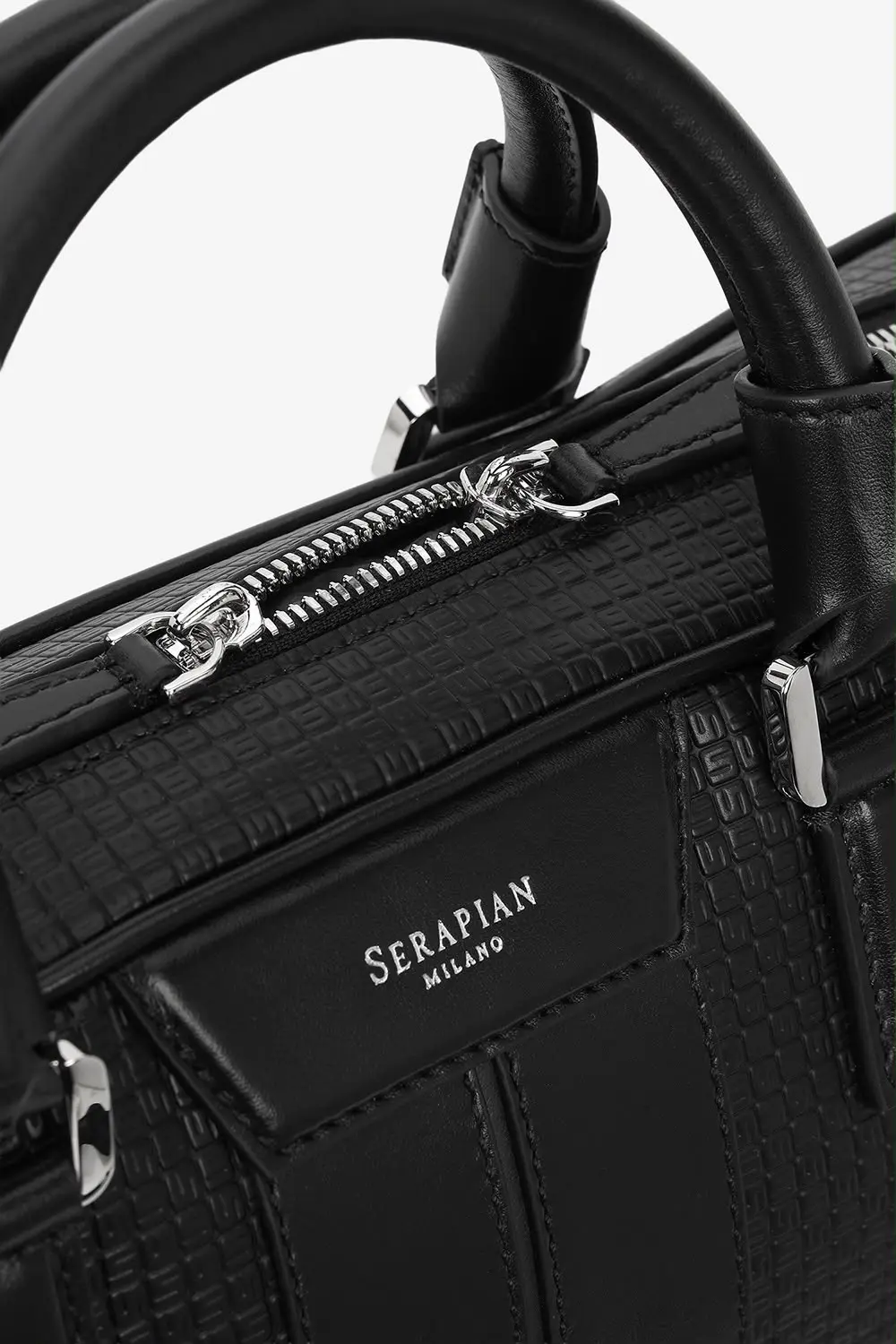
LuxeBook: Founded in Milan in 1928, how has Serapian evolved while staying true to its heritage of Italian craftsmanship?
Valerie Miegeville: Serapian has evolved through contemporary silhouettes, colours and functionality while remaining rooted in Milanese leather craftsmanship. Its continued focus on material quality and artisanal techniques ensures that its heritage remains relevant to modern consumers. For me, heritage is not simply about preserving the past; it is a foundation for innovation while staying true to a Maison’s identity.
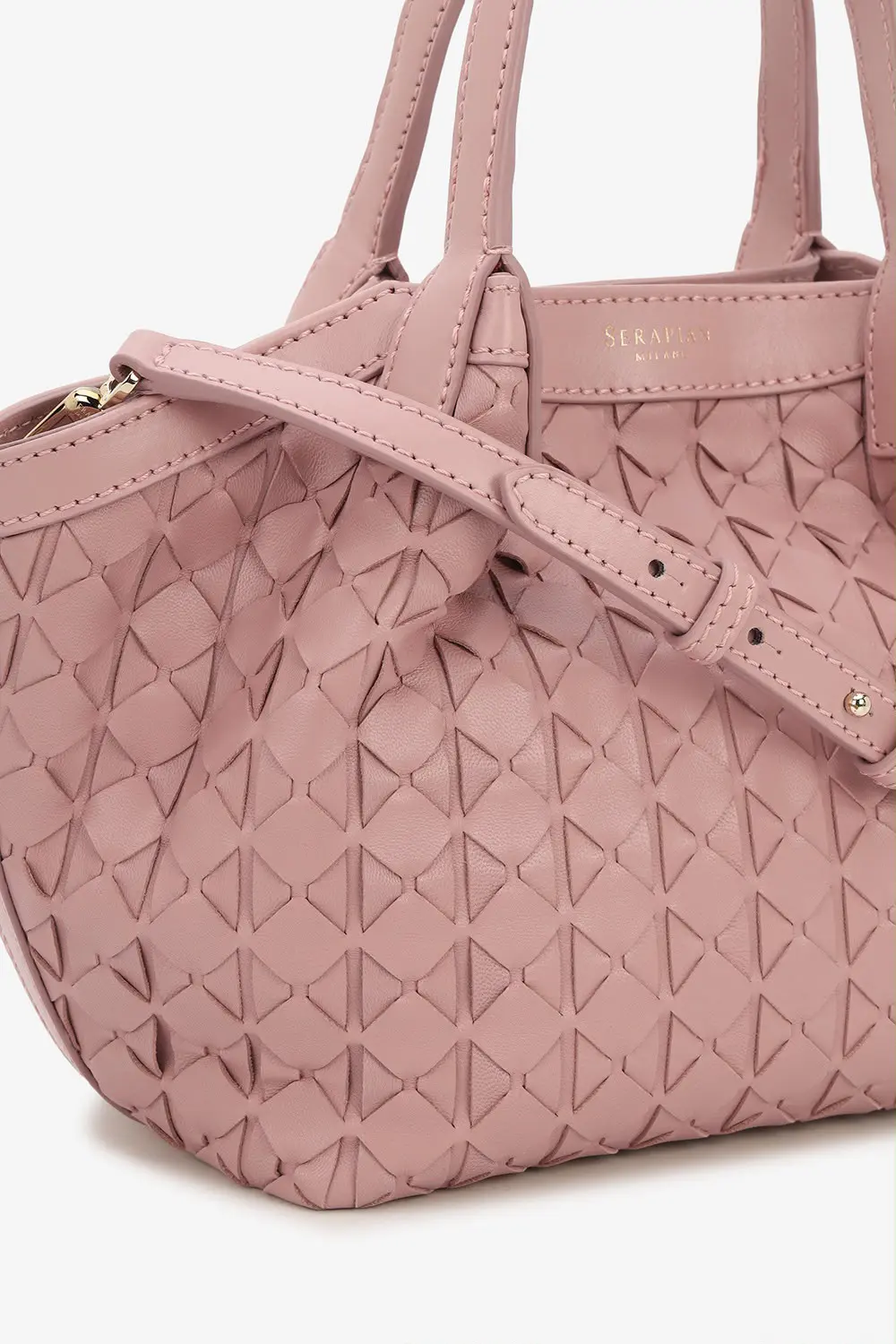
LuxeBook: What made Serapian a compelling addition to Galeries Lafayette Mumbai, and what does it bring to India’s evolving luxury landscape?
Valerie Miegeville: At Galeries Lafayette Mumbai, our role is to bring together international maisons with distinct identities and points of view. Serapian stood out for its strong Milanese heritage, its specialised leather craftsmanship and a design language in which material and technique take precedence over prominent branding.

For Indian consumers, it introduces a distinctive expression of luxury, where the appeal lies in understanding the product and the expertise behind it. As the market evolves, there is an opportunity to introduce consumers to maisons beyond the most familiar names, particularly those with a differentiated offering and a clear design identity. Serapian complements our wider portfolio by bringing together artisanal expertise, individuality and products designed to remain relevant beyond seasonal trends.
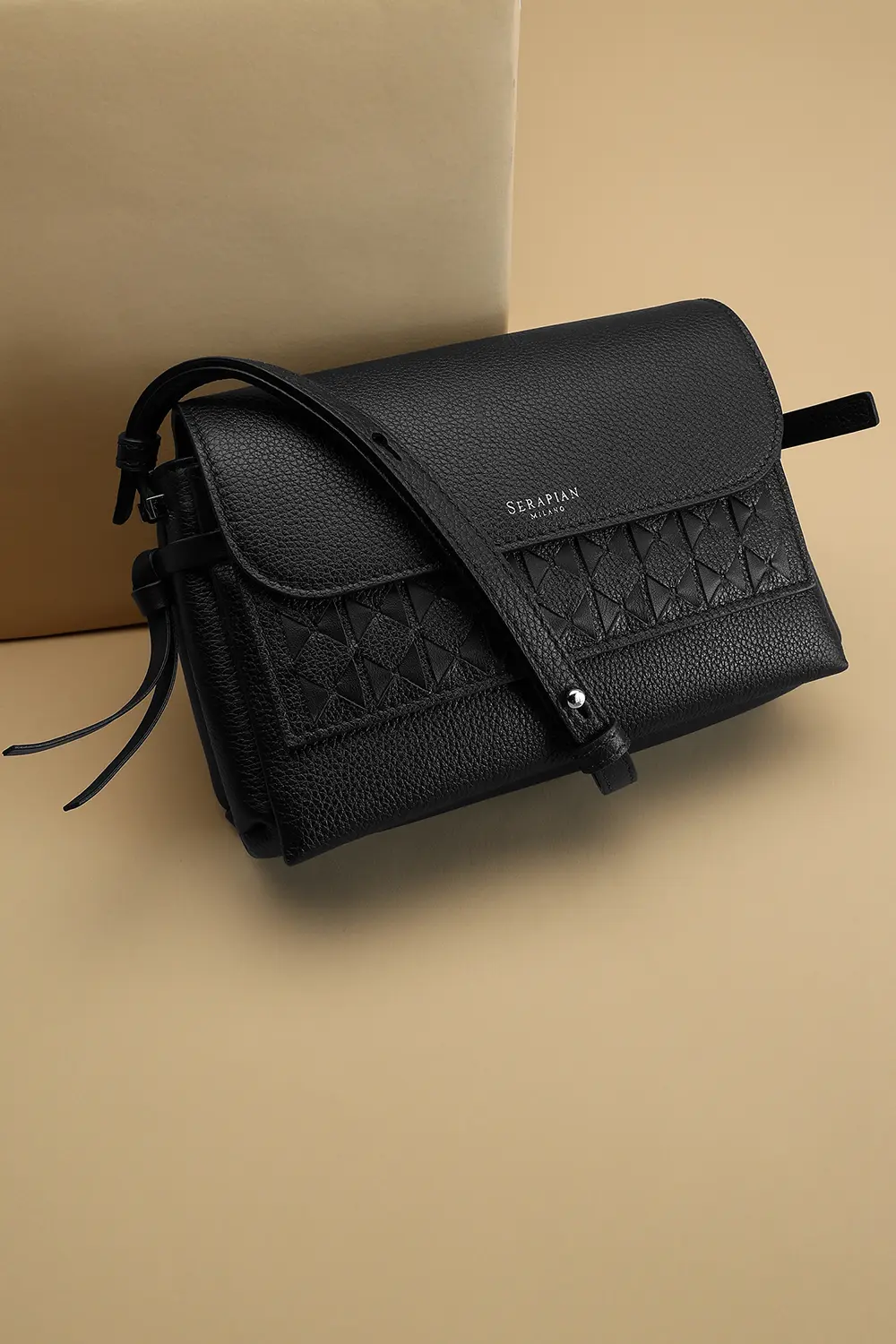
LuxeBook: How have Indian luxury consumers’ expectations evolved, particularly around craftsmanship, provenance and quiet luxury?
Valerie Miegeville: Greater exposure to international luxury is shaping a more informed Indian consumer, with growing interest in the quality, story and craftsmanship behind a product. Brand recognition remains important, but there is a broader conversation around what makes a product desirable: its materials, origin, design and relevance to an individual’s lifestyle.
Visa Consulting & Analytics’ India’s Affluent Economy 2025–2026 report points to a more deliberate approach to consumption among affluent Indians, with purchases increasingly connected to personal identity. This reflects a wider opportunity for brands to engage consumers through distinctive design, product quality and a clear sense of identity, rather than relying on brand recognition alone.
From a buying and merchandising perspective, this makes curation particularly important. Consumers want to discover different design identities and understand what distinguishes one Maison from another, whether through understated luxury or iconic branding.
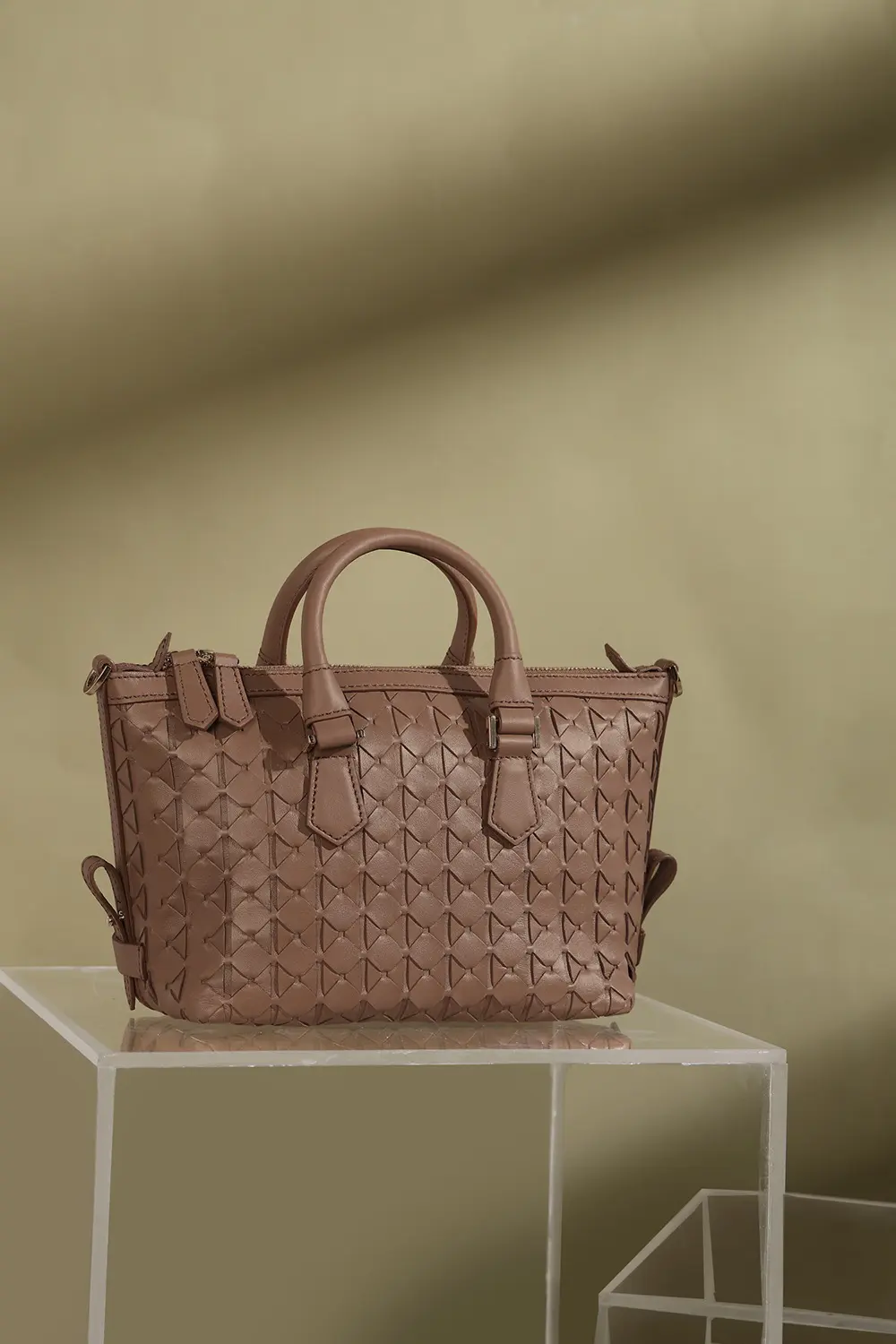
LuxeBook: What should consumers consider when investing in luxury leather goods, from quality and longevity to timelessness?
Valerie Miegeville: The quality of the leather, construction and finishing are important starting points. Functionality and versatility matter equally: a piece should fit naturally into your lifestyle and work across occasions. I would also consider how the leather ages, its care requirements and how frequently I would use it. Ultimately, a well-made piece is worth investing in when its design feels personal and remains relevant to you season after season.
LuxeBook: As a buyer, how do you see craftsmanship and heritage shaping the future of luxury leatherware?
Valerie Miegeville: Craftsmanship and heritage will remain important differentiators as consumers become more discerning about what sits behind a product. A brand’s material expertise, artisanal techniques and consistency of quality give it an identity that goes beyond seasonal design trends. They also provide a more tangible reason for consumers to connect with a Maison.
The opportunity is to build on that heritage through innovation, whether in design, functionality or the way traditional techniques are applied. Serapian’s Mosaico is an interesting example: a technique developed decades ago that continues to feel distinctive because the craftsmanship remains relevant to contemporary design.
Ultimately, the brands that endure will be those that combine a genuine product story with consistent quality and an understanding of how people live today. Longevity and individuality will continue to shape consumer choices, making craftsmanship as important to the future as it has been to its past.
You may also read: The art of hosting a Diwali party at home