Is Sake the Next Big Thing in Indian Bars?

By: Geetika Sachdev
Sake is on the rise as an aspirational drink in India, fuelled by Japanese fine-dining restaurants and bars, a growing love for Japanese culture and expanding stock portfolios by corporations.
At Call Me Ten–an Izakaya-style Japanese restaurant and Omakase bar in Delhi’s Vasant Vihar– ‘Sake Thursdays’ have become a talking point. The weekly experience offers diners a window into Japanese culture through its food and beverage, in a contemporary setting. Besides sake varieties with distinct flavour profiles, Call Me Ten offers unique sake cocktails that blend the delicate flavours of the rice wine with fresh ingredients and innovative mixers–adding a modern twist to classic Japanese drinks. “These cocktails are a fun, approachable way to experience sake in a new light, further enhancing the overall dining experience,” Angadh Siingh, Co-founder at Call Me Ten, tells Luxebook.
For Astha Sinha, a marketing head at a Gurugram-based multinational, these ‘sake nights’ have become a ritual for her to unwind with friends and learn about the beverage through a refreshing format. Not only is she more knowledgeable about sake today, it has also become one of her favourite beverages to pair with Japanese and Asian food. “It’s light and tastes great with most cuisines. Like wine, the drinking culture around sake seemed intimidating at first. Thanks to events like these, people are becoming increasingly more open to the idea of giving it a try,” she adds.
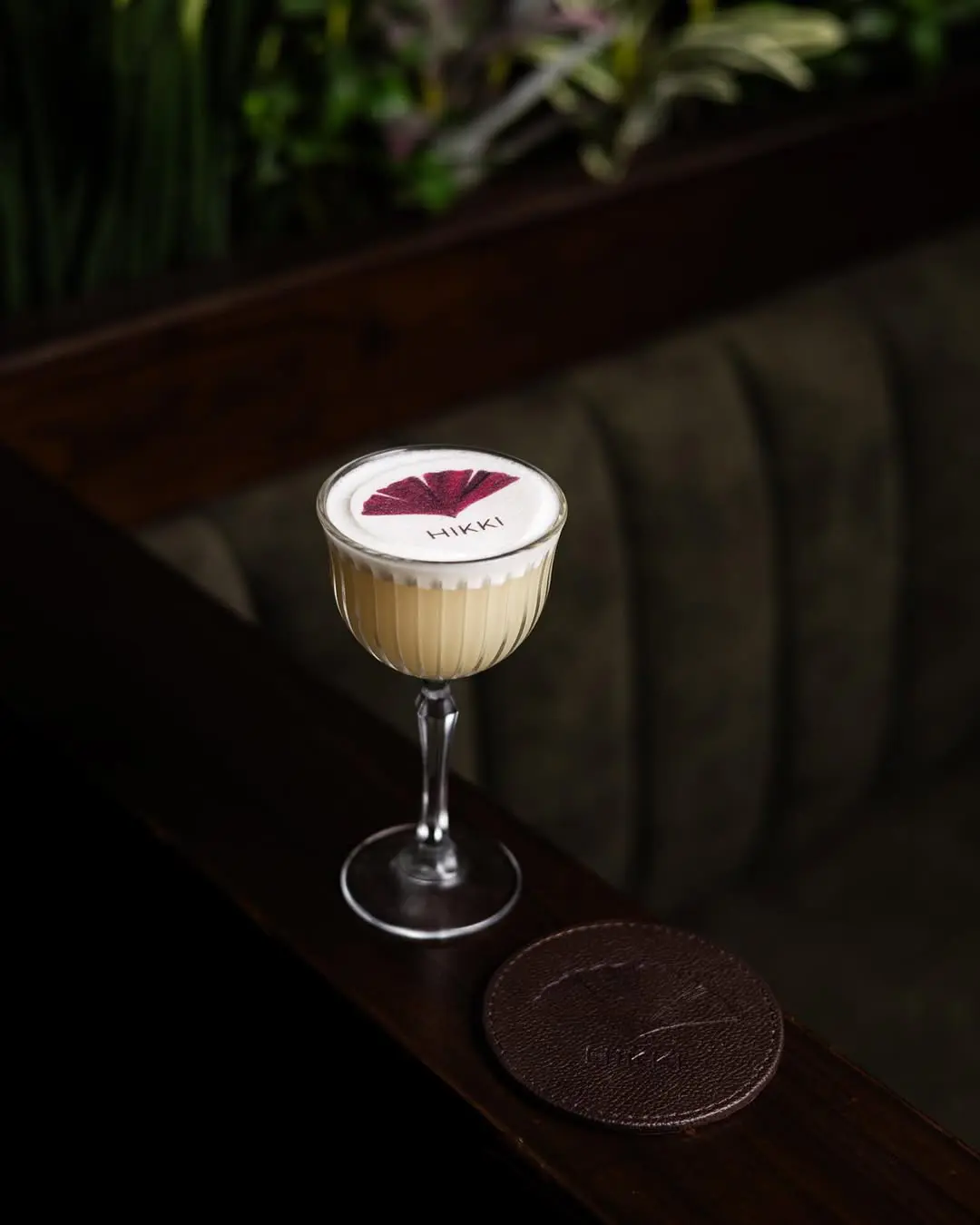
Sake-based events organised by restaurants and bars, or even organisations like Sake Club India (SCI) and Mumbai-based All Things Nice (offering specialised consultancy services for the wine and spirits industry) are increasingly gaining traction, particularly amongst the younger audience post-Covid.
Research says much has to do with India’s obsession with Japanese culture, which includes everything from sushi and ramen to anime and cinema, and now sake. In fact, the export of sake to India rose over 900% over the last decade, growing by 62.4% year-on-year in 2023, as per the Japan Sake & Shochu Makers Association (JSS). “The appreciation for sake in India is steadily rising and cities like Delhi and Mumbai are at the forefront of this movement. These metros frequently host sake tasting events, workshops, and brand showcases, creating spaces for both consumers and professionals to explore the nuances of sake,” says Bensan Geevarghese, Corporate Beverage Manager, Aspect Hospitality.
Meanwhile, Gurugram, Bengaluru and Hyderabad are quickly catching up, with premium dining spaces beginning to integrate sake events and curated pairings into their offerings. “These efforts are certainly fuelling the ‘sake revolution’ and broadening the appeal of the beverage to new-age Indian consumers eager to explore global tastes,” adds Geevarghese.
The taste test
The primary ingredient in sake is a specific type of rice which is polished to remove the outer layer and any kind of unwanted flavours. The more polished the rice, the higher the quality of sake. Once polished, the rice is steamed and mixed with a fungus called koji that converts starch into sugar, which is then fermented with yeast to produce alcohol. There’s a broad spectrum of sake — from affordable, mass-produced options to high-quality artisanal sakes available in India. Some of the common styles include Junmai (pure rice sake with no added alcohol), Ginjo (refined sake with a more delicate flavour), and Junmai Daiginjo (highest grade of sake), as well as sparkling sake. Additionally, many bars offer sake-based cocktails.
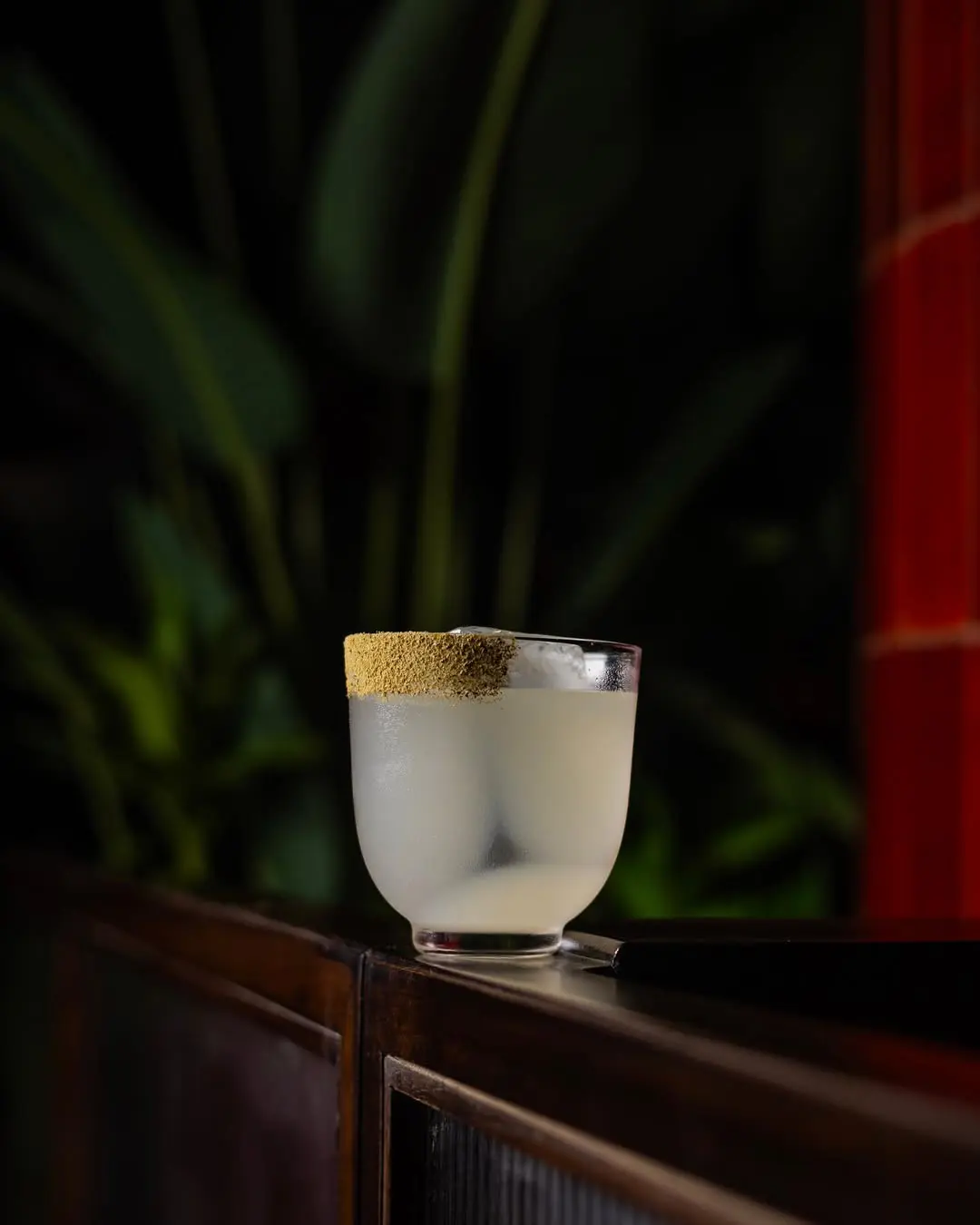
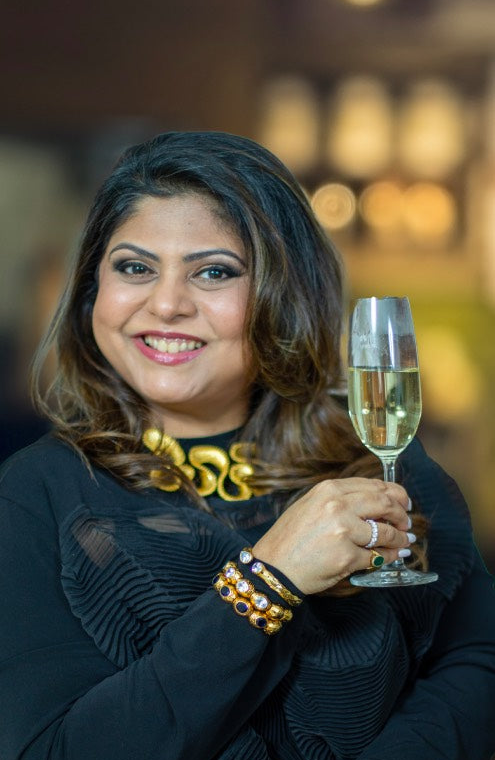
While the procedure of making the rice wine may sound complex to many, sake is one of the most palatable alcoholic beverages (with alcohol by volume or ABV between 15-17%), says Sonal Holland, who is India’s only Master of Wine and the Founder of India Wine Awards. She also has an advanced certification in sake and shochu awarded by the Japan Sake and Shochu Makers Association with the support of the National Tax Agency, National Research Institute of Brewing of Japan, and the Brewing Society of Japan. “Sake is very likeable. It’s a rice-based fermented drink that is very soft. It has much lower acidity as compared to wine. It tends to be off dry to medium dry, which means it has some sweetness. It’s also why many Indians are getting interested in sake,” she adds.
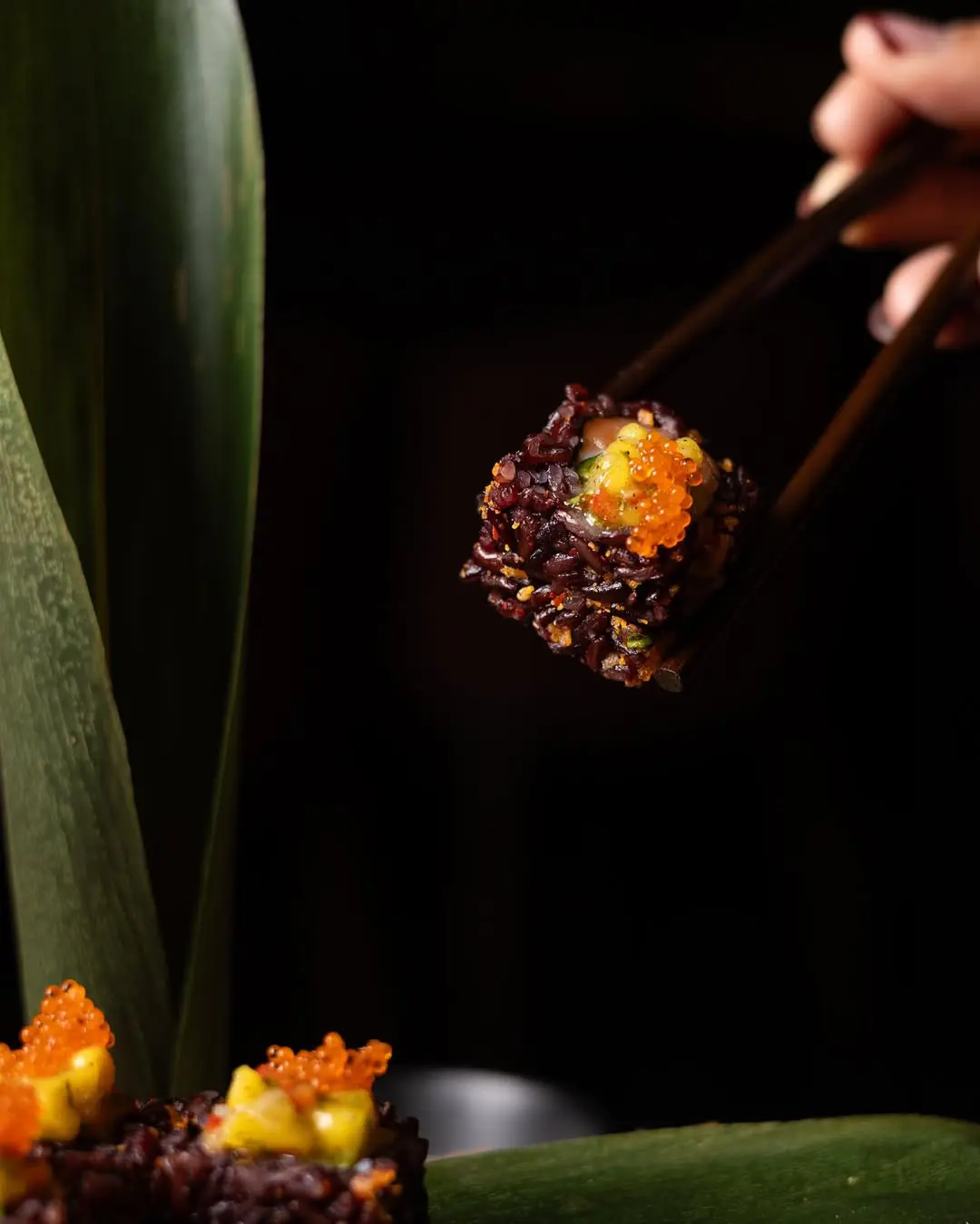
Moreover, sake’s light and umami-rich profile pairs effortlessly with Japanese, Nikkei and Asian dishes, enhancing delicate flavours without overpowering them. “Its gentle acidity, subtle complexity and softness complements and effortlessly enhances everything from fresh ceviche to smoky robata grills,” says Sukriti Chopra, Product Lead at Ninecamp Ventures that owns Hikki, a premium Japanese and Peruvian dining restaurant in Delhi’s Malviya Nagar.
A growing crop of Japanese restaurants and bars
The increasing popularity of Japanese cuisine in India has naturally led to a rise in high-quality Japanese restaurants in hotels and as standalone establishments. This growth has driven greater awareness of sake, which is an essential component of the authentic Japanese dining experience. “With more Indians traveling to Japan, exposure to and interest in sake has grown significantly,” highlights Nikhil Agarwal, Founder, All Things Nice.
India’s first certified sake brewer or touji, Maia Laifungbam also credits the nature of Indian culture and cuisine for being a ‘catalyst’ for the country’s growing appetite for an adventurous palate. “With travel and cuisine being prioritised today in India, people like me have the opportunity to explore new avenues and introduce products like sake,” she adds.
However, certain restaurants like Kylin and Guppy in the national capital began serving sake much before the trend blew up. As a live teppanyaki restaurant, sake was a natural fit from the start, points out Saurabh Khanijo, owner at Kylin. “Much like red wine complements western cuisine, sake enhances the flavours of Japanese dishes. We’ve always offered set menus paired with sake,” he says. In their Aerocity outlet–due to its proximity to Gurugram–sales have steadily increased, owing to the Japanese professionals in the region.
It was a similar case with Guppy, one of the most popular Japanese restaurants in Delhi, located in the upscale Meherchand Market. Sake was a natural extension of the dining experience they wanted to create, says Nishant K Gaurav, mixologist at Guppy. “Sushi and sashimi, in particular, pair beautifully with sake or Japanese beer due to their complementary flavour profiles. Beyond its taste, sake represents a cultural tradition—it’s often used in ceremonial settings and enjoyed in a way that enhances the appreciation of the cuisine,” he adds.
Adrift Kaya at JW Marriott New Delhi Aerocity, created by the ‘Gypsy Chef’ David Myers in 2022, integrated sake into its menu early on. “We believed that a well-curated sake selection would complement our menu and introduce diners to an integral aspect of Japanese dining culture. There were several challenges but our commitment to quality drove us to overcome hurdles,” says Sachin Verma, Bar Manager, Adrift Kaya.
Among new restaurants, Hikki in Delhi is in the limelight for its showcase of the diversity and depth of Japan’s most revered spirit. From bright, effervescent expressions to rich, umami-laced brews–the selection includes Hakutsuru Excellent Junmai, Hakutsuru Awayuki Sparkling, Masumi Ginjo Kuro and Masumi Junmai Kaya, among others.
A challenging terrain?
The inclination towards sake may have increased over time but there were several challenges that had to be overcome. Initially, introducing sake into restaurant menus across India was a challenge due to high import duties and limited availability.
While Kylin was committed to serving sake from the start, sourcing was one of their biggest challenges. Until a few years ago, the beverage wasn’t even as popular, making it difficult to sell the product. “The options were limited and importers were few. Duties were high but we saw it as essential to our concept,” says Khanijo. The variety was minimal, and restaurants had little room to curate a diverse sake list, especially in emerging markets like Hyderabad.
However, over the past year, state-run corporations like the Telangana State Beverages Corporation Limited (TSBCL) has expanded its portfolio by procuring a wider range of brands, which has enabled restaurants to offer more curated and quality-driven sake selection.
At Akina, a modern Japanese restaurant in Hyderabad (under Aspect Hospitality), the growing curiosity among diners to explore traditional and contemporary Japanese beverages has resulted in a large sake selection.
Geevarghese informs, “We stock Hakushika Yamadanishiki, Namachozo, Junmai Genshu, and Hakutsuru Tojikan. We also feature Jinro Soju, a versatile and approachable Korean spirit that complements our Pan-Asian offerings and resonates well with the city’s evolving palate.”
The price point could be a deterrent for some. However, Japanese restaurants often attract guests with higher disposable incomes. “While the cost of sake is high due to import duties, the same applies to other international wines and spirits. Despite this, there is a growing audience for sake in India, and appreciation continues to rise,” says Agarwal.
It’s also the year when Laifungbam will launch two sake products in Bengaluru and Mumbai–the clear junmai and a cloudy version, nigori. She’‘s also in the process of setting up a brewery in Bengaluru where freshly pressed sake will be available.
Is sake here to stay?
As the demand for Japanese cuisine grows, especially with its increasing popularity in the culinary scene, consumers are becoming more open to exploring sake as an integral part of the experience. “Initially, many guests were unfamiliar with sake or unsure of how to pair it, but with educational events like our Sake Nights and guided tastings, we’ve seen a shift. More guests are now eager to try different varieties and pair them with their meals, adding a deeper layer to their dining experience,” Siingh mentions.
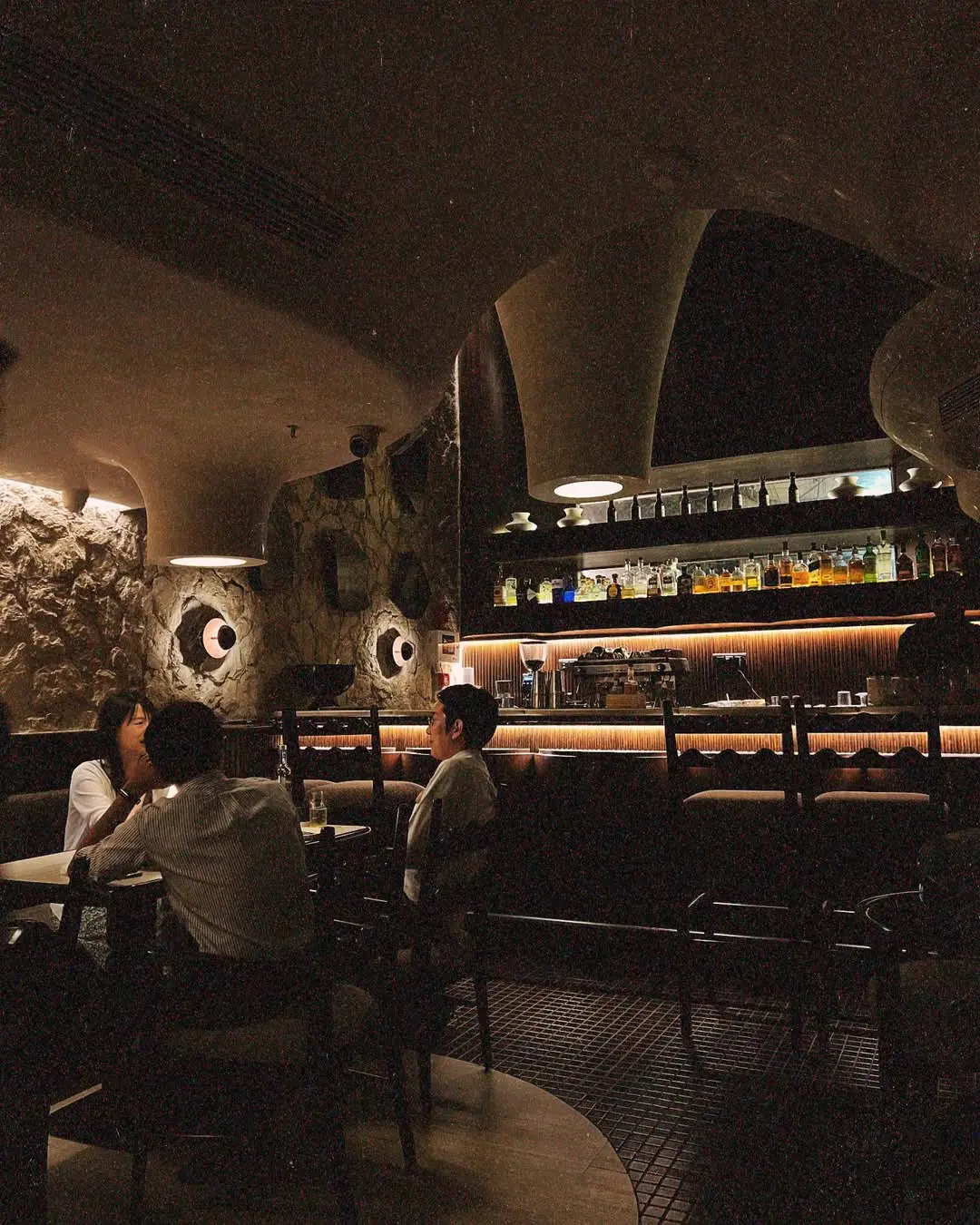
With rising disposable income and the appetite for luxury products in India, especially in metro cities, and its perception as a premium product, sake is increasingly seen as a high-end drink for those looking to indulge in unique and sophisticated options. “We believe sake is here to stay. As Indian consumers become more adventurous, the appreciation for sake’s subtlety and craftsmanship will continue to grow. Its versatility with food supports its long-term potential in the market,” Verma notes.
The growing appreciation for sake is also likely to result in more sommeliers. Those who aspire to learn must consider studying in Japan for deeper immersion, advises Agarwal. That said, there are a few certification options available in India – one of the most popular one being offered by the Sonal Holland Wine Academy in Mumbai. “We conduct sake courses affiliated to the Wine and Spirits Education Trust (WSET). It is one of the leading institutes in London for wine and spirits, and sake education, and we are the licensed provider for their courses here in India,” concludes Holland.