“Most days aren’t all that glamourous”: Rodial’s Maria Hatzistefanis on 25 Years in Beauty
- Beauty Featured
 Staff Writer
- 6 minutes read

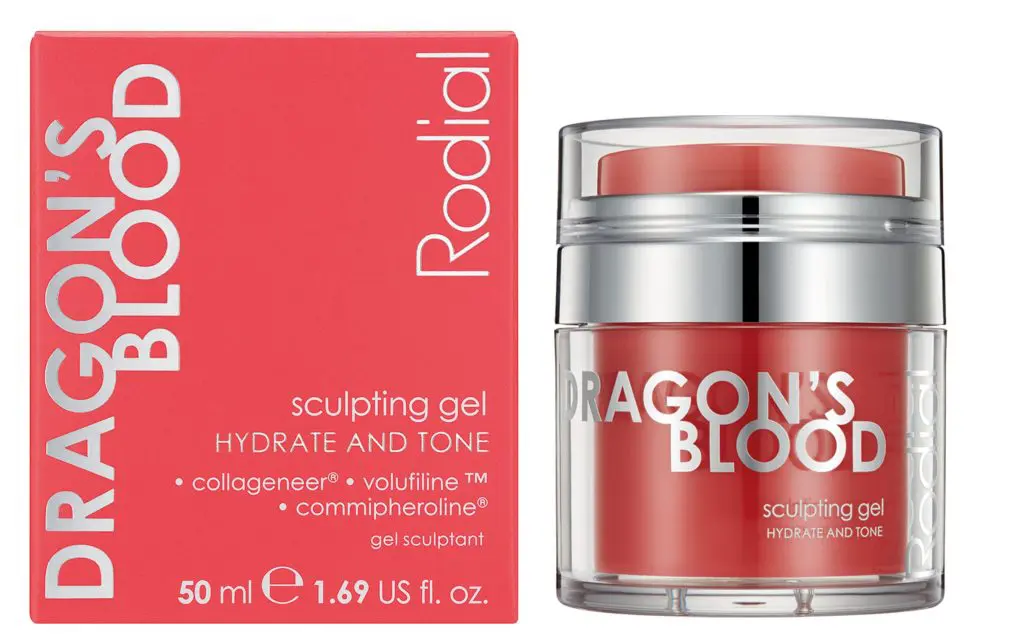
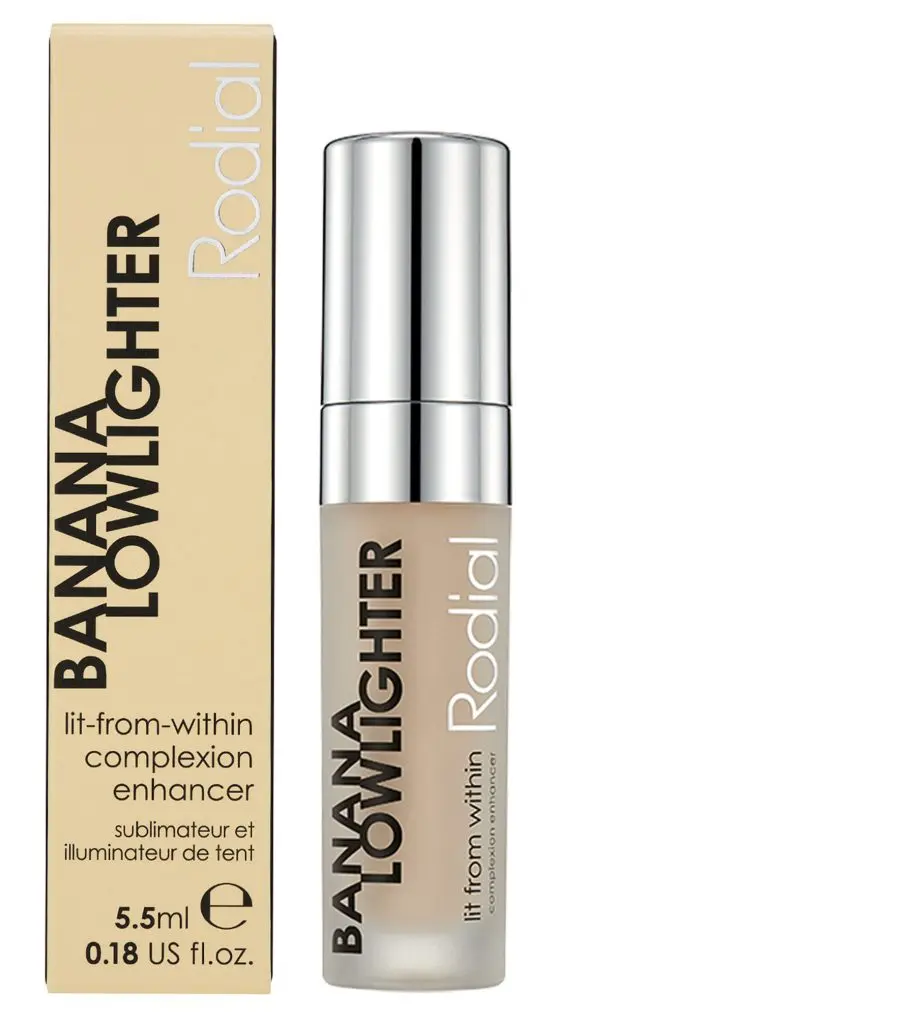
In 1999, when Maria Hatzistefanis launched Rodial, the beauty industry wasn’t the hyper-saturated landscape it is today. Legacy brands took home the big bucks, and disruptors were few. But even then, she saw a gap—consumers wanted skincare that delivered instant success with long-term benefits. “Rodial is bold,” she says, pointing to signature products like Dragon’s Blood Sculpting Gel and Banana Lowlighter. The names alone read like an apothecary’s spellbook. But beneath the branding is a strict results-first philosophy.
No Room for Trends
Beauty moves fast. New ingredients, viral products, and fleeting TikTok obsessions create an industry where brands can rise and fall in a matter of months. But Hatzistefanis has never chased the next big thing. “To not follow the trends—that’s been key,” she says. “I’ve tried trend-led products for Rodial before, and they just never work. Customers want products they’ll use daily, that deliver results, and that they trust.”
It’s a strategy that has paid off. Rodial has expanded into over 35 countries, stocked in 2,000 luxury department stores, and built a fiercely loyal following. While many brands churn out dozens of products a year, Rodial releases only what Hatzistefanis believes will last. “I don’t launch 100 products a year,” she says. “Everything has to be practical, effective, and solve multiple problems.”
The Independence Factor
Her self assuredness has a lot to do with her autonomy as a business owner. Most beauty brands today are backed by investors, growing fast on external funding. Rodial is different. Hatzistefanis owns it outright, a decision she made from the start. “Having big investors or backers allows [brands] cash to grow at a fast rate.”
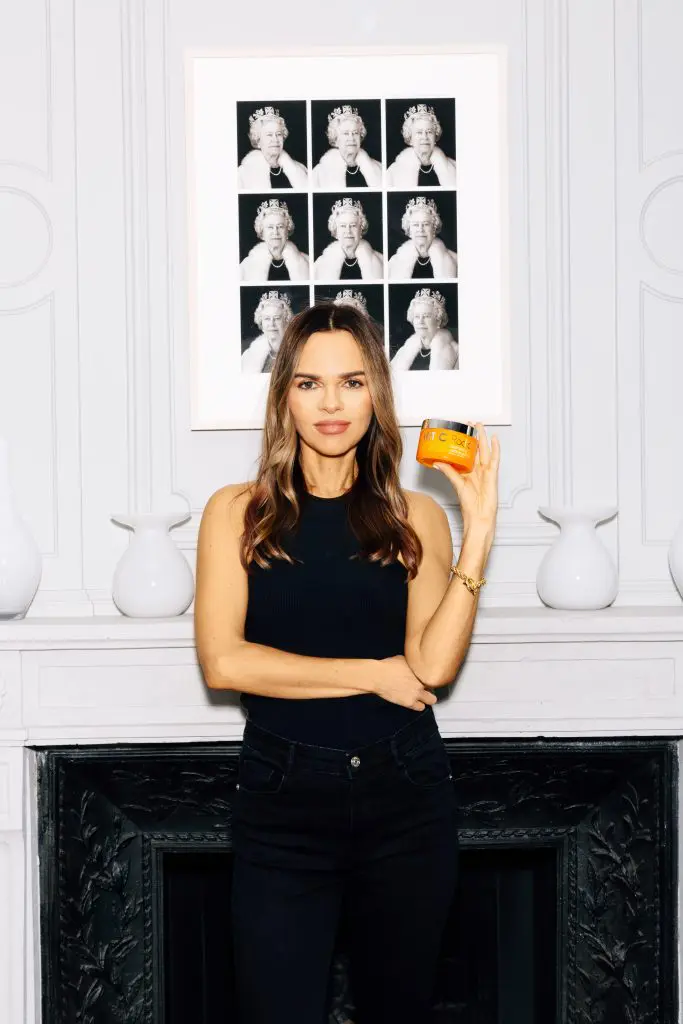
Privately owned brands are rare nowadays,” she says. “But running a successful, profitable business makes me more passionate than scaling quickly just to pay back investors.” This independence means every Rodial product must justify its existence.
A Storytelling Science
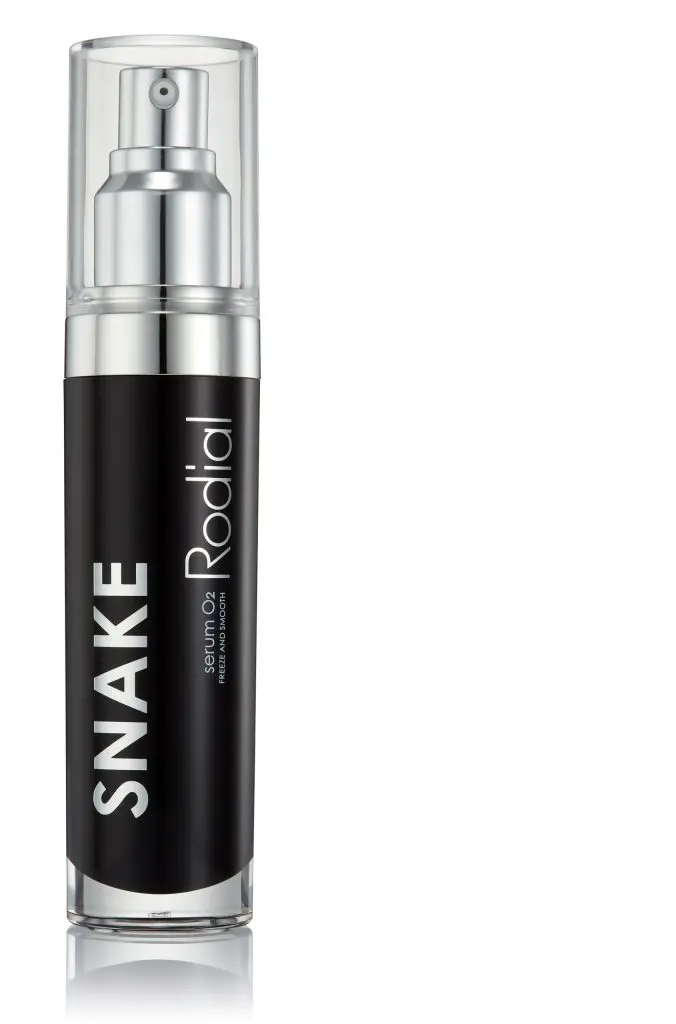
Rodial walks a fine line between clinical efficacy and bold, eye-grabbing branding. “I always wanted Rodial to stand out,” Hatzistefanis says. The brand’s Snake Serum, one of its most famous launches, was inspired by the key ingredient Syn-ake—a peptide designed to freeze facial muscles like Botox. “I loved that it mimicked the effects of being bitten by a snake,” she says. “I thought calling it Snake Serum would create a buzz. My team thought I was insane, but we did it—and we sold out many times over.”
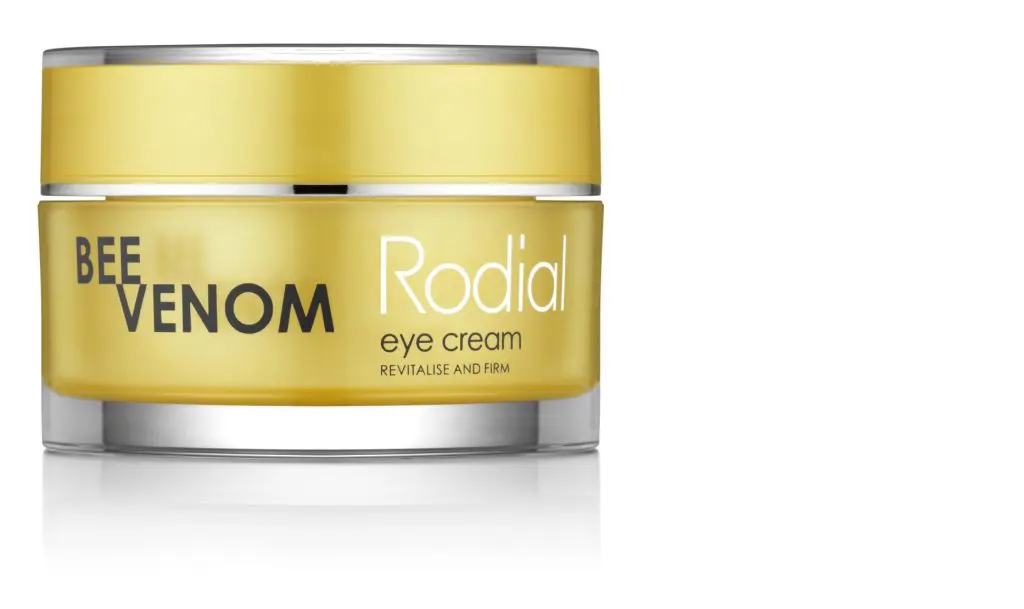
It’s a pattern she’s repeated with other bestsellers, like Dragon’s Blood and Bee Venom. The names might be playful, but the formulations are serious. “We use rare and active ingredients, and we’ve stayed true to that from day one,” she adds.
Behind the Gloss of a Beauty Brand
Hatzistefanis’ life, like most in the beauty business, might seem like an exciting carousel of product launches, front-row seats at Fashion Week, and industry panels. But she’s quick to set the record straight. “Most days aren’t all that glamorous,” she admits. “I love being a founder and CEO, but my time is mostly spent dealing with stock issues, spreadsheets, and HR problems.
The time to be creative and do the ‘fun’ things is limited.” It is this discipline has helped Rodial maintain its identity even as the brand has grown. “It takes a lot of work to preserve the essence of your company,” she says.
Beauty in the Digital Age
While Rodial built its reputation in luxury department stores, social media has reshaped how it reaches customers. “Social media is core to how we market Rodial,” Hatzistefanis says. She runs her own channel, @mrsrodial, where she connects directly with customers and pulls back the curtain on running a brand. Influencer collaborations have also played a role, particularly for complexion products like Banana Lowlighter, which has gone viral multiple times.
But not every social media led phenomenon sits well with her. The increasing number of young consumers—some as young as 10—using skincare concerns her. “It’s really scary,” she says. “Children are influenced by TikTok and social media to use expensive products with harsh ingredients like retinol. There are big brands benefitting from this, when really they should be working to correct the misinformation.”
Would She Launch Rodial Today?
Hatzistefanis is under no illusions about the current state of the industry. “If I were launching Rodial today, in 2025, would I do it? Honestly, no,” she says. “The market is oversaturated, and not all the brands available now can survive.”
But Rodial has survived. More than that—it has thrived. Twenty-five years on, it’s still a leader in high-performance skincare. And Hatzistefanis, spreadsheets and all, isn’t slowing down.
Visit Rodial’s website to know more.