The Hottest Home Decor Trend? Being Earth-Friendly

By: Joanna Lobo
At The Orchard Manor villa in Anjuna, I see first-hand how old objects find new purpose. It’s evident in the Dutch colonial blanket chests that are now showpieces, the lights sourced from old disbanded clubs, in the ivory keys of a Blüthner grand piano in the hall, bought in 1874 by Irish nuns, and in a lamp that survived the attack at the Taj Mahal Palace in Mumbai. Each piece is unique, tells a story about its history, and additionally, gives a lesson on the importance of ‘reduce and reuse’.
Sustainability has been a buzzword for many years now and the home décor industry is no stranger to its demands. Lately, there’s been a conscious shift to eco-friendly design, biodegradable or upcycled products, the use of renewable materials and energy-efficient technology, and a marked shift toward future-facing practices.
The market agrees. Insight Ace Analytics finds that the Global Sustainable Home Decor Market Size is valued at USD 4.5 Bn in 2024 and is predicted to reach USD 9.4 Bn by the year 2034. Future Market Insight’s Personalized Home Décor Market finds that there has been increased demand for natural, recycled and biodegradable products. The 17th edition of the trade show, HGH India, was held in July in Mumbai and sustainability was an important cause.

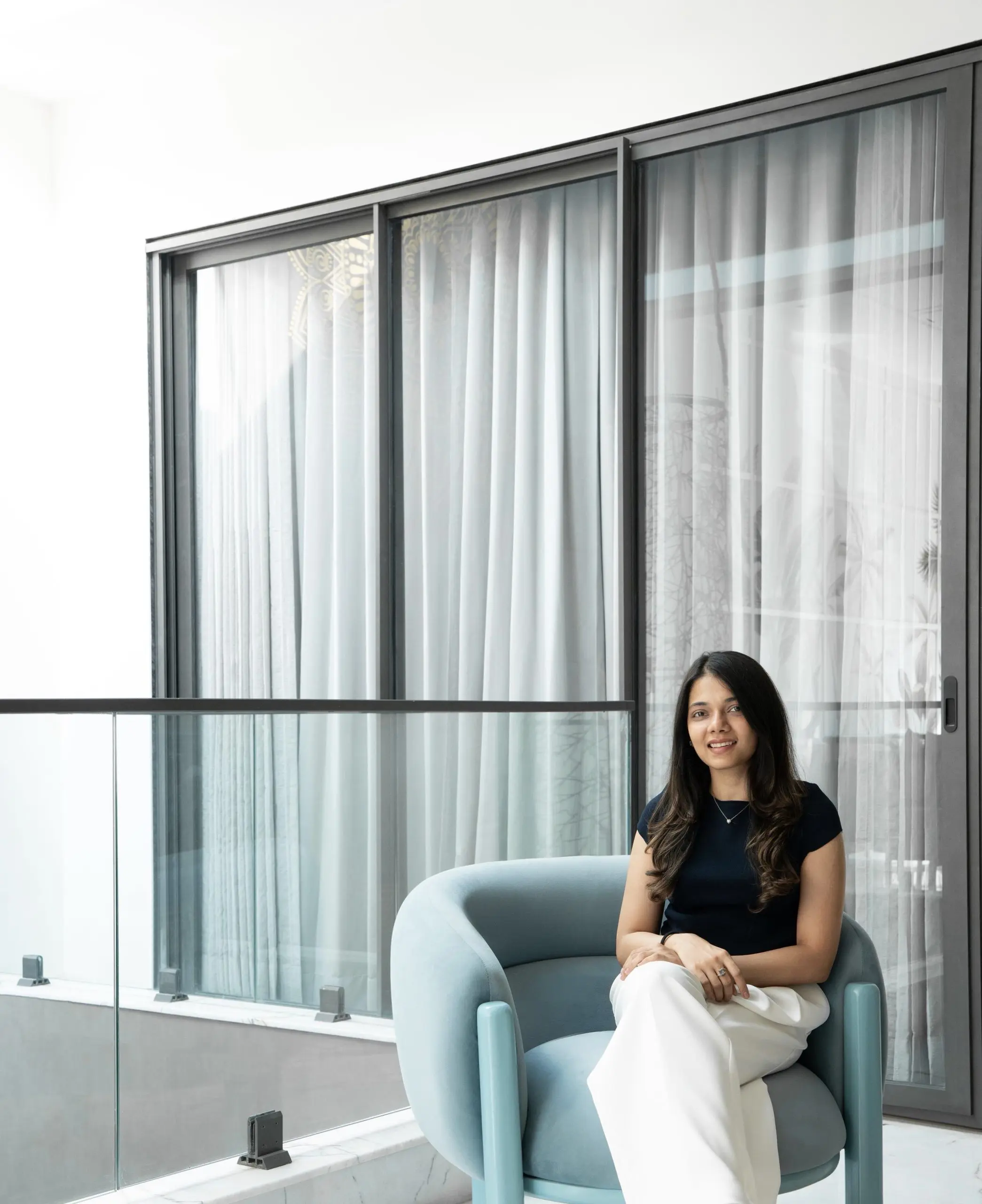
“Sustainability shouldn’t be framed as a choice anymore. It has to be a responsibility,” says Tushti Goyal, Founder and Creative Director, Kōra Home. “The idea of sustainability isn’t just about the materials we use, but about the mindset we design with. Are we creating things that will last? Will they age well, both aesthetically and ethically? Will they end up in landfills, or become heirlooms?”
A Material World
A big trend these days is using renewable natural materials, including bamboo (which grows quickly) and using salvaged wood to make products. In terms of organic products, responsibly sourced cotton, bamboo and linen are preferred.
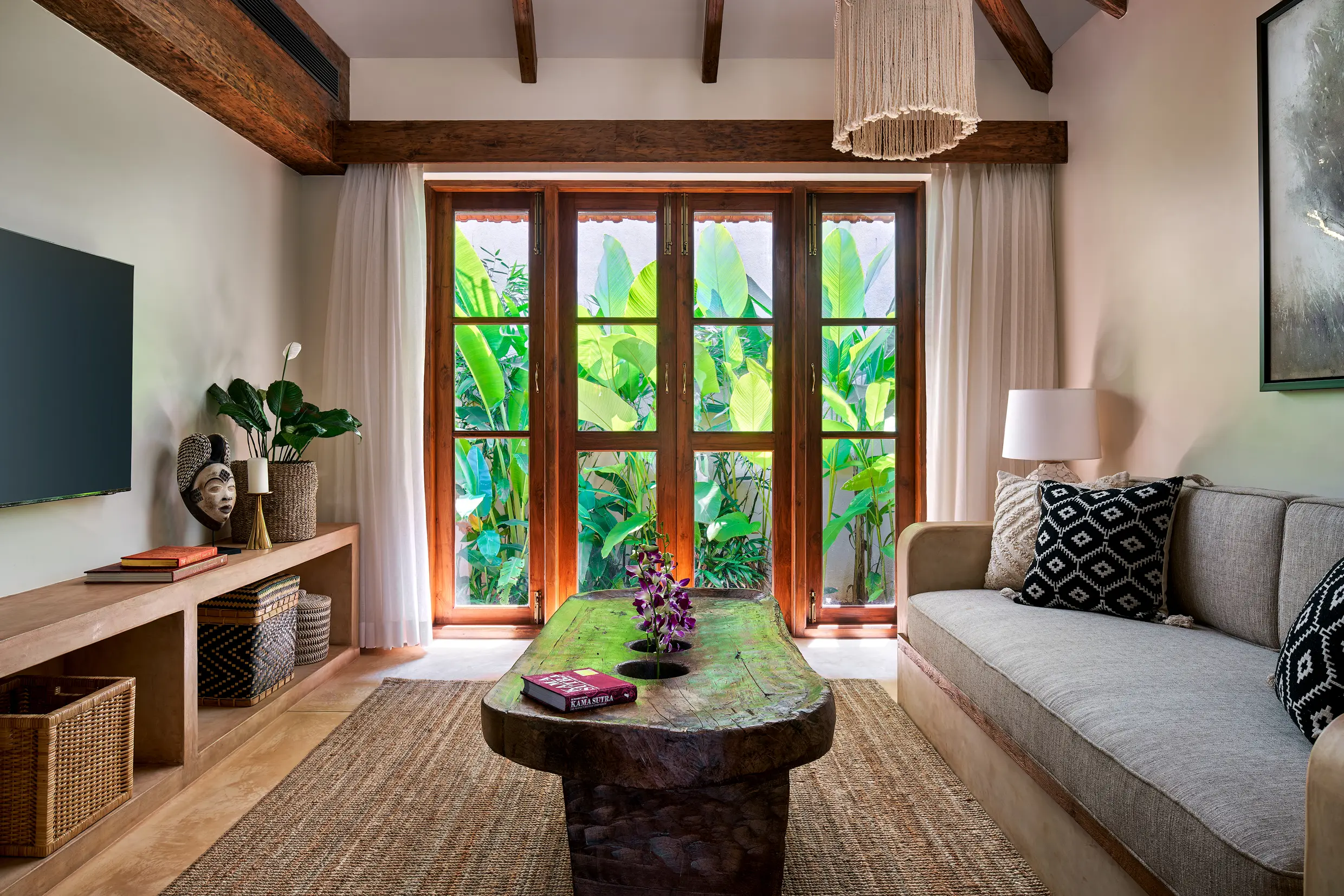
“We do not use sustainability as a loose term. Our practice may not be 100 percent sustainable, but we make honest efforts,” says Raya Shankhwalker, Founder and Principal Architect of Raya Shankhwalker Architects (RSA) in Goa. “We use about 60-65% recycled or reclaimed wood. Additionally, we use handloom material in our fabrics, natural materials like cane, and upcycle found objects in their décor.” For instance, oyster shells found in the windows of old Goan homes are repurposed into a screen board.
“We encourage our projects/ clients to not overdo our spaces, or overconsume and to practice minimalism. When we intervene in old houses, we try to use as many old materials in whatever fashion possible,” adds Shankhwalker.
When choosing materials, it is important to opt for materials with low environmental impact and longer life cycles, says Amrita Gupta, Director and Chief Interior Designer, Manglam Group. It includes lime plaster, reclaimed wood, local stone, handmade tiles, and untreated natural fabrics like cotton or jute — these materials age well, breathe naturally, and often require less processing. “Designers and developers need to ask who made the product, under what conditions, and how far it has travelled. In projects where we have focused on local sourcing, not only has the design felt more rooted, but it has also supported craft communities and reduced waste. A responsible approach to material selection can shift the industry in a positive direction, making homes feel more honest and better connected to their context,” she says. Manglam Group’s projects focus on materials that last, age well, and come from responsible sources as the base of their interiors. There’s attention given to how spaces use natural light and ventilation, and they source locally, keeping the supply chain short and efficient. “The focus is not just on reducing harm, but on making choices that feel real and long-lasting,” says Gupta.
Elsewhere, other brands are also focussing on such earth-friendly materials. Home textile brand Dorii uses natural 100% cotton fabric in their products. Oorja lighting design studio in Bengaluru promotes sustainability through their use of eco-friendly materials (cork, bamboo fibre). Amouve, the organic bedding and bath brand, sources cotton directly from farmers. Interior design studio, Kōra Home, uses a mix of reclaimed teak, sleeper wood, cane, bamboo, natural stone, and organic textiles like unbleached cotton or handwoven khadi in their products. “These aren’t just materials, they carry memory, texture, and a sense of time. We work closely with local suppliers and small-batch craftsmen, so the supply chain stays short and intentional,” says Goyal.
An emphasis on materials with the lowest ecological footprint and the longest possible life span supports Saraf Furniture’s sustainable goals. For furniture and décor, they use reclaimed wood, bamboo, rattan, cane, jute as well as FSC-certified hardwoods, water-based eco-friendly finishes and glue upholstery made of organic or reclaimed textiles. “Sustainability is about creating a good system that regenerates and respects natural resources,” says Raghunandan Saraf, Founder & CEO, Saraf Furniture.
Rosemoore is a home fragrances brand that believes in weaving eco-friendly choices into every stage — how they source, package, and how their candles and décor work after they’re opened. “For fragrant items, we select clean, plant-based wax, essential oils from traceable farms, and boxes that fold flat for later recycling. The goal is simple: make every piece beautiful without leaving a heavy footprint across land, air, or sea,” says Ridhima Kansal, Director, Rosemoore.
Goyal stresses that if more of the industry leans into these kinds of materials not as an afterthought, but as a design choice, it will lead to not just more sustainable homes, but more meaningful ones.
The Cost of Going Green

It is well-understood that earth-friendly products and choosing responsible sourcing comes with a cost. Responsible forestry, fair labour, and non-toxic treatments increase the production cost, which raises the final price, maintains Saraf. “On the other hand, eco-friendly wooden furniture is long-lasting, making it a long-term investment rather than a throwaway purchase. This translates to reduced savings but increased durability, safety, and favourable ethical impact,” he says. It is only when consumers understand what their money supports, that they become more willing to pay the extra cost, he adds.
“Sometimes, the cost of doing things right is higher than doing them fast,” says Goyal.
Reclaimed wood, for example, has to be treated, reworked, and often hand-finished which adds to labour. Handmade tiles or custom cane work take time and skill, unlike mass-produced alternatives. “You’re not just paying for a product; you’re investing in its story, its craftsmanship, and its positive impact. And increasingly, our clients understand that.”
A Return to Traditional Crafts
If sustainable homes had a soul, it would be woven by the hands of an old artisan.

A big positive of the move towards sustainable interiors and décor is a return to traditional crafts. Many brands are working with local artisans to promote local crafts and locally sourced materials. This not only provides income to these artisans but gives them the chance to add a touch of the contemporary to their art.

“The way forward is to look at these traditional objects, and crafts. In many cases these are low carbon footprint products that keep local crafts alive,” says Shankhwalker. “We need to start looking at such craft products and incorporating them in our everyday life as elements of fashion and style.”
In Nagaland, Tribolt is a furniture and interiors venture that uses traditional Naga carving techniques, employs tools like daos (long blades), and works with Naga youth and artisans. Sirohi employs women artisans from five states across India to design their home products; additionally, they convert 15,000 kgs of Textile and multi-layered plastic (MLP) waste used to weave products every month. Kar Conscious Living, which employs women from Uttarakhand, uses block print, knitting and crochet on materials like wool and bio-washed cotton. Junekeri Homes décor pieces use locally-sourced natural fibres, rain-fed cotton, and small things like coconut buttons and ensure their products are made in small batches by artisans across the country. Home décor brand Rihaa works with artisans, NGOs and Trade Facilitation Centres.
“Sustainability, for our clients, isn’t just about ethics anymore. It’s about emotion,” says Goyal. “And that’s where natural materials speak the loudest quietly, but with great presence.”
How to make more conscious choices ?
- Incorporate reclaimed and recycled materials.
- Use more vintage and second hand furniture and décor items.
- Focus on energy-efficient LED lighting, water-saving fixtures and low-consumption appliances.
- Use multifunctional furniture, which saves space and looks good.
- Every item of décor saved is one less item bought.
- Reuse and repurpose old materials.
You May Also Read: Rahul Mishra Debuts His Architectural Project ‘Aatman’ in the Himalayas