2025 Decor industry Forecast: Sustainability to experiential retail
- Design Featured
 Staff Writer
- 6 minutes read

The premium home décor market is set for an exciting transformation in 2025, shaped by evolving consumer preferences, cutting-edge technologies, and a renewed emphasis on sustainability. To understand how the industry is poised to evolve, we spoke to leading experts in the field, including Saba Kapoor, Sachin and Neha Gupta, and Angelique Dhama, who shared their insights into emerging trends and shifting priorities. From the rise of bespoke designs and experiential retail to the integration of wellness elements and bold aesthetics, here’s a detailed look at what’s defining high-end interiors this year.
Emerging Design Trends
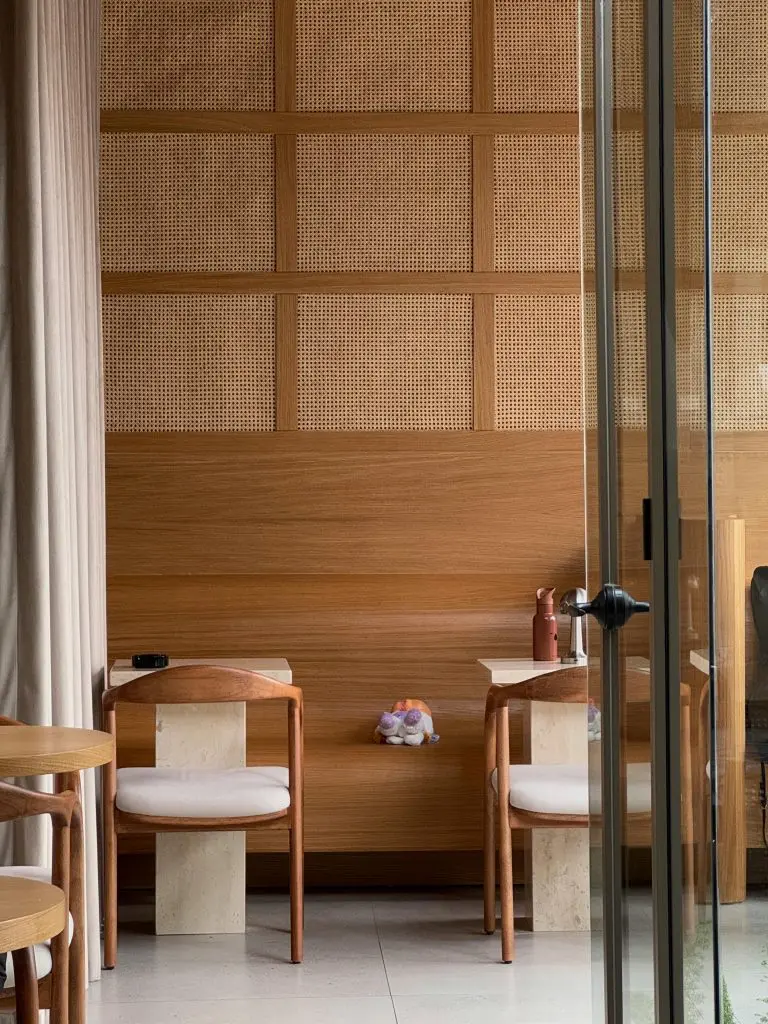
Understated luxury, infused with hand-crafted artistry and natural elements, will dominate premium interiors in 2025. “Muted, earthy colour palettes paired with warm wood tones and brushed brass accents create spaces that feel timeless, yet modern,” shares Nivasa’s Co-founder, Saba Kapoor. This aesthetic is complemented by biophilic elements like indoor greenery, reclaimed materials, and organic textures, offering a seamless blend of indoor and outdoor living.
In contrast, Sachin and Neha Gupta at Beyond Designs observe a growing embrace of boldness and maximalism. “Intricate details, layered textures, and striking colour palettes will define the design narrative,” they note. Materials such as exotic marbles, richly grained woods, and luxurious textiles like silk and velvet will elevate the sense of opulence.
Shifting Consumer Preferences
Consumer spending on premium interiors has evolved, with a growing emphasis on quality, craftsmanship, and personal expression. “Consumers are now prioritising investment in versatile, sustainable pieces that offer enduring value,” says Kapoor. Echoing this sentiment, Angelique Dhama, President of Obeetee Pvt. Ltd., highlights the demand for designs that push boundaries and offer provocative narratives. “There’s a shift away from mass-produced luxury toward curated environments that reflect individuality,” observe the Guptas. This aligns with the increasing desire for heirloom-worthy designs that can go down in posterity.
Sustainability and Ethical Sourcing
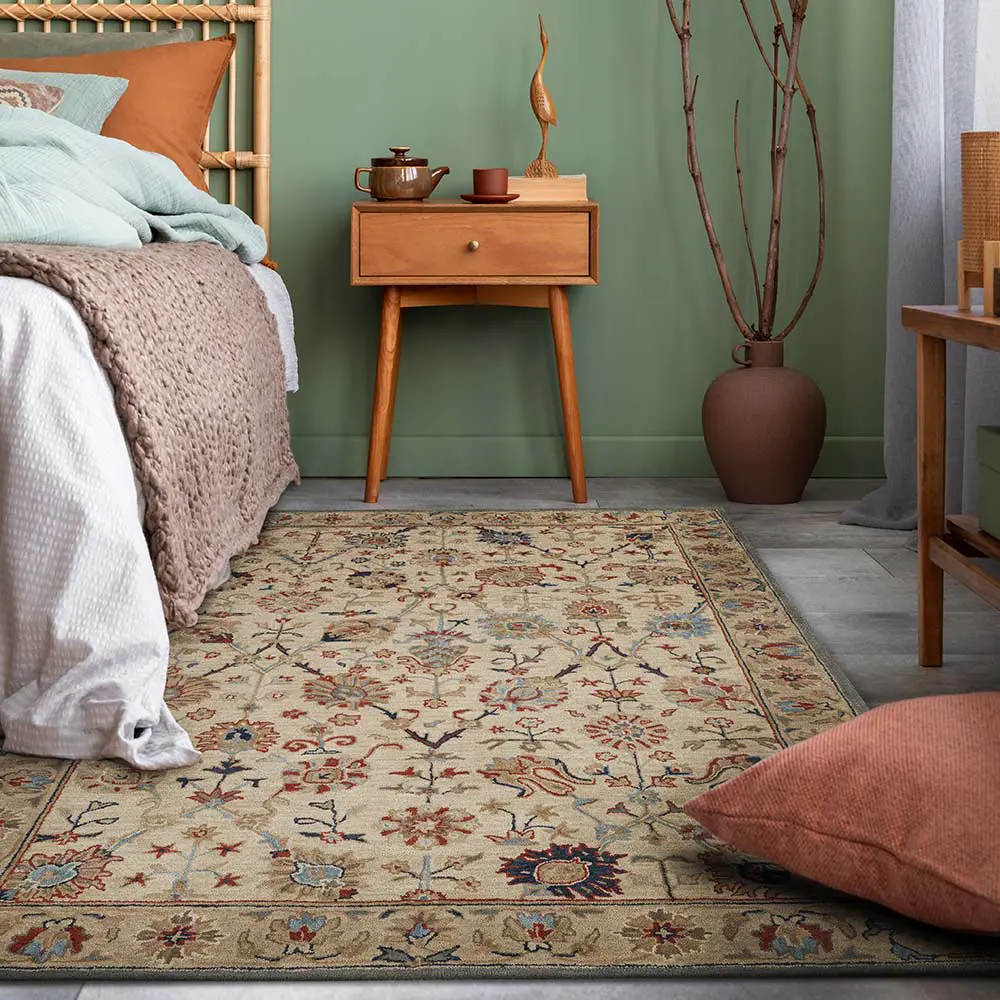
Sustainability is now a cornerstone of premium design. “Clients seek products made from responsibly sourced materials and brands with transparent production practices,” Kapoor emphasises. Dhama notes that high-end décor uniquely lends itself to mindful consumption, allowing consumers to gradually add pieces that align with ethical values. “The most ethical choice is an informed choice,” she states, underscoring the importance of transparency in production practices.
Technological Innovations
Emerging technologies are transforming how premium interiors are crafted and marketed. “3D visualisation simplifies the design process, allowing clients to pre-approve plans seamlessly,” Kapoor explains. Dhama highlights the role of augmented reality in reshaping the shopping experience, enabling consumers to visualise products within their spaces. “This technology bridges the gap between concept and execution, ensuring a client’s vision is realised before the planning stage concludes,” she adds.
Experiential Retail
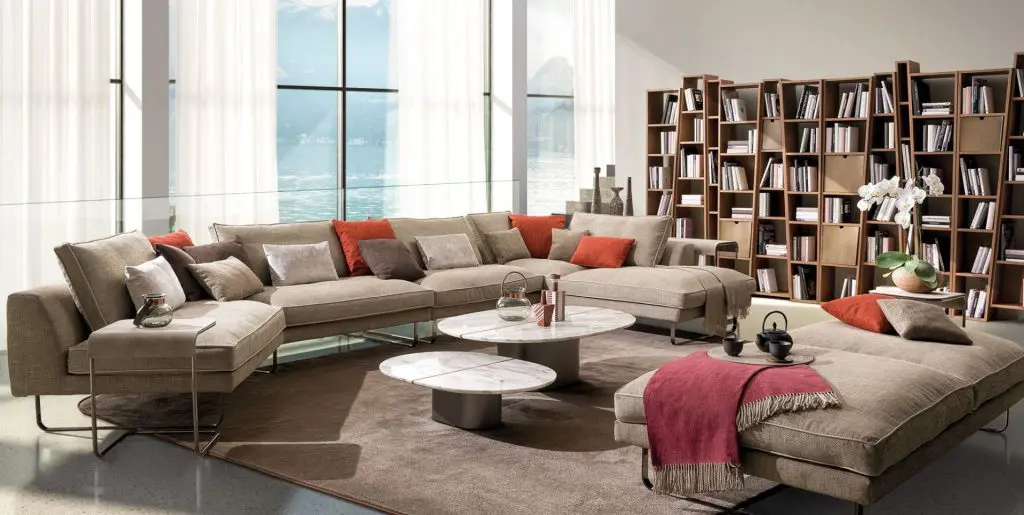
Experiential retail has become a pivotal aspect of the premium décor market. “Our experience centres serve as immersive environments where clients can see, touch, and feel the essence of understated luxury,” Kapoor remarks. Similarly, Dhama describes Obeetee’s retail spaces as “libraries of design,” where customers can explore the brand’s legacy and craftsmanship. The Guptas believe experiential retail enables clients to “visualise curated collections within lifelike settings, making purchasing decisions more intuitive.”
Bespoke Design
Customisation remains at the heart of premium interiors as it is with the luxury industry at large. “Clients desire pieces that reflect their personality and lifestyle,” Kapoor asserts. The Guptas agree, noting that bespoke designs serve as “conversation starters and legacy items.” Dhama emphasises that bespoke designs allow customers to indulge their artistic side, transforming them into creators rather than just a passive consumer. This trend is expected to grow, as personalisation becomes synonymous with exclusivity.
Cultural and Wellness Influences
Global design movements continue to inspire affluent clientele. “Scandinavian simplicity, Japanese wabi-sabi, and biophilic elements,” Kapoor explains. The Guptas observe a healthy mix of global design styles driven by cultural fusion, while Dhama highlights the importance of aligning design choices with individual lifestyles.
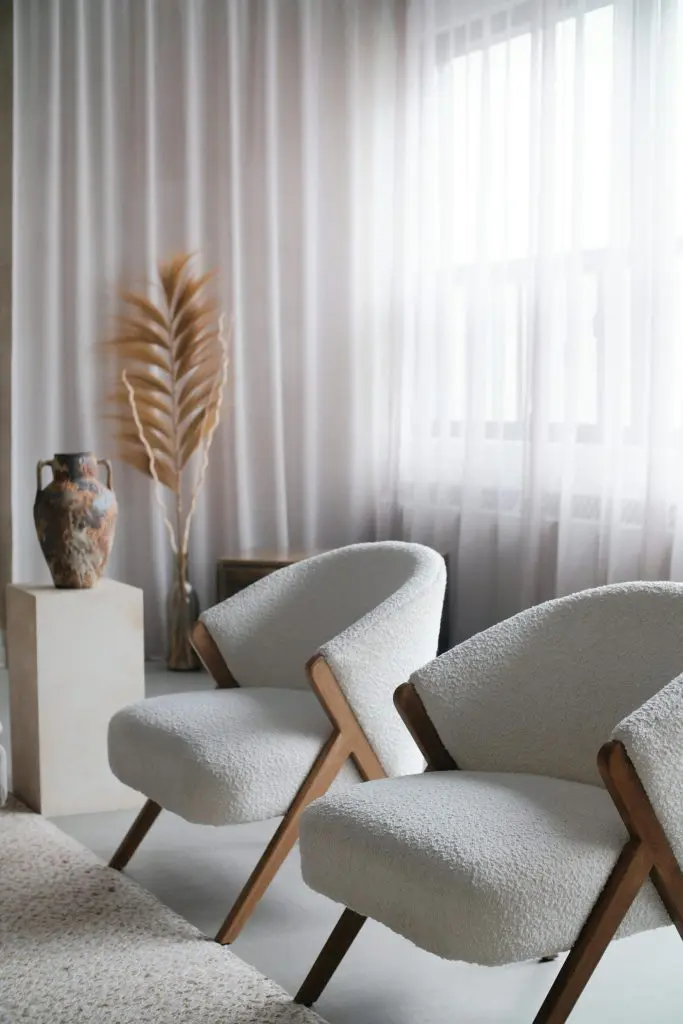
Wellness-inspired spaces are also reshaping design priorities. “Clients seek spa-inspired bathrooms and serene home offices that promote relaxation and rejuvenation,” Kapoor notes. Natural materials, ambient lighting, and ergonomic furniture are key elements in these spaces. Dhama adds that wellness often reflects in environmentally friendly materials and versatile décor options, transforming homes into retreats.
Product Categories to Watch
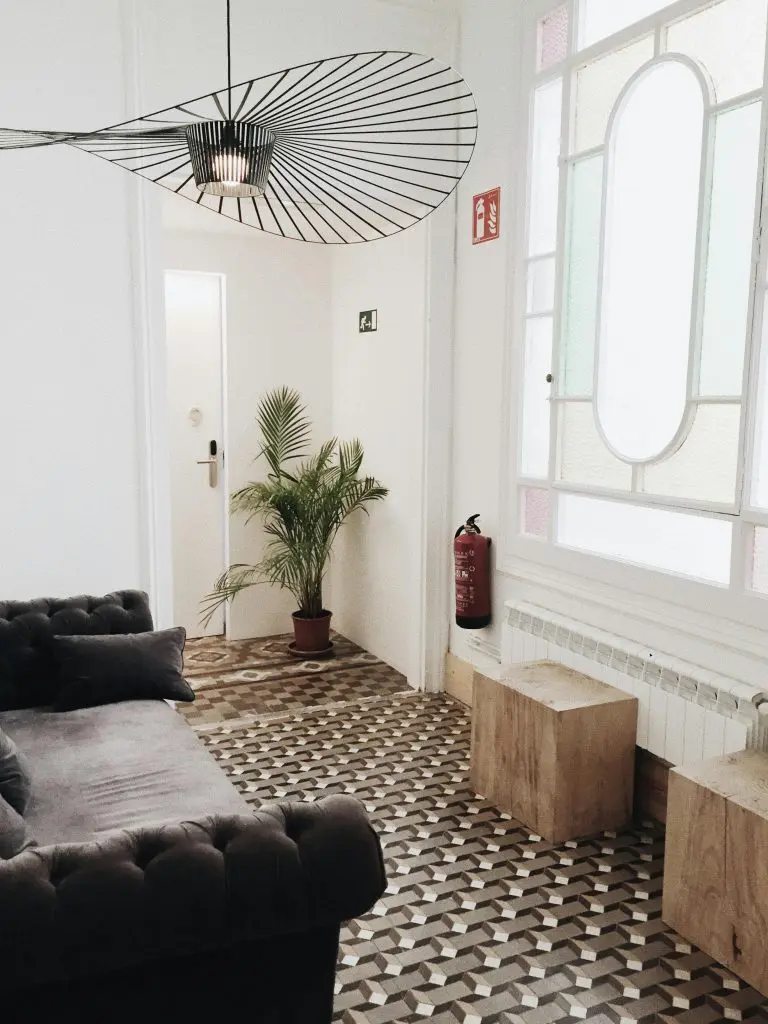
Certain product categories are set to outperform in 2025. “Statement lights with sculptural appeal and functional artistry will dominate,” say the Guptas. Kapoor highlights the appeal of furniture crafted from natural materials and textiles featuring handcrafted details. Dhama points to the versatility of textiles, noting their ability to enhance any space with warmth and texture.