Control your frizzy hair this monsoon with these tips
- Beauty Featured
 Arushi Sakhuja
- 7 minutes read

Arushi Sakhuja
Monsoon is romantic, the smell of wet soil, and the pitter-patter sound of rain, almost always work as a destressor. But with the good comes the dreaded humidity for those with curly locks. It’s often that time of the year when no matter what you may try, your perfectly styled hair goes from glam to drab within seconds of stepping out. But this season it is all about embracing frizzy hair and doing away with the uncalled-for bad hair days. High humidity, increased moisture, and unpredictable weather can make your hair excessively damp, leading to dryness, hair loss, an itchy scalp, and frizzy hair.

When it comes to the basics of haircare in monsoon, oiling and some extra TLC are the rule of thumb. However, it also means shifting your gaze to the excessive use of heat and styling tools that can often do more harm than good. To combat these seasonal issues, we spoke to experts to share their insights on the best ways to control frizzy hair this monsoon.
Dr. Veenu Jindal, dermatologist and founder of Rasa Derm

Frizz occurs when the cuticle layer of the hair lifts, allowing moisture to penetrate and swell the hair shaft. This season, you can manage frizz with a simple hair care routine, according to Dr. Veenu Jindal, dermatologist and founder of Rasa Derm. She recommends starting with gentle, sulfate-free shampoos, stating, “This will prevent the removal of natural oils; for example, use sodium cocoyl isethionate instead of sodium laureth sulfate.” Dr. Jindal advises limiting hair washing to two to three times a week to help maintain this oil balance.
For deeper cleansing, she suggests using humectants like glycerin and conditioners that contain emollients such as cetyl alcohol. “To create a protective barrier, choose leave-in conditioners with silicones—dimethicone,” she adds. For extra hydration, apply penetrating oils like argan or coconut oil. Addressing the challenges of heat styling, Dr. Jindal recommends using products with polyquaterniums or silicones beforehand and cautions, “To avoid protein denaturation, keep styling equipment at 150°C (300°F).” Another useful tip is to use microfiber towels to reduce friction and static electricity. “Prefer air drying, or if you use a blow dryer, select a cool setting,” she suggests.
For added care, schedule trims every six to eight weeks to prevent frizz and split ends. Consider using anti-frizz serums with dimethicone for a smooth finish, and look for products that include natural moisturizers like aloe vera, honey, or panthenol. Ultimately, Dr. Jindal emphasizes the importance of a balanced diet, which provides essential vitamins, minerals, and fatty acids, along with plenty of water to keep your hair healthy.
Vaishakhi Haria, Hair Artist at Schwarzkopf Professional and owner of Splash, The Salon
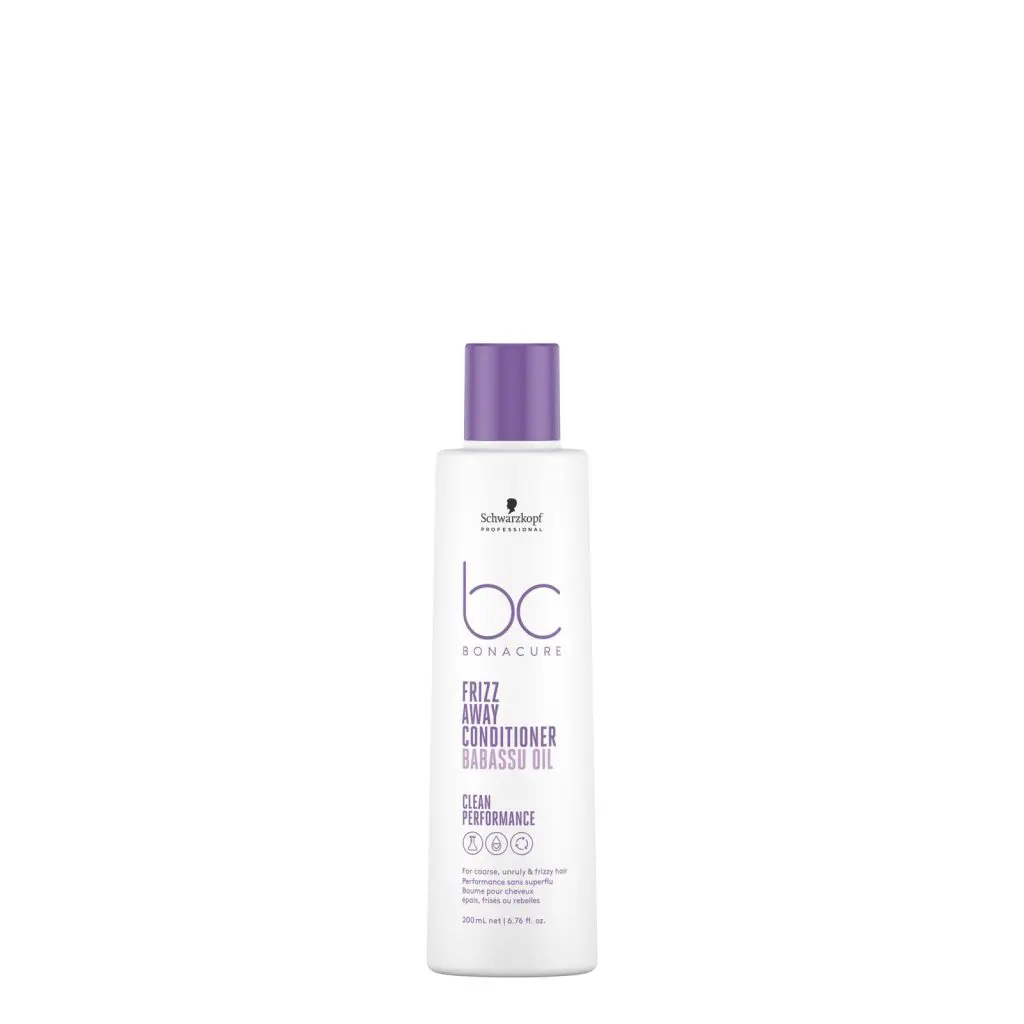
“Managing frizz during the monsoon can be a challenge,” says Vaishakhi Haria, Hair Artist at Schwarzkopf Professional and owner of Splash, The Salon. Offering advice on a hair care routine for frizzy hair, she suggests, “Start by shampooing to gently cleanse and improve manageability. Follow with a hair mask to deeply nourish and tame frizz, then finish with a smoothing oil. This regimen ensures effective frizz control and a polished appearance during the season.” She recommends Schwarzkopf Professional’s Bonacure Frizz Away Range, enriched with Babassu oil. “Infused with Babassu oil, known for its anti-frizz and anti-humidity benefits lasting up to 72 hours, this range is your ally.”
Dr. Geetika Mittal Gupta, Founder of Isaac Luxe

Waking up to a head of unruly, frizzy hair can be a frustrating experience, but Dr. Geetika Mittal Gupta, founder of Isaac Luxe, offers essential dos and don’ts for taming frizz. To start, she recommends embracing cooler showers, as washing with cold water helps prevent overdrying and keeps both hair and skin healthy. A cold rinse at the end enhances results, while tying your hair up can protect it from hot water. For drying, Dr. Gupta advises using a microfiber towel or cotton t-shirt instead of regular towels, as these materials minimize friction and reduce frizz. Staying hydrated is crucial, too; drinking enough water allows your hair to receive moisture from within, diminishing dryness. She also emphasizes the importance of choosing gentle, moisturizing hair products that avoid harsh chemicals and sulfates, which can strip natural oils and lead to damage.
In terms of tools, a wide-tooth wooden comb is preferable over plastic, as it helps reduce static electricity that exacerbates frizz. Deep conditioning is essential; using a generous amount of conditioner after shampooing repairs damage and seals the cuticle, making hair softer and more manageable. Hair masks infused with avocado oil can provide deep hydration, effectively smoothing unruly strands.
On the flip side, Dr. Gupta warns against the overuse of heat styling tools, which can cause dryness, breakage, and increased frizz. Chemical treatments, especially during the monsoon, can heighten the risk of damage and should be postponed until drier conditions. She advises against vigorously rubbing wet hair, as this creates tangles and leads to brittleness; instead, gently pat your hair dry. Washing with hot water is a no-go, as it strips natural oils and exacerbates frizz, so opt for lukewarm water. Finally, tight hairstyles that pull on the hair can cause damage, so choosing loose styles helps minimize friction and protect the cuticle.
By following these simple do’s and don’ts, you can effectively combat frizz and enjoy smooth, silky hair throughout the humid season.