The Silver Train: A journey through Indian palace kitchens
- Featured Food & Beverage
 Luxebook
- 6 minutes read

By: Indu Joshi
There are restaurants that serve royal Indian food, and then there are restaurants that feel as though they’ve inherited the memory of it. The Silver Train belongs firmly in the latter category.
Located within Phoenix Palladium, Mumbai, The Silver Train may sit inside a modern luxury mall, but its imagination belongs to another India entirely. It is a restaurant built as much on storytelling as it is on food. Long before the first kebab arrived at the table, the evening had already become a story.
Chef Anuradha, warm, articulate and wonderfully unpretentious, spoke of growing up in an erstwhile zamindar family, surrounded by tales of royal kitchens, elaborate dinners and encounters with Indian royalty that most of us only read about in history books. One childhood memory, in particular, lingered.
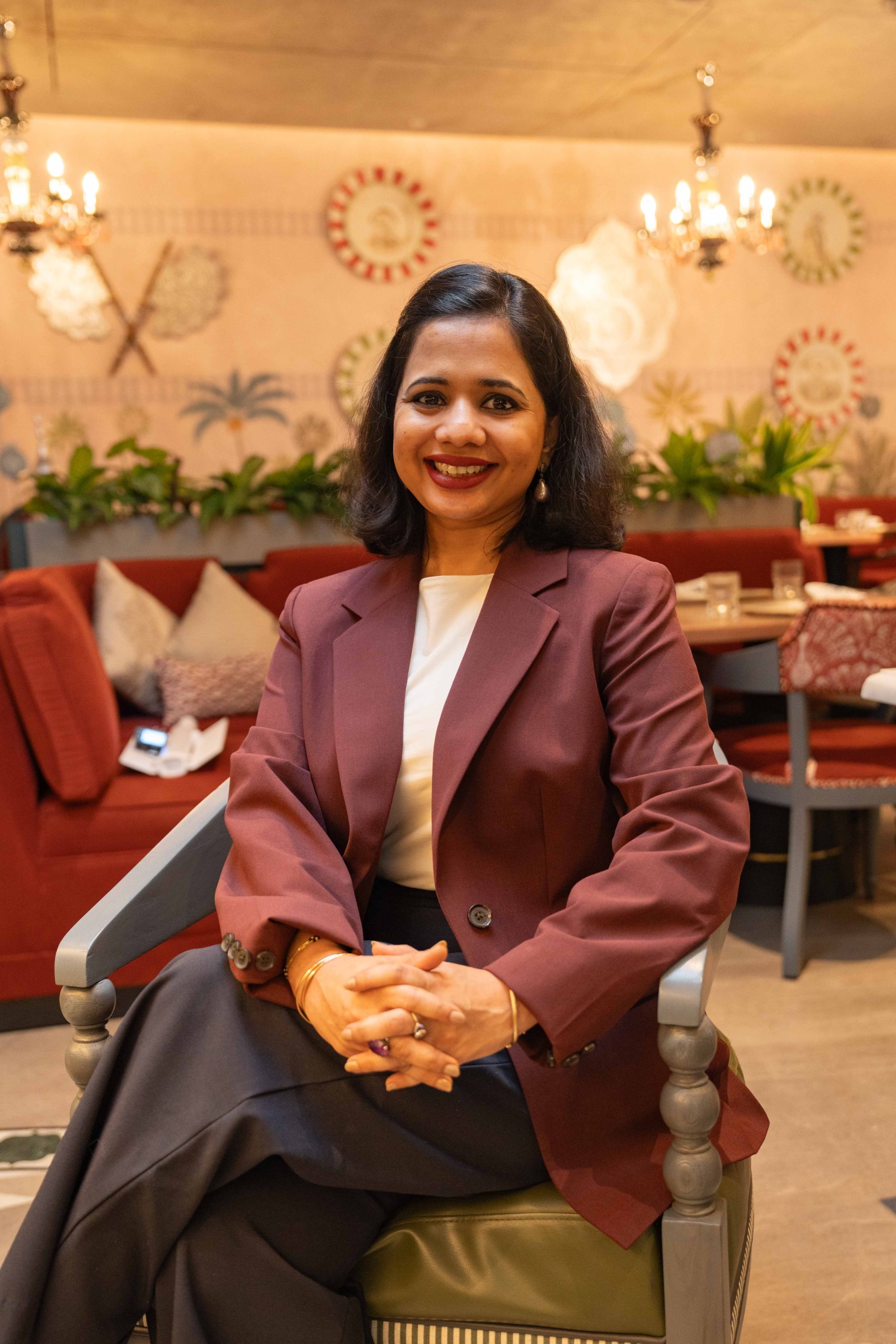
“The first time I saw the silver train, I was five,” she recalled. “Running along the banquet table at Jai Vilas Palace, Gwalior, it felt less like an object and more like pure spectacle.” For a child, it was a moment of awe — something so fantastical that it stayed with her long after, finding its way into memory and fascination well into adulthood. Decades later, that image would inspire the name of her restaurant.
And somehow, that explains everything about The Silver Train. It is not performative luxury. It is memory, nostalgia and history plated with affection. The menu travels across palace kitchens and royal households with remarkable ease, but what makes it special is that it never feels museum-like. These are dishes that breathe history.
The evening began with the Makkai Akhrot Ke Kebab — sweet corn seekh kebabs enriched with walnuts and mamra badam. Crisp outside, soft within, and paired with pudina and imli chutneys that brought brightness and tang. Comfort food dressed in regal clothing.
Then came the Bihari Chura Matar, a deceptively simple dish from the palace kitchens of Darbhanga. Flattened rice, sweet peas and spice transformed into something deeply addictive. The sort of dish one keeps reaching for absentmindedly while talking.
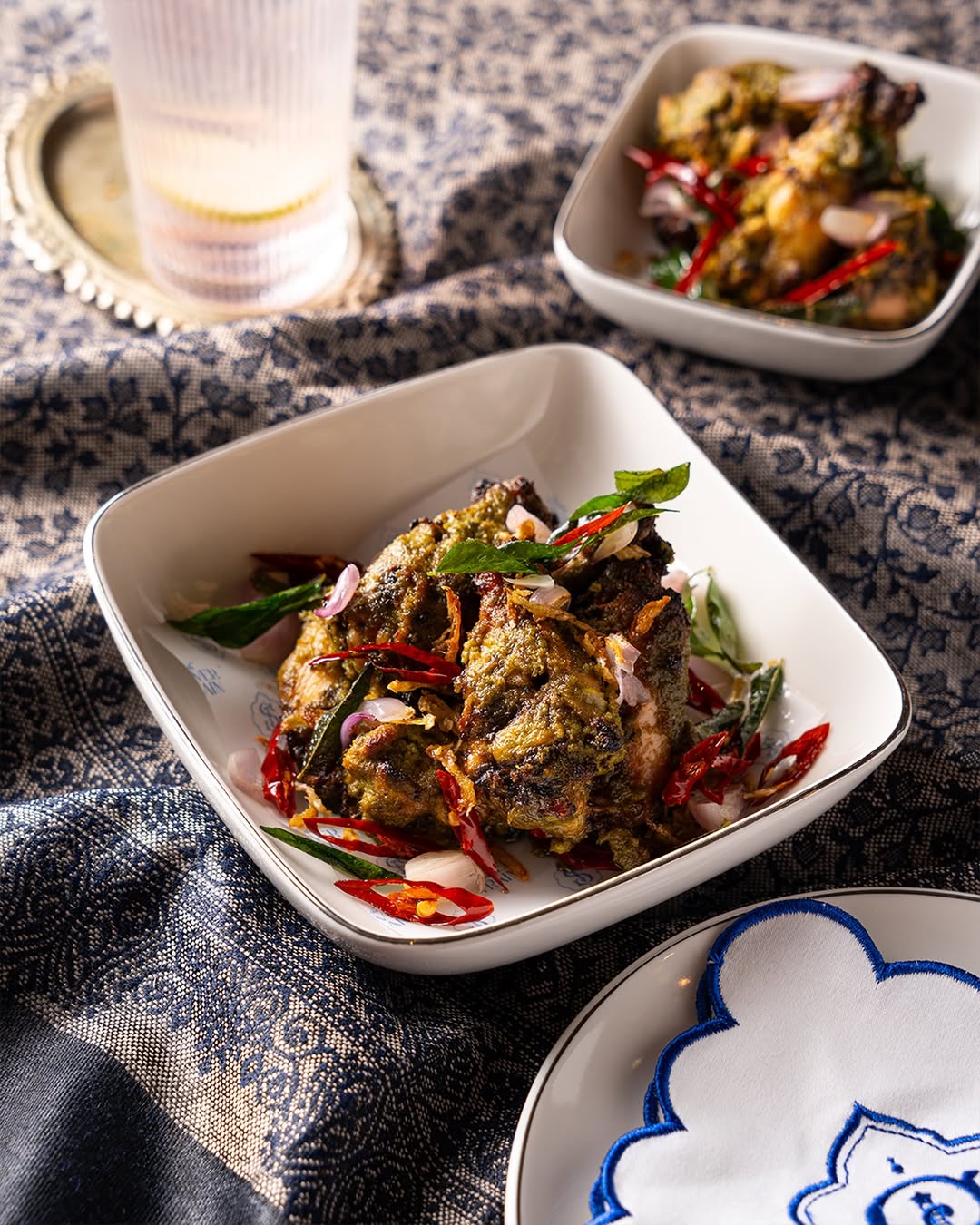
The kebabs, however, truly announced the kitchen’s confidence. The Kandhari Murg Tikka — marinated in spiced pomegranate molasses, had that elusive balance between smokiness, sweetness and acidity, while the Maratha Hirva Jheenga delivered tiger prawns layered with coriander, green chilli and poppy seed masala, its heat tempered beautifully by the tandoor.
What stood out throughout the meal was how regional royal cuisines retained their identity instead of dissolving into generic luxury Indian dining. The food respected geography.
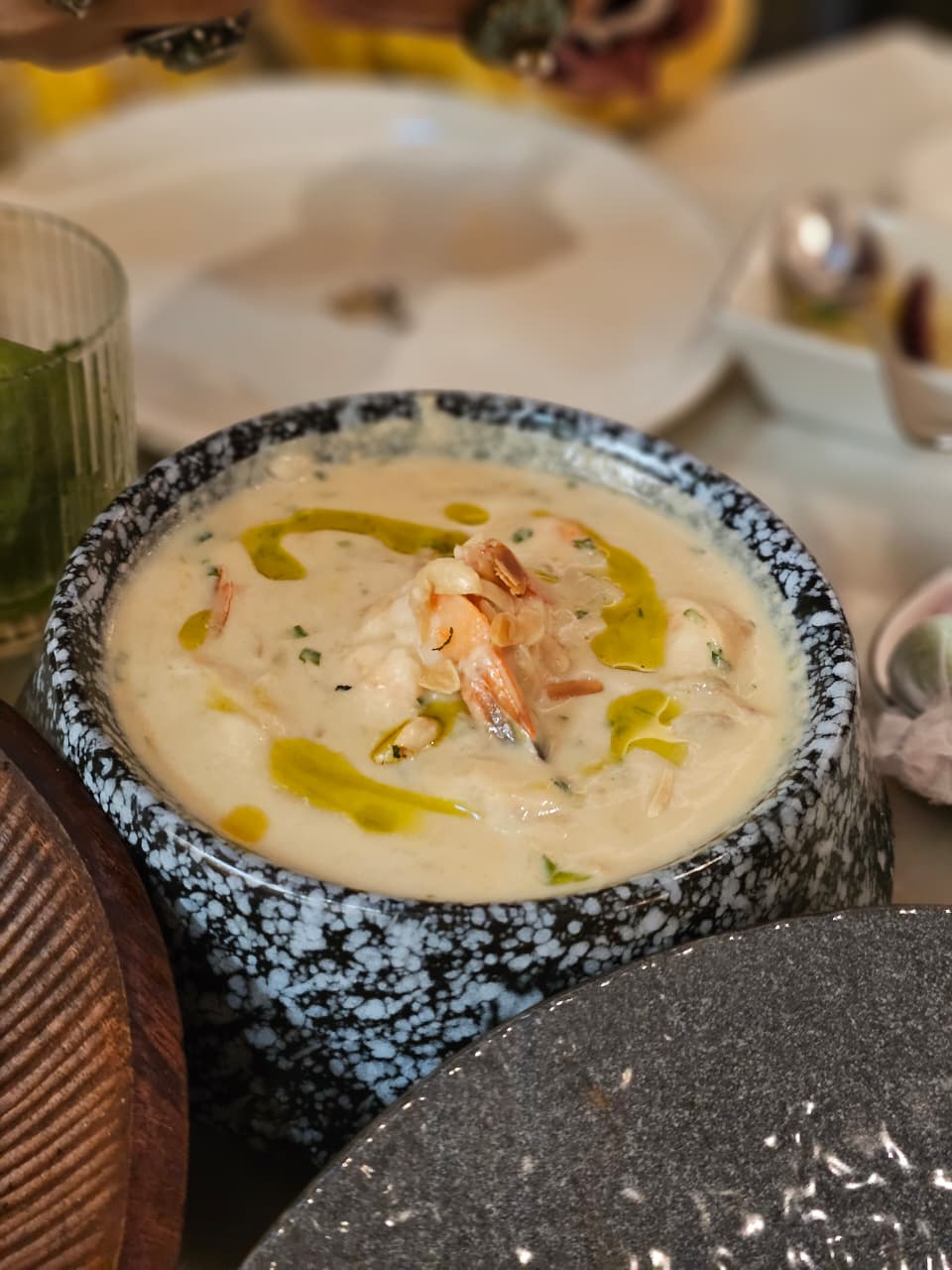
The Badami Paneer Kofta was unapologetically rich, with silken paneer dumplings floating in a velvety almond gravy that felt old-world in the best possible way. Equally memorable was the Badaam Nariyal Ke Jheenge, where Mughal richness met coastal coconut milk in a marriage that should frankly happen more often. Incidentally, oral history suggests the dish evolved at Gwalior Fort under the influence of the Scindia dynasty during the late 18th century, crafted to suit the delicate palate of an important Mughal political prisoner during the reign of Shah Alam II.
And then, of course, came the Lal Maas. Deep crimson, unapologetically fiery and gloriously slow-cooked, the mutton shanks carried the smoky authority one expects from a proper Rajputana kitchen. This is not a timid version softened for modern palates. It arrives exactly as it should.
The Dal Subedar, unsurprisingly, has its own loyal following. Historically prepared for troops on campaign, it had the kind of robust, soulful flavour that reminds you why humble dals have survived every food trend imaginable.
The breads were far more than supporting actors. The Ghura Naan, a 15th-century recipe studded with grapes, ajwain and holy basil. was fascinatingly unusual and quite the favourite, while the Naan-e-Mirch and Naan-e-Jeera added welcome bursts of spice and warmth.
Dessert at The Silver Train is where storytelling becomes almost theatrical.
The delightfully named Begum Bought a Bit of Butter Cake paired Hyderabad’s beloved khubaani ka meetha with burnt butter cake in a combination that felt decadent without becoming cloying. The Pista Kulfi Dubki, encased in pistachio white chocolate with flakes of sea salt, was playful and elegant all at once, inspired by the chef’s childhood memories of ice cream vendors magically dipping cones into molten chocolate and producing crisp chocolate-coated treats within seconds.
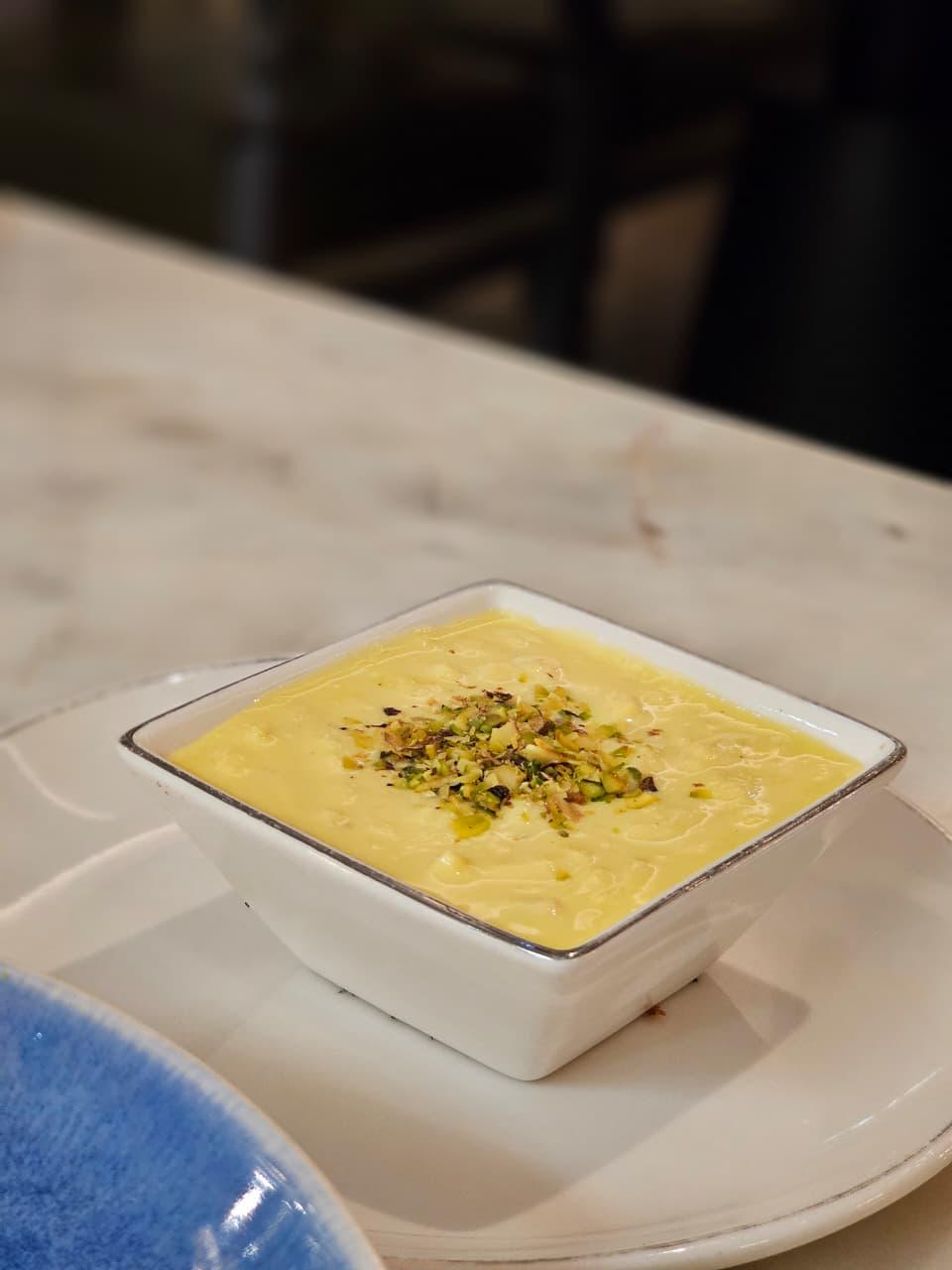
And then there was the Benami Kheer.
Chef Anuradha’s retelling of the dessert’s origins; created for Mughal emperor Shah Jahan, deserves to be heard at the table itself, preferably slowly, between spoonfuls. The milk pudding, believe it or not, is made entirely from garlic, rendered utterly unrecognisable in the final dish. Legend has it that the royal Mughal khansamma created it after Shah Jahan’s physicians advised him to consume copious amounts of garlic for his health, advise the emperor’s refined palate reportedly resisted rather stubbornly.
The beverage menu, created by Nikhil Merchant and Zameer Khan of Elevenses, deserves equal applause. The Silver Train Milk Punch — silky, clarified and tropical — cleverly ties back to the restaurant’s namesake while nodding to the colonial cocktail culture that once flowed through Calcutta.
What makes The Silver Train memorable is not merely the food, though the food is excellent. It is the sense that every dish arrives carrying lineage. Recipes here are not being revived for trend value or Instagram nostalgia. They are family stories, fragments of forgotten kingdoms, travelling recipes and dinner table memories that Chef Anuradha has gathered, protected and retold through food.
In a city crowded with restaurants chasing spectacle, The Silver Train offers something rarer: intimacy with history.
You may also read: In conversation with Raghavendra Rao: The Rameshwaram Cafe comes to Mumbai