The rise of the skinny cocktail
- Featured Spirits
 Yashita Damani
- 19 minutes read

“Today’s drinkers aren’t just chasing alcohol–they’re chasing experience, flavour, and storytelling.” – Jishnu AJ, Creative Director, 8ish, Mumbai
For years, luxury drinking meant excess. Heavy pours, dense syrup-soaked signatures. Dramatic smoke domes lifted from coupe glasses while phones hovered nearby for the ‘perfect’ Instagram capture… Cocktail menus read like dessert lists, brimming with caramel syrups, chocolate bitters and flamboyant garnishes that arrived with a small performance attached.
In many ways, the theatre was the point.Today the theatre remains. But the sugar is quietly disappearing out of the focus. Across premium restaurants, five star hotels and destination cocktail bars, a subtle reformulation is underway. Drinks are becoming lighter, cleaner and far more ingredient driven, yet paradoxically commanding higher prices than ever before.
Skinny cocktails, once dismissed as diet gimmicks, have evolved into something far more strategic. They are now a hospitality philosophy. And for whisky based drinks in particular, the shift is proving transformative too.
Sober Curious
Every shift in cocktail culture begins with a shift in the drinker. Millennials and Gen Z guests approach alcohol differently from previous generations. They still enjoy the social ritual of a beautifully made drink, but they are far more conscious of how it fits into the rest of their lifestyle.
Morning workouts are rarely negotiable. Fitness trackers measure sleep quality with ruthless honesty. Conversations about gut health and metabolic performance appear at brunch tables with surprising regularity.
Alcohol has not disappeared from these lives. It has simply been recalibrated . Instead of ordering three heavy cocktails in rapid succession, guests now lean toward one or two drinks that feel carefully constructed and easier to metabolise. The emphasis is on quality and pacing rather than sheer volume.
The modern drinker wants indulgence without the aftermath.For bars and restaurants, that subtle behavioural shift has profound implications.
Jishnu AJ, Creative Director at 8ish, Mumbai comments, “Post-lockdown, millennials and Gen Z are more mindful about alcohol, focusing on ABV, sugar, and calories. This has driven interest in low-ABV and zero-proof options. Mocktails have evolved from simple juice-based drinks to zero-proof cocktails using techniques like clarification, carbonation, tinctures, and batching. Presentation, craft, and storytelling now drive the experience. For example, our Mango Picante, clarified mango juice with saffron tea and bird’s eye chili tincture, has become a bestseller, reflecting this shift.”
When Cocktails Go On A Diet

The phrase ‘skinny cocktail’ once conjured images of watered down drinks and apologetic bartenders. In the luxury hospitality world, it now signals something entirely different.
A skinny cocktail is simply one designed with architectural discipline.Sugar levels are trimmed, alcohol strength and ABV is moderated. Fresh ingredients replace syrup heavy shortcuts and the flavour profile remains layered and sophisticated and still the drink feels lighter on the palate and easier on the body.
Traditional cocktail structures often leaned heavily on sweet liqueurs and pre-made syrups. A classic margarita can easily contain more than three hundred calories. An espresso martini might push even higher depending on the build!
Tarun Sibal, Chef & Co-founder, Titlie, Goa adds to this notion “Guests today prefer lighter, cleaner drinks over long evenings, moving away from sweet, heavy cocktails. Whisky cocktails now highlight the spirit rather than mask it. Our Arabica, Jameson, Kahlua, coffee, milk wash, offers depth but feels light and balanced, reflecting the trend toward complexity without heaviness.”
Today’s interpretations aim for elegance rather than the abundance of it all. The great Gatsby lifestyle is more wellness oriented and futuristic: bartenders swap triple sec for fresh citrus reductions, clarified juices deliver brightness without excessive sweetness and fermented honey water introduces delicate complexity while keeping sugar levels restrained.
The result is a drink that tastes vivid and refreshing rather than dense. Guests often find themselves ordering another round simply because they still feel perfectly comfortable after the first (and that is the point).
The Herb Garden
If there is one defining feature of contemporary cocktail culture it is an obsession with ingredients. Just as fine dining evolved toward farm sourced produce and seasonal menus, cocktail bars have embraced an ingredient forward philosophy (farm to bar if I may say so myself). Fresh botanicals, rare citrus varieties and house made infusions have become the building blocks of the modern drink.
Menus increasingly highlight the provenance of their components. Herbs may come from a rooftop garden. Honey might be sourced from a specific region or hive known for its delicate floral character, even the ice receives attention; carved into crystal clear spheres that melt slowly and elegantly.
This transparency carries its own form of luxury signalling. Guests appreciate knowing what they are consuming and this narrative of the ingredients becomes part of the drinking experience.
A whisky cocktail infused with basil or lemongrass suddenly feels more thoughtful, and deliberate. The drink evolves from a mixture of liquids into a crafted composition.
The Luxury Highball
At its core the highball is beautifully simple. Whisky, sparkling water and ice. Yet when executed with precision it becomes something remarkably elegant. Long celebrated in Japanese bar culture, the drink delivers lift, freshness and moderation in equal measure. The whisky’s flavour remains present but never overwhelming and effervescence keeps the palate lively.
Colin Tait, Director of Beverage, The Ritz-Carlton, Bangalore says, “Whisky cocktails are evolving because the drinker has evolved.. Highballs are leading that shift, not as basic whisky-soda, but as deliberately engineered cocktails where carbonation, temperature, ice quality, and dilution are treated as core ingredients.

At the same time, there’s growing interest in whisky styles that show nuance in mixed drinks – high-rye profiles, sherried malts, lighter peat, and blends with structure. What’s most interesting is not that people are drinking more consciously, but they’re drinking smarter: they want lower sugar, cleaner builds, and cocktails that allow the whisky’s character to remain intact. It’s less about consuming alcohol and more about exploring whisky through flavour.”
Luxury bars around the world have embraced the highball as a canvas for subtle creativity.
Citrus peels add aromatic brightness (yes, the ‘zest’). Herbs introduce complexity and house made sodas transform the drink into something uniquely expressive. Served in tall, slender glassware with immaculate ice, the modern highball feels effortlessly sophisticated. It invites conversation rather than rapid consumption. In many ways, it represents the aesthetic ideal of contemporary cocktail culture. And the motto “luxury is less”.
The Calorie Conversation
Aneesh Jog, Global VP, Neighbourhood Hospitality Pvt. Ltd., Woodside Inn:[Text Wrapping Break] “Indian bars are seeing whisky cocktails shift toward lighter, cleaner, and balanced drinks. Guests prefer ingredient-driven serves over syrup-heavy ones, with citrus, herbs, and subtle infusions replacing heavier cocktails. Health-conscious, well-travelled consumers are driving a focus on clarity of flavour and intentionality.”
Officially, luxury bars rarely discuss calories. Privately, beverage directors acknowledge that calorie awareness now plays a significant role in menu design. Guests may not ask directly about nutritional values, but their preferences reveal clear patterns.
Heavy, sugar laden cocktails increasingly struggle to compete with lighter alternatives.Approximate comparisons illustrate why:
A classic margarita can range between 250 and 350 calories depending on its ingredients (while an espresso martini often exceeds 300). Even a traditional Negroni sits comfortably above 200 calories!
By contrast, contemporary lighter builds can dramatically reduce that figure. A skinny margarita constructed with fresh lime and minimal sweetener might fall between 130 and 170 calories. A simple vodka soda sits close to 100. (Vermouth forward spritzes hover around 150). Bars rarely frame these drinks as ‘low caloric’ options. The language remains more elegant.
Menus with lighter builds so that the message is clear without ever sounding clinical.
Why Restaurants Quietly Love This Trend
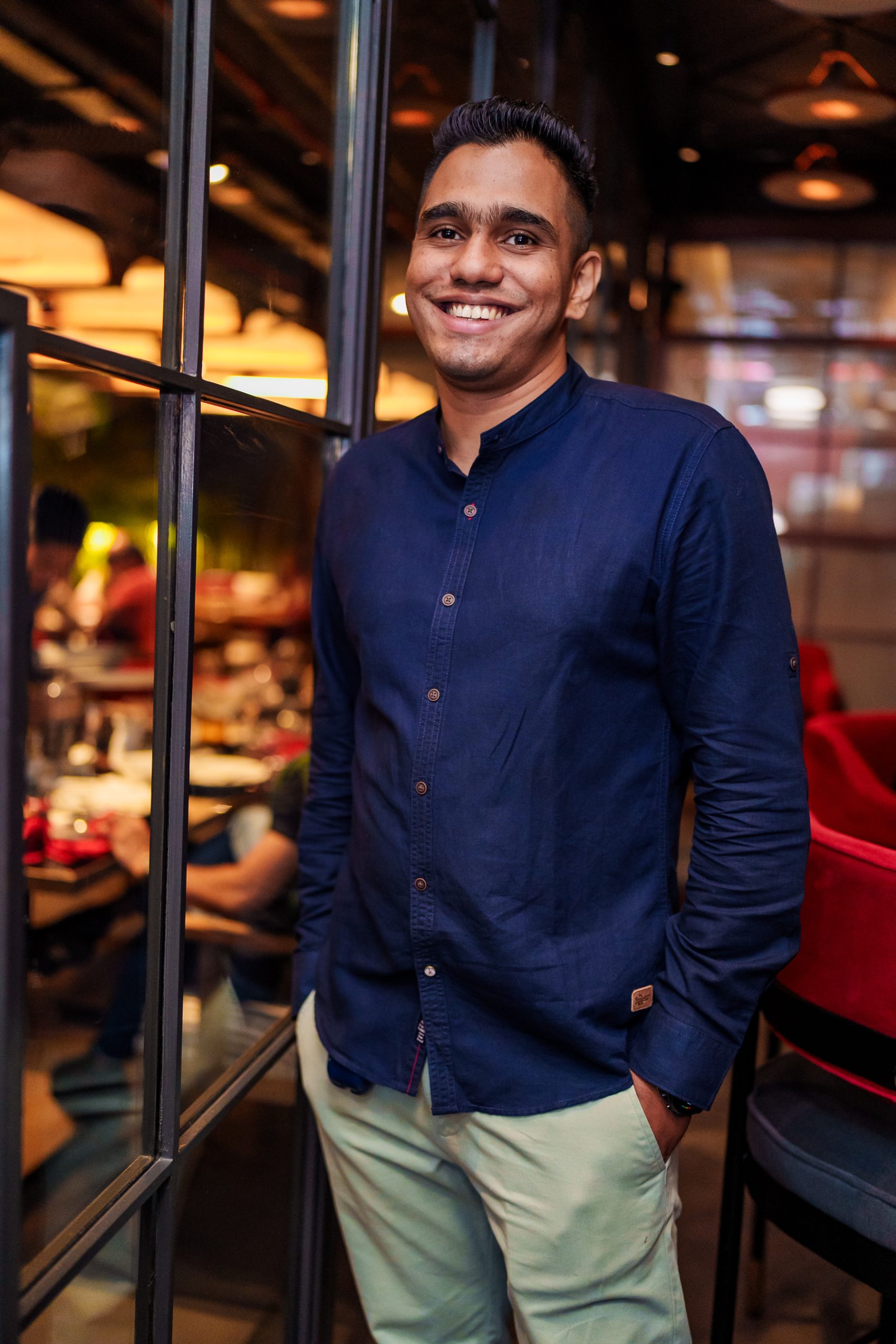
Albert Gangmei, Head Mixologist, Loya, Taj Palace, New Delhi says, “At Loya, we are seeing a clear and conscious shift in how guests approach cocktails, especially with whisky. There is a growing preference for drinks that feel lighter, cleaner and more balanced, without losing depth.”
“Guests today are increasingly asking for cocktails that are not overly sweet or heavy. They want something nuanced, where flavours are distinct and the finish is easy on the palate. This has naturally led to a move away from excessive sugars and dense modifiers, with bartenders focusing on simplicity and clarity of ingredients.”
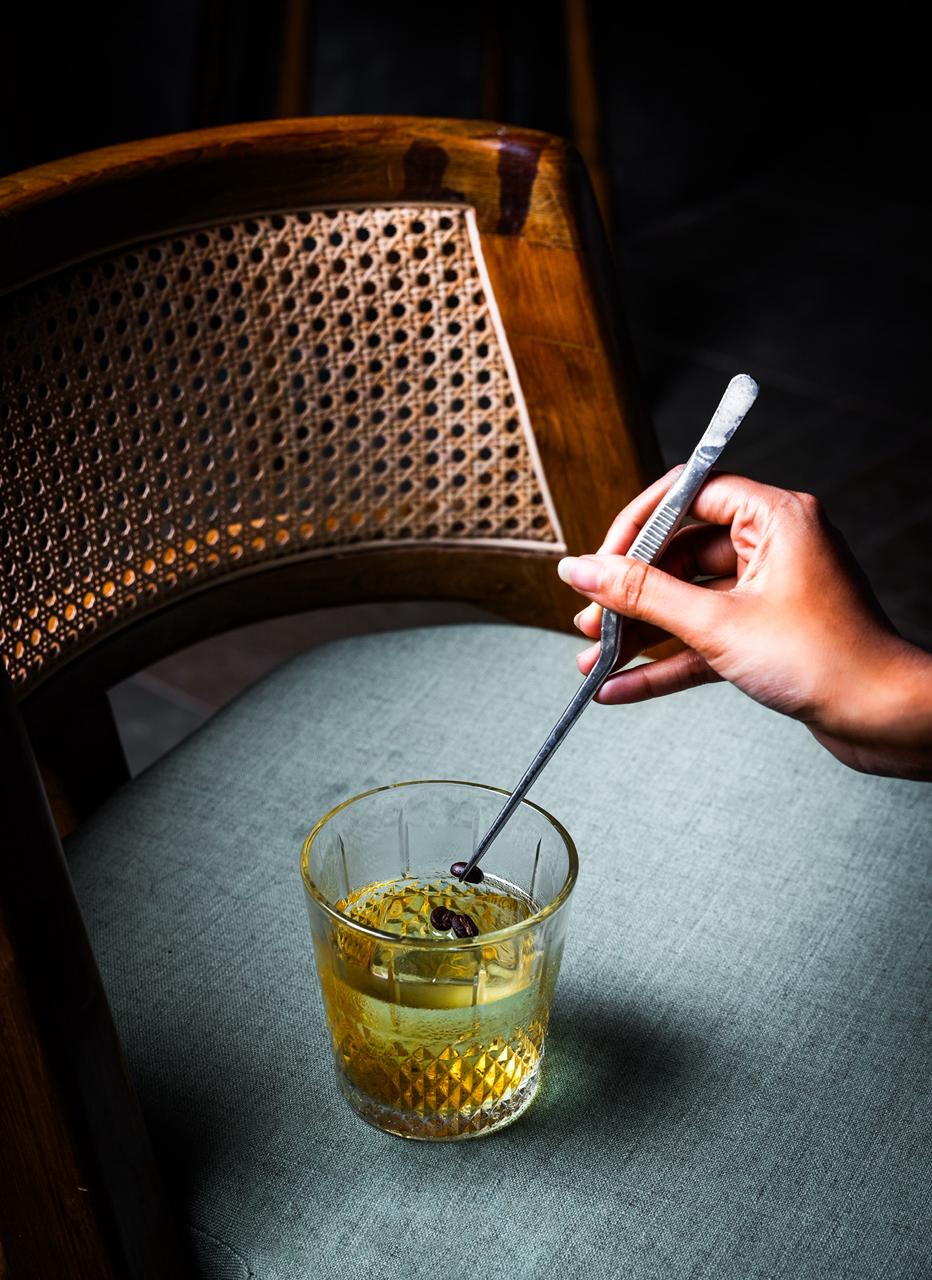
For hospitality operators, this makes excellent business sense. Guests who feel comfortable after their first drink are far more likely to order a second. Lighter cocktails therefore encourage repeat orders without overwhelming the palate.
“Whisky cocktails are becoming lighter, cleaner, and ingredient-driven. Sugar and heavy flavours are downplayed, replaced by balance through acidity, dilution, and fresh ingredients. Even strong cocktails, like a coconut-macerated Boulevardier, are reworked for easy drinking, reflecting guests’ enjoyment of this approach.” says Vineeth Krishnan, Beverage Lead, Aditya Birla New Age Hospitality
They also pair more harmoniously with contemporary tasting menus. Heavy, syrupy drinks can easily dominate delicate dishes. Ingredient driven cocktails complement rather than compete with fine cuisine.
There are operational advantages as well. Lower alcohol consumption tends to produce calmer dining rooms and smoother service flow. Tables remain lively without tipping into excess. Perhaps most importantly, lighter cocktail programs align beautifully with the broader luxury wellness narrative that hotels increasingly cultivate.
A guest who spends the afternoon at the spa feels far more comfortable ordering a botanical whisky spritz than a sugar dense dessert cocktail. And hence, the bar becomes an extension of the hotel’s lifestyle offering.
“Our whisky cocktails reflect this evolution. In Truffle, the structure is extremely refined, where whisky is complemented by earthy truffle, bitters and a light vermouth blend, allowing the spirit to remain at the forefront without being weighed down. Similarly, our bestseller, Paan uses American whiskey with our house paan nectar and subtle bitters, creating a layered yet clean profile and the smoke creates a sensorial touch.
The larger shift is towards ingredient-driven storytelling. At Loya for our Vriksh cocktail program which is under our Paanch cocktail philosophy we work with indigenous botanicals, infusions and techniques that build flavour. Whisky cocktails today are less about intensity and more about balance, letting each ingredient speak while offering a more mindful, contemporary drinking experience,” says Albert Gangmei, Head Mixologist, Loya, Taj Palace, New Delhi says,
Moderation Becomes The Experience
Some of the most intriguing expressions of this trend appear during bar takeover events and experiential cocktail programming.
Shubham Masih, Head Mixologist, Ummrao Saaj, Courtyard By Marriott Mumbai International Airport notes, “Whisky consumption is evolving— guests seek lighter, cleaner, and thoughtfully composed cocktails. Emphasis is on seasonal, refreshing, and indigenous ingredients, with each element enhancing rather than masking the spirit. Drinks like RE Energy, a whisky-forward sour with amchoor, smoked jaggery, guava, and chilli, showcase bold, textured, and purposeful flavours, appealing to discerning, experience-focused guests.”
Luxury hotels now host evenings dedicated to mindful mixology. Guests may encounter tasting flights where every cocktail sits below a specific calorie threshold. Others explore botanical laboratory sessions that demonstrate these infusion techniques like herbal distillation they can carry home.
Some venues even collaborate with fitness studios or wellness retreats, pairing morning workouts with curated evening cocktail experiences. The messaging remains carefully crafted even when they do not push-present themselves as ‘health initiatives’.
A decade ago abundance signalled success. Lavish displays of consumption dominated the aesthetic of hospitality and nightlife.
Today the same precision has replaced excess. Restraint carries more prestige than volume. The ability to indulge elegantly without losing control has become its own marker of sophistication.
Looking ahead it seems likely that the movement toward lighter, more thoughtful cocktails will continue. Younger drinkers show little interest in returning to the era of overly sweet drinks and excessive pours. Instead they value authenticity, craftsmanship and balance.
For bars the opportunity lies in transforming drinking into an experience that feels both indulgent and responsible. Beautiful glassware, precise ice and fresh ingredients elevate the ritual. Storytelling and atmosphere deepen the sense of occasion.
In the end the modern whisky cocktail is less about intoxication and more about intention. It invites guests to slow down, savour the flavours and appreciate the craft behind every element in the glass.
“Skinny” cocktails are no longer a diet gimmick. They are a hospitality strategy.
You may also read: A toast to fatherhood, one gin cocktail at a time