‘People will always need touch’: Pallavi Dean on designing Jaipur Rugs’ Mumbai flagship
- Featured Retail
 Anushka Manik
- 7 minutes read

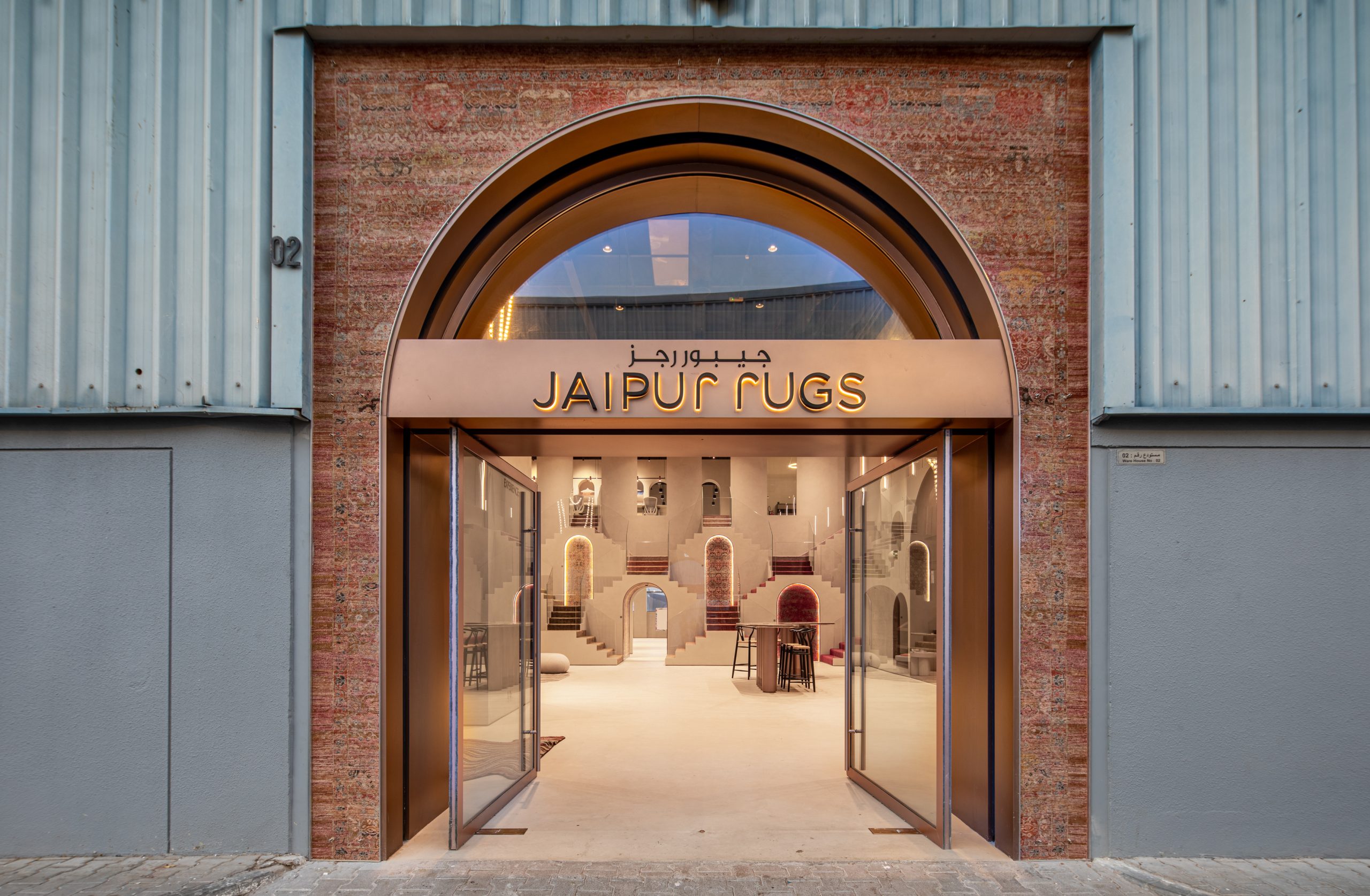
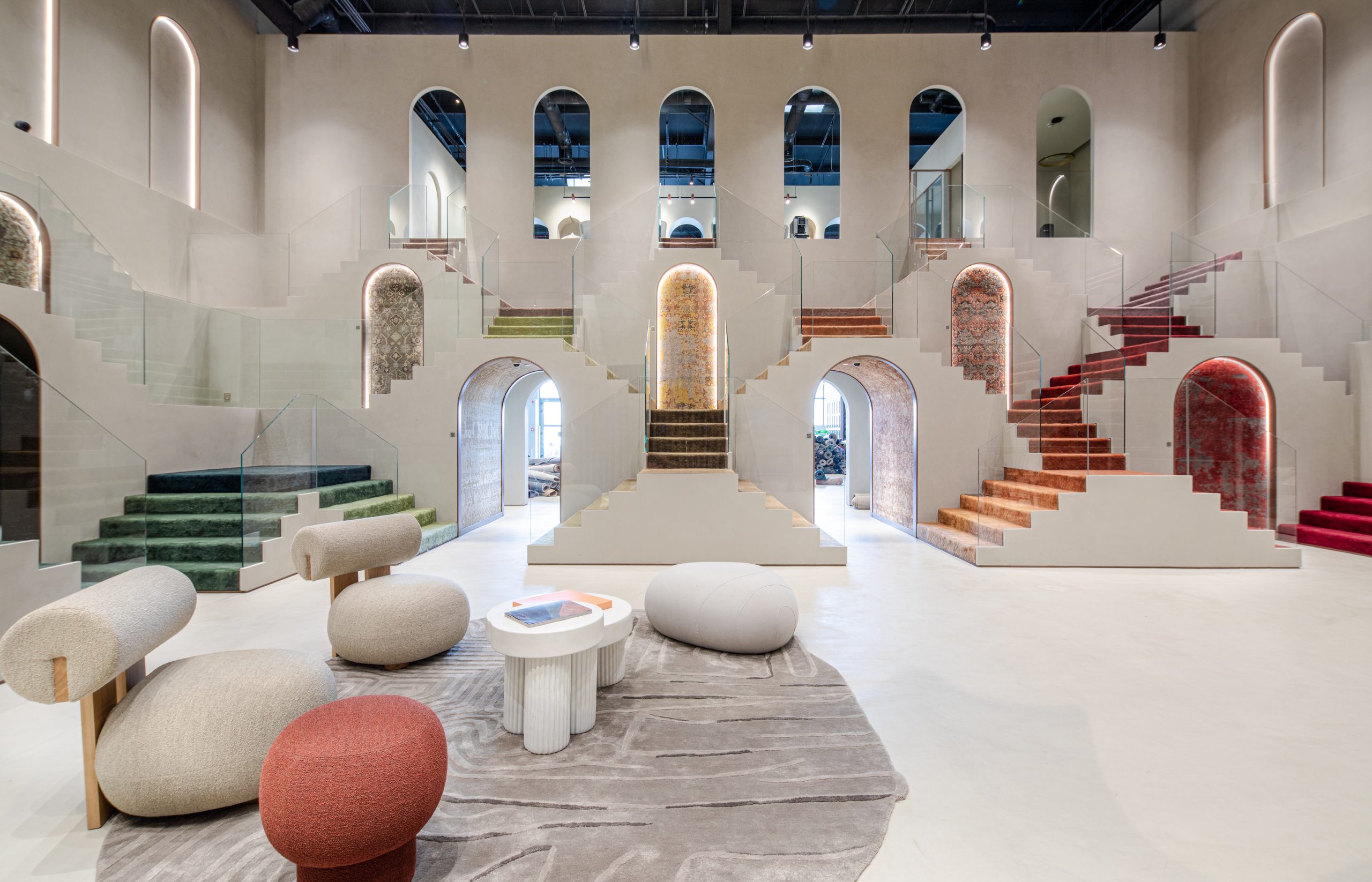
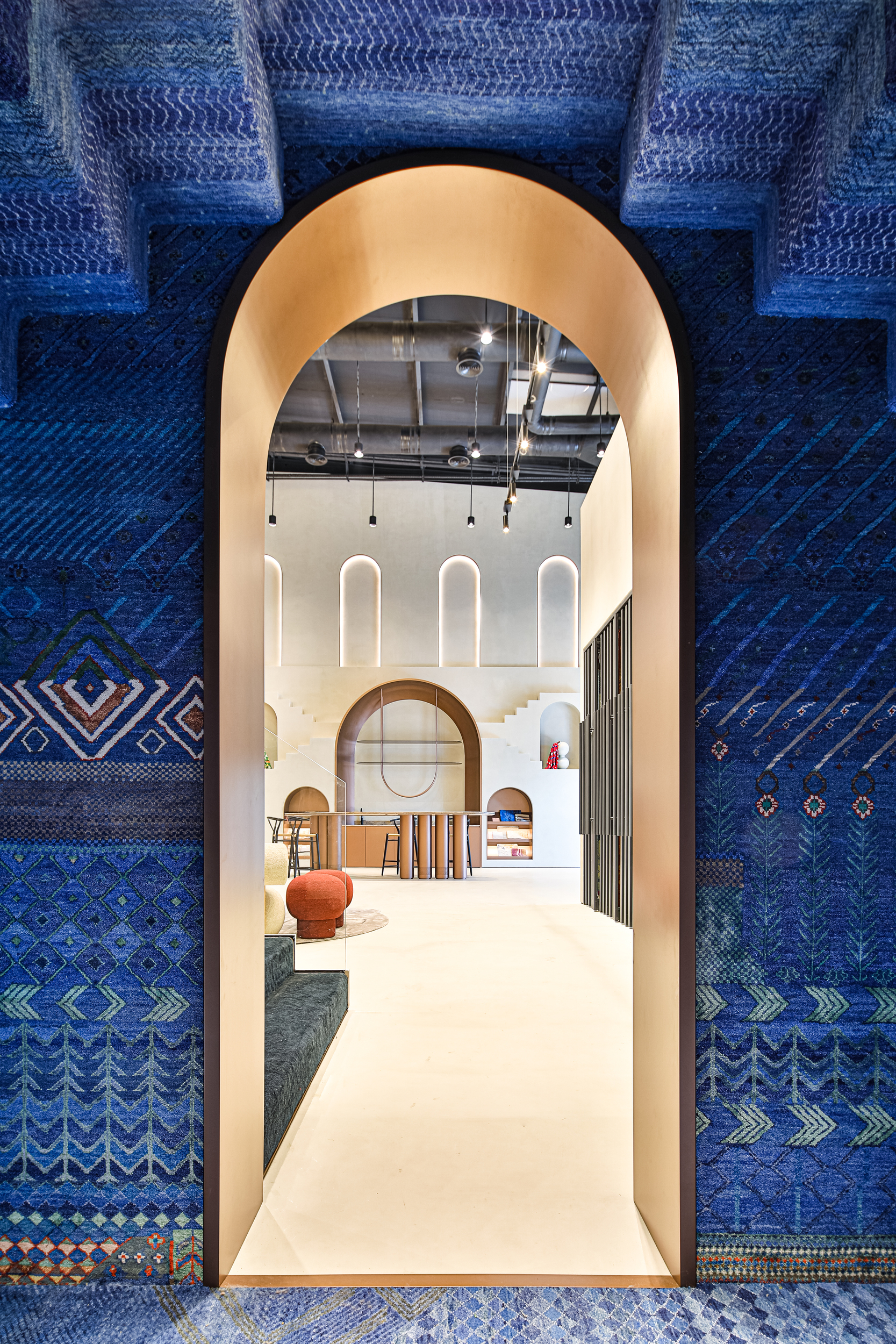
Inside Mumbai’s historic Empire Mills compound, Jaipur Rugs has opened the doors to its newest flagship. But don’t confuse this with a regular retail store. It’s conceived as a textile gallery and transforms a former warehouse into what feels like an immersive journey through craft and contemporary design.
At the helm of the project is Pallavi Dean, founder and creative director of Roar, the award-winning Dubai-based design studio known for its human-centred, research-driven approach to interiors. Named among the Middle East’s most influential designers, Dean has built a reputation for creating spaces that are helmed by storytelling and functionality. For Jaipur Rugs’ Mumbai outpost, she drew from both the building’s industrial past and the rhythmic language of weaving, creating a destination where heritage and modernity exist in conversation.
In this interview, Dean reflects on adaptive reuse, the future of experiential retail and why, in an increasingly digital world, touch is hands down, one of design’s most powerful tools.
LuxeBook: How did you approach designing this space?
Pallavi Dean: We approached this project the way we approach all projects at Roar, through research first. Our process is rooted in evidence-based design, behavioral science and understanding how people actually experience spaces.
Of course, we looked at the latest thinking in retail design, but equally important was understanding how people would move through the store, discover products and interact with the Jaipur Rugs story. Retail isn’t just about displaying products. It’s about creating moments of discovery.
Having worked with Jaipur Rugs before, we already had a strong understanding of the brand, its values and its philosophy. This project became an opportunity to build on that foundation while responding to the new setting.The fact that the store sits within a former textile mill was particularly meaningful.
LuxeBook: Do you see restoring heritage spaces as the future of premium retail in India?
Pallavi Dean: Adaptive reuse is definitely an exciting category. I don’t know if it’s the future of premium retail.
India has an incredible stock of historic buildings, mills. When you can celebrate that heritage and invite people to use these spaces – it’s a great opportunity.
For Jaipur Rugs, it felt like a beautiful full-circle moment. The store sits within a former textile mill, so you’re celebrating the history of the textile industry while showcasing one of India’s most respected contemporary craft brands.
LuxeBook: What was the biggest design challenge in balancing the raw industrial character of the warehouse with Jaipur Rugs’ refined, handcrafted aesthetic?
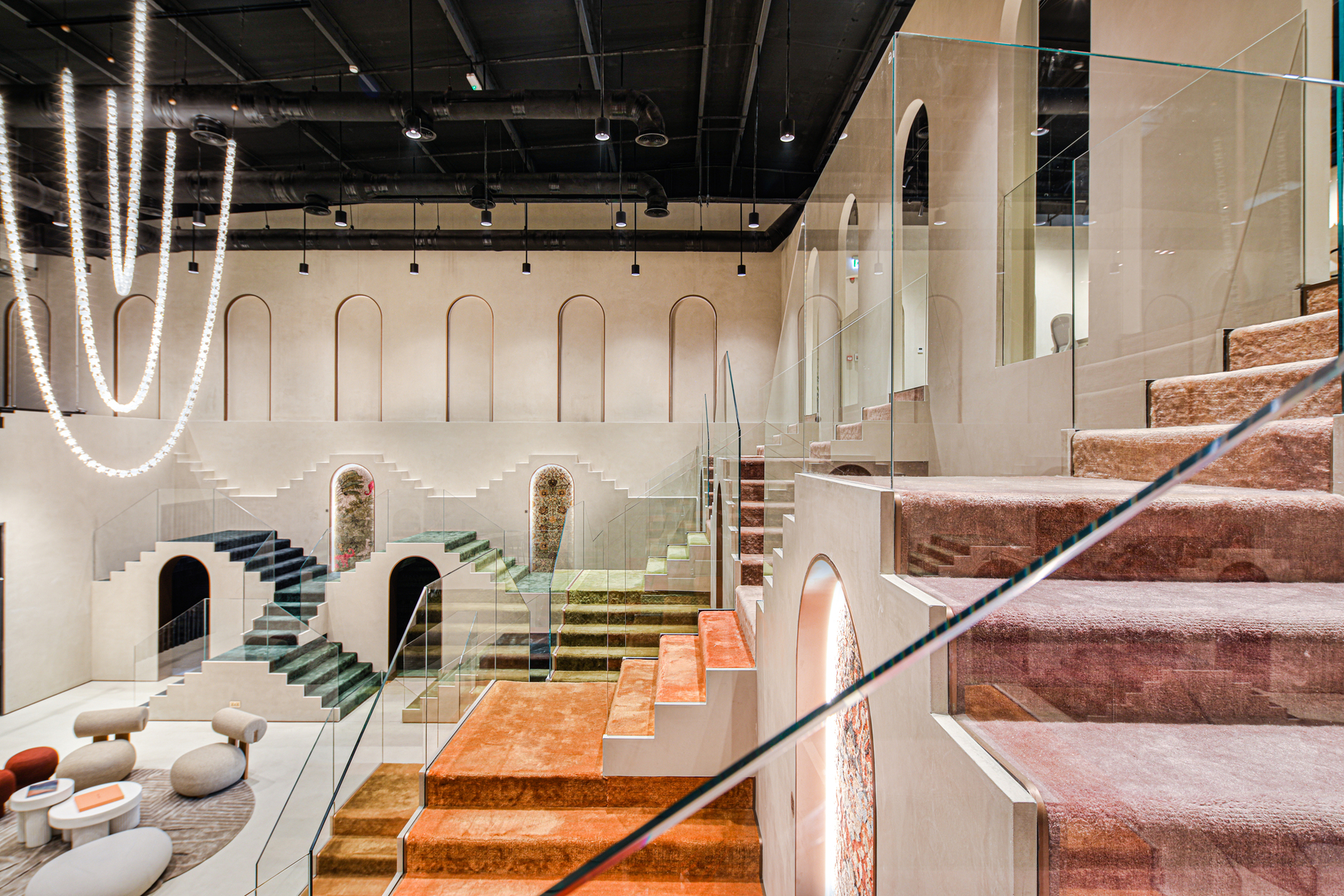
Pallavi Dean: Honestly, I don’t think that was the challenge. The juxtaposition is actually what makes the project work. The raw industrial character of the warehouse and the refinement of Jaipur Rugs’ handcrafted pieces complement one another.
Rather than competing, they create a dialogue.
For me, the project was really about celebrating both. Celebrating the heritage of the building and celebrating the craftsmanship of the rugs. That contrast is what gives the space its character.
LuxeBook: Looking ahead, how do you see physical retail evolving in an era where so much discovery happens online? What role does design play in giving people a reason to visit?
Pallavi Dean: People will always need touch.
There’s a huge value in analogue interaction that technology simply can’t replace. Particularly with products like rugs, people want to touch them, feel the texture, understand the materiality and see how colours respond to light. They want to imagine how that product will live in their home. A render can help, but it can never fully communicate those things.
At the same time, some of the most exciting developments in retail are happening through phygital experiences, where physical and digital work together. Technology can help customers visualise products in their homes, access deeper storytelling, personalise their journey and make discovery easier.
The best retail technology is almost invisible. It removes friction and enhances the experience rather than becoming the experience itself.
I don’t think the future is physical versus digital. The future is physical and digital working together.
What physical retail offers is something online never fully can: emotion, atmosphere, tactility and human connection. People don’t remember transactions. They remember experiences. Design’s job is to create places that make people curious, encourage exploration and give them a reason to leave their screens and engage with a brand in the real world.
You may also read: Chef Jordy Navarra brings the soul of Filipino Cuisine to Mumbai