The winning business strategies of heritage luxury brands
- Business Featured Lifestyle
 Pratishtha Rana
- 8 minutes read

Pooja Patel
It’s 2020. We live in a world of artificial intelligence and virtual reality. A majority of global brands ride high on these new-age technologies and produce and sell products that are modern, trendy, factory-made and chic. There are, however, a few that focus on heritage — be it the intricate minakari jewellery, organic Ayurvedic products, handwoven rugs, handmade artefacts and sarees woven traditionally. They bet on their craftsmen’s knowledge, stellar storytelling and innovation, which make the three pillars of luxury businesses that sell heritage.
Timeless craftsmanship and techniques
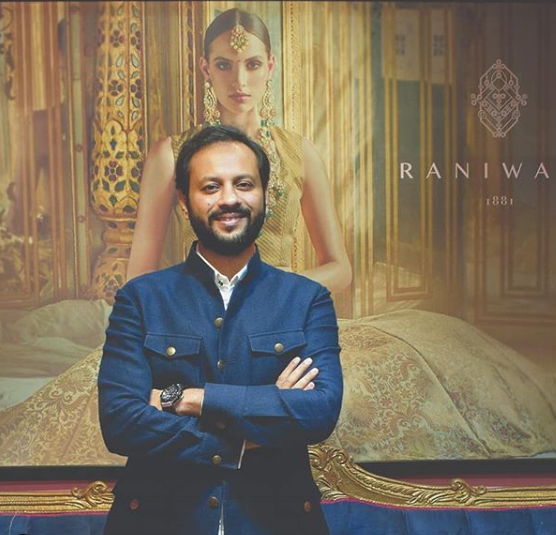
These companies are making a lot of noise in India and abroad alike, for the brilliant finished products, the rich art and the ancient making techniques. Like Raniwala 1881, a brand that’s considered a purveyor of the jadau jewellery. The Raniwala family has been associated with the luxurious handcrafted jewellery since the British Raj and takes pride in being a brand that is working hard to showcase the jadau craft to the world. “Even while the world is moving towards a modern approach, we are still strongly rooted in traditional Indian craft and culture and creating a perfect amalgamation of traditional and modern India,” says the brand’s Co-Founder, Abhishek Raniwala.
For Mira Kulkarni, Managing Director, Forest Essentials, the exposure to the Ayurvedic way of life came at an early age. Her time in the Tehri Garhwal region of Uttarakhand, one of the hubs of Ayurveda, inspired her to establish the much-revered luxury Ayurveda brand in 2001. “I worked for many years with vaids to produce products, which, while keeping the inherent properties
of Ayurveda intact, were wonderfully scented and pleasurable to use,” she says.

“Jaipur Rugs is built on the fundamental principle of propagating ancestral know-how and connecting rural craftsmanship with global consumers,” says Yogesh Chaudhary, Director, Jaipur Rugs. He adds that the rich heritage of India is the foundation on which the brand stands. Its business philosophy is to use the age-old art form of handmade carpets as a tool to empower 40,000 rural artisans of which 80 per cent are women.
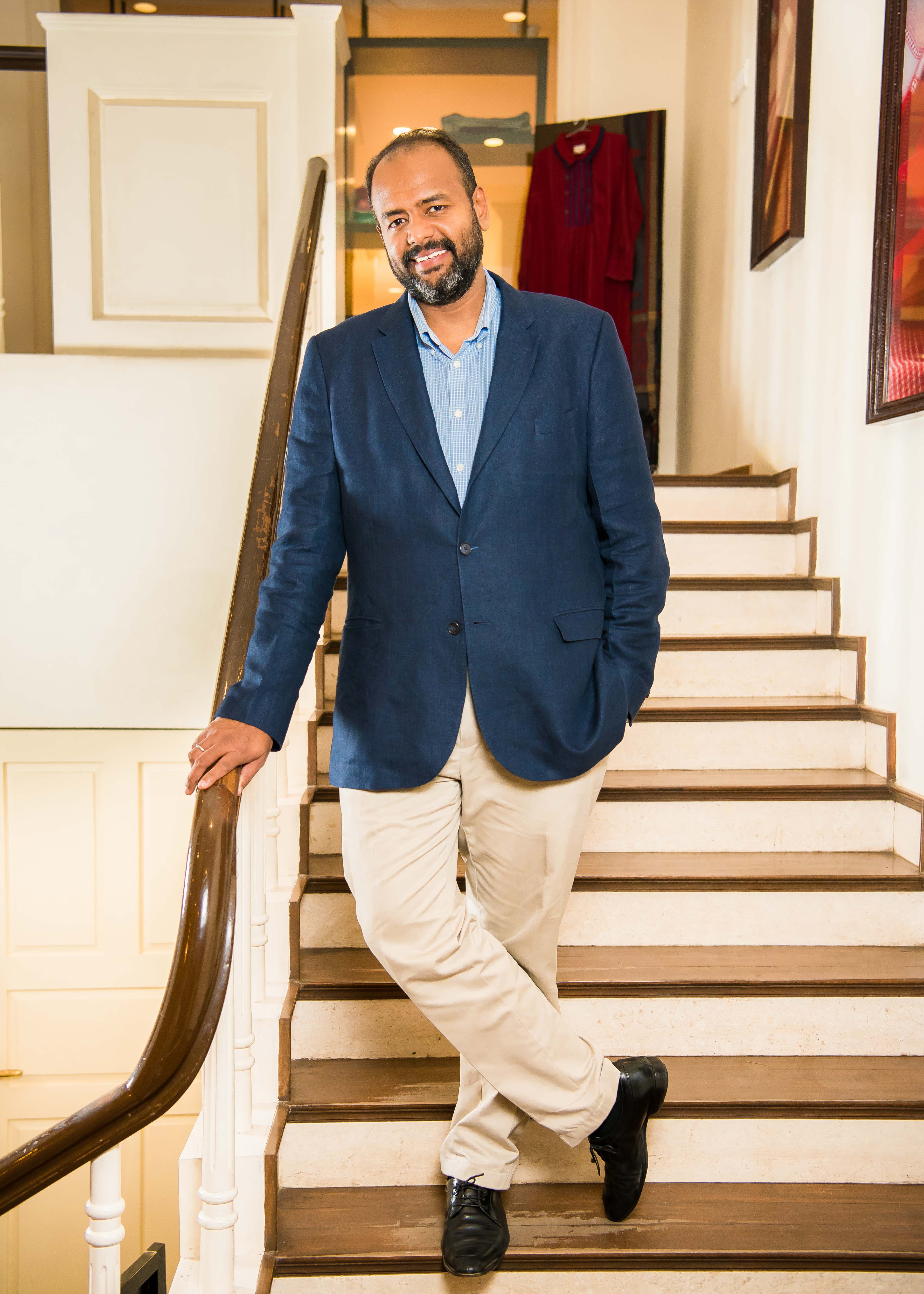
Down south, in Bengaluru, textile engineer and designer K Radharaman, Founder, CEO & Principal Designer of House of Angadi, is the flagbearer of the Kanjeevaram and other traditional weaves. Born in the Padmasaliya weaving community, he has been blending linen and khadi with traditional Kanjeevaram
to create sarees that he believes will outlive him. “We (the Padmasaliya weaving community) speak the language of the weavers. I have often felt that the creative process is intuitive and the sense of aesthetics that I impart to my designs is a gift
from my forefathers,” he said.
The R&D process
Creating a product that’s 100 per cent authentic in terms of art and craft, the material and techniques used and the employment of skilled artisans is a huge challenge, which is the reason only a handful of companies are doing well. Books, magazines, exhibitions and research papers on ancient Indian heritage are good sources of information, but the true understanding of the Indian art resides with its artisans.
“And there is no better way to research than to work with them (artisans) directly in their traditional environment,” says Chaudhary. Around 40,000 artisans and weavers are associated with Jaipur Rugs that carry with them an ocean of knowledge about ancient Indian philosophies. “The art of carpet weaving has been passed down from generation to generation and while working with these artisans as fellow designers, one gets to learn a variety of Indian traditional art forms first hand,” he adds.

Kulkarni invests a lot of time and energy in the overall research and development. The team works closely to conceptualise the product, researching traditional formulations from ancient Ayurvedic texts and then revisiting the recipes to make them relevant for modern use. To retain the genuineness of all the products, Forest Essentials does it all in-house—from R&D to the
sourcing of ingredients, the manufacturing, and then finally the sales. “We do not outsource these functions to maintain quality and consistency,” she says.
Representatives of Indian heritage
Ekaya Banaras is a brand that’s known for superior craftsmanship and weaving techniques of sarees, dupattas and dresses that they create by working directly with the weavers. The brand strives to maintain the high-quality of the Banarasi weave and has pushed its craftsmen to strive for, both, better quality and design.
“Dealing with the craftsmen is very, very crucial and challenging as there are no set systems and processes or guidelines,” said Palak Shah, Co-Founder & CEO, Ekaya Banaras*. This young brand creates outfits that are a mix of modern and traditional designs, which involves working with hundreds of craftsmen in Varanasi.