The curious case of Indian fashion’s global rise

By N Deepali
Seemingly, Indian fashion is everywhere. Designers such as Rahul Mishra, Vaishali S and Gaurav Gupta, with their Indian heritage-meets-global aesthetics, have showcased at Paris Haute Couture Week—considered a laboratory for artistry and craftsmanship—over the years. Eschewing the narrow path of bridalwear export, they have used international fashion weeks and celebrity placements to claim mindspace among stylists, editors and global buyers.
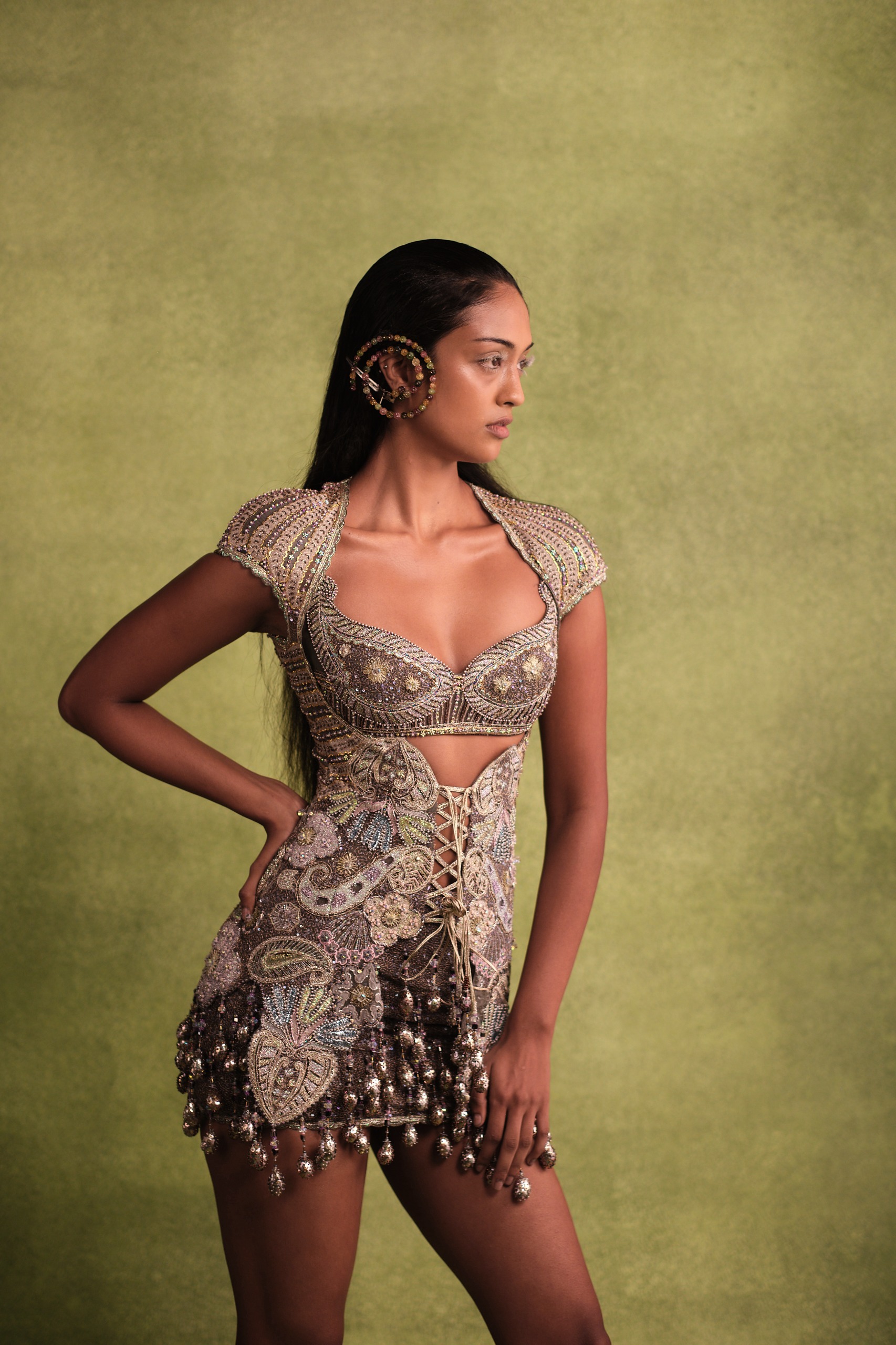
And yet, five decades after Ritu Kumar made inroads into the Parisian market, nearly three decades after Manish Arora brought exuberant colour and theatricality to Paris runways, and 16 years after Rahul Mishra presented his restrained, philosophy-led collection at Paris Haute Couture Week, India remains some distance away from achieving a sustained global presence.
There are trunk shows, many popularised by retailers such as Pernia’s Pop-Up Shop and Aza Fashions. Indian designers retail in select global stores. Some have opened flagships abroad. But presence is not yet parity.
The breakthroughs
Indian designers are increasingly visible in global fashion circuits, supported by corporate patronage and renewed appreciation for handmade heritage. From Chanakya International’s collaboration with Dior to embroidery houses across Mumbai, Kolkata and Lucknow contributing to leading maisons, Indian craftsmanship is being recognised not merely as labour but as intellectual capital.
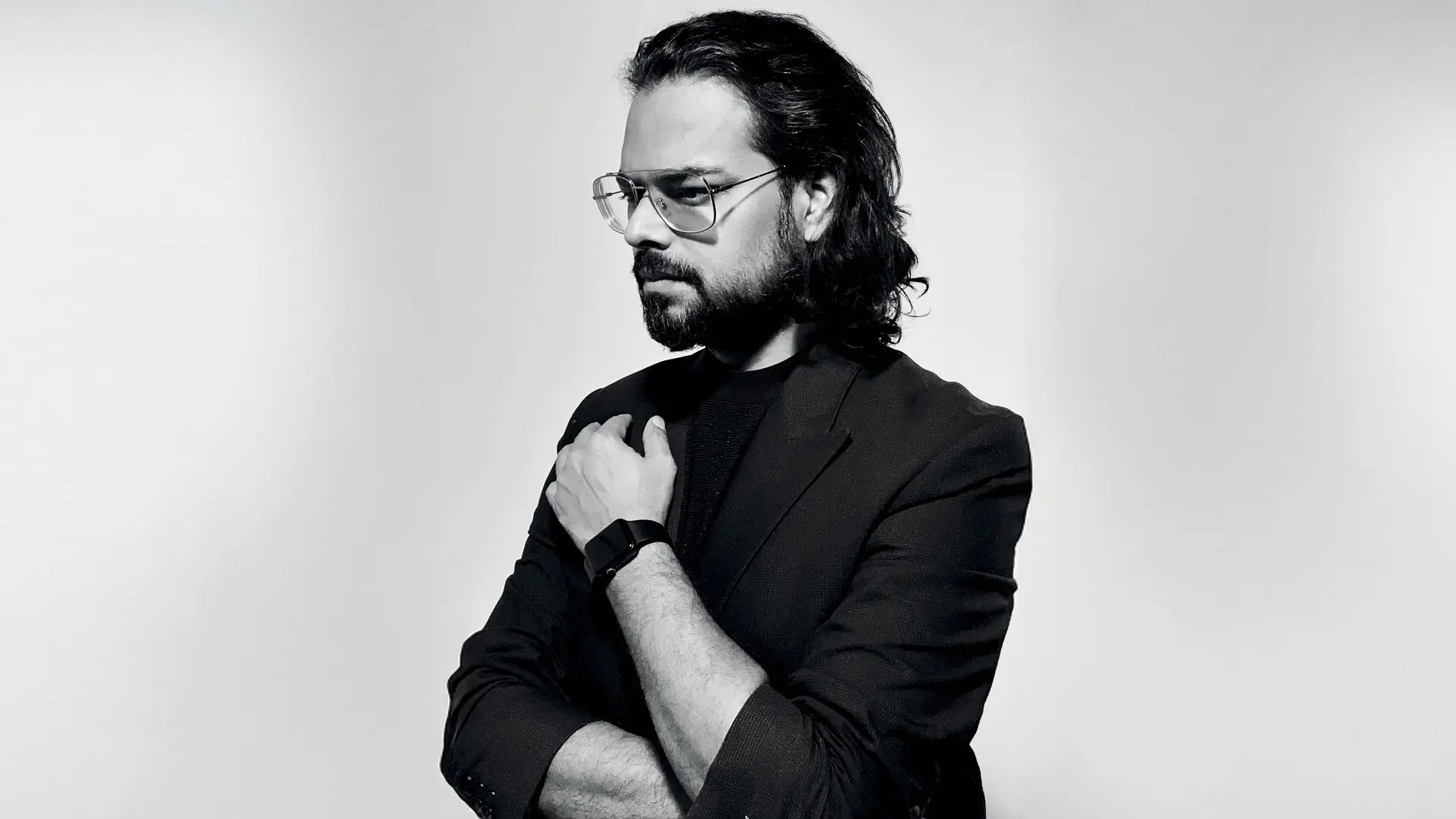
Designers who have broken through internationally have repositioned craft as contemporary and collectible. Rahul Mishra’s museum-grade embroidery appeals to couture collectors drawn to narrative-led luxury. Gaurav Gupta’s sculptural language aligns with the visual codes of European couture houses such as Iris van Herpen and Schiaparelli. His guest membership of the Paris Haute Couture Week calendar signals institutional recognition from La Fédération de la Haute Couture et de la Mode. Vaishali S appeals to collectors interested in textile innovation, handwoven fabrics and khadi-led couture aligned with slow luxury.
Together, these designers reposition Indian fashion beyond the ethnic category, though visibility does not always translate into scale.
The NRI anchor
Yet, most Indian designers sell primarily to the Non-Resident Indian consumer, both an opportunity and a limitation. Bain & Co estimates the global Indian diaspora at approximately 18 million people. Market.US estimates the global ethnic wear market—driven significantly by diaspora demand—at $90–100 billion today.
Diaspora demand provides a lucrative safety net but often confines Indian designers to the ‘ethnic wear’ silo. Hyderabad designer Aisha Rao believes that one of the most persistent perceptions is that Indian fashion is primarily occasion-driven. “While weddings remain an important segment, they don’t fully capture the diversity of contemporary Indian design.” With recent collections, Rao has focused on elevated prêt, contemporary silhouettes and engineered textiles. “Indian designers today are consciously evolving the narrative, aligning with a more global design language while staying rooted in craft.”
Unlike designers from Belgium, South Korea or Australia, who have integrated into universal fashion consciousness, Indian labels often struggle to resonate with the non-diaspora consumer. “One of the biggest misconceptions is that Indian fashion is defined only by craft or occasionwear,” say designers Rohit Gandhi and Rahul Khanna. “What tends to be overlooked is the depth of design thinking, construction and modernity that exists within Indian fashion today.” Designers are attempting to shift perception, increasingly supported by corporate investment.
The corporate influence
The post-pandemic years have seen greater corporate participation in Indian fashion, expanding the scale at which brands can operate internationally. Reliance Brands Limited and Aditya Birla Fashion & Retail Limited have invested in a range of designers, bringing capital, retail expertise and operational discipline, areas that historically constrained independent labels.
The gap between ‘moment’ and ‘market’, however, remains pronounced. A Hollywood appearance in Gaurav Gupta may generate headlines but rarely translates into sustained rack presence at retailers such as Bergdorf Goodman or Selfridges. Unlike several contemporaries, Gupta has scaled independently. “We are focusing on organic growth that has allowed the brand to retain creative autonomy,” he says, while acknowledging institutional capital may become relevant as international ambitions accelerate.
While international retail expansion is becoming more strategic, the number of stores still doesn’t go beyond single digits. Sabyasachi opened a flagship in New York’s West Village in 2022; Anita Dongre expanded into Beverly Hills; Manish Malhotra launched a 5,000 sq ft boutique in Dubai Mall’s Fashion Avenue; and Tarun Tahiliani is opening a store in Dubai’s Jumeirah district with couture salons and private client spaces.
The realities of retailing abroad
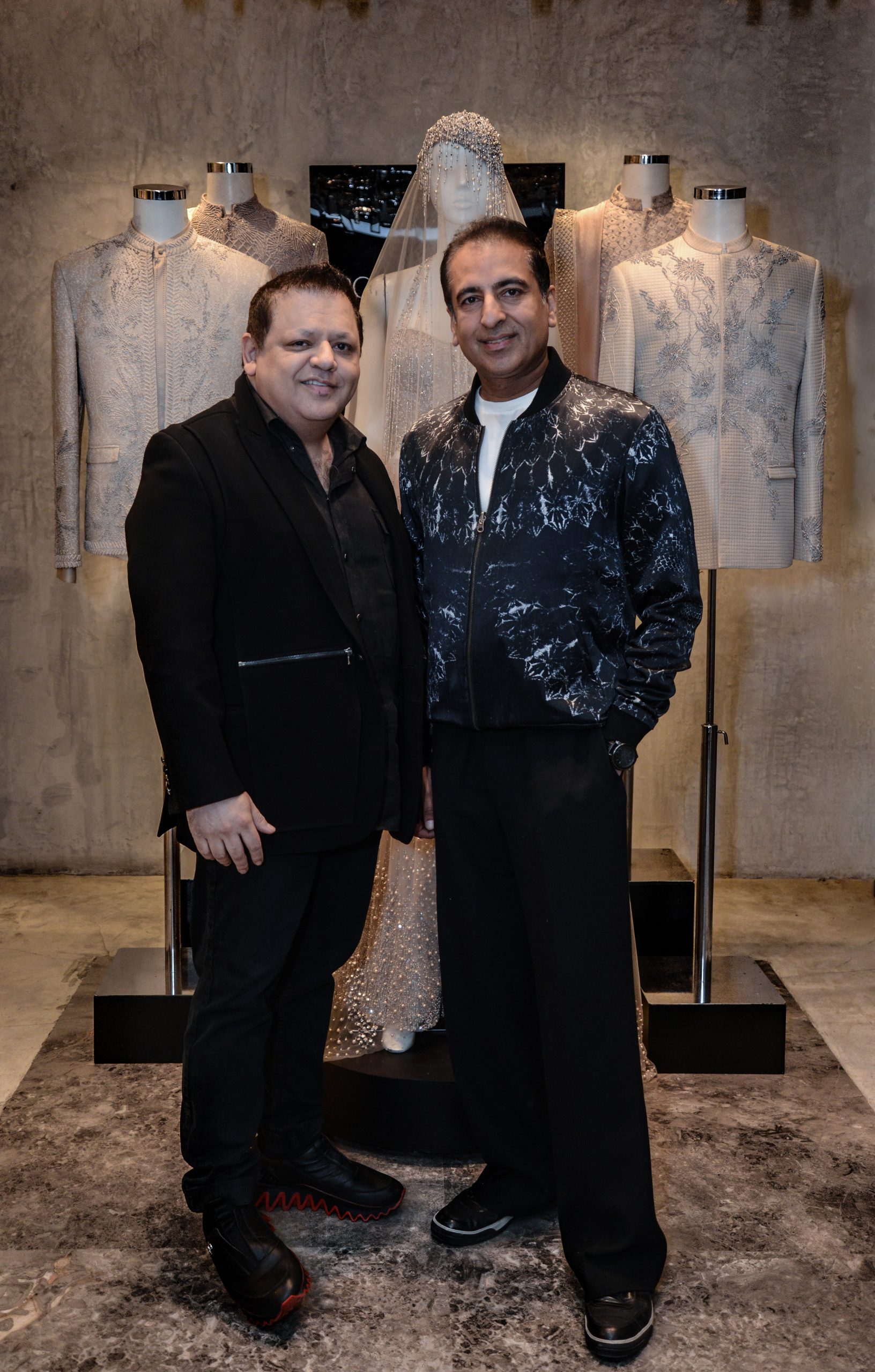
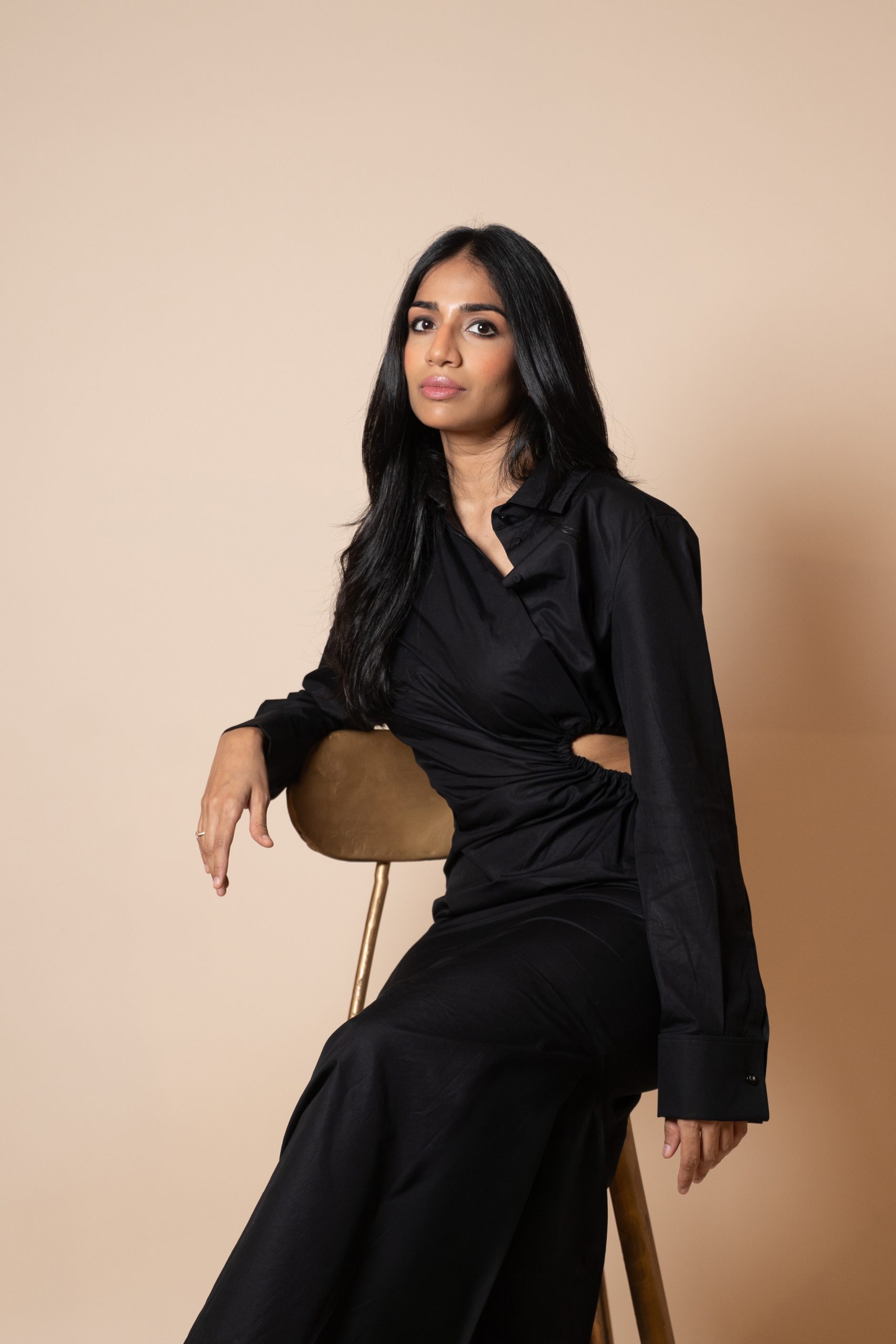
Designers Rahul Gandhi and Rahul Khanna, who retail internationally through multi-brand boutiques, department stores and online luxury platforms, emphasise consistency over scale. “We’ve learnt to navigate buying cycles and adapt to how collections are presented and experienced across markets. Building long-term relationships with buyers, showing up consistently each season, and allowing the brand to be understood in its own language has been central to that journey.”
Handcraft, while India’s strength, can challenge the timelines international markets treat as non-negotiable. As Mishra notes, “International retail demands consistency at a rhythm often at odds with the pace of handicraft. The challenge is not just making something beautiful, but making it repeatable without losing the soul of the work.”
Rao echoes this tension between craft and retail expectations. “Aligning handcrafted processes with global retail norms, particularly returns, exchanges and standardised production cycles, can be complex,” she says. “Balancing structured timelines with the integrity of artisanal work requires careful planning.” Most countries work a season in advance. As Bhat explains, “You begin selling to buyers six months before clothes reach stores, so collections cannot appear online until delivery. Aligning Indian timelines with international retail calendars was initially tricky.”
Jyotika Jhalani of Janavi, whose embroidered cashmere shawls are stocked at Bergdorf Goodman and Saks Fifth Avenue, notes that category influences international acceptance. Accessories often travel more easily than apparel because they integrate seamlessly into existing wardrobes. “The biggest challenge is how to showcase the product,” she says. “There are still limited platforms where Indian brands can present themselves in a contemporary context.”
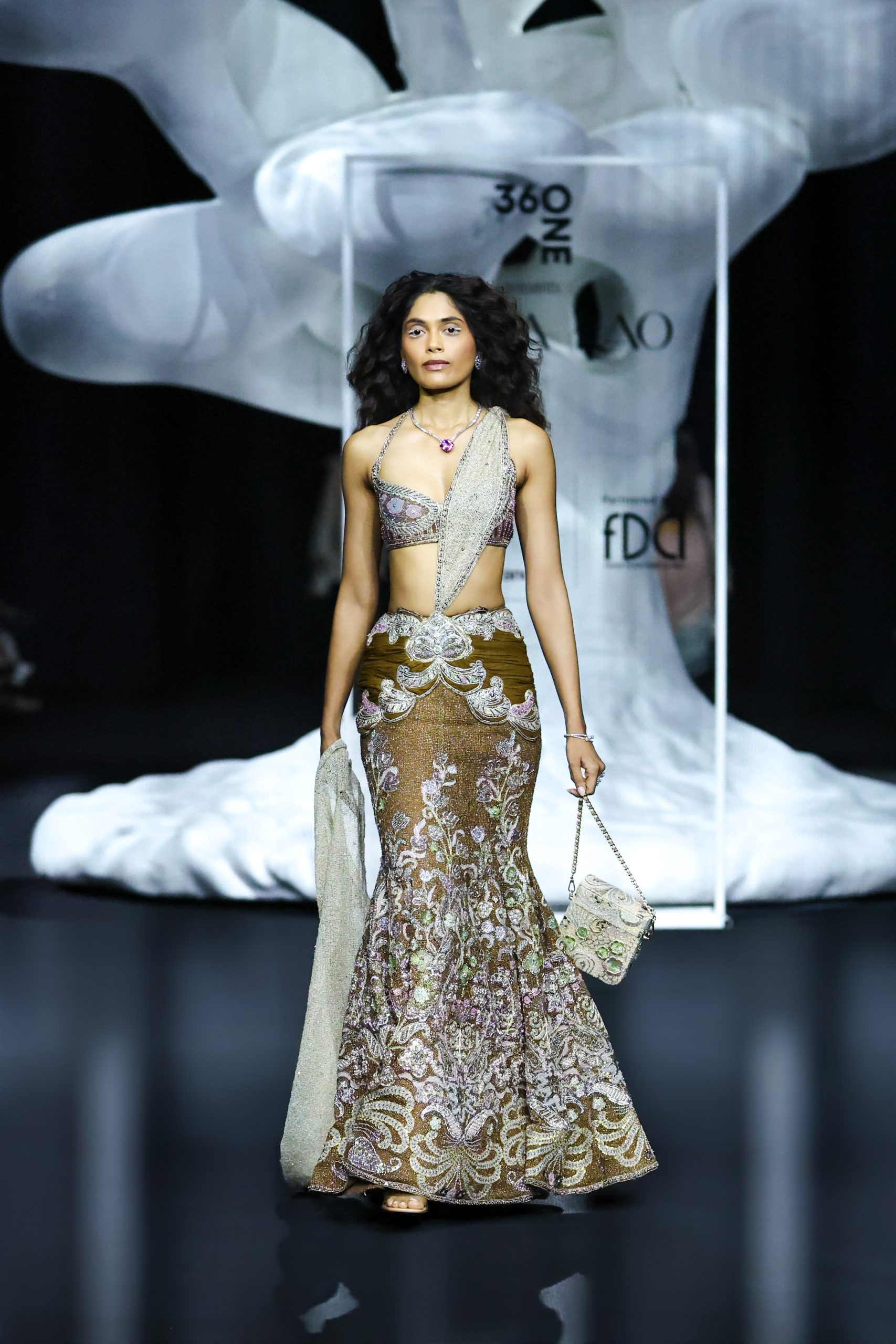
Production realities also shape scalability. Rao notes that handcrafted processes require significant oversight to maintain consistency across pieces. “It is a delicate balance between preserving the integrity of craft and building reliability that international retail partnerships expect.”
Many Indian designers focus on celebrity placements that accelerate awareness, but couture businesses are built on long-term collector relationships rather than momentary visibility. Gupta’s creations have been worn by Beyoncé, Cardi B, Megan Thee Stallion, Lizzo and Fan Bingbing, positioning the brand within global stylist networks. Stocked through platforms such as Moda Operandi and Bergdorf Goodman, collectors can pre-order runway pieces.
Sustained couture success depends on repeat buyers, museum acquisitions and editorial credibility built over decades. Mishra’s quieter trajectory reflects deeper engagement with collectors who value craftsmanship as intellectual property.
Distribution, the invisible backbone
Behind every global fashion brand lies a network of showrooms, distributors and multi-brand retailers that determine commercial viability. Platforms such as Pernia’s Pop-Up Shop now distribute more than 800 designers internationally, while Aza Fashions has expanded across the United States, United Kingdom and Middle East.
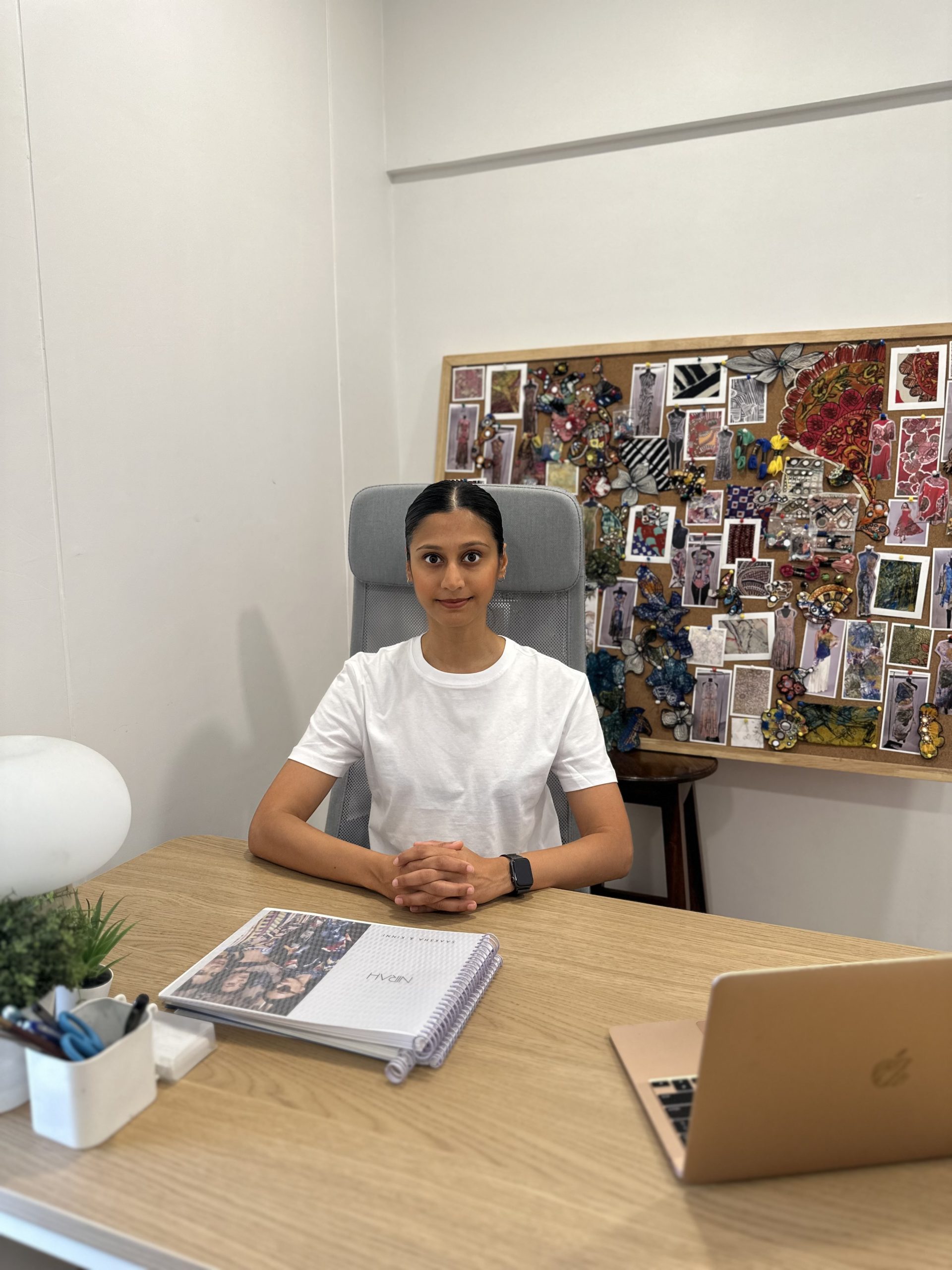
Saaksha Bhat of Saaksha & Kinni, who retails through multi-brand stores internationally, emphasises the importance of local representation. “When we began working with local showrooms, our sales expanded exponentially. Having a local agent creates trust for both buyer and designer.” International buyers demand reliability in delivery timelines, sizing consistency and clarity in merchandising—operational aspects requiring backend investment. “Maintaining consistency at scale while preserving the integrity of handwork requires strong systems,” say Rohit and Rahul.
The brand-building gap
Despite growing visibility, Indian designers often prioritise product over brand architecture through storytelling, merchandising clarity, pricing structure and distribution strategy. “We are not always clear about the larger picture when building a global brand,” Jhalani notes. “Marketing, positioning and consistency are equally important.”
Sanjana Chauhan, former Head of Marketing at DLF Emporio and founder of LuxuryNext, believes Indian fashion’s next frontier lies in constructing emotional value that transcends craft. “Luxury brands are built on mythology,” she says. “One has to create associations that are memorable and desirable. A true connoisseur anywhere in the world appreciates a well-made product, but repeat purchase comes from brand meaning and contemporary relevance.”
While awareness of Indian fashion has grown, many brands still lack clarity in positioning. “Fashion can be culture-specific, so pushing purely Indian sensibilities may resonate primarily with diaspora audiences. A design language with universal appeal travels further,” she notes. Compliance requirements are also becoming more stringent, particularly in European markets where sustainability disclosure, digital product passports and supply chain transparency are increasingly mandatory. Chauhan emphasises that ESG frameworks and digital traceability will increasingly determine access to international retail ecosystems.
Strategic partnerships will play a critical role in scaling globally, she adds. Alliances with Reliance Brands and Aditya Birla Fashion & Retail provide operational muscle, enabling designers to move from intuition-led growth to structured expansion. Increasingly, AI and data analytics are shifting fashion from predicting demand to calculating it, a transition that could prove crucial for Indian brands navigating complex international supply chains. “Craft alone is not enough; global luxury requires systems,” Chauhan says.
Mishra agrees. “We are not only competing with other designers. We are competing with systems that have evolved over decades. Global retail requires a design philosophy, but equally a strong operational backbone.”
Forging a universal language
The path forward is being shaped by a generation that views Indian craft through a global-first lens. Designers are moving beyond the weight of bridalwear toward silhouette, textile innovation and material research that resonate with a shopper in Tokyo or Paris with no cultural tie to the subcontinent. As Bhat, observes, separates such as skirts and blouses are seeing growing international demand, signalling shifting perceptions of Indian ready-to-wear.
Similarly, Rao believes international customers are increasingly receptive to pieces that integrate into everyday wardrobes. “There is growing openness toward Indian design as something fluid and modern rather than purely ceremonial,” she says. “The intention is to create garments that feel effortless, inclusive and adaptable across personal styles.”
She sees this shift as part of a broader evolution in how Indian fashion is understood globally. “Authenticity remains our strongest differentiator, but there is increasing openness to exploring silhouettes and techniques that feel contemporary while staying rooted in craft,” she says. Translating cultural capital into sustained global market share requires ecosystem building—investment, distribution partnerships, consistent storytelling and retail credibility. As Chauhan notes, fashion may be culture-specific, but luxury is universal.
The success of movements such as the Antwerp Six or K-fashion did not happen overnight; they emerged from unified aesthetic identities that were distinct yet accessible. India finds itself in a similar moment: the skill and history exist, but a design language that is quintessentially Indian without being confined to the ethnic category is still evolving.
“We are at a turning point,” says Mishra. “The world knows our hands; now it needs to know our heads. The next decade will determine whether Indian luxury remains a niche curiosity or becomes part of the global high-fashion vocabulary.”
You may also read: India’s most exclusive retreats for your Summer break